My latest piece for the @IndependentSage s*bstack series on how "Just the flu" has been such a damaging theme throughout the pandemic...
Pls retweet to stop the algorithm suppression on the link!
https://t.co/JbsfPTvwCp
We predicted this & been shouting about this publicly trying to get Gov&PH to put in Public Health protections FOR YEARS to prevent this. And honestly, given that endothelial dysfunction & atherosclerosis are largely silent progressive diseases for several years - I think what 1/
"Covid-19: A risk assessment too far".
Discusses the abuse/misuse of "risk assessment" during the pandemic.
Not one of my shorter blogs (!) but hope the content makes it worth the read.
https://t.co/s2symXYNre
Thanks to colleagues in Patient Safety Learning for publishing.
If you ask me what keeps me up at night, the UK biobank paper is up there, along with the next 2 papers.😷 TY @Daltmann10 for your refreshing honesty. 🧵
https://t.co/cQ7y56OE9Q
It is in Your Head! - Structural Changes to The Brain from COVID-19
Some in the medical profession have been saying Long COVID is all in the head. Ironically, they're onto something—but not in the way they think. COVID-19 doesn't just leave behind fatigue and coughs; it causes actual, measurable structural changes to the brain. Yes, Long COVID truly gets into your head, altering brain structures and triggering neurological issues that are very much real and tangible.
Structural Brain Changes
Recent studies have identified several structural changes in the brains of Long COVID patients...
Structural Brain Changes
Recent studies have identified several structural changes in the brains of Long COVID patients:
- Thalamus and Basal Ganglia Alterations: Research has shown that patients with post-COVID fatigue exhibit structural changes in the thalamus and basal ganglia. These changes include shape deformations and decreased volumes of the left thalamus, putamen, and pallidum. These regions are critical for motor and cognitive functions, and their impairment is linked to severe fatigue and cognitive deficits[1].
- Microstructural Changes: Advanced imaging techniques like diffusion microstructure imaging (DMI) have detected microstructural changes in various brain regions of Long COVID patients. These changes are not visible with traditional MRI scans and are associated with impaired cognition, sense of smell, and fatigue[2].
- Immune Cell Profile and Autonomic Dysfunction: Studies have also found that Long COVID patients exhibit differences in immune cell profiles and autonomic dysfunction, which may contribute to persistent neurological symptoms like brain fog and fatigue. This includes lower levels of CD4+ and CD8+ T cells and increased B cells, indicating immune dysregulation[3].
Impact on Patients
The structural changes in the brain due to Long COVID can have profound effects on patients:
- Cognitive Impairments: Many patients report experiencing "brain fog," which includes symptoms such as forgetfulness, difficulty concentrating, and sluggish thinking. These cognitive deficits can significantly impact daily life, making it challenging to perform tasks that require mental effort[4][9].
- Fatigue: Persistent fatigue is one of the most debilitating symptoms of Long COVID. The structural changes in the thalamus and basal ganglia, which are involved in motor and cognitive processes, are closely linked to the severity of fatigue experienced by patients[1].
- Mood and Sleep Disorders: Long COVID can also lead to increased levels of anxiety, depression, and sleep disturbances. These neuropsychiatric symptoms are often associated with the structural brain changes observed in Long COVID patients[1][5].
Prevention is Key
Given the potential long-term impacts of COVID-19 on brain health, the best strategy to protect oneself is to avoid contracting the virus in the first place. Here are some recommended preventive measures:
- Vaccination: Staying up to date with COVID-19 vaccinations is the most effective way to reduce the risk of severe illness. If you have Long Covid work with your doctor as some Long Covid patients have had issues with vaccines[7][10][11].
- Respirator Masks: Wearing a high-quality N95 or better respirator that fits well is crucial for protecting yourself from airborne SARS-CoV-2. These respirators are designed to filter out at least 95% of airborne particles, significantly reducing your risk of inhaling these pathogens. A snug fit ensures that air does not leak around the edges, which would otherwise allow unfiltered air to bypass the mask and enter your lungs. Proper fit and seal are essential for the respirator to function effectively, making it a key measure in safeguarding your health, especially in high-risk environments.
- Ventilation: Ensuring good ventilation in indoor spaces can help reduce the concentration of viral particles in the air, lowering the risk of infection[6][8].
So, next time someone says Long COVID is all in your head, you can confidently reply, “Exactly, and that’s precisely why it’s so serious.” COVID-19 can lead to significant structural changes in the brain, resulting in cognitive impairments, fatigue, and other neuropsychiatric symptoms.
The best way to protect oneself from these long-term consequences is to prevent COVID-19 infection through vaccination, masking, avoiding crowded spaces and proper ventilation. By taking these preventive measures, individuals can reduce their risk of contracting COVID-19 and potentially developing Long COVID.
References:
[1] The Lancet: Structural brain changes in patients with post-COVID fatigue
[2] WebMD: Novel MRI Study Detects Brain Changes in Long COVID Patients
[3] NIH: NIH study identifies features of Long COVID neurological symptoms
[4] CDC: Long COVID Basics
[5] Yale Medicine: Long COVID Brain Fog: What It Is and How to Manage It
[6] WHO: Advice for the public: Coronavirus disease (COVID-19)
[7] CDC: About COVID-19
[8] Minnesota Department of Health: Protect Yourself and Others: COVID-19
[9] NIH: Shining a Light on Long COVID Brain Fog
[10] Mayo Clinic: Coronavirus: What is it and how can I protect myself?
[11] Loyola Medicine: How to Protect Yourself from COVID-19
Sources
[1] Structural brain changes in patients with post-COVID fatigue https://t.co/XHKylQO2Cf
[2] Novel MRI Study Detects Brain Changes in Long COVID Patients https://t.co/C79ZdyHKFU
[3] NIH study identifies features of Long COVID neurological symptoms https://t.co/xG6qI3PUC3
[4] Shining a Light on Long COVID Brain Fog https://t.co/bLZdw69rle
[5] Long COVID Basics - CDC https://t.co/FIPHXUM6E5
[6] Advice for the public: Coronavirus disease (COVID-19) https://t.co/vPxZbfjl7c
[7] About COVID-19 - CDC https://t.co/zniToWtCoL
[8] Protect Yourself and Others: COVID-19 - MN Dept. of Health https://t.co/B5Zqvw55oW
[9] Long COVID Brain Fog: What It Is and How to Manage It https://t.co/gc0NJPiXv8
[10] Coronavirus: What is it and how can I protect myself? - Mayo Clinic https://t.co/xwjIO9pzOf
[11] How to Protect Yourself from COVID-19 | Coronavirus https://t.co/OEOjRn9VOz
I met with a Medical Director in a Neurology Group a few weeks ago. Outside of his locations are signs that read “No Mask No Entry Until Further Notice.” 1/13
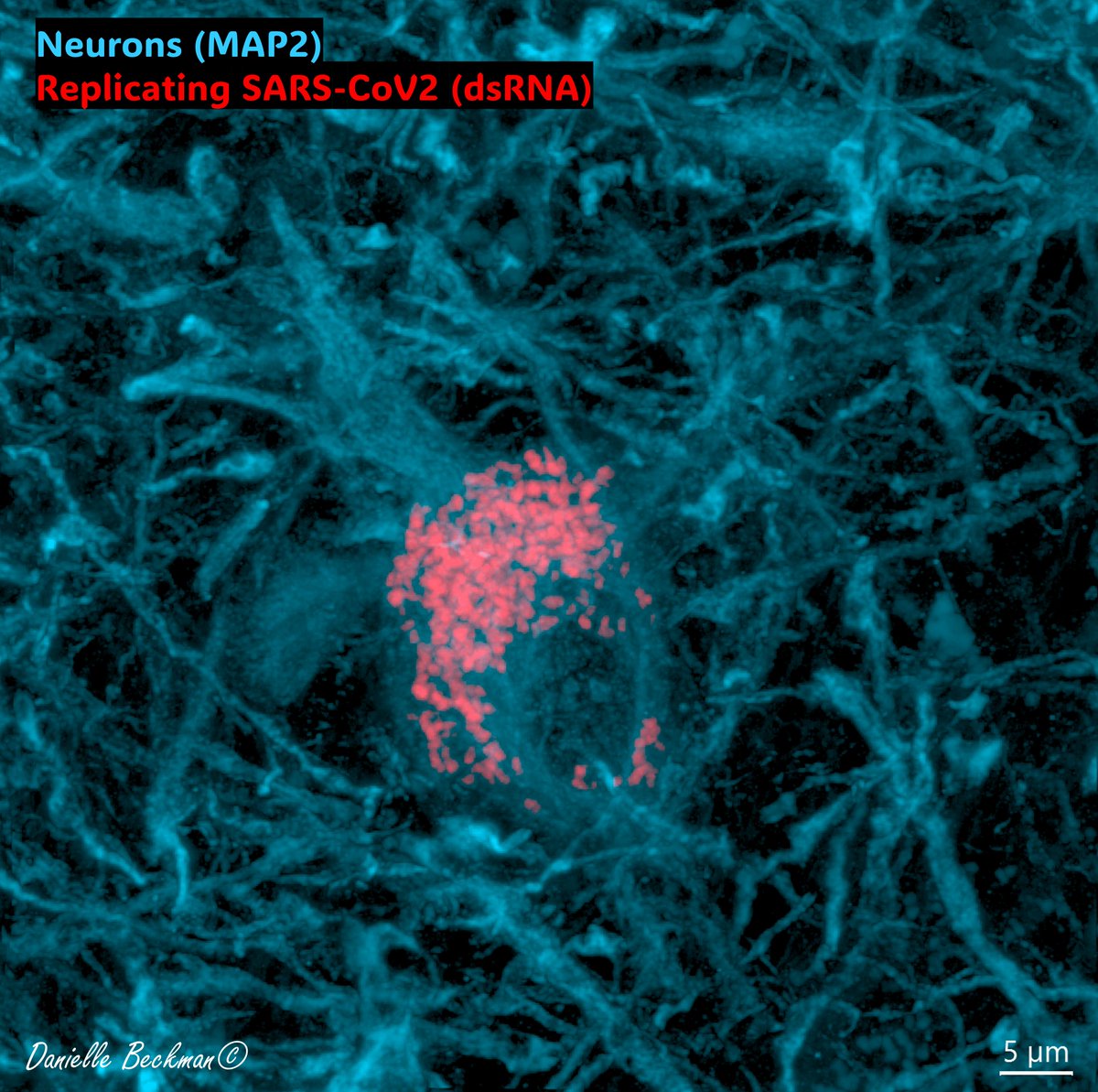
How many groups have to show that SARS-Cov-2 infects the brain, replicates inside neurons, and disrupts synapses? How long will scientists and patients continue to be ignored?
#neuroCovid
@GardeningSaul @HeadGardenerLC I bought this Pilea Umbrosa from @HG_Philip two yrs ago, easily propagated from cuttings, hardy, in part shade (morning and eve sun), moist ground, lovely leaves + have 3 Boehmerias from him & @MikesRarePlants
Very pleased with my haul of plants from todays plant fair at Tregrehan gardens, mostly from @MikesRarePlants, quality plants at good prices & great planting advice as always from Mike. And nice to catch up with @GardeningSaul again
I've upoladed a video explainer for our latest paper exploring how CO2 increases how long SARS-CoV-2 remains infectious in the air. Give it a watch (it's about 5 minutes)! And if you like it, share it!
If you have any questions, I'd be glad to answer them!
https://t.co/MNf70BshiJ
@ChunxOfEarth @djcctr@1goodtern I’m in a lab environment too, great to have 8 air changes per hour with fresh air, offices have the same system, normally around 500ppm CO2, HEPA air purifier constantly going in my office 😷
This week is #MentalHealthAwarnessWeek ! To mark this at the @ICR_London @AnnetteSelf, our Social rep and also Wellbeing Champion has organised a Craft and Chat session tomorrow at the CCDD Cafe at lunch time plus a Plant Sale on Thursday! Do join in!





![Dave_it_up's tweet photo. It is in Your Head! - Structural Changes to The Brain from COVID-19
Some in the medical profession have been saying Long COVID is all in the head. Ironically, they're onto something—but not in the way they think. COVID-19 doesn't just leave behind fatigue and coughs; it causes actual, measurable structural changes to the brain. Yes, Long COVID truly gets into your head, altering brain structures and triggering neurological issues that are very much real and tangible.
Structural Brain Changes
Recent studies have identified several structural changes in the brains of Long COVID patients...
Structural Brain Changes
Recent studies have identified several structural changes in the brains of Long COVID patients:
- Thalamus and Basal Ganglia Alterations: Research has shown that patients with post-COVID fatigue exhibit structural changes in the thalamus and basal ganglia. These changes include shape deformations and decreased volumes of the left thalamus, putamen, and pallidum. These regions are critical for motor and cognitive functions, and their impairment is linked to severe fatigue and cognitive deficits[1].
- Microstructural Changes: Advanced imaging techniques like diffusion microstructure imaging (DMI) have detected microstructural changes in various brain regions of Long COVID patients. These changes are not visible with traditional MRI scans and are associated with impaired cognition, sense of smell, and fatigue[2].
- Immune Cell Profile and Autonomic Dysfunction: Studies have also found that Long COVID patients exhibit differences in immune cell profiles and autonomic dysfunction, which may contribute to persistent neurological symptoms like brain fog and fatigue. This includes lower levels of CD4+ and CD8+ T cells and increased B cells, indicating immune dysregulation[3].
Impact on Patients
The structural changes in the brain due to Long COVID can have profound effects on patients:
- Cognitive Impairments: Many patients report experiencing "brain fog," which includes symptoms such as forgetfulness, difficulty concentrating, and sluggish thinking. These cognitive deficits can significantly impact daily life, making it challenging to perform tasks that require mental effort[4][9].
- Fatigue: Persistent fatigue is one of the most debilitating symptoms of Long COVID. The structural changes in the thalamus and basal ganglia, which are involved in motor and cognitive processes, are closely linked to the severity of fatigue experienced by patients[1].
- Mood and Sleep Disorders: Long COVID can also lead to increased levels of anxiety, depression, and sleep disturbances. These neuropsychiatric symptoms are often associated with the structural brain changes observed in Long COVID patients[1][5].
Prevention is Key
Given the potential long-term impacts of COVID-19 on brain health, the best strategy to protect oneself is to avoid contracting the virus in the first place. Here are some recommended preventive measures:
- Vaccination: Staying up to date with COVID-19 vaccinations is the most effective way to reduce the risk of severe illness. If you have Long Covid work with your doctor as some Long Covid patients have had issues with vaccines[7][10][11].
- Respirator Masks: Wearing a high-quality N95 or better respirator that fits well is crucial for protecting yourself from airborne SARS-CoV-2. These respirators are designed to filter out at least 95% of airborne particles, significantly reducing your risk of inhaling these pathogens. A snug fit ensures that air does not leak around the edges, which would otherwise allow unfiltered air to bypass the mask and enter your lungs. Proper fit and seal are essential for the respirator to function effectively, making it a key measure in safeguarding your health, especially in high-risk environments.
- Ventilation: Ensuring good ventilation in indoor spaces can help reduce the concentration of viral particles in the air, lowering the risk of infection[6][8].
So, next time someone says Long COVID is all in your head, you can confidently reply, “Exactly, and that’s precisely why it’s so serious.” COVID-19 can lead to significant structural changes in the brain, resulting in cognitive impairments, fatigue, and other neuropsychiatric symptoms.
The best way to protect oneself from these long-term consequences is to prevent COVID-19 infection through vaccination, masking, avoiding crowded spaces and proper ventilation. By taking these preventive measures, individuals can reduce their risk of contracting COVID-19 and potentially developing Long COVID.
References:
[1] The Lancet: Structural brain changes in patients with post-COVID fatigue
[2] WebMD: Novel MRI Study Detects Brain Changes in Long COVID Patients
[3] NIH: NIH study identifies features of Long COVID neurological symptoms
[4] CDC: Long COVID Basics
[5] Yale Medicine: Long COVID Brain Fog: What It Is and How to Manage It
[6] WHO: Advice for the public: Coronavirus disease (COVID-19)
[7] CDC: About COVID-19
[8] Minnesota Department of Health: Protect Yourself and Others: COVID-19
[9] NIH: Shining a Light on Long COVID Brain Fog
[10] Mayo Clinic: Coronavirus: What is it and how can I protect myself?
[11] Loyola Medicine: How to Protect Yourself from COVID-19
Sources
[1] Structural brain changes in patients with post-COVID fatigue https://t.co/XHKylQO2Cf
[2] Novel MRI Study Detects Brain Changes in Long COVID Patients https://t.co/C79ZdyHKFU
[3] NIH study identifies features of Long COVID neurological symptoms https://t.co/xG6qI3PUC3
[4] Shining a Light on Long COVID Brain Fog https://t.co/bLZdw69rle
[5] Long COVID Basics - CDC https://t.co/FIPHXUM6E5
[6] Advice for the public: Coronavirus disease (COVID-19) https://t.co/vPxZbfjl7c
[7] About COVID-19 - CDC https://t.co/zniToWtCoL
[8] Protect Yourself and Others: COVID-19 - MN Dept. of Health https://t.co/B5Zqvw55oW
[9] Long COVID Brain Fog: What It Is and How to Manage It https://t.co/gc0NJPiXv8
[10] Coronavirus: What is it and how can I protect myself? - Mayo Clinic https://t.co/xwjIO9pzOf
[11] How to Protect Yourself from COVID-19 | Coronavirus https://t.co/OEOjRn9VOz](https://pbs.twimg.com/media/GSC0Fn_XEAA5agk.jpg)