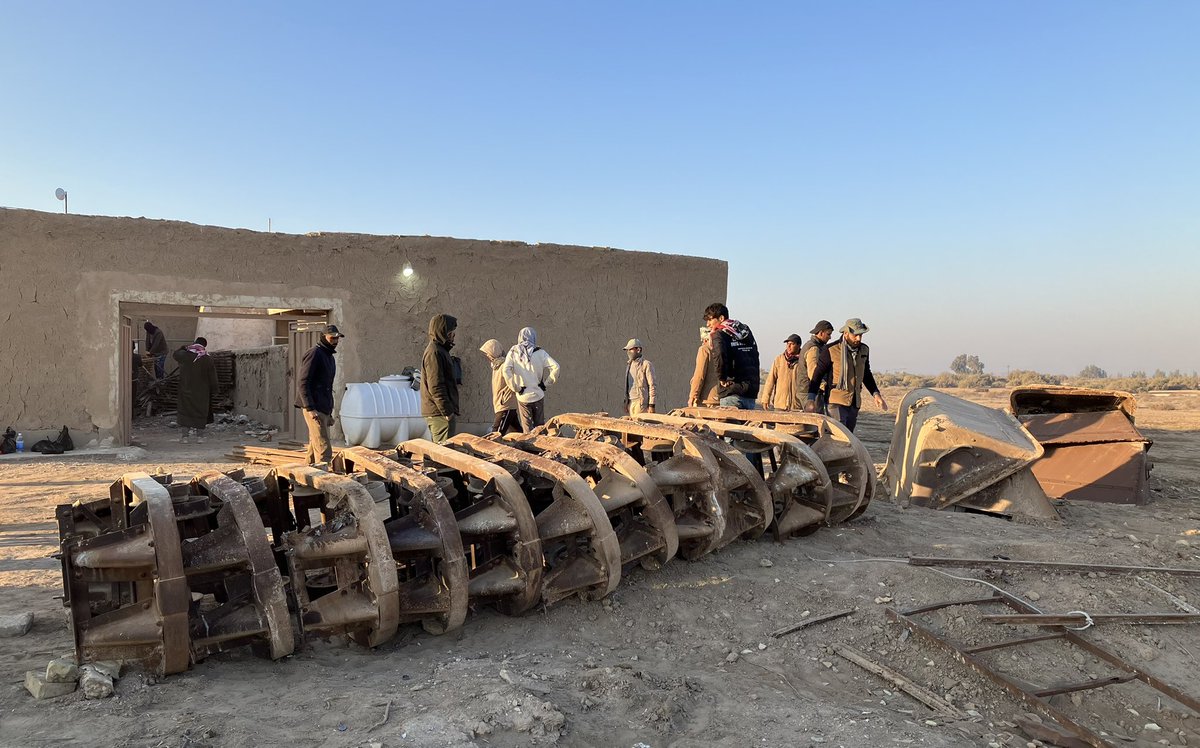
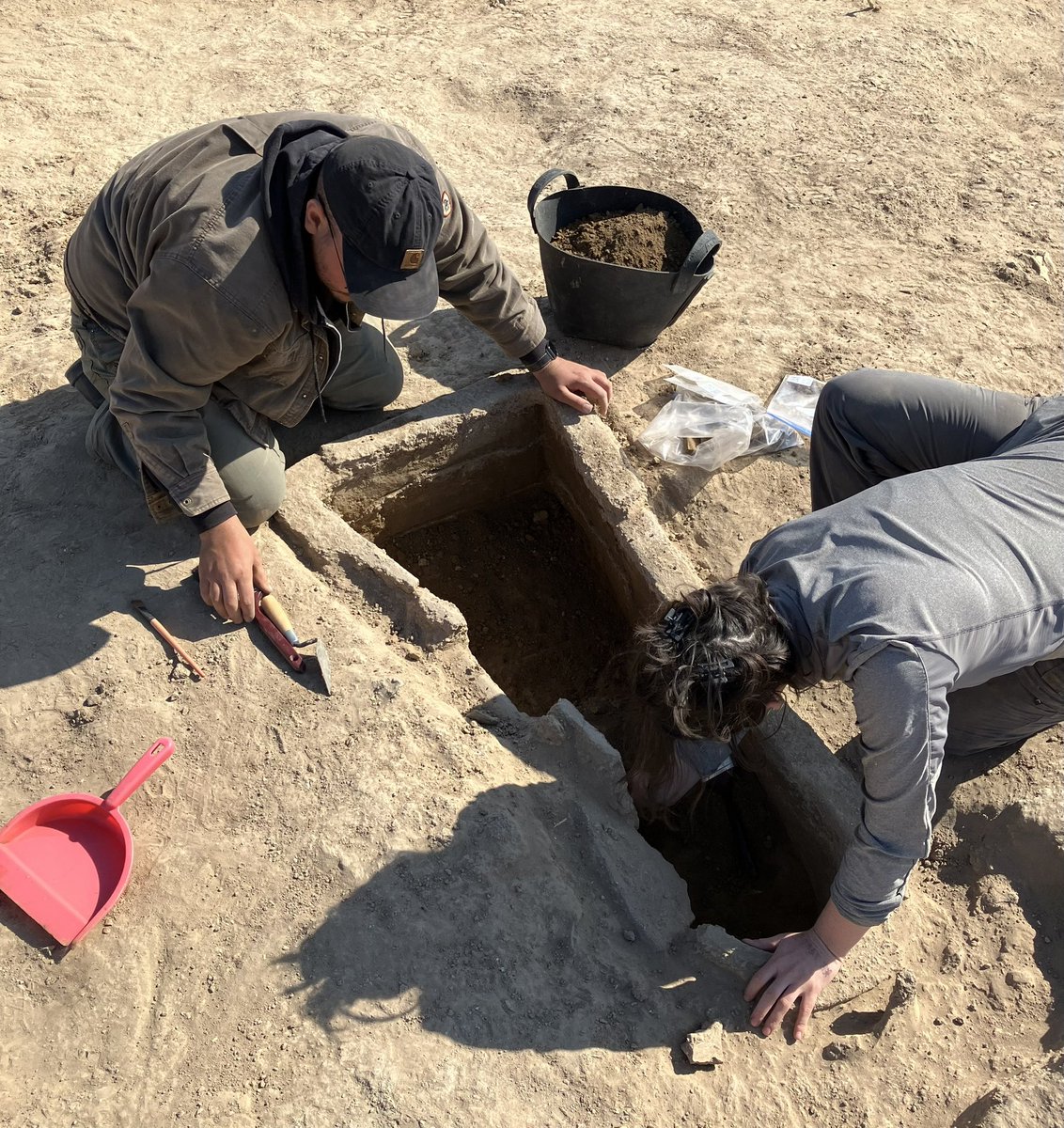
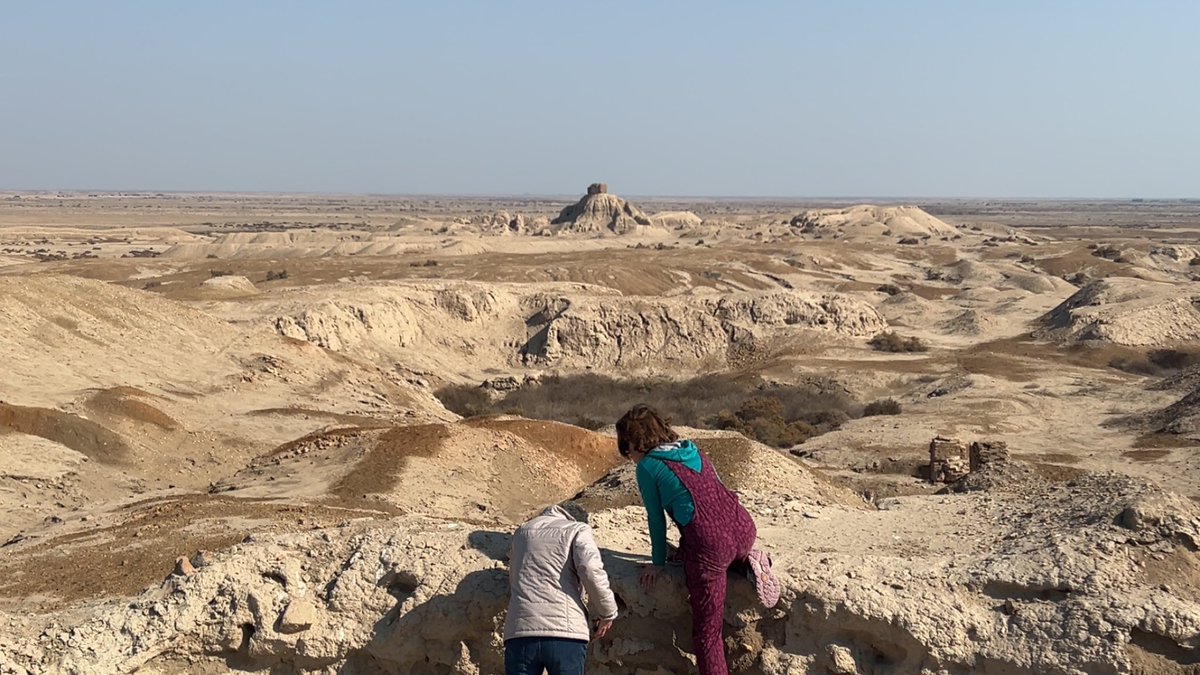
A productive day at #Nippur. Finally shifted the railroad outside the house to make room for another water tank, further exposure of the UrIII city wall, and a surprise NeoBabylonian grave. @ISAC_UChicago
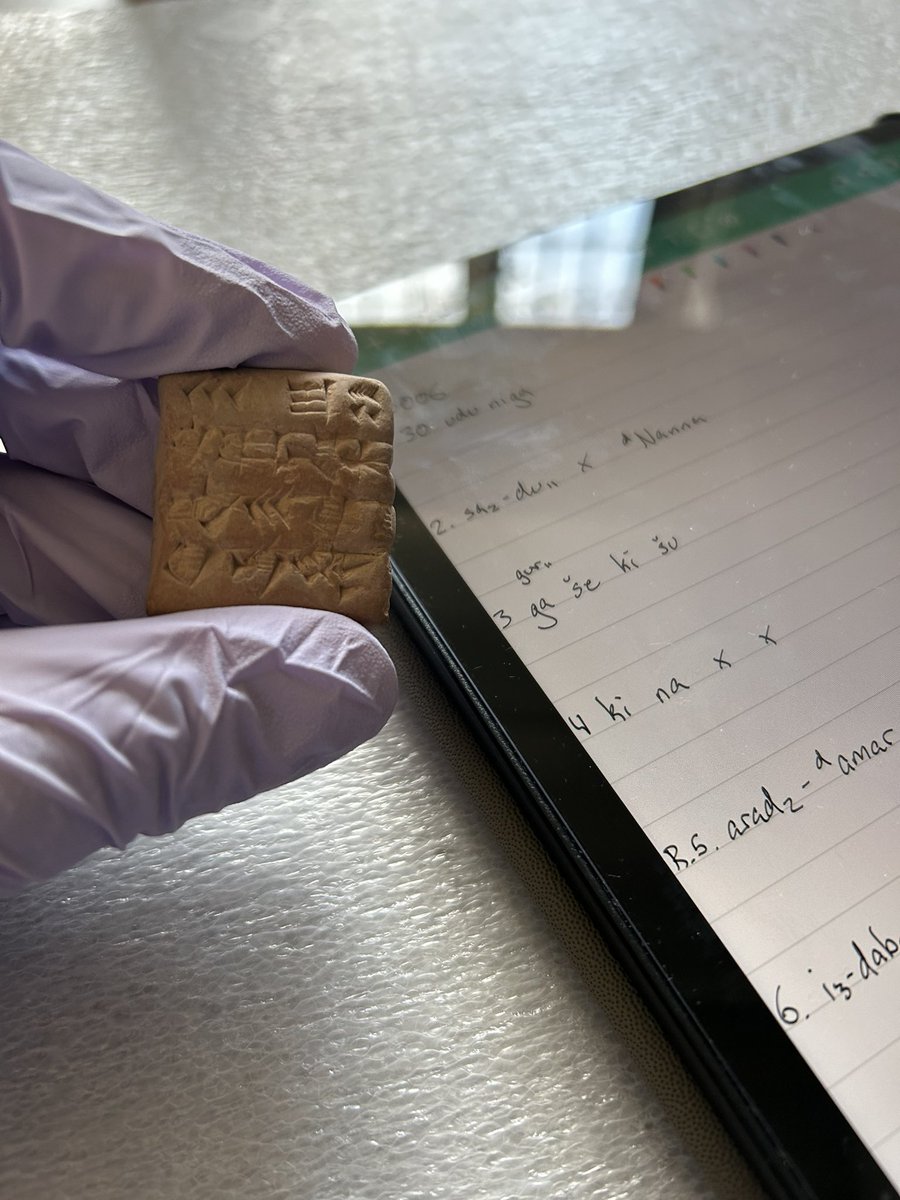
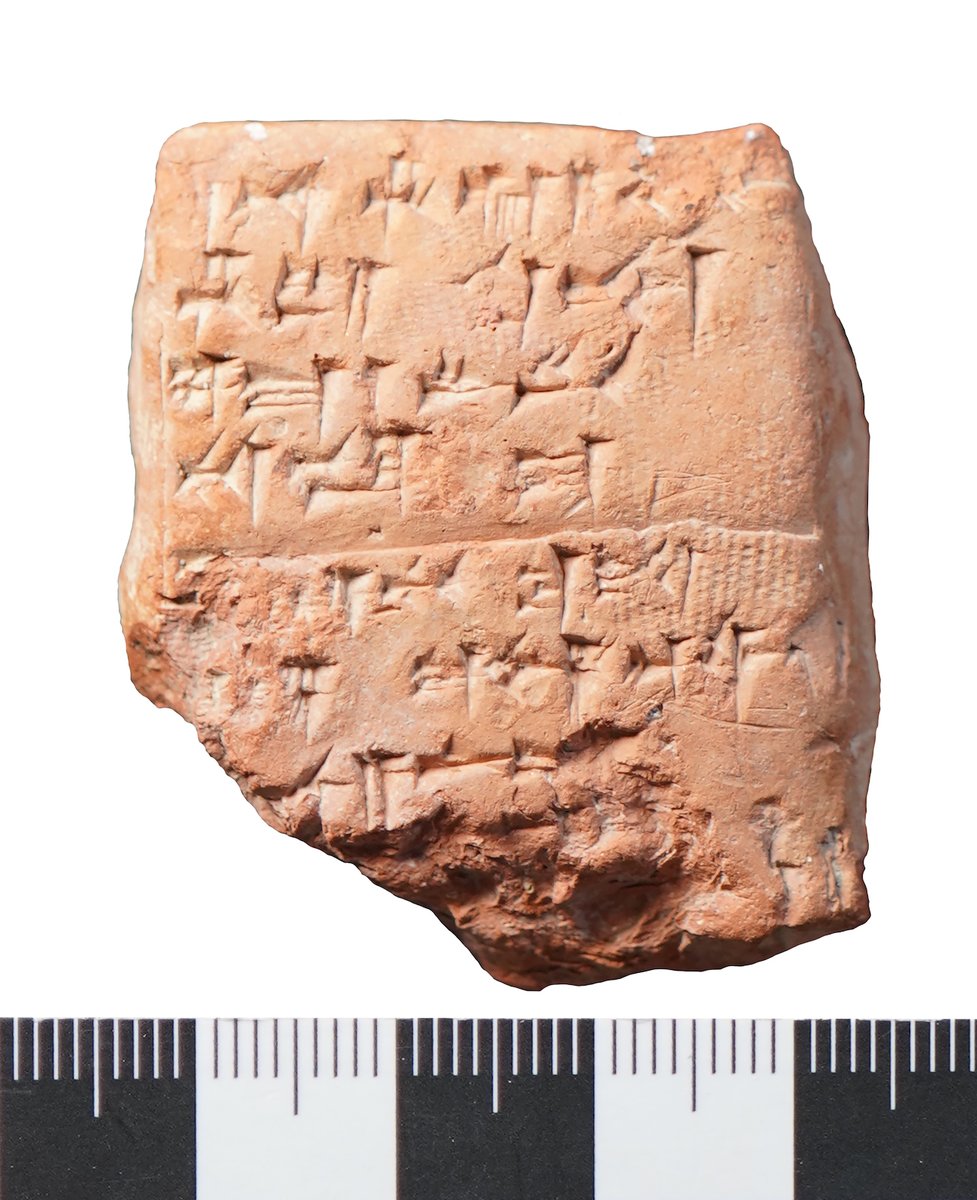
Got to work with real administrative tablets from the Ur III period in my Sumerian class at UChicago today thanks to collection housed at the @ISAC_UChicago ! Always a highlight of my time in the CMES program
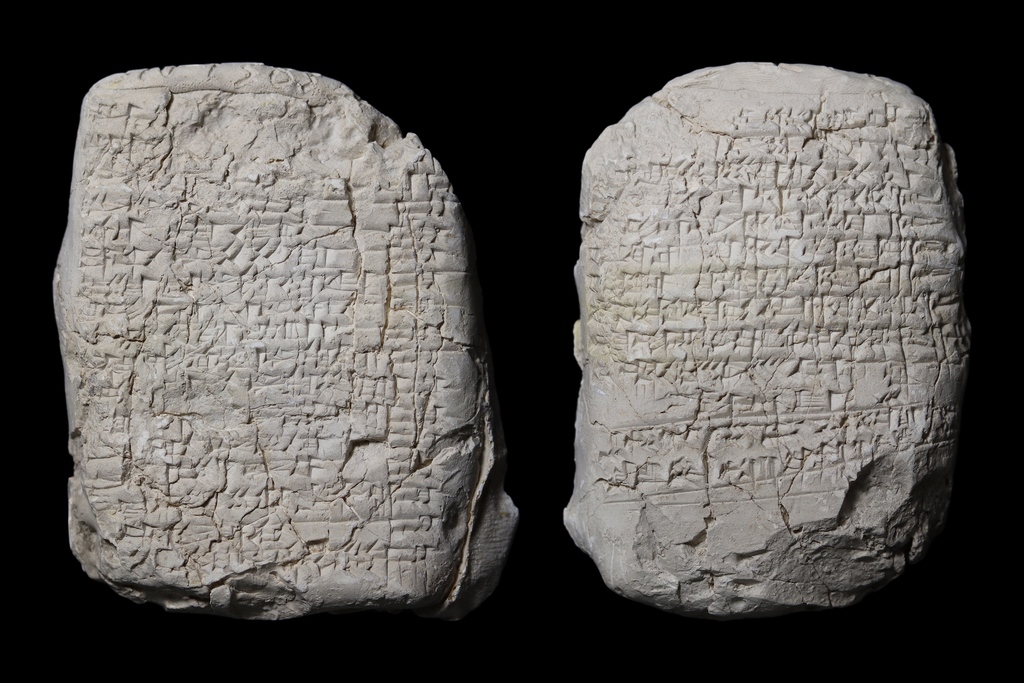
Are you by any chance “a powerful man who enjoys using his thighs,” perhaps planning to use them in the Chicago Marathon tomorrow? If so, you have a lot in common with Shulgi, king of Ur. In the 18th century BCE, a student in a Babylonian scribal school used this tablet
Like everyone else at @UChicago this week, Tuppi has gone #backtoschool! After spending time at ISAC in the Research Archives, Tuppi bought the books for all their classes, but does not want to spend all their time thinking about the Roman Empire.
#tbt to the ISAC excavations at the site of Megiddo! Here is a picture of a silver hoard from the site of Megiddo, made up of what is known as hacksilver (fragments of metal used as currency) and jewelry.
This week we’re looking at money in the ancient world. Although coinage is an invention of the 7th century BCE, people used other forms of money before that time in order to purchase items
A9543, silver, Iraq, Old Babylonian period (ca. 1894-ca. 1595 BCE)
It’s #BacktoSchool Saturday, meaning it’s time for another behind-the-scenes glimpse at what our researchers and curators at the ISAC are doing in preparation for our upcoming exhibition, “Back to School in Babylonia!”
I see people are hating on the Phantom Menace, but all the talk of sovereignty and trade disputes present in that movie likely laid the seeds for me opting to become a historian.
I'm thrilled to announce that this summer I will be joining @orientalinst and @NELC_UChicago as Assistant Professor of Egyptology!! 🥳 I am so excited to join this wonderful community and eternally grateful to all my friends & colleagues who have supported me on this journey!
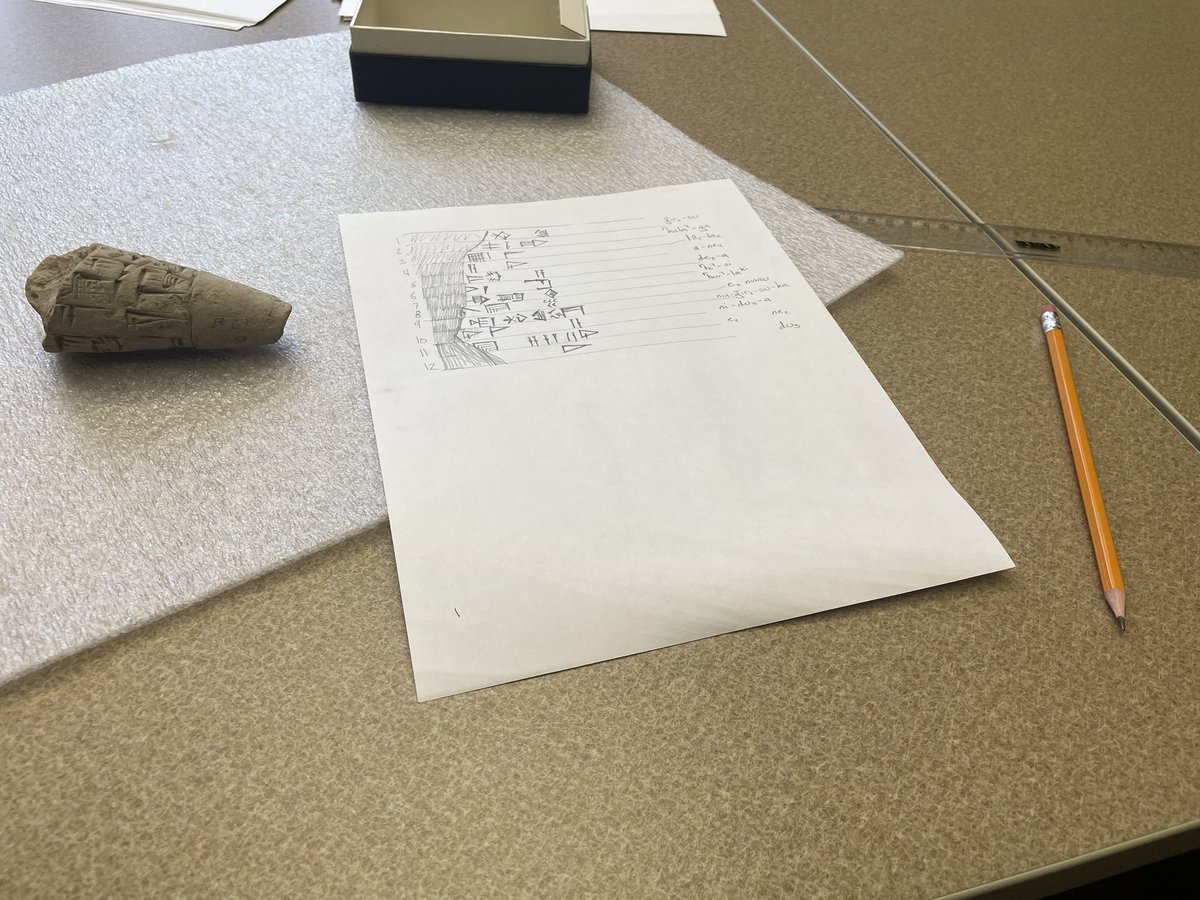
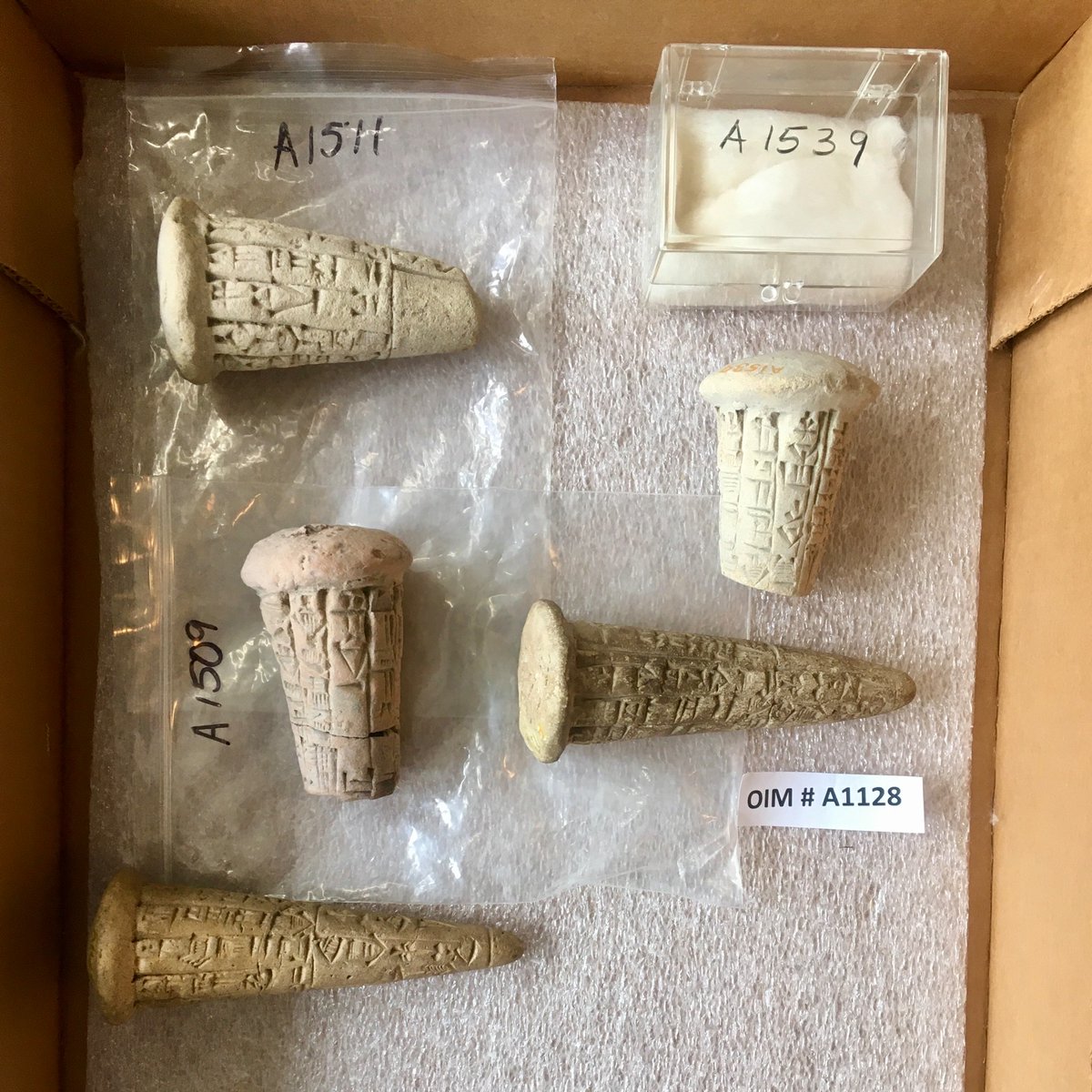
At the OI, students can use artifacts from our tablet collection to practice their reading skills in Elementary Sumerian class!
Photo 1: Jana Matuszak (@JanaMatuszak)
Photo 2: Carter Rote (@CarterRote)
Just published: The 2022 #cuneiform text finds from the Hittite capital Boğazköy-#Hattusa have just been published as fascicle 6 of KBo 71: Go to https://t.co/HORX12a3ST (open access) to explore the #Hittite and Old #Assyrian tablets and fragments.
How long do you save your receipts?
A 5,000 year old receipt in the Yale Babylonian collection. Hard to say for sure, but it appears a woman attests to delivery of barley. Accountant signature at the bottom.
Mari is one of the most famous sites in the Near East.
An investigation by French archaeologists focuses on the city’s fortification walls.
We developed reconstructions of the fortification walls, the city gate, and an adjoining residential building.
🔗 https://t.co/FGW24wS0ao
Calling all students of the ANE! This year's Digital Applications in Assyriology Nordic Summer School will be held at the University of Helsinki in August. This is a great opportunity to learn digital research skills for your studies and work!
https://t.co/S5GlINo93r
One of the great pleasures of #cuneiform studies is discovering joins: With the new join KBo3.45+UBT34, it now seems Ḫattušili I threatened his (adopted) sons with death if they spoke the name of Tawannanna, Ḫattušili’s aunt and wife of the old king. Look for more @RAI68Leiden!