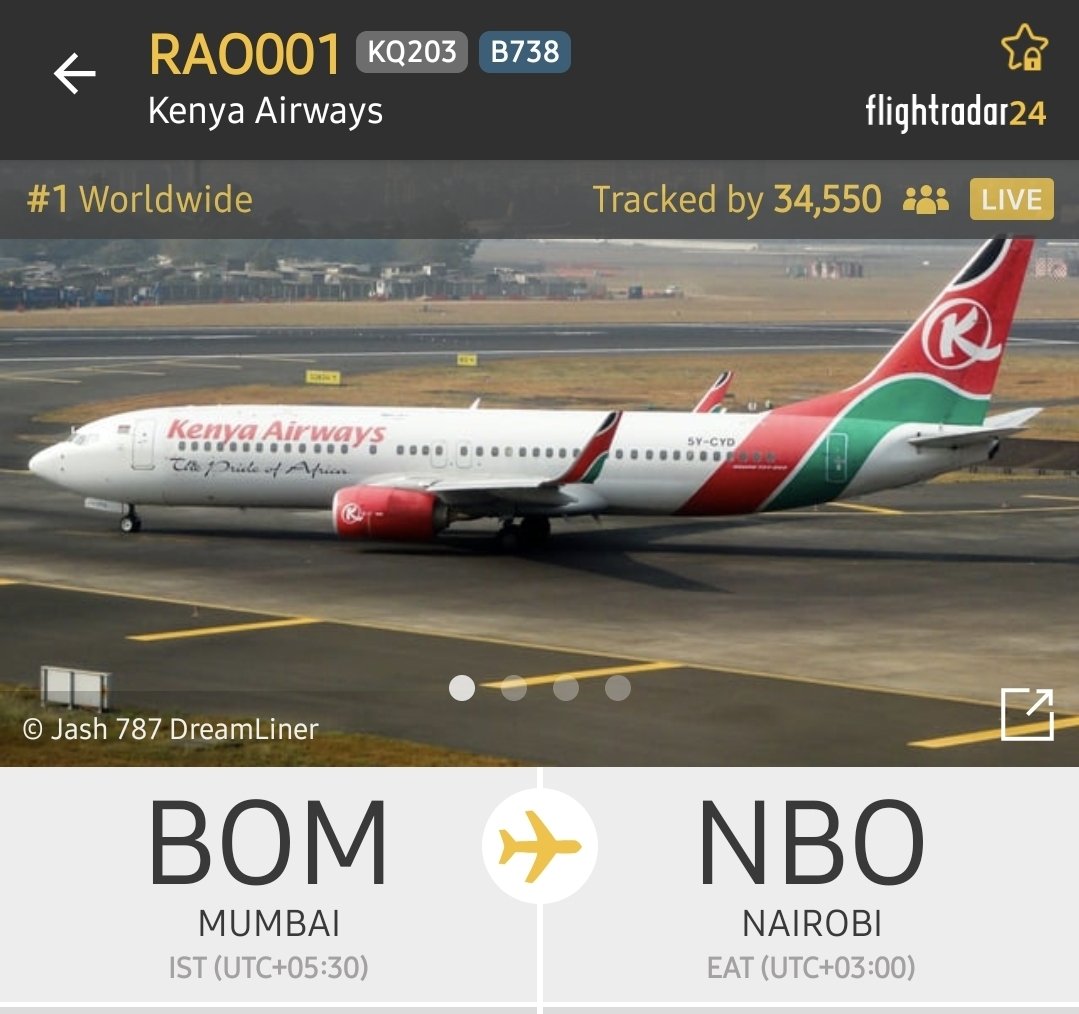
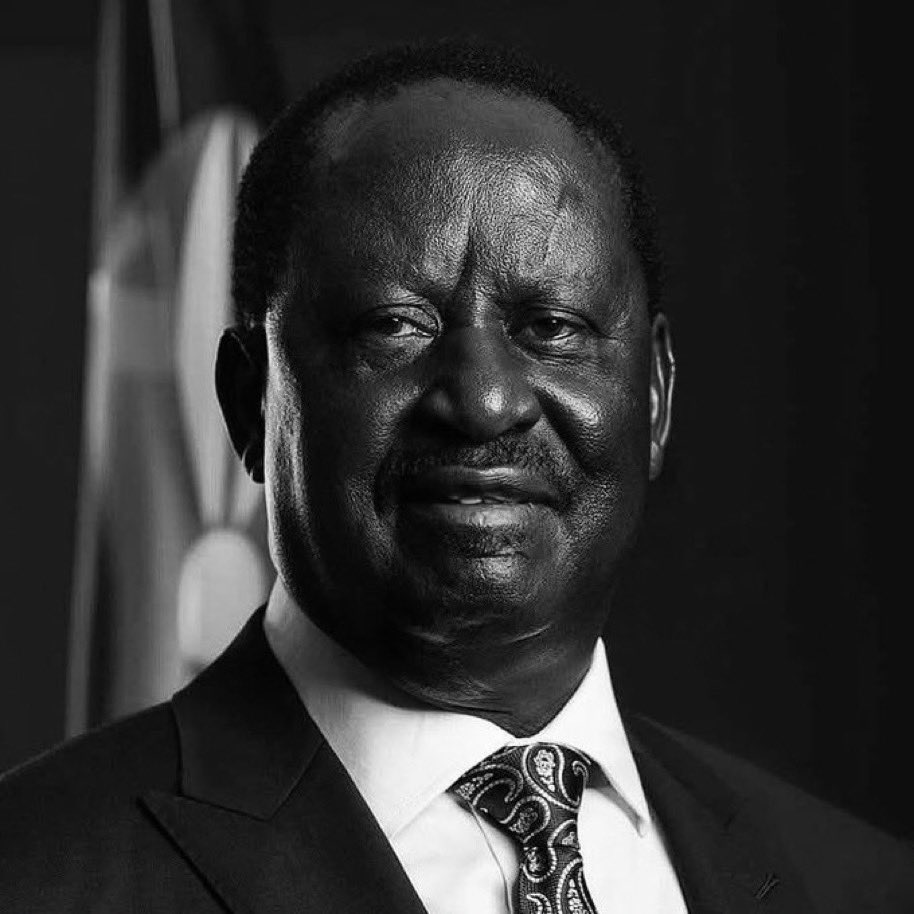
Kenya bows its head today.
Raila Amolo Odinga was more than a politician. He was a chapter in our nation’s fight for freedom.
Through detention, persecution, and betrayal, he never lost faith in Kenya’s promise. He carried the burden of our democracy on his back and paid the price for believing that this country could be just and fair.
We may not have always agreed with his choices, but we cannot deny his sacrifice. His voice shook systems. His resilience moved mountains.
History will remember him as a man who walked where others feared to stand.
My deepest condolences to Mama Ida, the Odinga family, and the millions of Kenyans whose hope was once kindled by his courage.
Let us carry forward the unfinished dream of a Kenya where truth is not treason and justice is not a privilege.
Rest in eternal peace Baba.
Senator Okiya Omtatah Okoiti
How did this leave the chambers of the AG and Makau?
How can you form a body to take over functions of a constitutional commission and statutory bodies?
How can the office of the president chair such a body?
Various Court decisions-Shakahola, Maraga and Audit Taskforces decisions
When Tyla said she is not Black but Coloured, she was not speaking into the American conversation about race at all. She was speaking in the language of her own country, shaped by its own history. Yet her words detonated in America as though they had been aimed there. This is what happens when a nation has spent a century convincing the world that its definitions are the only ones that matter.
America’s greatest export has never been war. It has never been democracy. It has never been freedom. America’s greatest export is the dream of itself.
It is not that the films are inherently better. It is not that the music contains some mystical note absent elsewhere. What America has, and what it has always had, is money, reach, and a machinery built to make its image the centre of the world.
This was not accidental. It was policy. It was the soft arm of empire. To project yourself outward until your face is the first one people recognise in the mirror.
And so the American way of life became the default. Other cultures were filed into two neat drawers: savage if they challenged the story, exotic if they could be sold back to you.
If you are Black, your first cinematic self was likely African American, the rapper, the sitcom character, the hero of a Spike Lee joint. If you are white in Europe or Australia, it was the white faces of American sitcoms and stadium tours. Whoever you were, your first image of yourself came with an American accent.
Over time, Americans began to believe the story they had written. When you grow up in the country that built itself into the cultural Mecca, it is easy to think you are the best simply because you are on top. You forget, or never know, that the game was fixed long before you played it.
But the monopoly is breaking. Nigeria’s Nollywood now speaks across oceans. South Korean dramas leap borders. India’s Bollywood never needed permission to fill theatres. Spanish thrillers keep strangers awake at night. Slumdog Millionaire, Squid Game, Money Heist, Shōgun — all aimed partly at the American market because that is where the money is, but no longer about America.
And here is the thing. Black Americans, who fought to be seen in their own country, became the global face of Blackness. That is a remarkable achievement. It was also made possible by the same system that excluded everyone else. Now Africans, Caribbeans, and Afro-Latins tell their own stories without making room for American centrality, and the absence is noticed.
We grew up watching you. You did not grow up watching us. And now the internet has levelled the ground just enough for others to speak without hesitation. Tyla’s words land differently because the world no longer accepts America as the only arbiter of meaning.
America’s greatest export was never its art. It was the power to decide which art, and which identities, the world would see. That power is no longer yours alone. There is both justice and loss in that.