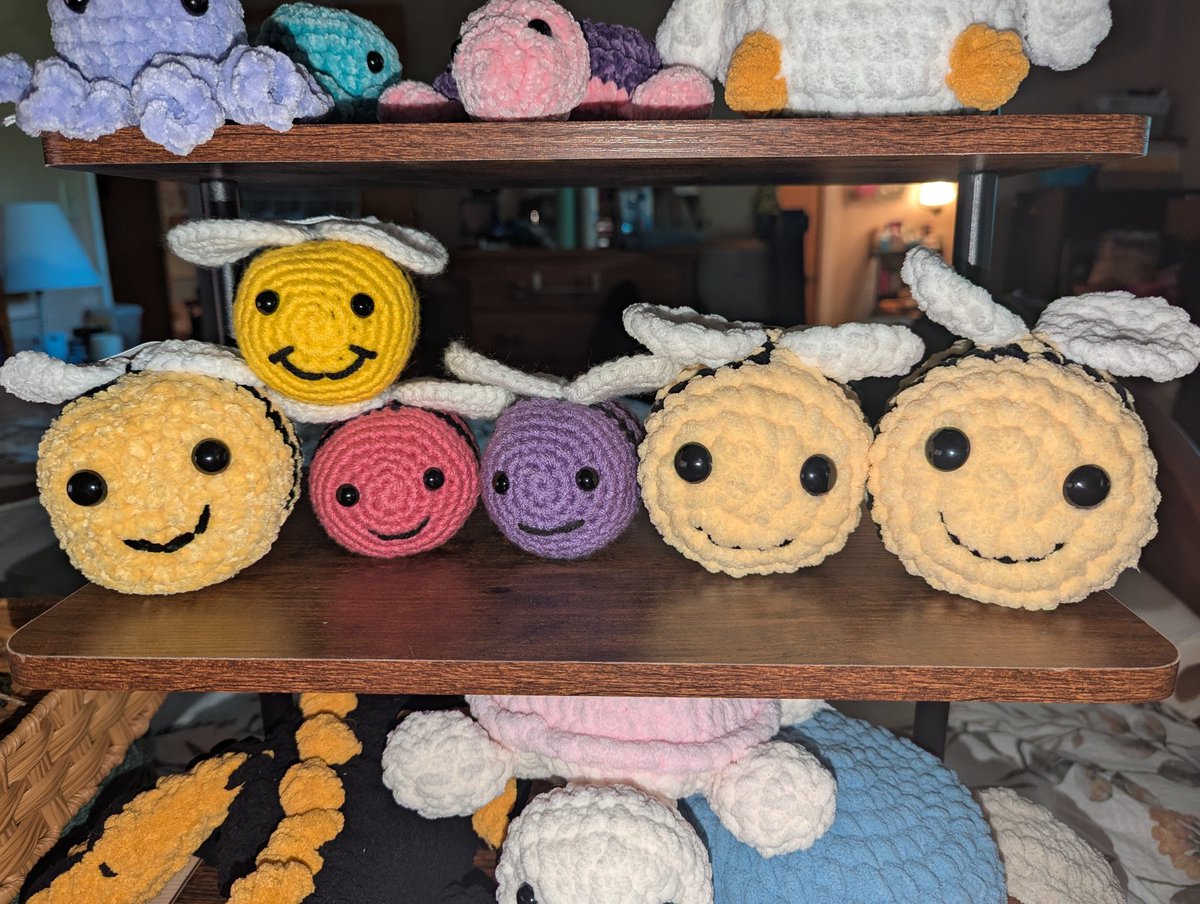
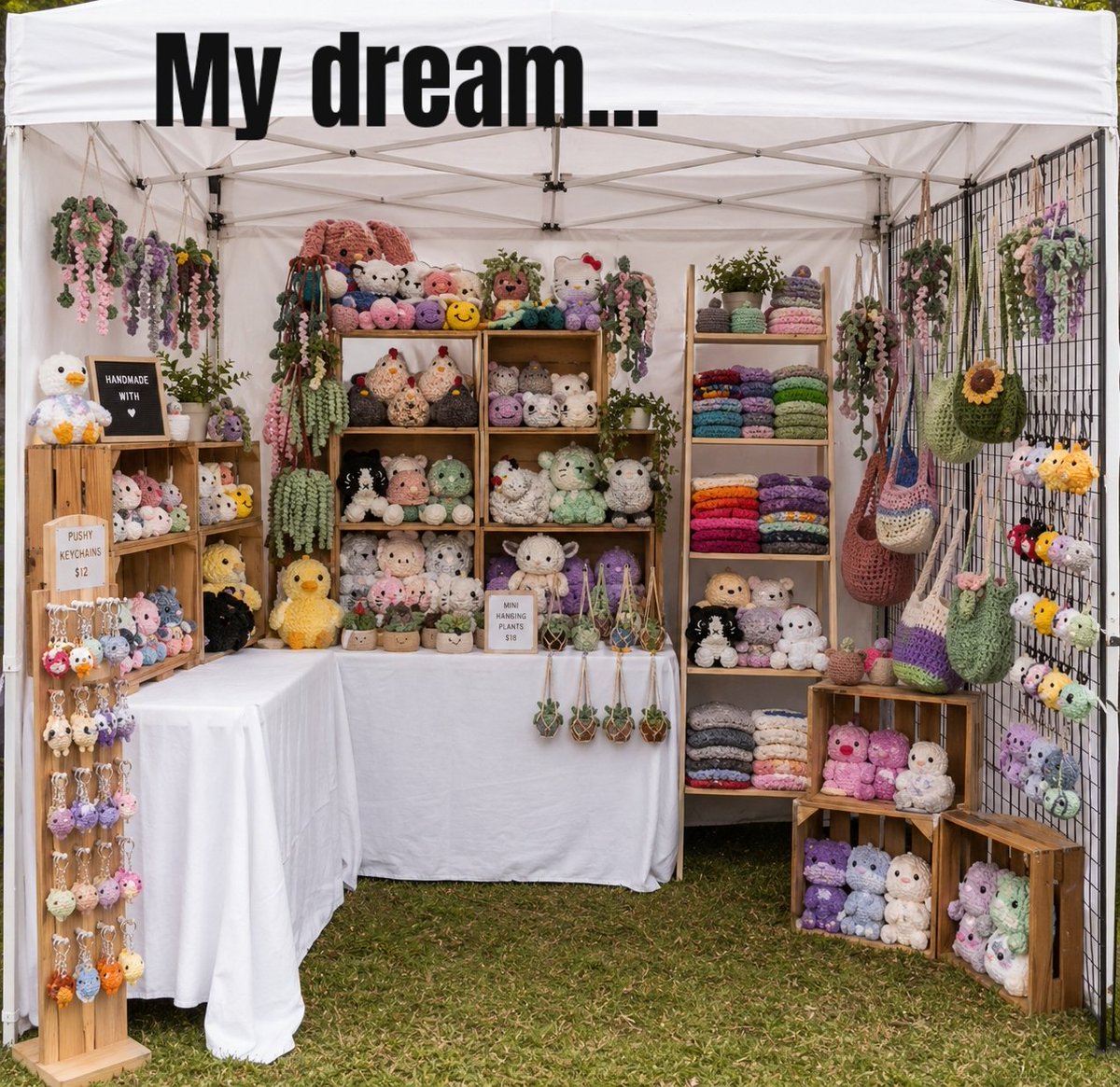
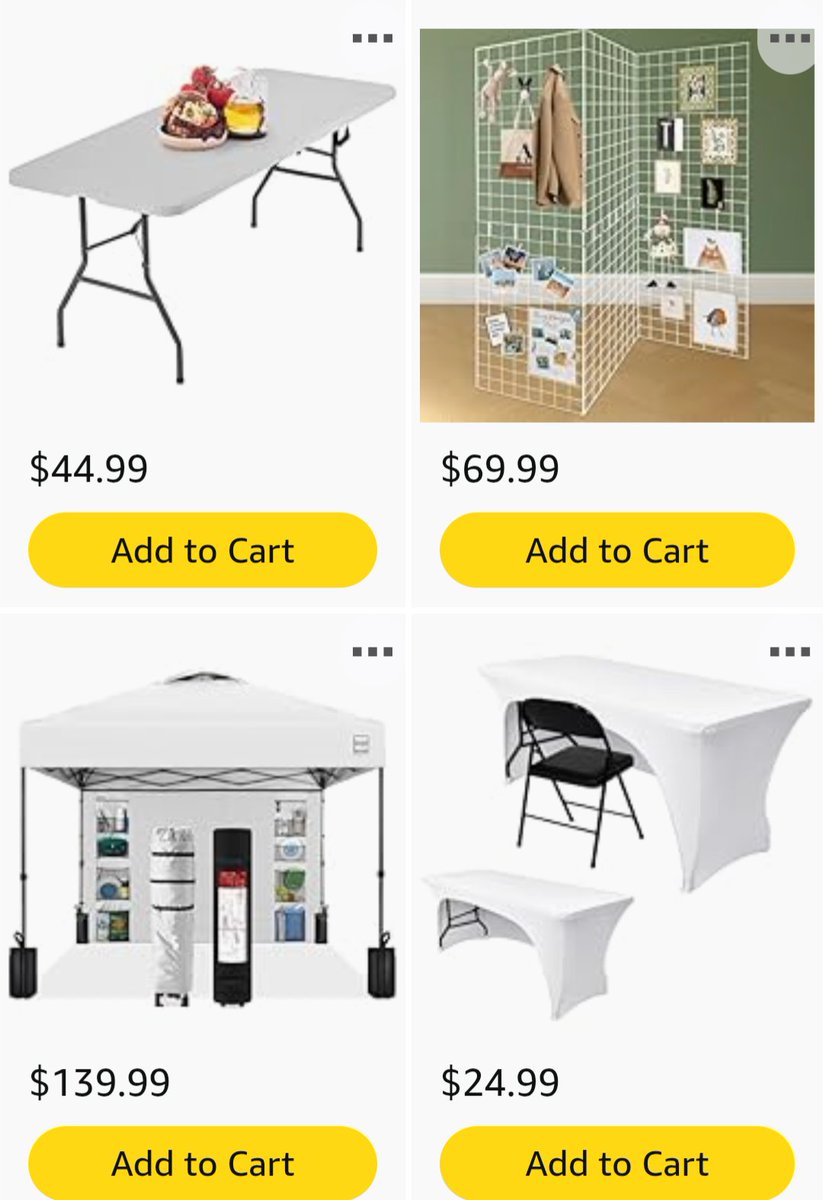
I'm really hoping to start doing markets within the next year. Is there anyone out there helping teachers become small business owners? If so, I have a few basic products that would help me get started. Anyone?
Also, shopping my Etsy helps. 😁
https://t.co/TRQ6cJHJbl
As a special education teacher, I've found continuous learning, reflective practice, and peer feedback vital for professional growth. Let's learn and grow together!
🫵 Si quieres una cita presencial entra en https://t.co/vJAdFbpIXA y completa el formulario o si prefieres realizarlo de manera telemática, contáctanos a través de nuestros teléfonos.
👉 Teléfono: 900 989 671
👉 WhatsApp: 608 391 707
🫂¡Estamos contigo en todo el proceso!
Bestie had started to eat when I remembered to take a pic. Pan-fried haddock with a v nice fennel, lemon and green olive side. This was a lovely spring-like dish.#twittersupperclub#springfood
"When I was in college, studying to be a special education teacher, my sister applied and was accepted to an inclusive post-secondary education (IPSE) program at the university I attended. At the end of summer, my sister and I made the three-hour drive from home, accompanied by our parents, to get her moved into her new apartment. At the time, I was roommates with three guys who also have Down syndrome and were in the program. My sister’s duplex was situated between the university student complex where I lived and the university itself, two blocks from campus. The property line between my apartment and her place was marked by a six-foot tall wooden privacy fence, backed by a chain-link fence on one side. I’ll never forget, after we unloaded the vehicles and moving trailer and were about to say our goodbyes to mom and dad, my mom said something that caught me by surprise. With a soft yet firm tone she said, “Ryan, I want you to go climb that fence.” I smiled and laughed, thinking she was trying to make a joke. But she repeated the prompt, this time with more conviction, “Ryan, I need you to go climb that fence.” I walked over to the fence, scaled up one side, down the other. I remember pausing on the backside of the fence, out of sight from my sister and parents, to collect my emotions before climbing back over to reunite with my family. Back on the other side, I made eye contact with my parents… first mom, then dad. Without further explanation, my mom said, “Ok. We can leave now.”
She needed to know I could be there when they couldn't.
The relationship between a person with Down syndrome and their sibling(s) is unique. In my experience and in the experiences of countless siblings I’ve had the honor of meeting and serving, there is challenge, there is humility, there is compassion, there is fear, there is strength, there is hope, there is love. Statistically speaking, the sibling relationship is the longest relationship a person with Down syndrome will have in their lifetime.
Credit - national down syndrome society
LIVE TONIGHT! Parents' Voices Matter: Informed Consent and Vaccine Choice
Tonight, host and IMA Senior Fellow, Pediatric Education Dr. Elizabeth Mumper (@EMumperMD) will be joined by special guests Dr. @Paulthomasmd and DeeDee Hoover—co-authors of 𝘝𝘢𝘹 𝘍𝘢𝘤𝘵𝘴—for a timely conversation on informed consent, parental rights, and making vaccine decisions with clarity and confidence. Drawing on decades of pediatric experience and family advocacy, this webinar will explore why parents’ voices matter more than ever. Wednesday, April 8th at 7pm ET. Livestream here on X!




![homevsfastfood's tweet photo. [Homemade] Carne asada with onions
#homemadecarneasada #carneasada #onions #streetfood #grilllove #homecooking #food #recipes #foodpic #foodie #foodlover #cooking #hungry #goodfood #homecookingvsfastfood https://t.co/Q1gQ20ln6A](https://pbs.twimg.com/media/HG9XI7kXUAAXEMi.jpg)


![homevsfastfood's tweet photo. [homemade] shrimp and pineapple tacos 🌮
#homemade #shrimp #pineapple #tacos #delicious #homecooking #food #recipes #foodpic #foodie #foodlover #cooking #hungry #goodfood #homecookingvsfastfood https://t.co/NAEWYRnZsU](https://pbs.twimg.com/media/HGLlF-JXQAAG27g.jpg)





