Nobel Peace Prize Nomination Submitted for Dr. Hak Ja Han
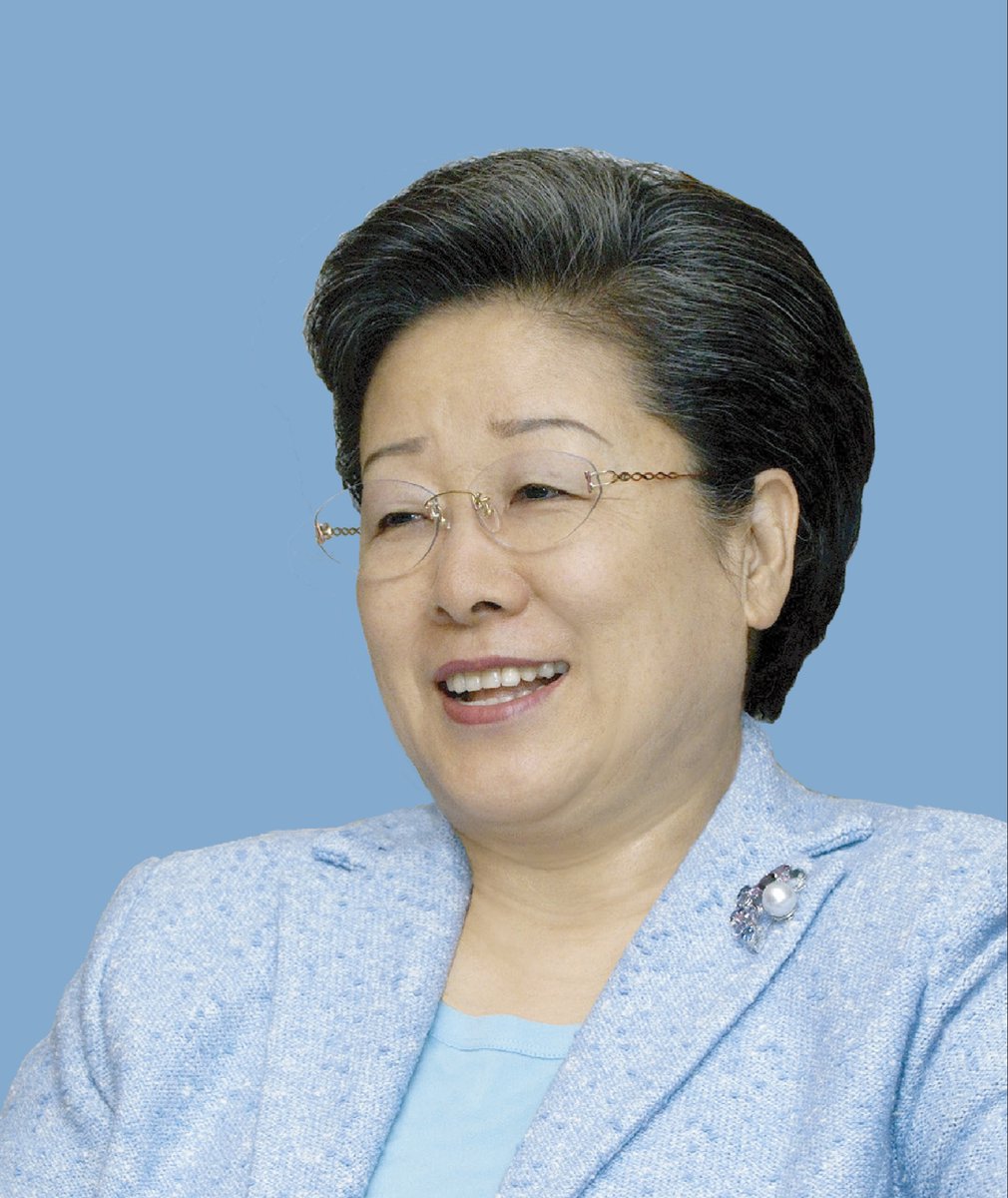
Dr. Jan Figel @janfigel, former EU Special Envoy for Freedom of Religion or Belief, has formally nominated Dr. Hak Ja Han of the Family Federation (FFWPU) for the 2026 Nobel Peace Prize.
In his nomination letter, Figel cited the following achievements:
1. Interfaith cooperation: Appointed thousands of Peace Ambassadors worldwide to bridge religious divides
2. Korean Peninsula peace: Organized Rally of Hope summits promoting peaceful reunification
3. Humanitarian recognition: Established the Sunhak Peace Prize, honoring global peace advocates
4. UN engagement: UPF and WFWP hold comprehensive consultative status with the UN Economic and Social Council (ECOSOC)
5. 38th Parallel Peace Initiative: A proposal to build an international peace park in the DMZ, aligned with Nobel's vision of abolishing armed conflict
6. Cultural diplomacy: Deployed the Little Angels performing arts troupe to carry peace messages worldwide
On Dr. Han's ongoing detention, Figel stated that many international observers regard it as politically motivated and intended to obstruct her global peace work.
He noted that U.S. Vice President J.D. Vance @JDVance raised her case directly with the South Korean Prime Minister during official talks, a sign that her detention has become a matter of urgent international concern.
Source: https://t.co/B3A29L2nta
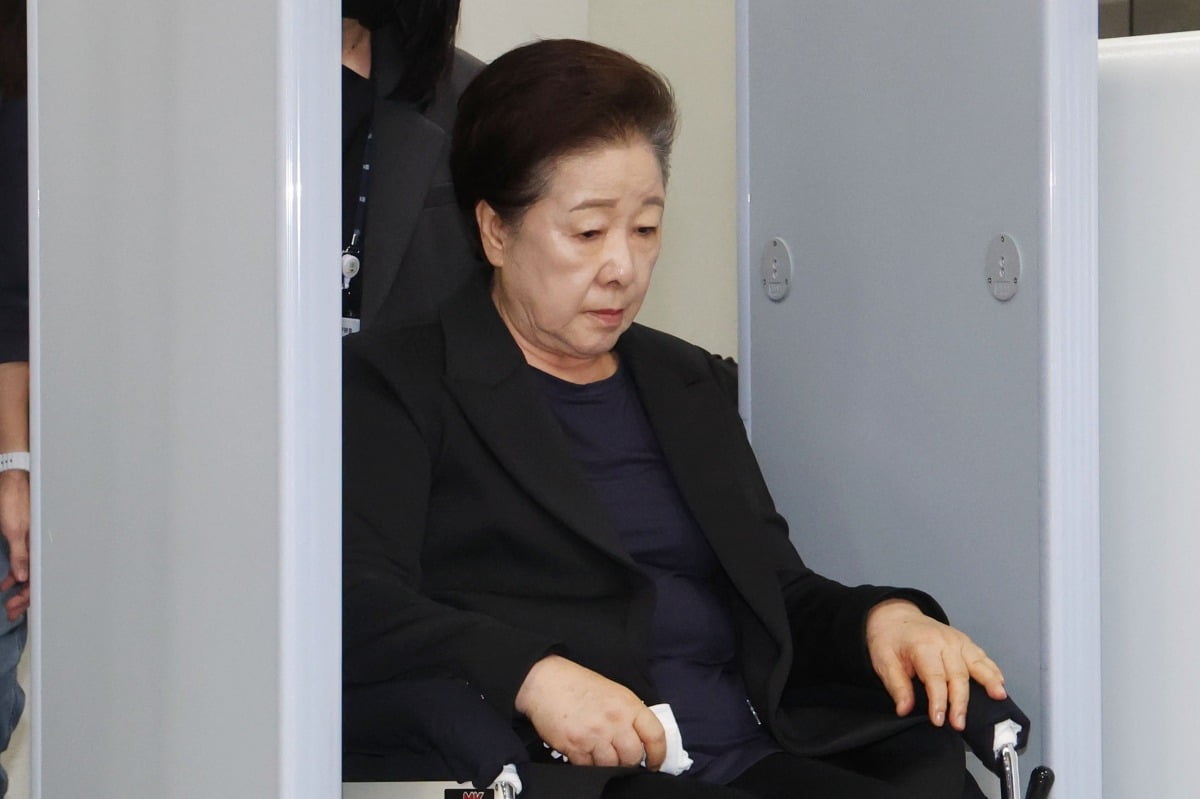
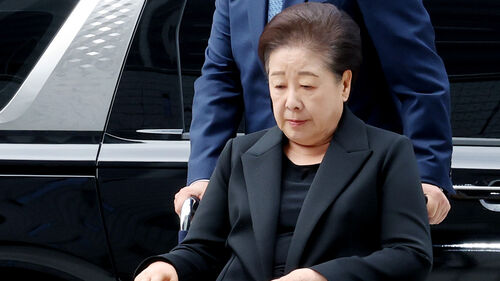
A Seoul court today granted Dr. Hak-ja Han her third consecutive suspension of detention for medical treatment — temporarily releasing her until April 30.
The condition: she must remain at her treatment hospital and nowhere else.
November 2025
February 2026
March 2026
For six months, she has been held in a solitary cell without adequate care.
She has appealed for medical release repeatedly.
Each time, she was sent back to detention — still recovering from surgery.
The pattern raises a question the court has now answered three times over: can she physically remain in custody? The answer, apparently, is no.
International critics — including former Secretary of State Mike Pompeo and former House Speaker Newt Gingrich — have called her prosecution a religiously motivated purge.
The international community must know that she has repeatedly appealed for release due to deteriorating health — and been denied.
Source: https://t.co/grMCk7Uv1Z
BREAKING: Dr. Han, one month medical release. Serious.
On tour around North America the most precious question I hear is, “How is True Mother?”
Sometimes it feels like faith requires a positive answer, but members want to know the truth.
Again, True Mother was absent from a court hearing and her lawyer gave the following explanation:
“Since last weekend, Dr. Han has been experiencing severe chest tightness to the point where she cannot sit or lie down. During the weekend, the detention center is unable to provide any medical support, and her condition has not improved. According to her attending physician, the symptoms may be due to heart failure caused by atrial fibrillation or a pulmonary dysfunction.”
Mother reportedly stated, “It is difficult to get through each day now. Even swallowing rice is hard.”
Please pray for True Mother’s strength. I don’t know what more I can say. I don’t know what more I can say. I really don’t know what I can say, as long as we are dealing with a people who can allow this.
#ReleaseTheMotherOfPeace
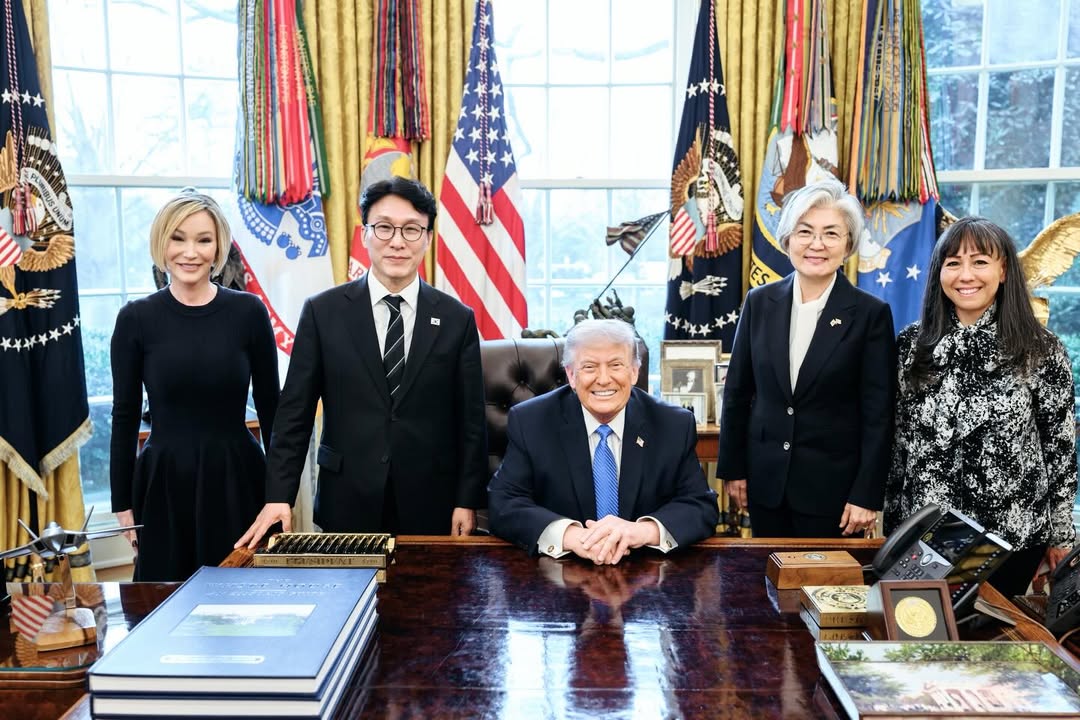
Trump's faith office is now asking about South Korea's religious detainees.
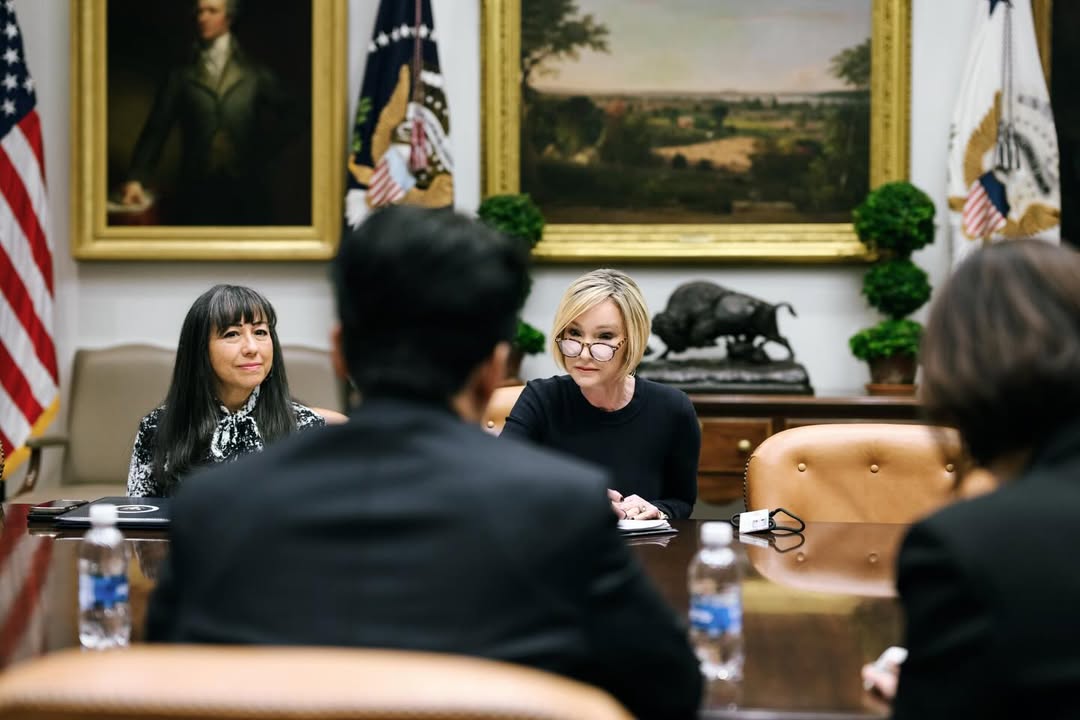
Paula White, director of the White House Office of Faith and Trump's closest spiritual advisor for over two decades, asked South Korean Prime Minister Kim Min-seok a direct question during his Washington visit last week:
"What part of Korea's election law did Pastor Son Hyun-bo and FFWPU leader Han Hak-ja actually violate?"
Kim Min-seok answered that the cases involve election law violations and political bribery — not religious activity — and would apply equally to anyone, religious or not.
But the question itself tells you something the headlines don't.
White isn't a stranger to this story.
In December 2021, she stood at an FFWPU event in South Korea and called Han Hak-ja "a jewel from God," presenting her with flowers in a personal act of honor.
Now the woman who received those flowers has been in detention since September 2025.
White arranged Kim's unplanned meeting with Trump on March 13. Their conversation with her took place in a room directly adjacent to the Oval Office.
This is not peripheral attention.
The Trump administration's engagement on Korean religious freedom has escalated through multiple channels in recent weeks:
Vice President Vance raised the cases with Kim in January
Secretary of State Rubio and Vance separately met with Pastor Son Hyun-bo's family at the White House
Son, immediately after sentencing, thanked Rubio and Vance by name
Now the question has reached the woman who sits closest to Trump on matters of faith.
Kim Min-seok ordered the government-wide crackdown on FFWPU in January 2026, calling the organization a "social evil" to be eradicated. He is now being asked by Trump's faith office to justify the prosecution of that organization's leader.
That is the position Seoul is in.
https://t.co/Cuu8eIt0et
Photos: @Paula_White
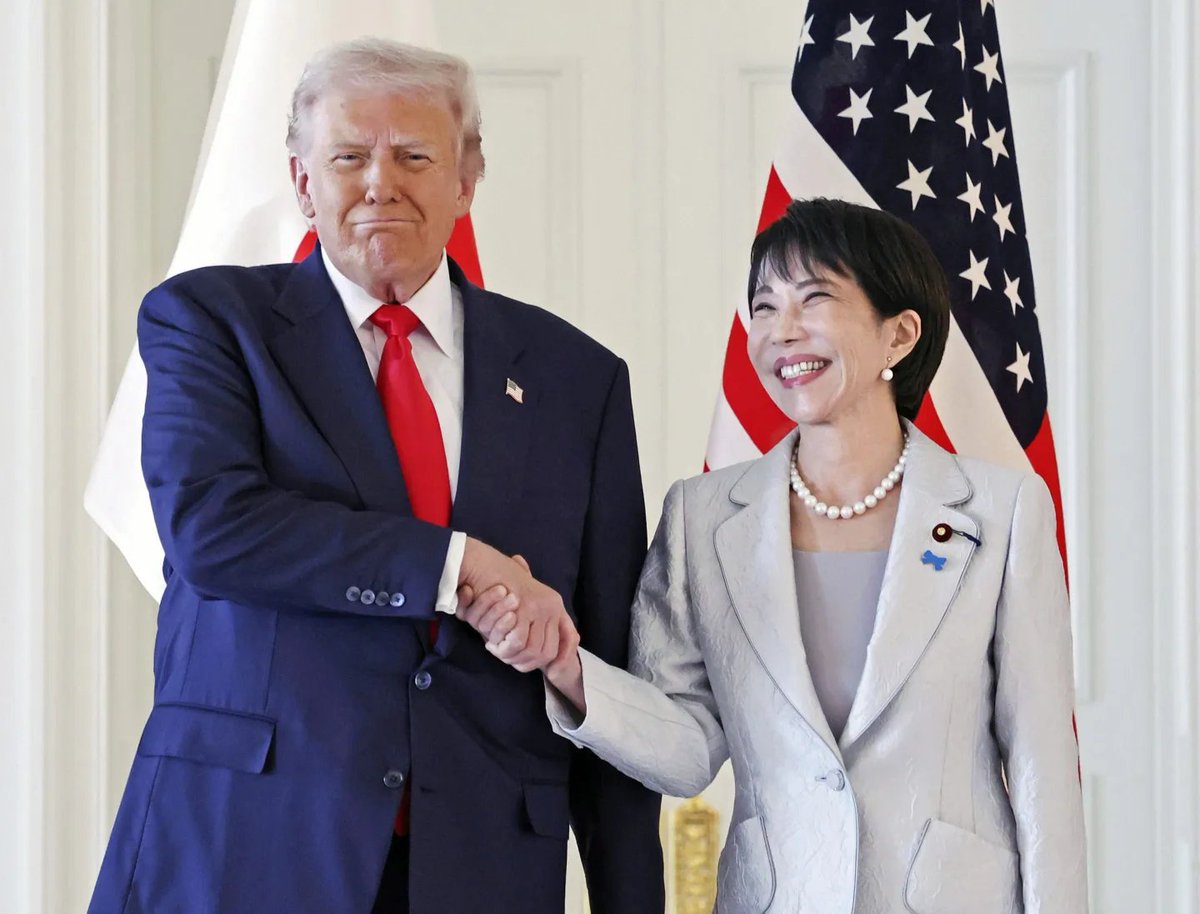
Japan's Prime Minister Sanae Takaichi meets President Trump at the White House on March 19.
It is her first visit to the United States as prime minister. It marks a new chapter in one of the world's most consequential alliances.
The official agenda is already strong: trade, defense, critical minerals, Indo-Pacific security.
There is one more item that belongs at the table.
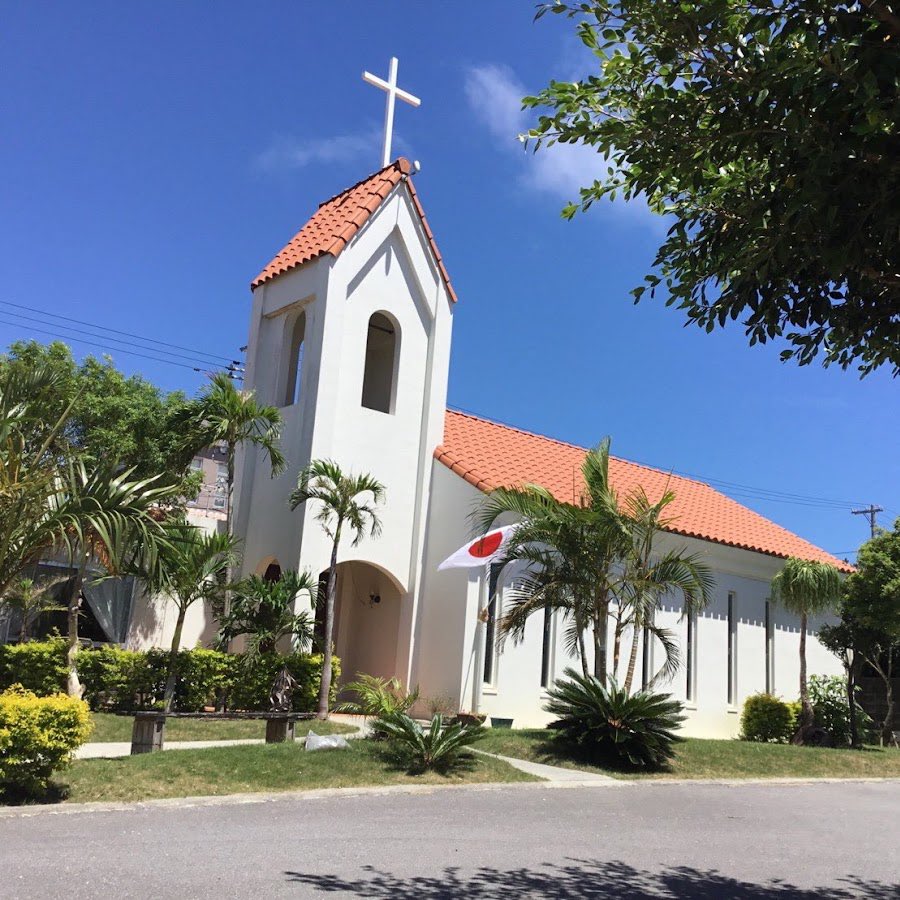
On March 4, Tokyo's appeals court upheld the dissolution of the Family Federation for World Peace and Unification (FFWPU). Liquidation of the organization's assets — including houses of worship — began the same day. The FFWPU has now appealed to Japan's Supreme Court.
This dissolution is historically unprecedented. Japan has dissolved religious organizations twice before: Aum Shinrikyo in 1995, following the Tokyo subway sarin attack, and Myokakuji in 2002, for criminal fraud. Both involved criminal convictions.
The FFWPU was never charged with a crime. This is the first time in Japanese history a religious organization has been dissolved based solely on civil law violations.
The Trump administration has made international religious freedom a cornerstone of its foreign policy agenda. Prime Minister Takaichi leads a government committed to a free and open Indo-Pacific — a vision that includes the protection of fundamental rights.
These two leaders share a platform and a moment.
Raising religious freedom concerns with an ally is not a confrontation. It is the kind of candid, trust-based exchange that strong alliances are built for.
The March 19 summit is an opportunity to demonstrate that the U.S.-Japan alliance stands not only for shared economic and security interests — but for the values that make those interests worth defending.
On March 6, Dr. Hak Ja Han left the courtroom mid-hearing, citing health concerns.
During the proceedings, her defense attorney requested, "The defendant's health condition is not good — please permit her to leave before evidence examination begins."
The court verified the escort conditions and granted the request.
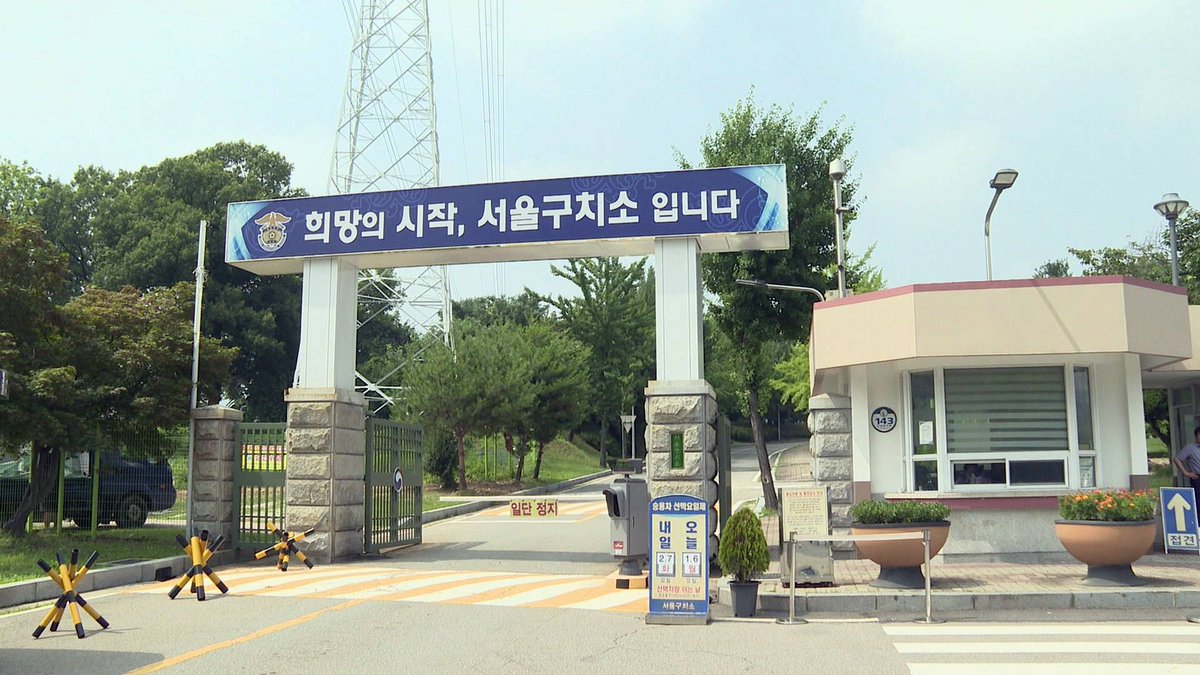
She has been in pretrial detention for more than 160 days.
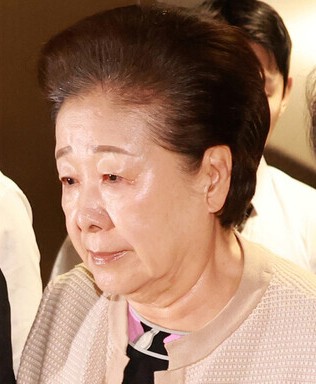
She is 83 years old.
The detention facility has not been able to meet her medical needs.
Three falls inside the facility. Pain that spread beyond what painkillers could manage. Late-stage glaucoma. A serious heart condition.
At a February hearing, her attorneys told the court the facility could not provide adequate treatment — that she would need hospitalization or a dedicated nurse.
She was temporarily released twice — for eye surgery, then for heart surgery. Both times, the court rejected requests to extend those releases and sent her back.
A bail application has been pending since mid-February. No ruling has been issued.
The question is why a facility responsible for her custody cannot provide it — and why requests to allow proper treatment keep getting denied.
Imagine your grandmother — frail, in failing health — spending more than 160 days alone in a narrow, cold, hard room.
Is that not cruel?
How can this be done to someone before any verdict has even been reached?
We pray for her health and for a decision guided by conscience.
Source: https://t.co/2uF20yrEyB
The Tokyo High Court upheld a dissolution order against the Family Federation for World Peace and Unification.
The first religious group dissolved in Japan without criminal charges. The precedent this sets matters far more than the headlines suggest.
The order takes immediate effect. The group loses its religious corporation status, its tax benefits, and enters court-supervised liquidation. Even if they appeal to the Supreme Court, the liquidation begins now.
https://t.co/0u74zlrp5g
South Korea's judicial crisis has a face. And she's 83 years old.
Dr. Hak-ja Han, the religious leader of the Family Federation, has been held in pretrial detention since September 2025.
She denies the charges. She sits in a solitary cell.
She has fallen three times in one month.
Her lawyers say she is in constant pain and that painkillers are no longer enough.
The court's justification for keeping her locked up: risk of evidence destruction.
An 83-year-old who underwent heart surgery weeks before her arrest.
She voluntarily appeared for questioning.
She cooperated with investigators for nine and a half hours.
Here is what the law actually says.
The ICCPR, which South Korea ratified, states that pretrial detention shall not be the general rule. The presumption of innocence requires the accused be treated as unconvicted.
The UN Mandela Rules require that detention conditions meet all requirements of health.
None of this is happening.
Keeping an elderly person in prolonged detention without proper medical care or humane conditions is an abnormal situation even by international human rights standards.
Now is the time for appropriate humanitarian consideration.
Before pushing through judicial reforms like expanding the number of judges, there are things that should be done first.
In fact, experts and judges have raised concerns about South Korea's bail system.
And among judges themselves, some are contemplating resignation out of a sense of powerlessness against the political pressure behind these judicial reforms.
If this is truly judicial reform for the people, then you cannot look away from the old grandmother right in front of you whose health is deteriorating.
Sources:
OHCHR - "International Covenant on Civil and Political Rights"
https://t.co/bFbV7rLYFB
Nelson Mandela Rules(PDF) https://t.co/dc2LnivvR1
The Korean Law Blog - "Detention of Criminal Suspects in Korea" (2024) - https://t.co/LWS9hpJfei
Law Times - "'Considering Resignation' and 'Powerlessness': The 'Three Reform Bills' Storm Shaking the Judiciary" (Feb 25, 2026)
https://t.co/BCODidPsbA
South Korea just passed a law that lets one president appoint 22 out of 26 Supreme Court justices.
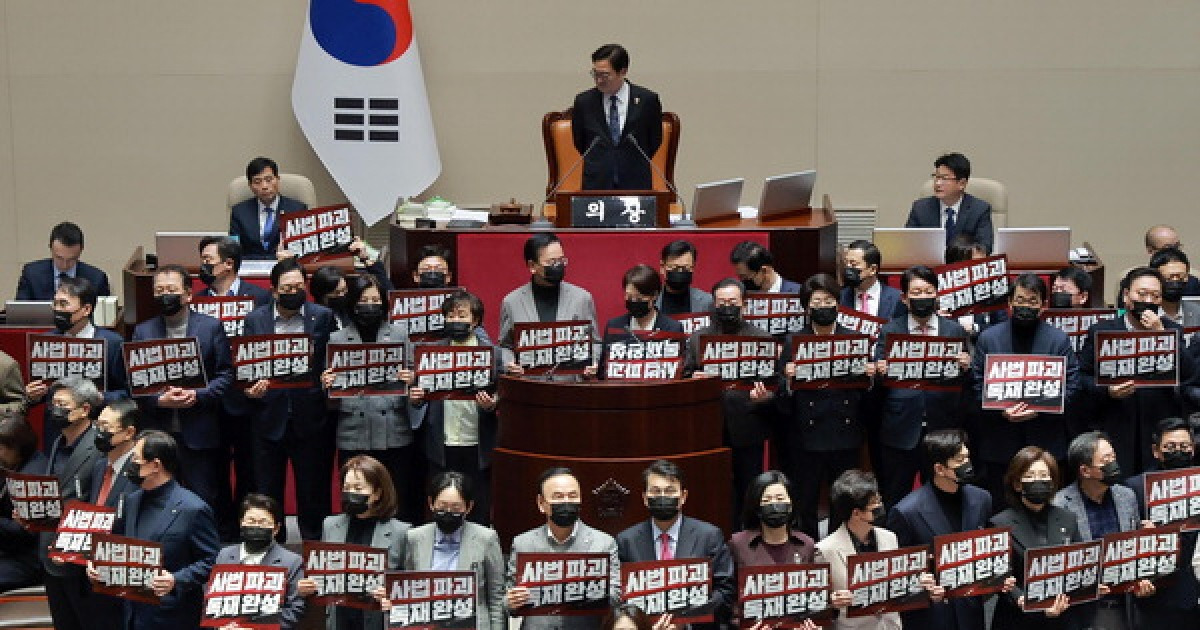
On February 28, the National Assembly voted 173-73 to nearly double the Supreme Court from 14 to 26 justices.
President Lee Jae-myung will appoint 22 of 26 justices on his watch.
This was the last of three "judicial reform" bills rammed through in one week:
・ "Legal distortion" bill: up to 10 years in prison for judges who rule the wrong way
・ Constitutional Court can now overrule finalized Supreme Court decisions
・ Supreme Court expansion: 14 to 26 justices
The opposition People Power Party lawmakers showed up wearing black masks holding signs reading "Destruction of Judiciary, Completion of Dictatorship."
District court chief judges nationwide had expressed "grave concern," warning the bills were pushed forward without sufficient public discussion.
The Venezuela parallel is exact.
In 2004, Chavez expanded his court by 12 justices.
Lee is expanding by 12.
After packing, Venezuela's court never ruled against the government again in 45,000 cases.
Lee has five suspended criminal trials.
He controls the executive and the legislature. Now he's reshaping the judiciary.
When a leader stacks the judiciary while his own cases are suspended, history has a word for https://t.co/u3DMoFXPWd's not democracy.
Sources:
The Korea Times
https://t.co/emgUPeDrBi
First Liberty Institute "Chavez Rigging Venezuela's Supreme Court Was the First Step in Destroying Democracy and Freedom" (Sept 11, 2024)
https://t.co/1TEyRTMUug
South Korea is writing a law that lets the government dissolve any church it doesn’t like.
This isn’t speculation. Bill No. 2215932 was introduced to Parliament on January 9, 2026.
Here’s what the bill actually does:
∙Lets government officials enter church buildings and inspect records without a warrant
∙Allows the state to revoke a church’s legal status if it “violates the separation of religion and state” or “harms the public interest”
∙If one pastor or director gets a prison sentence, the entire church can be dissolved
∙All seized assets go to the national treasury. Not to charities. Not to other churches. The state takes everything.
The terms “public interest” and “political involvement” are never clearly defined.
A pastor who criticizes government policy? Political involvement.
A Buddhist group opposing a development project? Public interest violation.
A Catholic bishop speaking on human rights? Both.
Even South Korea’s own Korean Christian Council warned lawmakers the bill’s criteria are “vague and overly broad” and amount to “excessive punishment” that runs counter to constitutional values.
An ECOSOC-accredited NGO has filed a formal complaint with the UN Human Rights Council, arguing the bill violates the International Covenant on Civil and Political Rights.
South Korea’s constitution guarantees religious freedom in Article 20. The separation of church and state was designed to protect churches from the government. This bill flips it into a weapon the government uses against churches.
Four UN Special Rapporteurs already criticized Japan’s dissolution of the Unification Church in 2025 for relying on the “vague concept of public welfare.” South Korea’s bill uses even vaguer language with even broader powers.
The pattern is always the same. Start with an unpopular group. Build the legal tools. Then apply them to everyone else.
This isn’t a regulation bill. It’s a dissolution toolkit that any future administration can aim at any faith community that falls out of favor.
Source: https://t.co/wXRsmLKvAC
This is so horribly cruel. There are no other words for it. From all I have ever known of the Korean culture and capacity for warmth, empathy and respect for elders, this is incomprehensible. Is this a new Korea? Is this how you treat a woman?! Where are the righteous in heart!?
#Releasethemotherofpeace
Dr. Hak Ja Han, 83, experienced a severe nosebleed on Sunday afternoon, February 22, 2026, just one day after returning to the Seoul Detention Center following the expiration of her temporary suspension of detention.
The suspension, granted on February 11 for treatment of injuries sustained from repeated falls in custody, expired on February 21 at 2 p.m. KST after the court denied her legal team's request for an extension.
On Sunday afternoon, Dr. Han suffered a severe nosebleed in the restroom of the detention facility. Because it was Sunday, the detention center's medical officer was off duty.
Her attending physician at HJ Magnolia International Hospital was contacted.
According to the physician, the bleeding was severe enough to fill a trash bin with blood-soaked tissues and was assessed as an emergency.
The Seoul Detention Center had no on-site medical officer available at the time of the incident.
This raises serious questions about the adequacy of medical care for a detainee whose health conditions have been repeatedly documented and acknowledged by the court itself.
This is a matter of a person's health. A matter of life and death.
Will South Korea's judiciary continue to keep her detained even as her condition reaches this point?
Source @DemianDunkley