Thanks to my fab READ-IT project team and all the #SLTs2b who helped make the READ-IT project such a success despite COVID hitting us bang smack in the middle! Jane Marshall @JayneLindsay16 Morganie Naidoo @MadelineCruice@stephwilsoncity
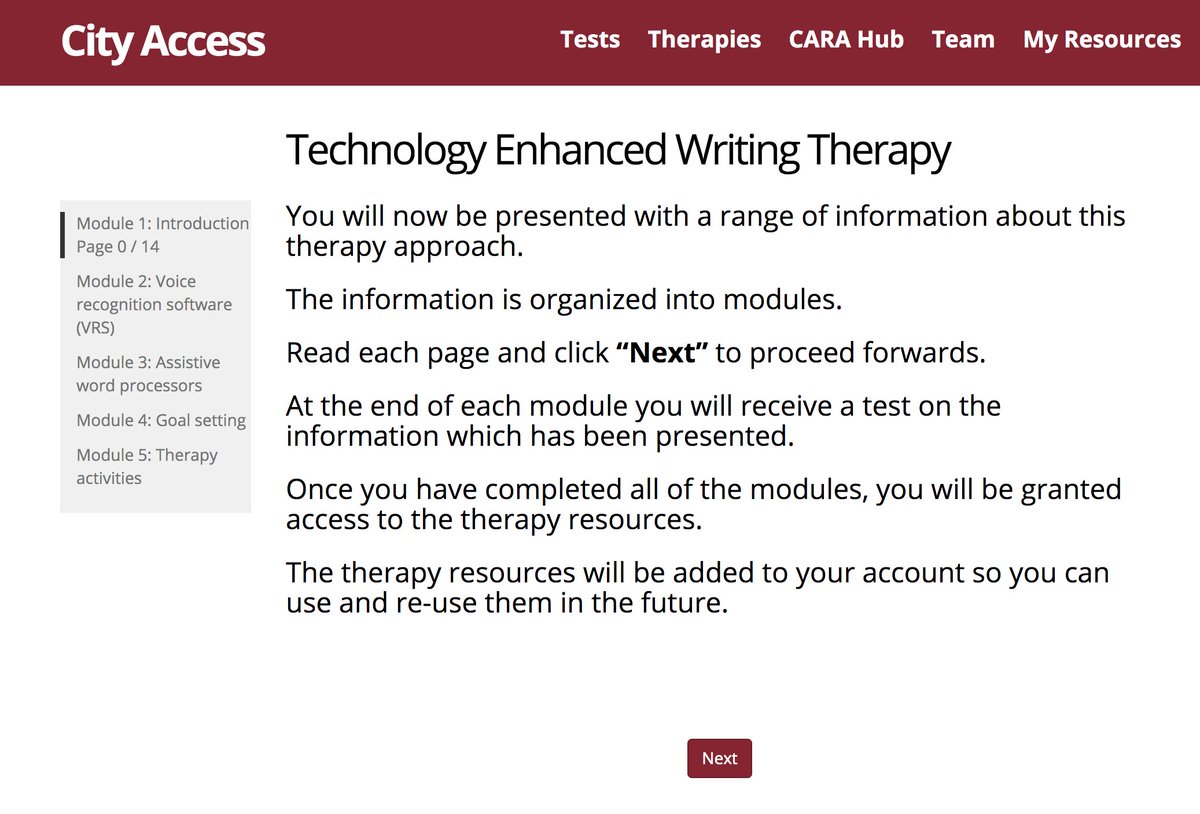
Excited to share our @Communi_CATE assistive tech aphasia writing therapy resources with the world! Developed by the fab team @CityLCS CommuniCATE Aphasia Clinic. https://t.co/a5P28PfLOQ
@ReSNetSLT We ran a dissemination event for people with aphasia and families at end of @Communi_CATE research project. Shared our findings and gave chance for hands-on demos/trials of the tech. Sparked lots of discussions and worked really well.
@slt_fi Our emailing task OM is timed so taps into this. Sometimes find trade-offs between speed, accuracy and amount written but using voice recognition accuracy and amount written often improves as well as speed.
@PaulCon29684532 So true! We have mainly moved away from using special software in @Communi_CATE as mainstream devices are now so good for accessibility, and socially acceptable to use
@ReSNetSLT We developed an emailing task as an outcome measure in our research, is very close to everyday writing and good for showing change post-therapy
@PaulCon29684532 @ReSNetSLT@Communi_CATE Agreed, for some people our therapy goals are exactly that. Assistive tech makes it possible for many ppl, even with severe aphasia
@AphasiaResearch it's great to hear lots of people tweeting about the technology assisted writing session at #asaqld2018 and mentioning our writing tool DocsPlus! We would love to find out a bit more about how you used it if you have a copy of the presentation/research findings?