Extremely disappointed with @atomberg_tech@BlueDart_
My parcel (Way bill: 76903496114) has been out for delivery 3 times no one calls & it's falsely marked as "Consignee not available". Please resolve this immediately
@BlueDartCares
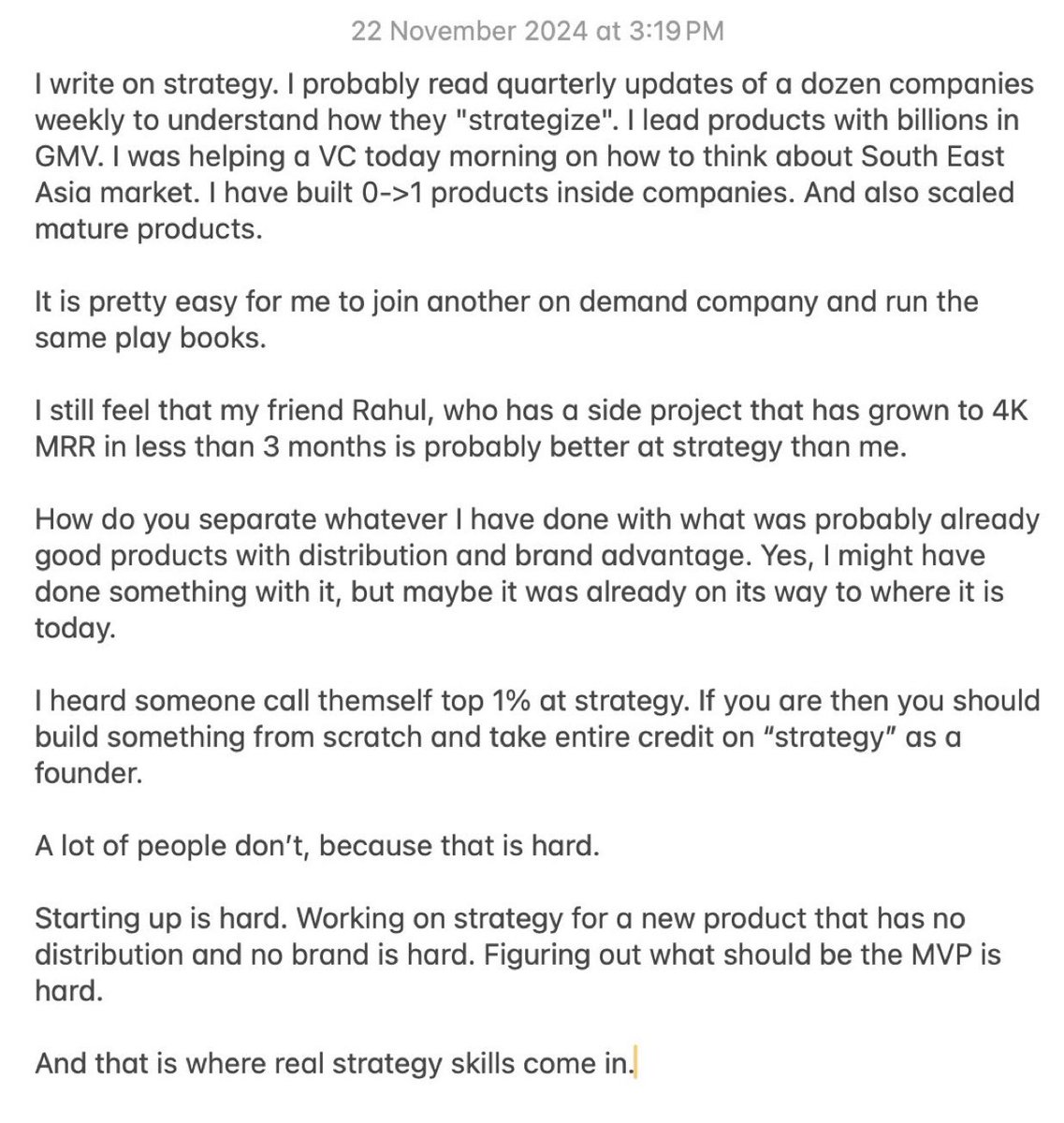
This post by @manasjsaloi (added as ss as it will get deleted) reminds me of a constant question I get while fundraising for @TravelOnArrival:
“Why would an OTA work with us when they are tech companies themselves?”
The answer is more psychological than rooted in details.
Most of these companies excel in only one or, at most, two products, which contribute to 80% of their revenue. They might have a 3rd, 4th, or 5th product, but these are rarely up to the mark. For many, the star vertical is flights. However, flights as a product are steadily moving towards zero commission. In India, Indigo already pays commissions that are lower than what payment gateways charge for processing transactions.
In the Indian market, MMT, Cleartrip, and EMT are flight-heavy, while Yatra leads in hotels, and Ixigo dominates in trains. Apart from MMT, most players will likely double down on other verticals over the next few years.
But here’s the catch: most strategic efforts and resources are poured into the top-performing verticals, leaving the rest as afterthoughts. This phenomenon ties closely to the “Matthew Effect.” Originally coined in education, it describes how early advantages compound over time, benefiting high performers while the rest lag behind. This creates a widening gap, where the “additional verticals” struggle and are often abandoned due to lack of focus and resources.
In such an environment, no one wants to lead these secondary verticals—they feel like a recipe for failure. Even when someone takes the challenge, they rarely receive the resources needed to execute their vision, leading to subpar outcomes and eventual exits. Over time, this compounds, and companies remain dependent on their 1-2 star products.
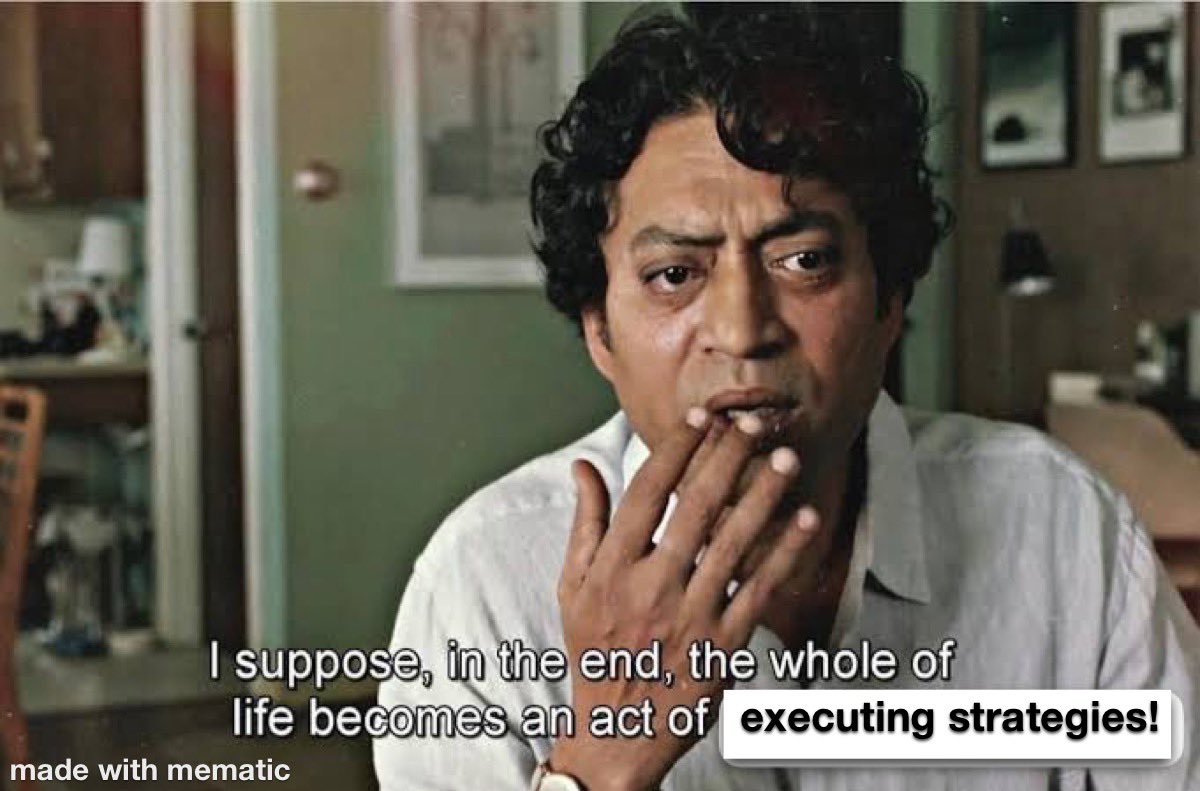
In travel, most strategies revolve around two key areas: supply and platform. If supply is a commodity, the platform has to be exceptional, and vice versa. If execution eats strategy for breakfast, building a platforms in travel is a significant large execution challenge, strategy alone doesn’t cut it. Most existing players had decades to execute & built their moats around these supply side integrations in select verticals while at the same time building demand.
The CEO of @yanolja_kr once told me during a @skift conference in Dubai:
“For a great B2C product to exist, an equally great B2B product is necessary.”
We’ve already seen platform play out in fintech. Many modern fintech innovations wouldn’t exist without enablers like M2P, HyperFace, Razorpay, and others.
At @TravelOnArrival, we’re working to be that enabler for travel. Our goal is to empower everyone—existing players and new entrants—to execute their long-term strategies, even in areas they’ve previously struggled with.
Because not everyone “gets it,” but we do.
https://t.co/7Jpu3x0I9u
How do you know when it's time to let go of hope, especially when you've been holding onto it for so long for something you deeply need, but it just doesn't seem to be happening?
#Hope