xUcCttk6AuxPSRzPsHGjKp2LGUeg8ySD2tMT97fpump
https://t.co/lXSeqLcexF
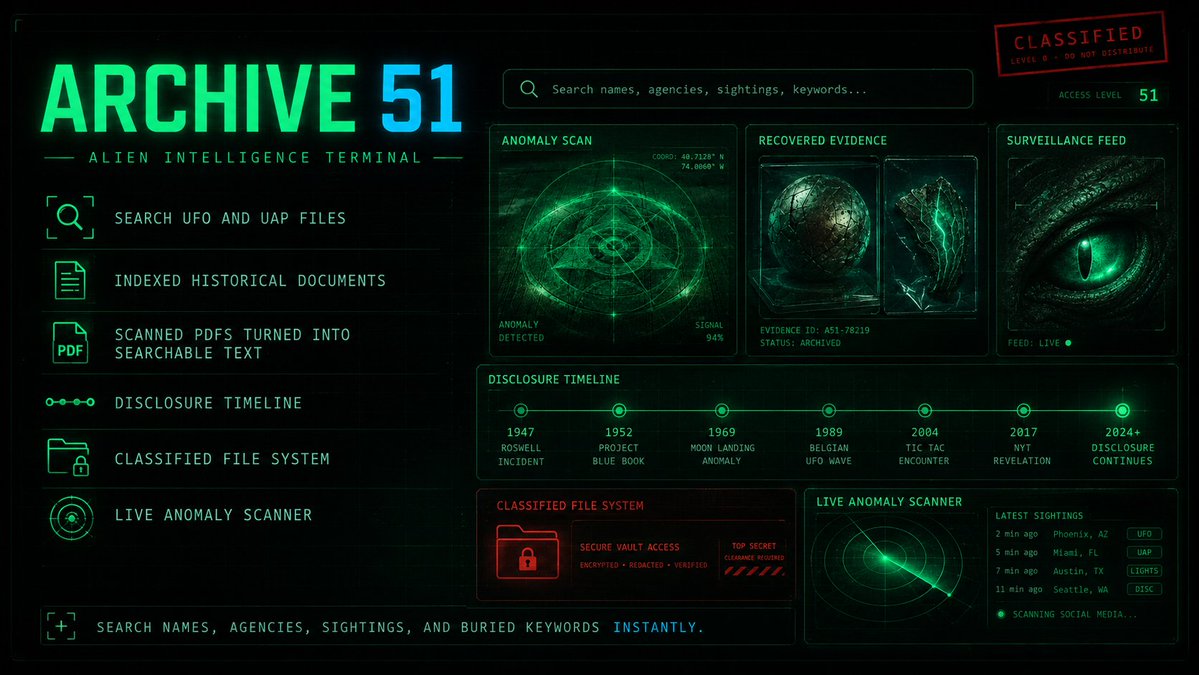
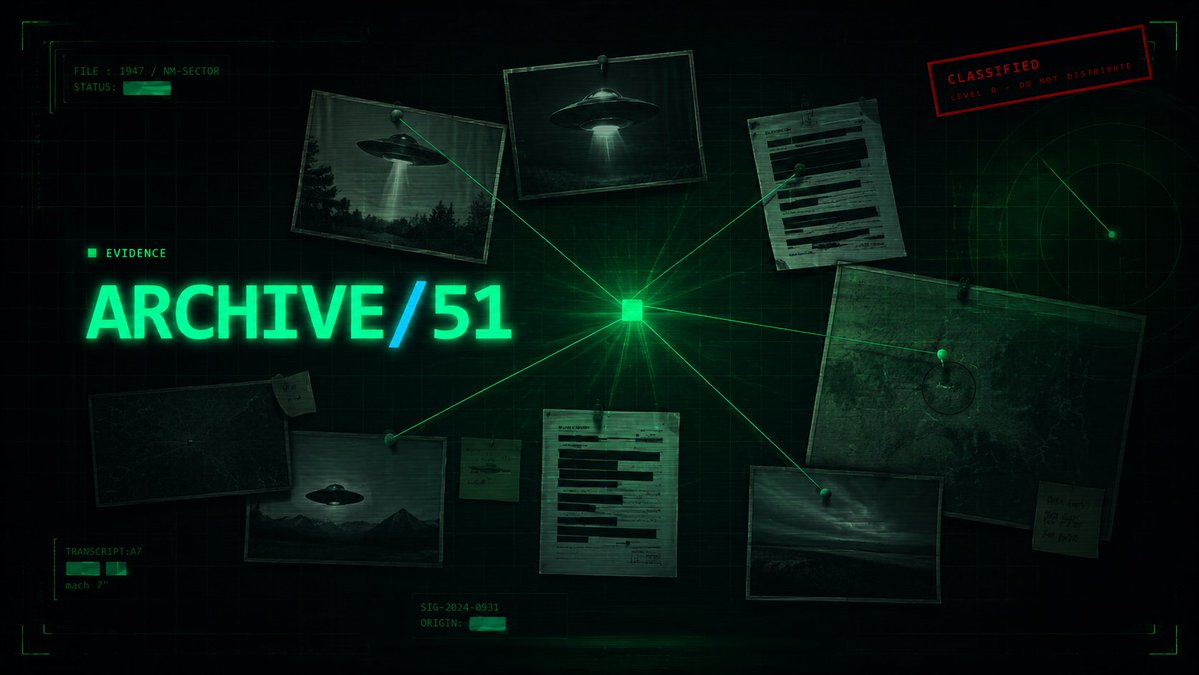
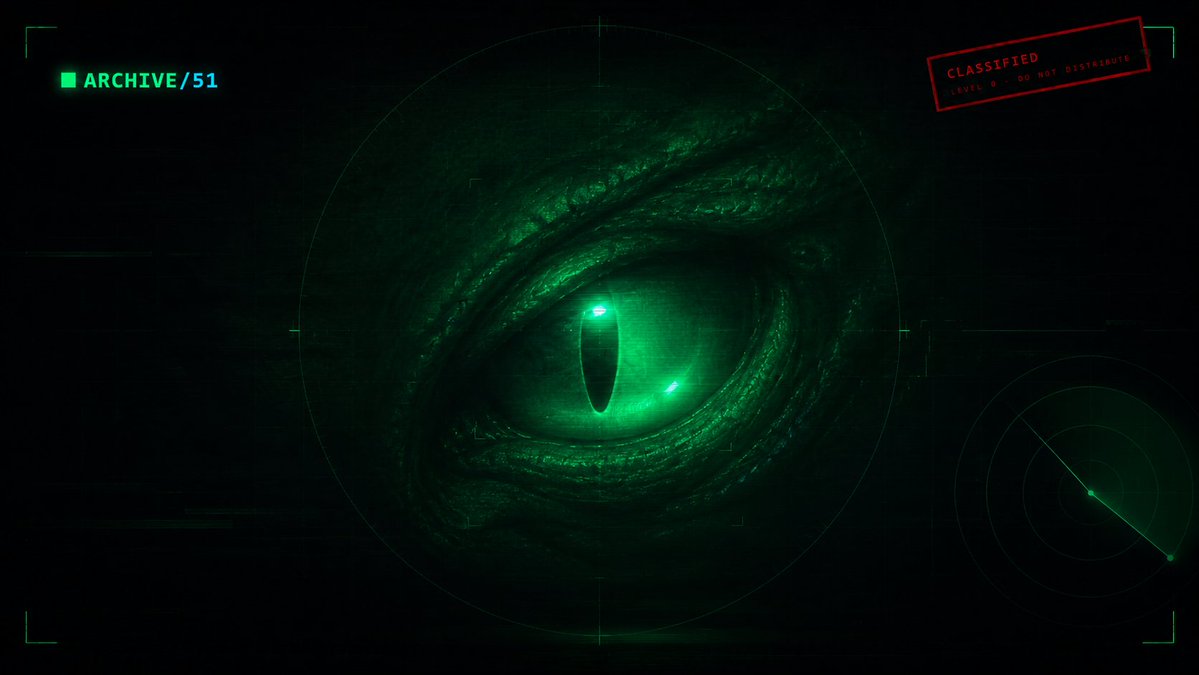
Archive 51 is an alien intelligence terminal that brings searchable UFO and UAP files, historical documents, and a live anomaly scanner into one interface.
All project fees are being directed toward @SETIInstitute and @exploreplanets, nonprofit organizations dedicated to space science, planetary exploration, and the search for extraterrestrial intelligence.
We indexed the newly released document set alongside past releases, turning scanned PDFs into searchable text so users can quickly find keywords, names, agencies, sightings, and topics that were buried inside image-based files from the releases today.
They did not call it a UFO right away. At first it was just “a contact” on radar.
Then it became a target.
Then an object with no clear origin.
That is the part I always find interesting, that the language changes slowly, one report at a time, until you can almost see people trying to describe something they do not fully understand.
Just pushed 3 major Archive 51 updates.
1. AI Document Summaries
Every PDF now gets instant summaries, key names, agencies, locations, dates, and important claims.
2. Entity Search
Search any person, agency, location, project, or sighting and see every connected file.
3. Document Relationship Map
A visual graph now shows how documents, agencies, keywords, sightings, and locations connect.
Building an intelligence map for the unknown.
Archive51 is becoming less of a document dump and more of a research tool.
The goal is not just to store files.
It is to make connections between sightings, names, dates, locations, and patterns that people would normally miss.
That is where things start getting interesting.
The thing that gets me about a lot of these UFO files is how casual some of them sound. Nobody is writing like they are in a movie. It is usually just pilots, radar operators, or officials trying to describe something they genuinely could not explain.
That almost makes it stranger.
The desert has always been perfect for secrets.
No witnesses.
No skyline.
No sound except wind and static.
If something came down out there, the world would only know what they decided to tell it.
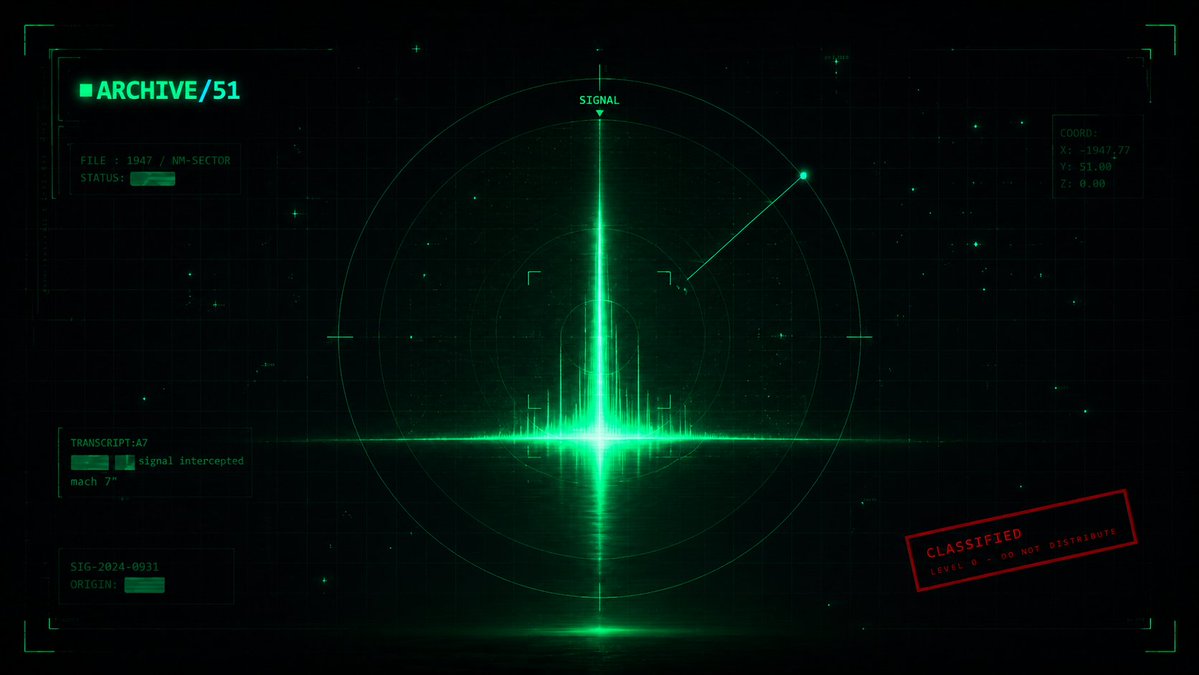
Coordinates were logged.
Signal strength was measured.
Resolution was confirmed.
Then the file went quiet.
When the data is that specific and the explanation is that vague, something is being protected.
Projects like Archive51 only work because there are people and organizations out there doing the real research.
Groups like @SETIInstitute spend their time listening for patterns, signals, and evidence that might point to intelligent life beyond Earth.
Organizations like @exploreplanets help push planetary science and space exploration forward so we can better understand what is actually out there.
That matters to us.
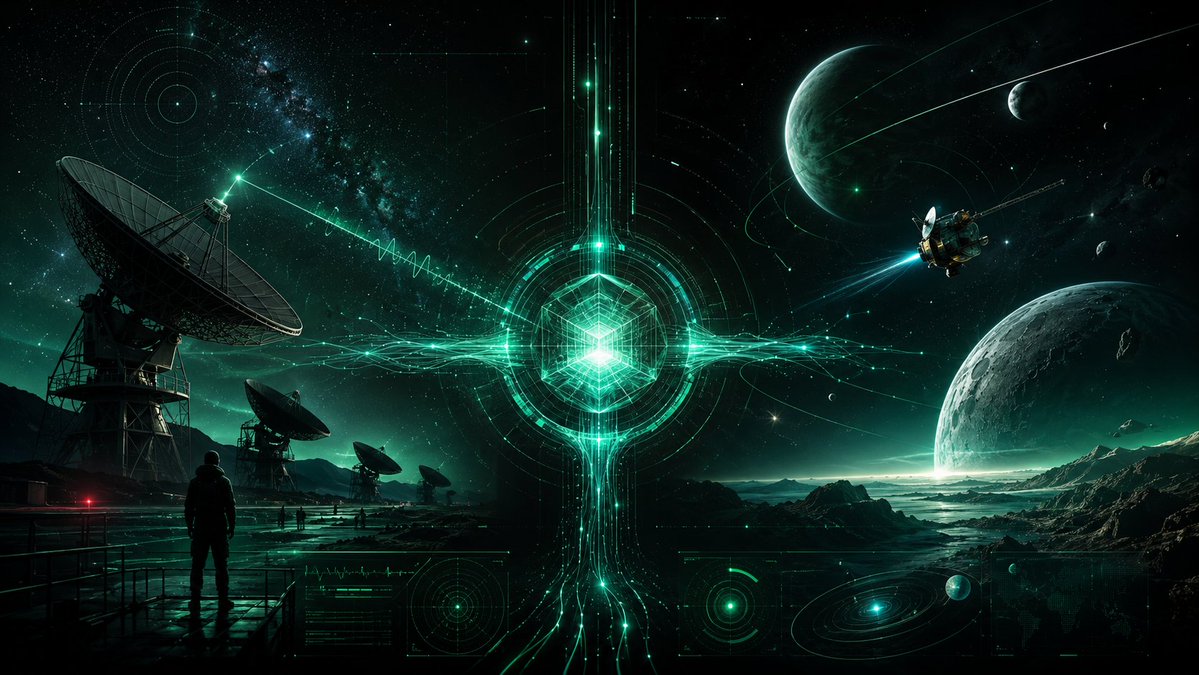
The more humanity explores, scans, maps, studies, and searches the universe, the more pieces of the story become available to preserve inside the archive.
Every discovery creates more context.
Every signal creates new questions.
Every mission expands the map a little further.
Archive51 exists to organize and preserve that growing story.
This is exactly why projects like Archive51 matter.
The most interesting discoveries usually start as something that does not fit the model yet.
Little red dots, strange signals, unexplained objects, old UAP files, buried reports… different lanes, same idea.
Preserve the data. Make it searchable. Let people follow the anomalies.
In the summer of 2022, the James Webb Space Telescope (JWST) captured images of peculiar, compact objects that defied existing cosmological simulations. Known as little red dots, these entities appear as tiny, point-like shapes with a distinct reddish hue in deep-field observations. While they appear small to the eye, they represent a significant challenge to our understanding of the early universe.
The SETI Institute recently hosted a conversation with the Deputy Director of the Carl Sagan Center for Research, Dr. Simon Steel, and ICRANet researchers Dr. Remo Ruffini and Dr. Yu Wang to discuss their research on these objects.
Learn more: https://t.co/jLj2RrLYxl
A sighting is easy for people to write off.
They can say the photo was too blurry.
They can say the witness got it wrong.
They can turn the whole thing into a joke and move on.
But a signal is different.
When the same pattern keeps repeating, it starts to feel less like random noise and more like something trying to get through.
@SETIInstitute and @exploreplanets help us make a clear signal heard through the noise. Help us help them!
Working on pushing an update right now!
1. AI Document Summaries
Every PDF gets instant summaries, key names, agencies, locations, dates, and important claims.
2. Entity Search
Search any person, agency, location, project, or sighting and see every connected file.
3. Document Relationship Map
A visual graph showing how documents, agencies, keywords, sightings, and locations connect.
Some doors exist to keep people out.
Others exist to keep history in.
The deeper the hallway goes, the less it feels like storage and the more it feels like containment.
ARCHIVE/51
They can laugh at the stories.
They can bury the witnesses.
They can flood the timeline with jokes until nobody knows what to believe...
But we all know the actual evidence does not care what people are ready for.
The official story was always too small.
Too simple.
Too rehearsed.
Too convenient.
Somewhere behind concrete, steel, and redacted language, the real version is still sitting under lights.
We can help to unfold the mystery!
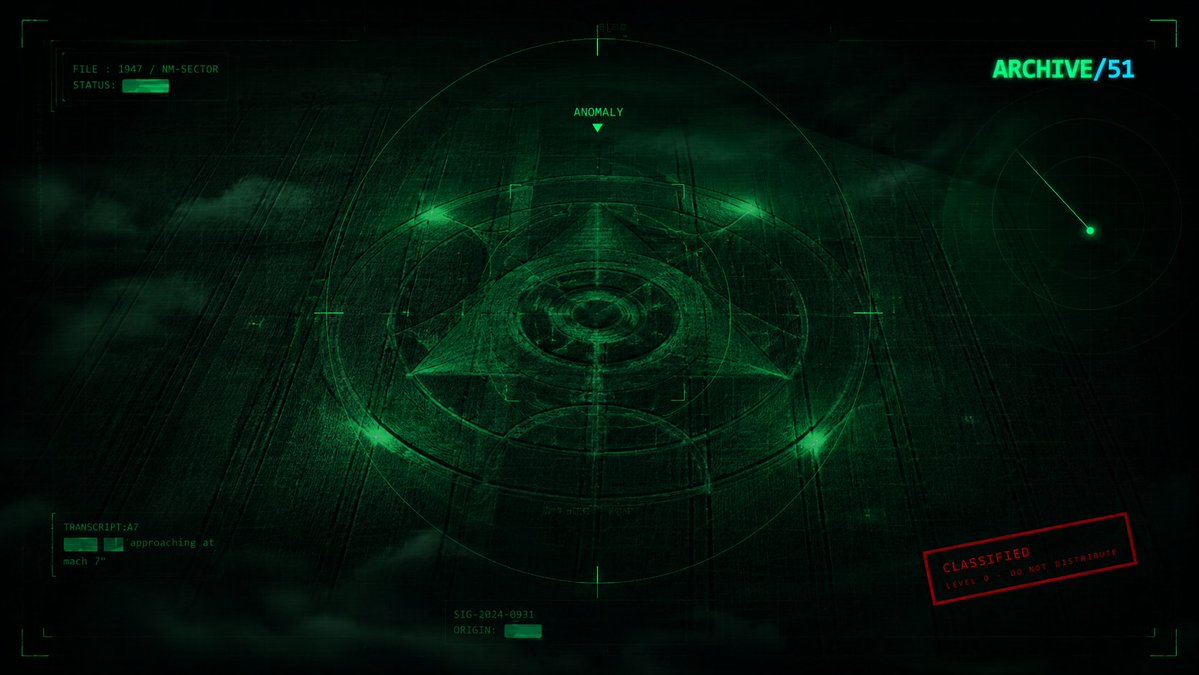
Most people saw a pattern in a field.
The archive saw geometry, precision, and a signal hidden in plain sight.
When something appears overnight and nobody can explain how it was made, it stops being a prank and starts becoming evidence.
@SETIInstitute and @exploreplanets help us to find that evidence!
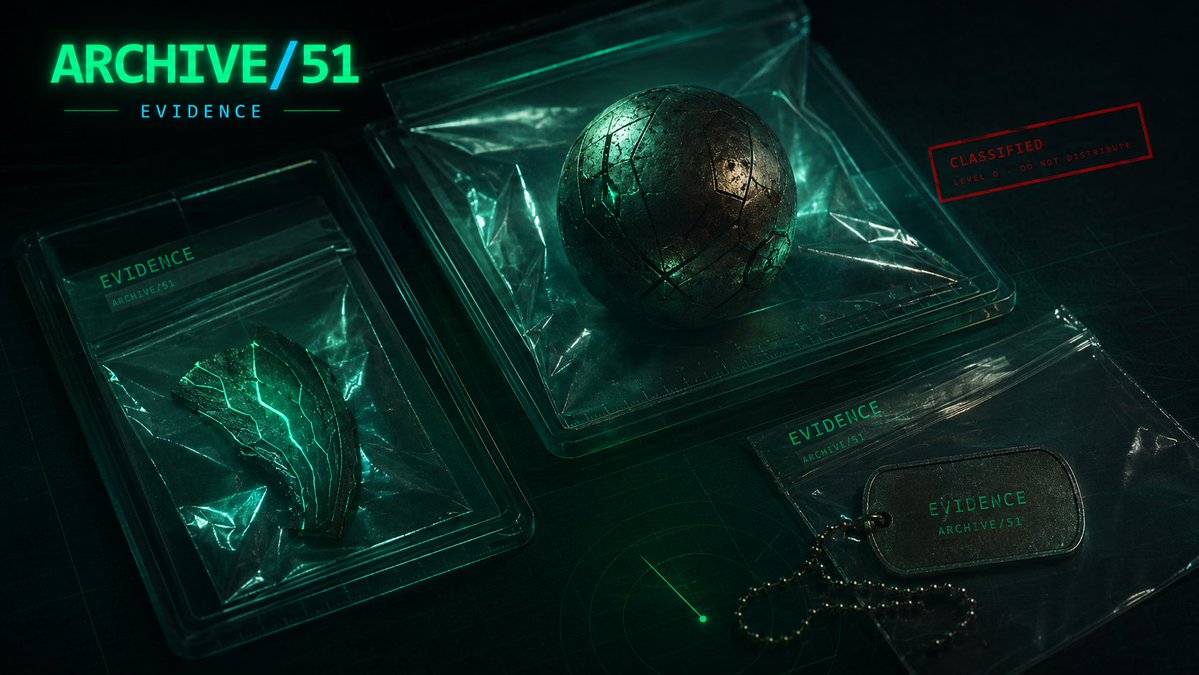
Photos can be doubted.
Witnesses can be ignored. But the recovered material is harder to laugh off. With sealed fragments, unknown composition, and objects stored away from the public usually mean one thing.
Somebody already knows this is real.
Archive51 was built to make the unknown searchable.
Every file we index, every signal we track, and every encounter we preserve is part of a bigger mission.
That is why project fees are being directed toward @SETIInstitute and @exploreplanets, two organizations helping push humanity closer to understanding space, planetary exploration, and the search for life beyond Earth.
This project is about more than an archive.
It is about supporting the people actually looking.
The frightening part is not just that something was observed.
It is the feeling that it was observing back.
Not every file in the archive is about what we found.
Some are about what found us first.
The goal is to build the best alien data and encounter archive on the internet.
Every file matters.
Every signal matters.
Every witness matters.
Every discovery adds to the story.
That is what we are building with Archive 51.