Advancing strategies to protect key Arctic areas, developing best practices for industrial activities, and fostering local stewardship of wildlife and habitats
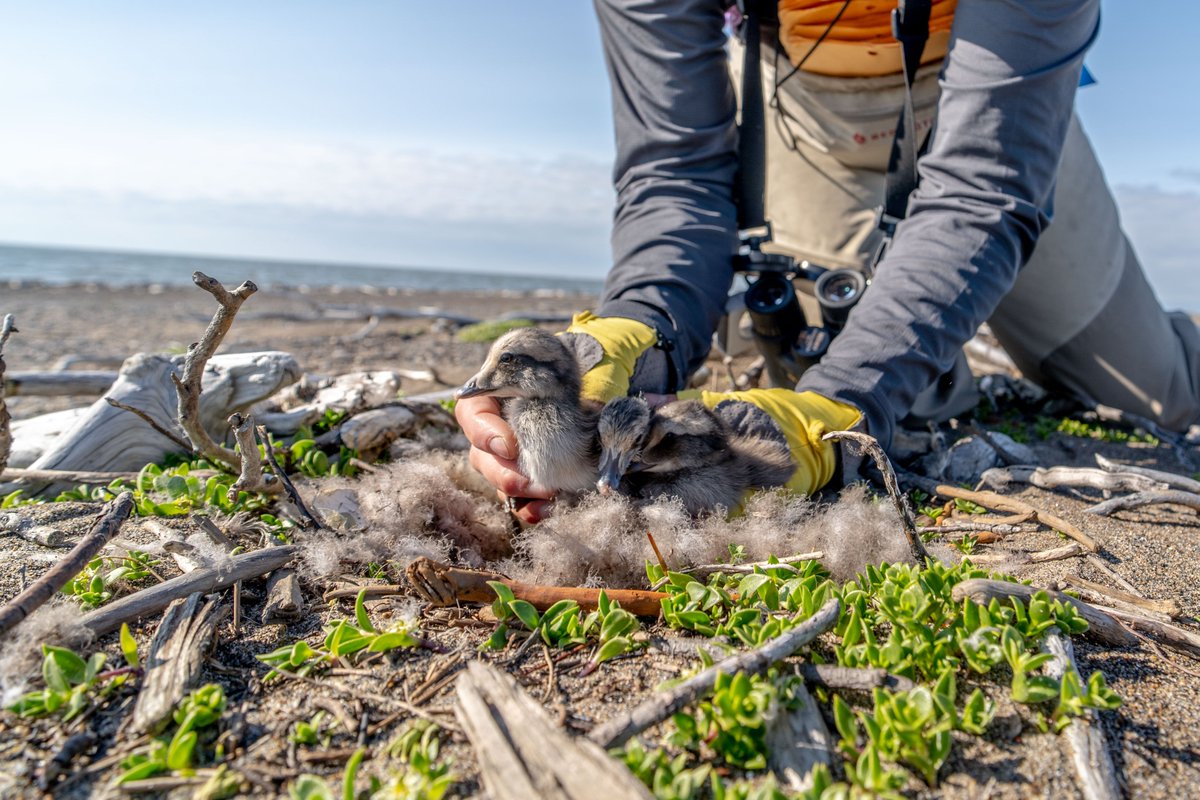
About 10 years ago, @ArcticWCS convened a group of Alaskan avian research experts from agencies and academia to identify the most vulnerable bird species to #climatechange on the Arctic coast. Common eiders were No. 1 and we have focused our work there on them.
Now, this photo by WCS's Kayla Shively from that project was honored by @NPRBscience with a 2024 NPRB Photography Award. https://t.co/4PTAvlLWrI
What to do about one of America’s last wild places - "this interconnected landscape needs to remain intact" says WCS Regional Director Dr. Martin Robards https://t.co/qWt1x9LJ3e @TheWCS
Dr. Michelle Johannsen and Maya Homsy King (@ArcticWCS) are working closely with local partners to understand what a OneHealth surveillance network looks like from the ground up. Photo: Michelle and Dale Brower in Utqiaġvik
NEWS: @NSF announced funding for early detection and prevention of potential pandemics. WCS's Sarah Olson is co-principal investigator for NSF ESCAPE—working with WCS Indonesia and @ArcticWCS, focusing on environmental surveillance and the timely detection of emergent pathogens.
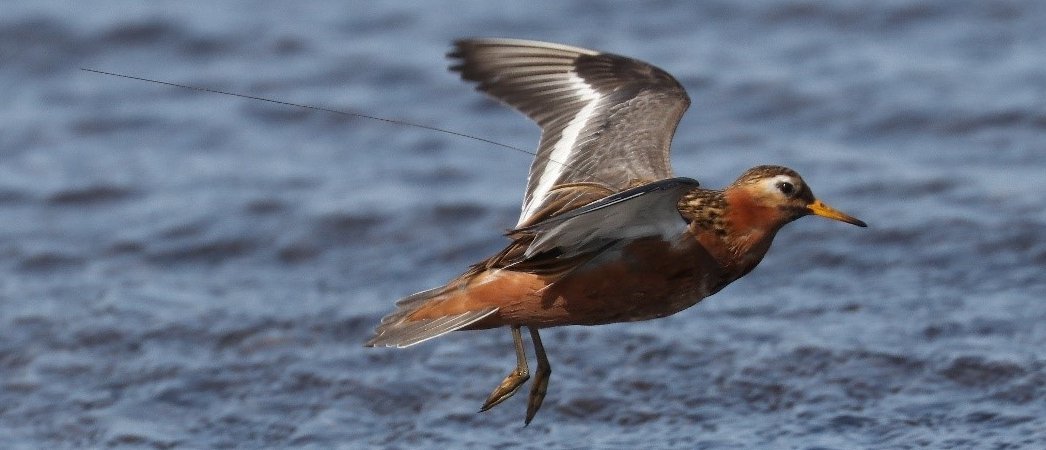
Happy to see work we're supporting in the field and as co-authors being highlighted on the Argos site. Learning about migration and behaviors of Red phalaropes - a species that blurs the lines between shorebird and seabird:
https://t.co/QeSKWu6Ih8 @TheWCS
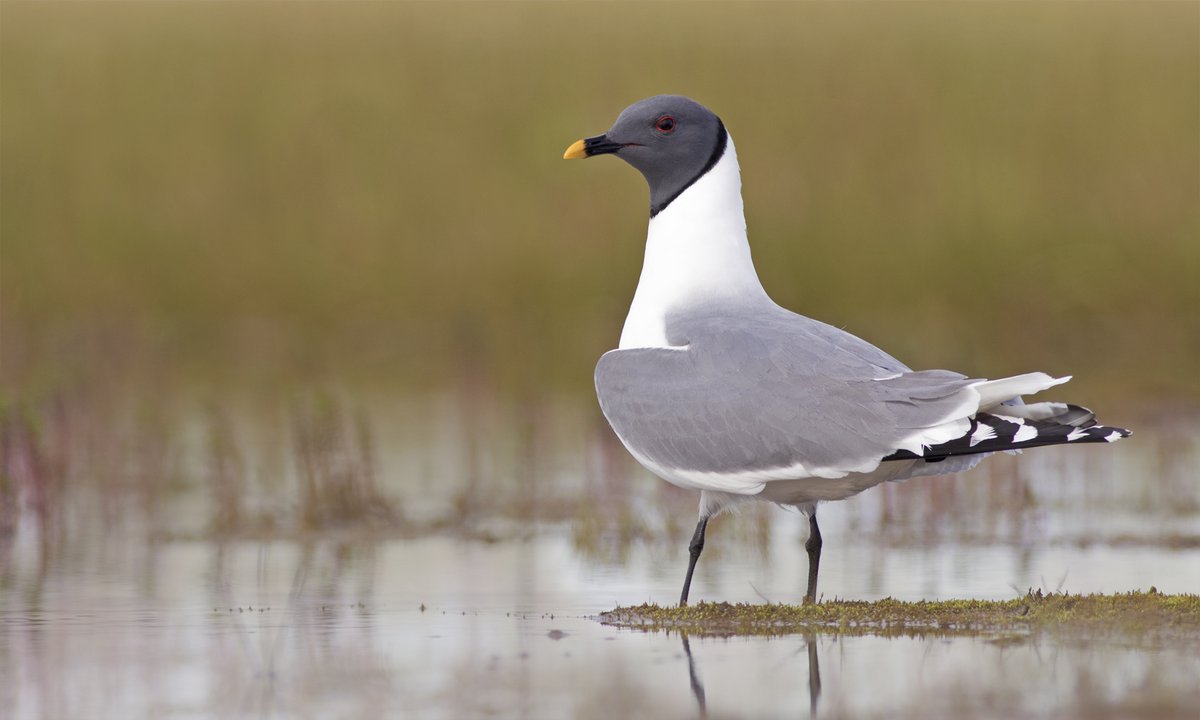
New paper on the migratory movements of Sabine's gulls breeding in Arctic Alaska. Emphasizes need for marine protections in key staging & wintering areas such as Juan de Fuca Eddy and off Peru. @thewcs@PacificSeabirds@audubonsociety. https://t.co/PrhRSSxSuC
Tomorrow is #WorldMigratoryBirdDay. Each year, birds from 200+ species like these arrive in the Arctic to breed.
Migratory birds are facing vast pressures: climate change, industrial development, hunting, and more. At WCS, we work in 3 of the 4 major global flyways to help.
Excited to see our work help the new BBC series "Mammals" showcase some of the amazing life of a wolverine. We've worked for almost a decade to help ensure the conservation of this species. @Toolik@TheWCS @JonathanSlaght https://t.co/kQKjPiLnVo
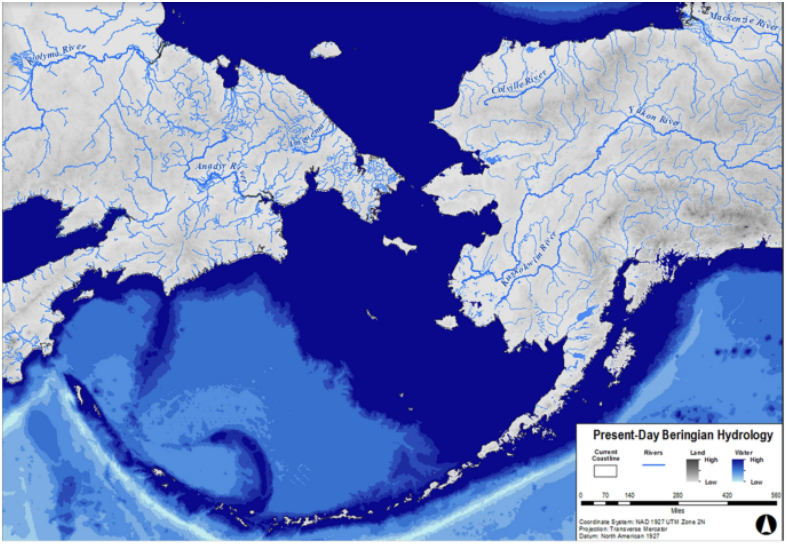
Interested in connections between freshwater fish across Beringia - read the new @ArcticWCS-led review with partners across the region and supported by @AlaskaNPS and Trust for Mutual Understanding. @TheWCS @FishOn_FishOff. https://t.co/WE54Amv9WQ
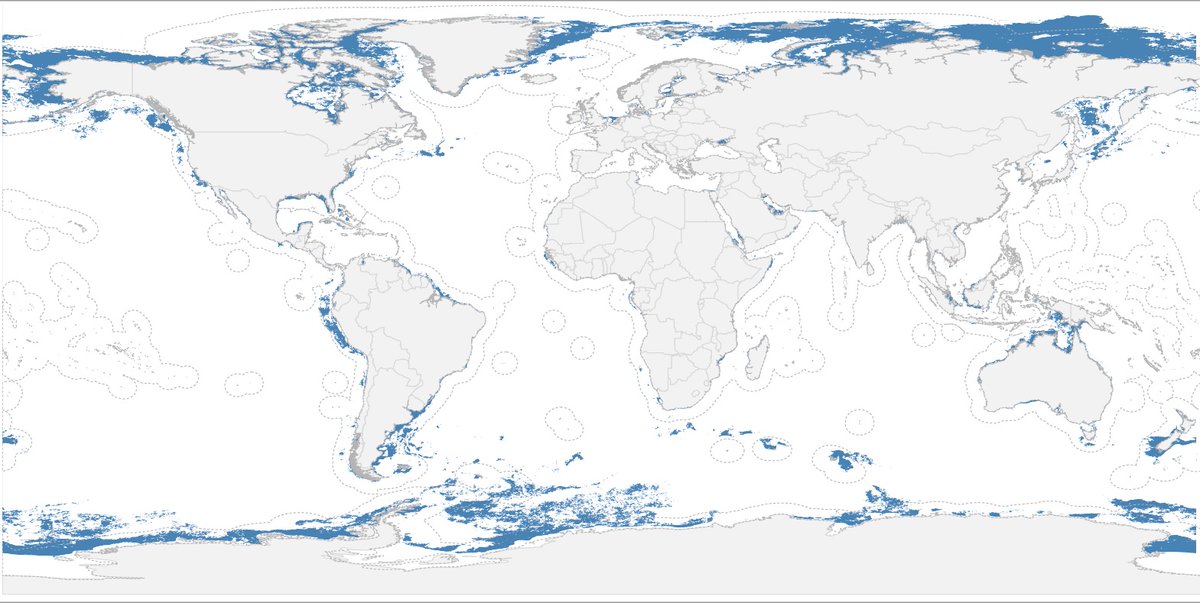
Highly productive marine areas are essential to future conservation efforts that can help achieve #30x30, new paper co-authored by WCS says.
Over 18M km2 of highly productive waters with low human impact exist and most lack legal protections. https://t.co/P9yaDipMqR
1/3 Today marks the end (and beginning) of the most exciting thing I have helped build so far! 🚀 The Arctic Permafrost Atlas. 🗺 📖 🤩 It is free, running around in the wild, and ready to be downloaded, read, and shared!
Check it out 👀 -> https://t.co/6UB86OC6Wb
We commend @POTUS for taking steps to protect ANWR and more than 13M acres in the NPR in Alaska. Our scientific surveys since the 1950s have shown importance of protecting this vast and beautiful landscape for people and wildlife. https://t.co/S937xBzFUf #30x30#ProtectTheArctic
This is simply the right thing to do at this time. 👏🏻👏🏻👏🏻👏🏻 We must protect nature - especially where it is most at risk! We @TheWCS are working to conserve this fragile ecosystem.
https://t.co/c9uXoGz30q