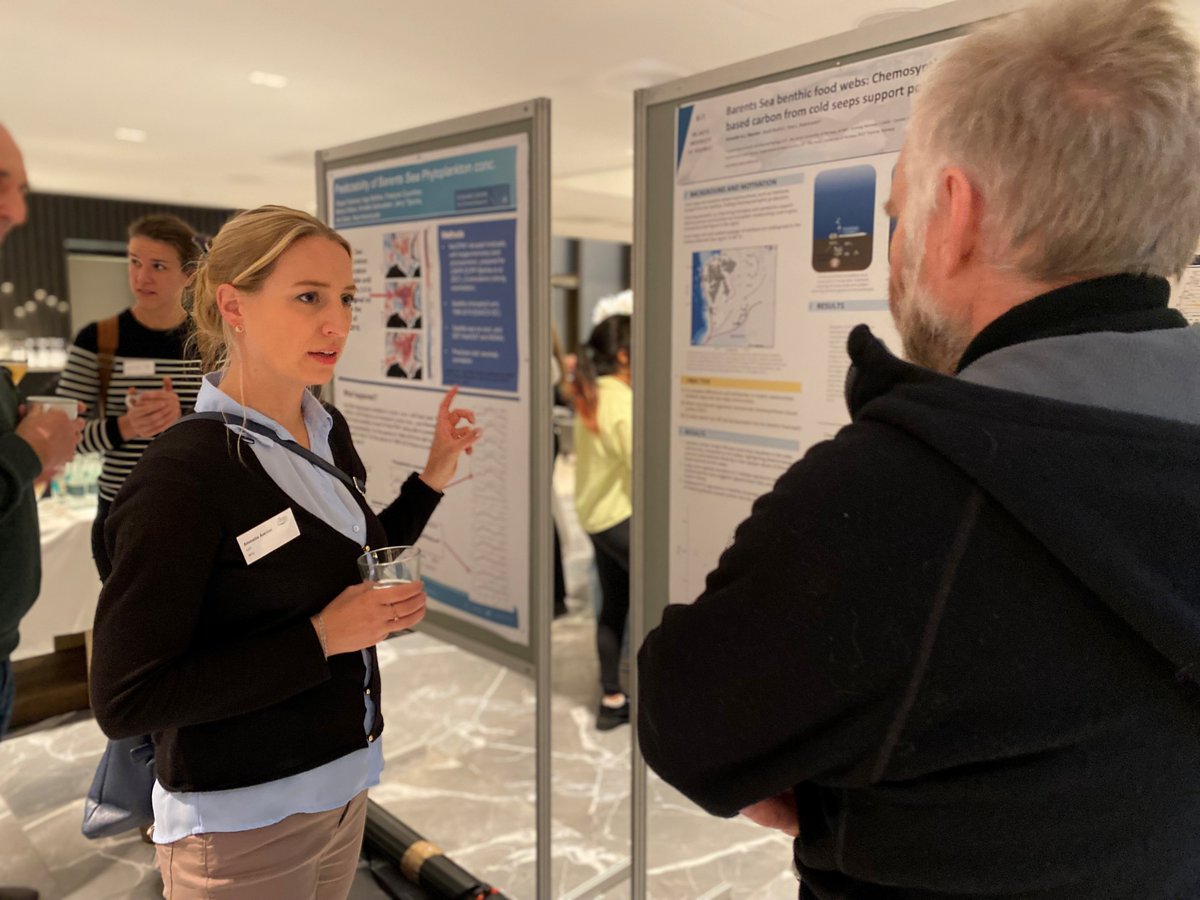
#Arctic Cold seeps: #chemosynthetic influence on marine food webs in the Barents Sea. A scientific project supported by VISTA via UiT, @uitromso Norway.
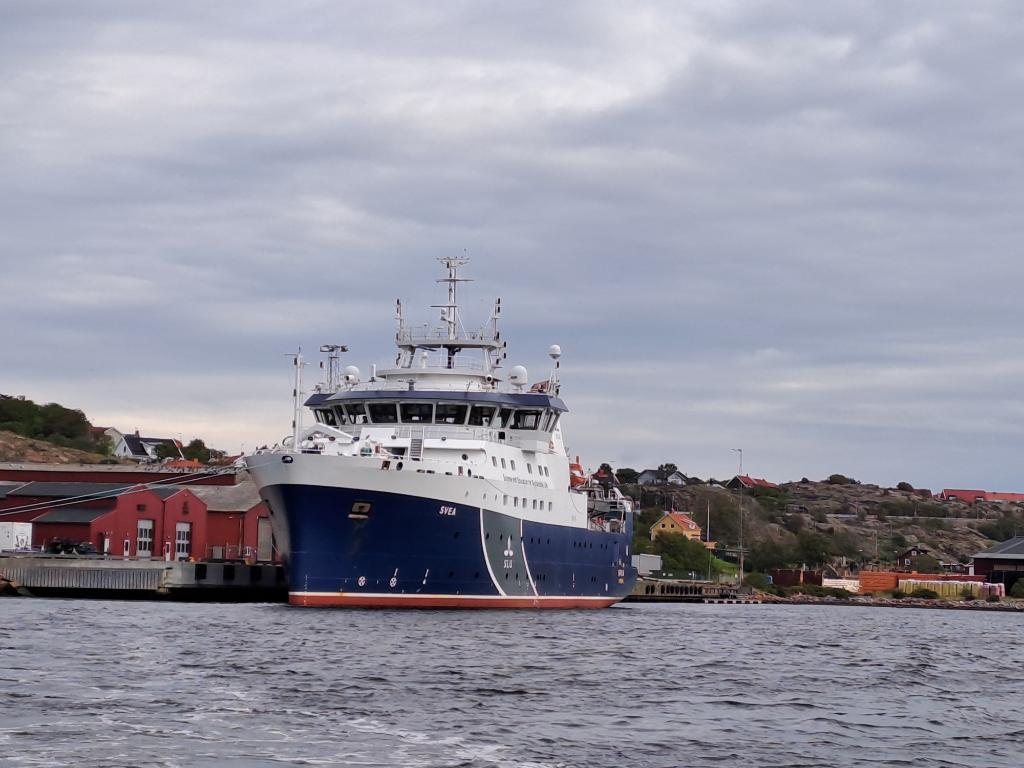
Bottom surveys with @rv_svea_slu in Kattegatt. We record video footage of habitats in trawl impacted vs. newly established marine protected areas @SLU_aqua #marinescience#megafauna#benthos 🦀🐚🪸
Study: Methane emissions in Arctic diversify the diets of marine ecosystems living in productive shallow-marine areas @frontiersin https://t.co/lKgUgcTZgX https://t.co/65gNu4l9ww
Summary of #Arctic cold seeps & benthic foodwebs in nynorsk🇳🇴. Animals at the bottom of the #Barents Sea can sometimes use carbon/food derived from #methane seepage to a quite large extent🦀🌊. And there are differences in the use between shallow productive shelves & deeper ones
Large #methane plumes over Scandinavia after #nordstream leak.
Rekordhøye metan-nivåer over Skandinavia etter eksplosjoner i gassrørledninger https://t.co/QgSelg0d7N
New Research: Chemosynthetic and photosynthetic trophic support from cold seeps in Arctic benthic communities: Benthic communities below the photic zone are largely reliant on the export of surface-water primary production and the flux of… https://t.co/Bwmm2W0Kll #MarineScience
Great time catching up with fellow colleagues and #Arctic researchers in #Sommarøy at the @ARCTOSnetwork annual meeting. Updates from past 2 years, ongoing #polar work and planning of exciting cruises and projects ahead.
After over 2 years of pandemic, @arctosnetwork is finally meeting again for the annual meeting in beautiful Sommarøy @sommaroyarctic for networking, presentations and science discussions @ Sommarøy Arctic Hotel Tromsø https://t.co/VUGJXoREmo
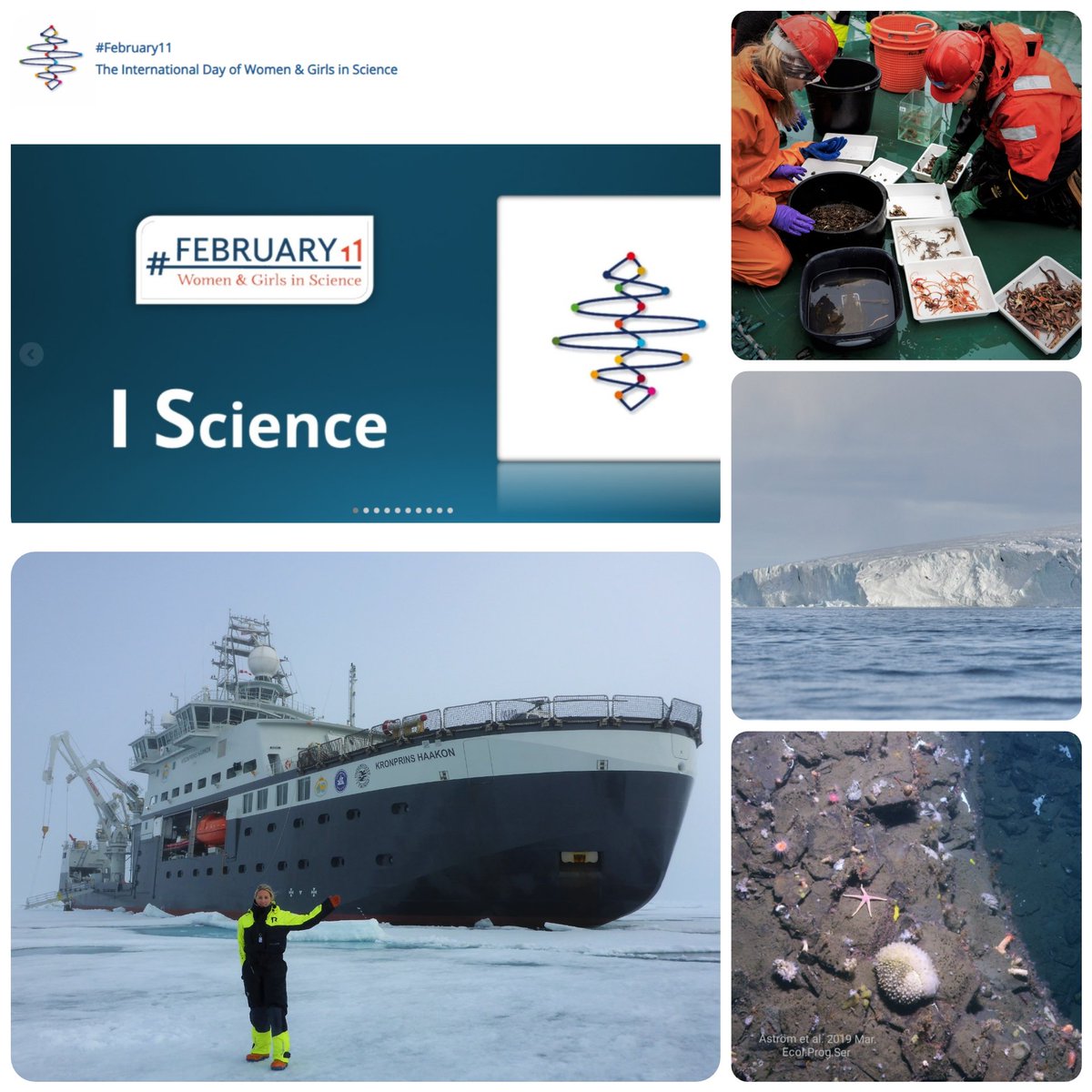
Today is the international day of women in science. I'm a researcher in marine ecology @UiTNorgesarktis. I study the Arctic seafloor & cold seeps to assess animal communities & foodwebs. Shortly, who lives at the ocean seafloor & who eats whom? @nansenlegacy
🐚🐟🦑🦐
#Benthic foraminifera & siboglinids (chemosymbiotic worms) are good neighbors in the #Arctic deep-sea.
New paper alert from colleagues: Influence of #methane seepage in living deep-sea foraminifera https://t.co/NHlK4qdkQA
@UiTNorgesarktis@AkvaplanNiva@CAGE_COE @CAbyNature
#Chemosynthesis-based carbon supports seabed communities at #Arctic cold seeps. Seeping #methane and chemosynthesis provide an alternative and supplementary food/energy source to Arctic seafloor animals by Emmelie Åström.
#scicomm#barentssea#research
PhD-defense today by Sanna Matsson @AkvaplanNiva
Her research focus has been #Kelp, #aquaculture and bio-fouling through the #MACROSEA project @SINTEF_Ocean @UiTromso
Thesis in:
https://t.co/lWBJuLafxm