@NonDestructiv It hasn’t, we just moved them over to the virtual/digital space. Mind you that all most of us do all day is pressing buttons and sliding new age dials on our devices.
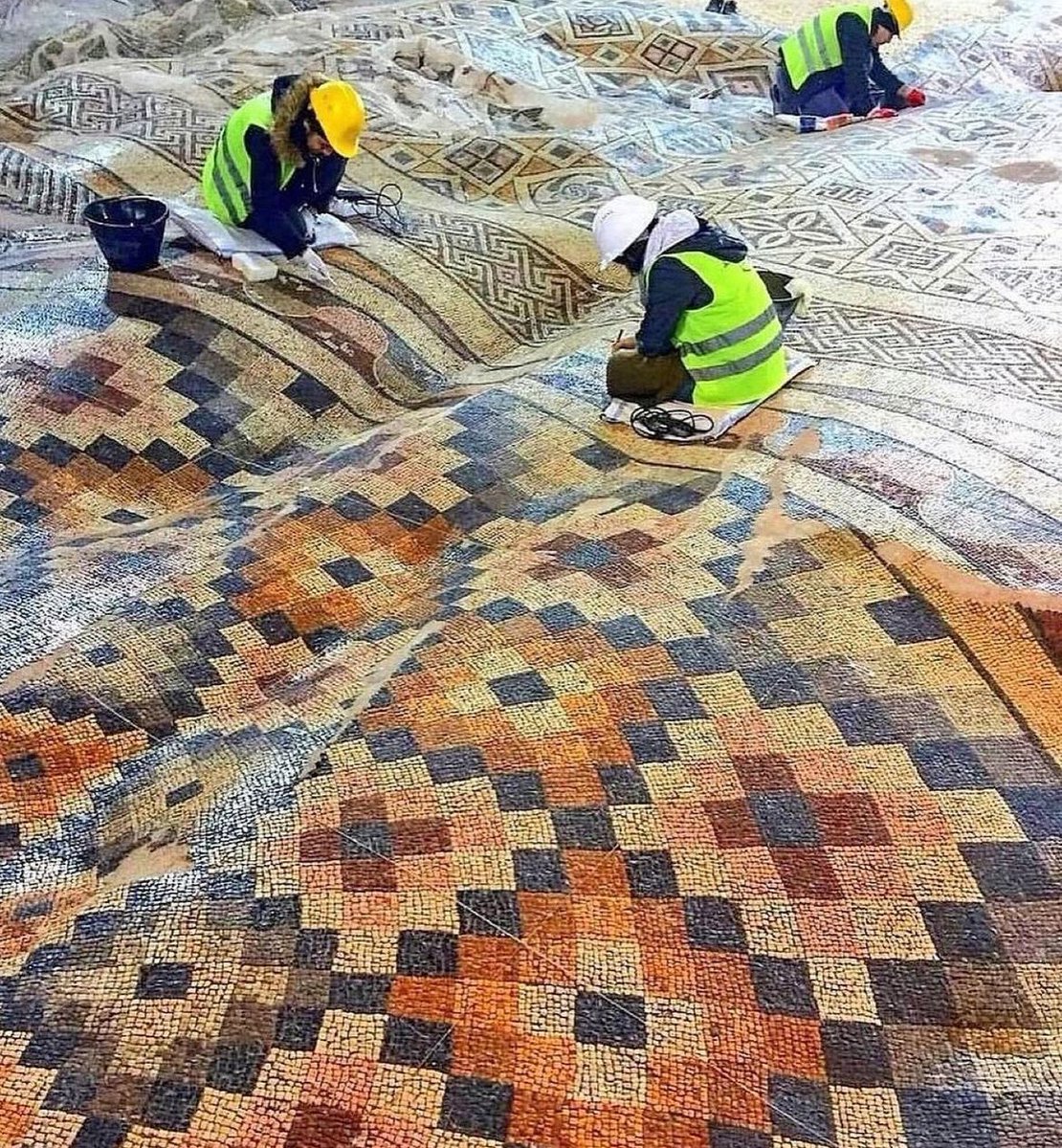
The largest intact Roman mosaic floor discovered in Turkey, dating back to the sixth century, is a remarkable find. The mosaic, found in Antakya, covers an impressive 1200 square meters and features unique geometric shapes and non-repeating figures, likely designed for a public space.
The mosaic has a rippling effect caused by earthquakes in 526 and 528 AD, but it does not create the impression of a giant blanket. Despite the earthquakes, the mosaic remains intact and unbroken, a testament to its resilience and the skill of its creators.
Lidar scans play an important role in smooth restoration of historic sites. Having accurate dimensions and perfect topology of the are can be of great value when remodelling broken parts or restoring relief-based areas. #lidar#restoration#history#3Dscan#Heritage
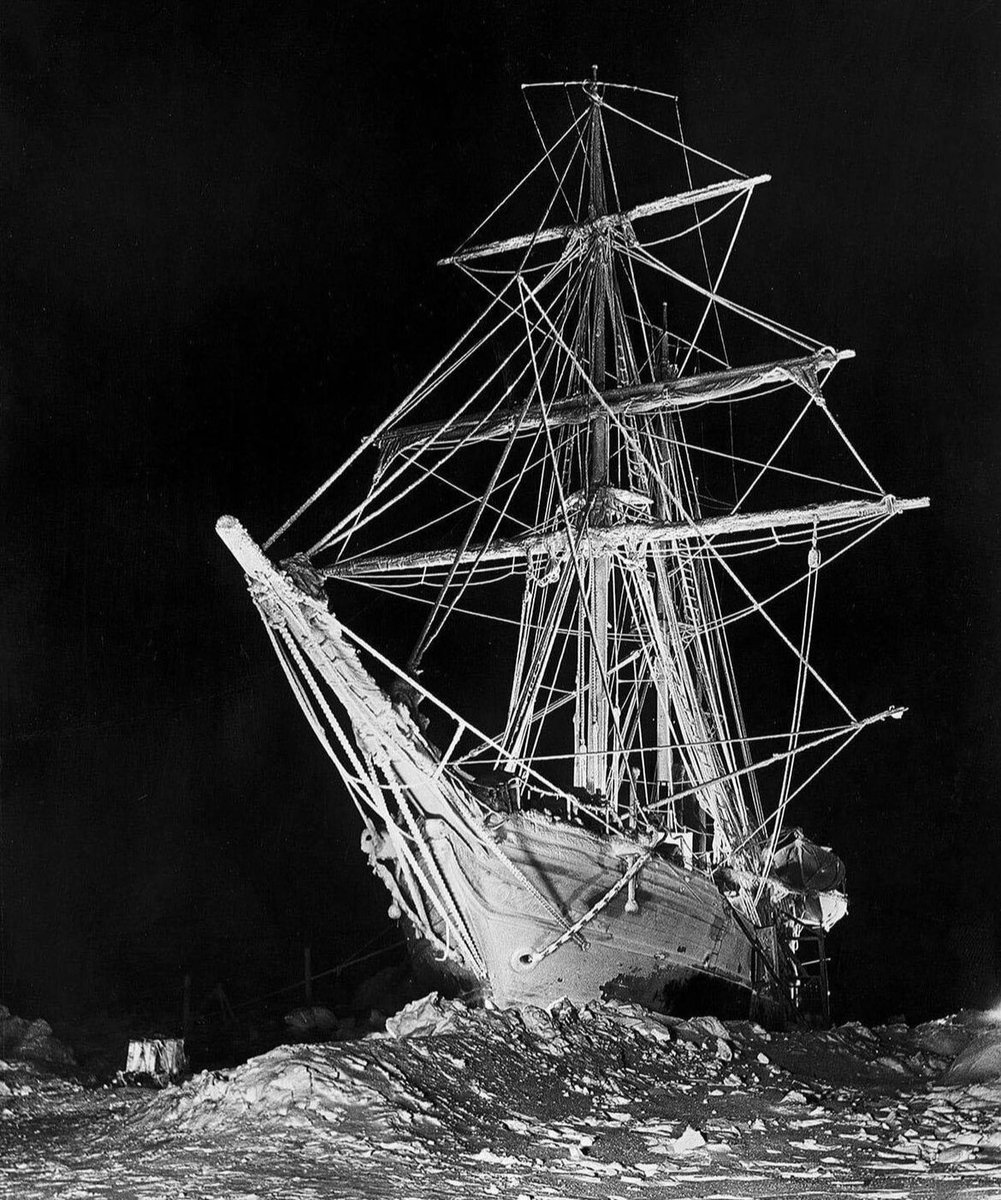
The ship known as Endurance gained significant fame during the Imperial Trans-Antarctic Expedition of 1914-1917, led by the renowned explorer Sir Ernest Shackleton. Frank Hurley, the expedition's photographer, captured an iconic photo of the ship amidst the Antarctic backdrop.
Endurance was the vessel that carried Shackleton and his crew of 27 men (and one cat) on their journey to Antarctica. Unfortunately, their expedition faced a series of harrowing challenges. After setting sail, the ship became trapped in sea-ice for an astonishing 10 months, drifting aimlessly in the treacherous Weddell Sea. Eventually, the ship succumbed to the immense pressure of the pack ice and sank off the coast of Antarctica.
Miraculously, all members of the crew managed to survive the devastating ordeal. The story of their subsequent escape on foot and in lifeboats has since become legendary, a testament to their extraordinary determination and resilience.
The precise location where Endurance sank is well-documented, thanks to Captain Frank Worley's meticulous navigation records using a sextant and a theodolite. The ship rests at a depth of 3,000 meters in the Weddell Sea, situated to the east of the Larsen ice shelves on the Antarctic Peninsula.
Despite the extensive knowledge of the ship's location, accessing this remote part of the Weddell Sea remains an immense challenge, even for modern ice-breakers. Nonetheless, a new expedition is planned to launch early next year with the goal of rediscovering the legendary Endurance. The conditions and state of the ship, after over a century submerged, remain uncertain and will undoubtedly add an air of anticipation to this ambitious undertaking.
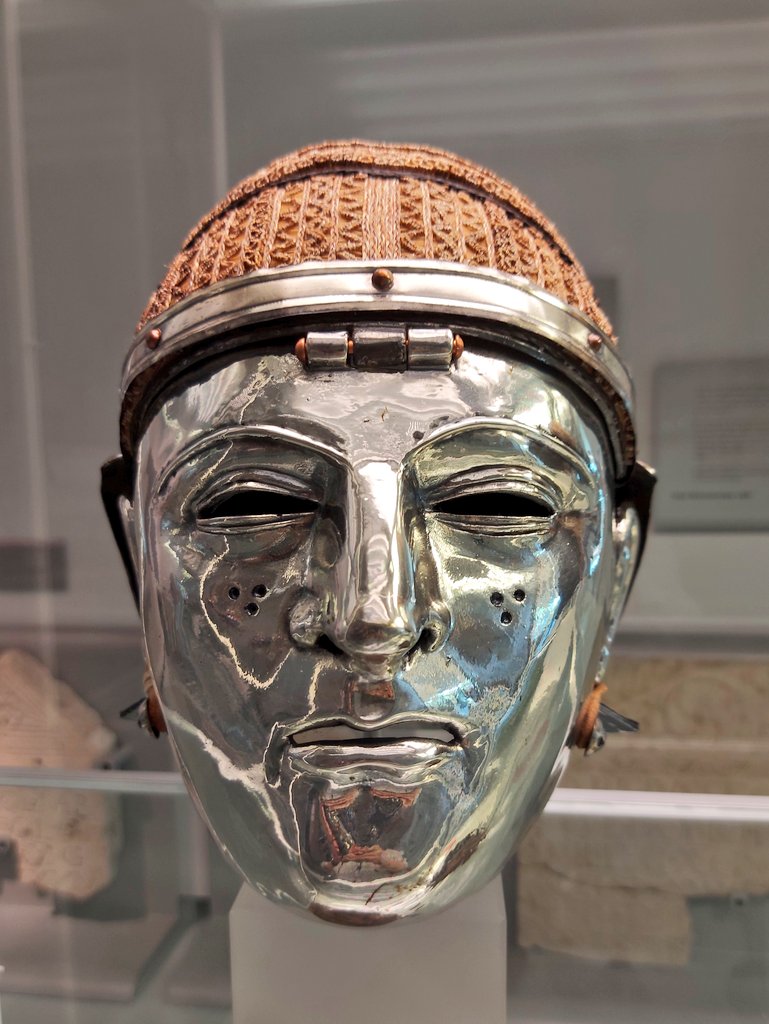
An impressive #Roman cavalry helmet with a face mask that was made of iron and plated with silver (Nijmegen-Kops Plateau type). The mask was attached to the iron helmet, which was covered with horse hair showing an elaborate and highly decorative hairstyle. 1/2
#RomanArchaeology
Happy 2776th birthday, Rome! 🎂 On April 21, we celebrate the eternal city's founding by Romulus. Here's to the magnificent history, culture, and people that continue to inspire us today. May your legacy shine on, Bella Roma! 🏛️❤️ #NatalediRoma#EternalCity#RomeBirthday
Complete collections require accessible, accurate 3D digital copies archived for preservation and research. With digital tech and blockchain, we can safeguard our cultural heritage for future generations. #digitalpreservation#3Dscanning#culturalheritage#blockchain