Making a change in the world is not only for people who are well educated or have access to people or resources. Change happens from listening and understanding the problem and then utilizing passion, dedication, and collaboration to overcome challenges. #asudnp603
Nurse Practitioners have a unique skill set and can make a difference in the community. If we challenge ourselves to become social entrepreneurs by collaborating with people outside of healthcare we can make an even bigger difference. #asudnp603 https://t.co/u0KkmlTADN
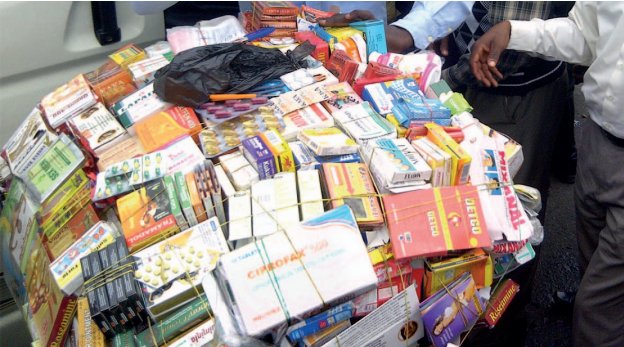
Substandard medical products and falsified drug treatments including vaccines, contraception, chemotherapy, and antibiotics should be criminal. This is a global problem and requires more regulations. #asudnp603 https://t.co/zuqcgWnekT
Fresh Express is an innovative way to provide fresh, high-quality produce to residents in the valley with limited or no access to healthy foods. Thanks @NurseChristia and @lezah_king for opening my eyes to this resource! #asudnp603 https://t.co/hMK1yArXYo
Nurse leaders have a unique opportunity to participate in policy development because they are experts on many health issues. This knowledge will be valued by legislatures and can result in positive outcomes! #asudnp603
Increased awareness and education is needed for providers and patients. Recommended guidelines along with risks of opioid use should be discussed openly. #asudnp603 https://t.co/NZk810Ungg
Thousands of "active rescues," where first responders are called to a scene, have come from text exchanges with crisis counselors. https://t.co/vhfwykCphd
@SM_SMiranda Comprehensive care will result in better outcomes for patients. Interdisciplinary teams that have effective communication and handoffs are key! #asudnp603
@NS5822@edie_watsonRN Excellent way to educate parents utilizing a platform that they are comfortable using. Well informed parents are key to a child's success! #asudnp603
Nurses are excellent patient advocates and understand the needs of vulnerable populations. How do we make our voices heard in order to overcome health disparities and social injustices? #asudnp603
@amlehn3 We must first identify vulnerable populations in our community and then work to understand the potential causes of the vulnerability. We can then identify solutions through evidence-based practice and advocate for change as leaders in the community. #asudnp603
Levy & Sidel (2013) remind health workers that they need to advocate for policies that address unjust societal conditions and to not just help by providing health services caused by the damage. We need solutions not band-aids. #asudnp603
@DrLinkPhD I support the idea of transparency! Providers submit bills and the government ensures payment of bills. Providers can focus on patient care and patients can focus on wellness and recovery. #ASUDNP603
@KimASU888 Education can be influenced by the Theory of Self-Efficacy. Additional resources will be necessary to overcome barriers related to access to healthy food in their communities. #ASUDNP603
@Germin_Zaki It is important to not only educate patients on side effects of medications but ourselves. I administer chemotherapy and have been educated on the risks but I am ultimately responsible for my own safety. #ASUDNP603
Statelessness most often impacts minorities. This form of discrimination is unacceptable. There is a need for increased awareness and support of the UNHCR as they work to rectify this problem. #IBelong#ASUDNP603 https://t.co/XpmjpXAZ3c
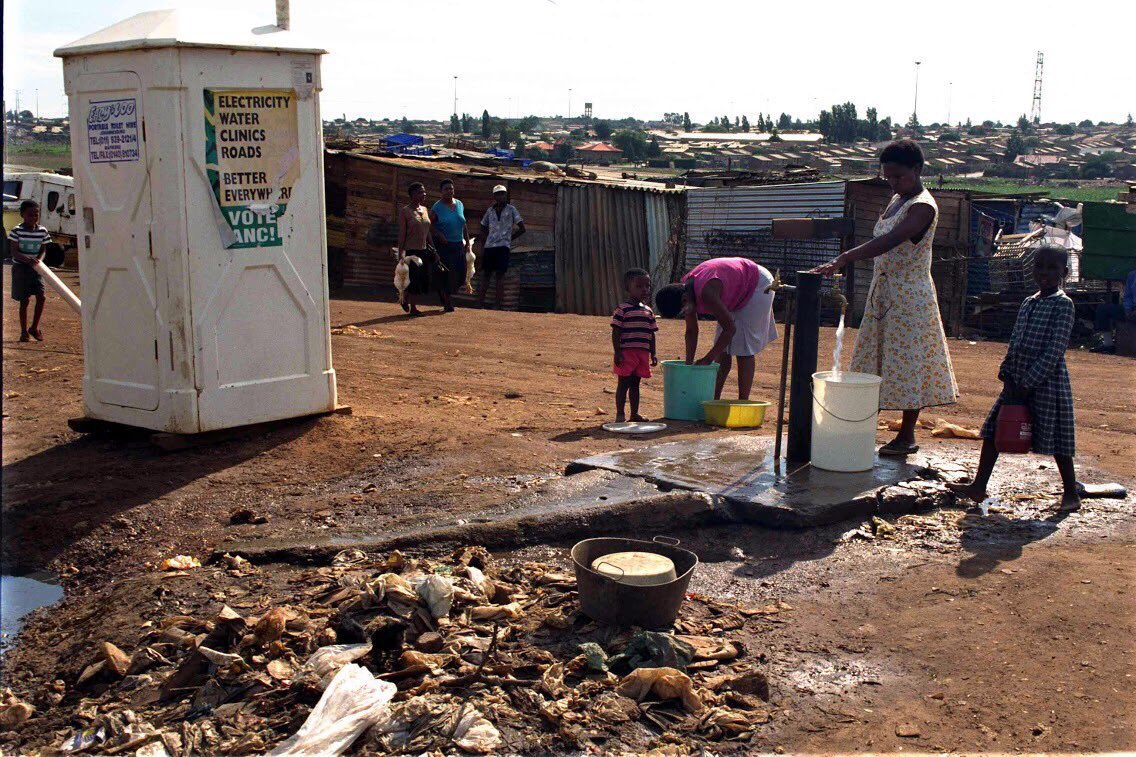
@WHO reports that 2.3 billion people still do not have basic sanitation facilities such as toilets or latrines and 892 million people are forced to defecate in the open. Toilets can lead to healthier and cleaner communities. #worldtoiletday#ASUDNP603 https://t.co/uQLPSU6c08
Levy & Sidel (2013) remind us that health disparities suffered by the poor and minority populations are socially produced from current and historical social injustices. Focusing on a community's strengths and assets will help to address these problems. #ASUDNP603