This narrative review provides a visually driven, clinically grounded roadmap that links dopaminergic neurochemistry and pathway anatomy to in vivo molecular imaging, with a specific focus on education and bedside application: https://t.co/OvIaR25TYF
🧠💉 In TNK-treated LVO stroke patients eligible for EVT, thrombus migration occurred in 36% and made EVT impossible in 26% vs 4% without migration. Thrombus migration significantly reduced rates of complete reperfusion but did not affect functional outcomes. Read more here: https://t.co/vv9lXmlFx3
@jildazz
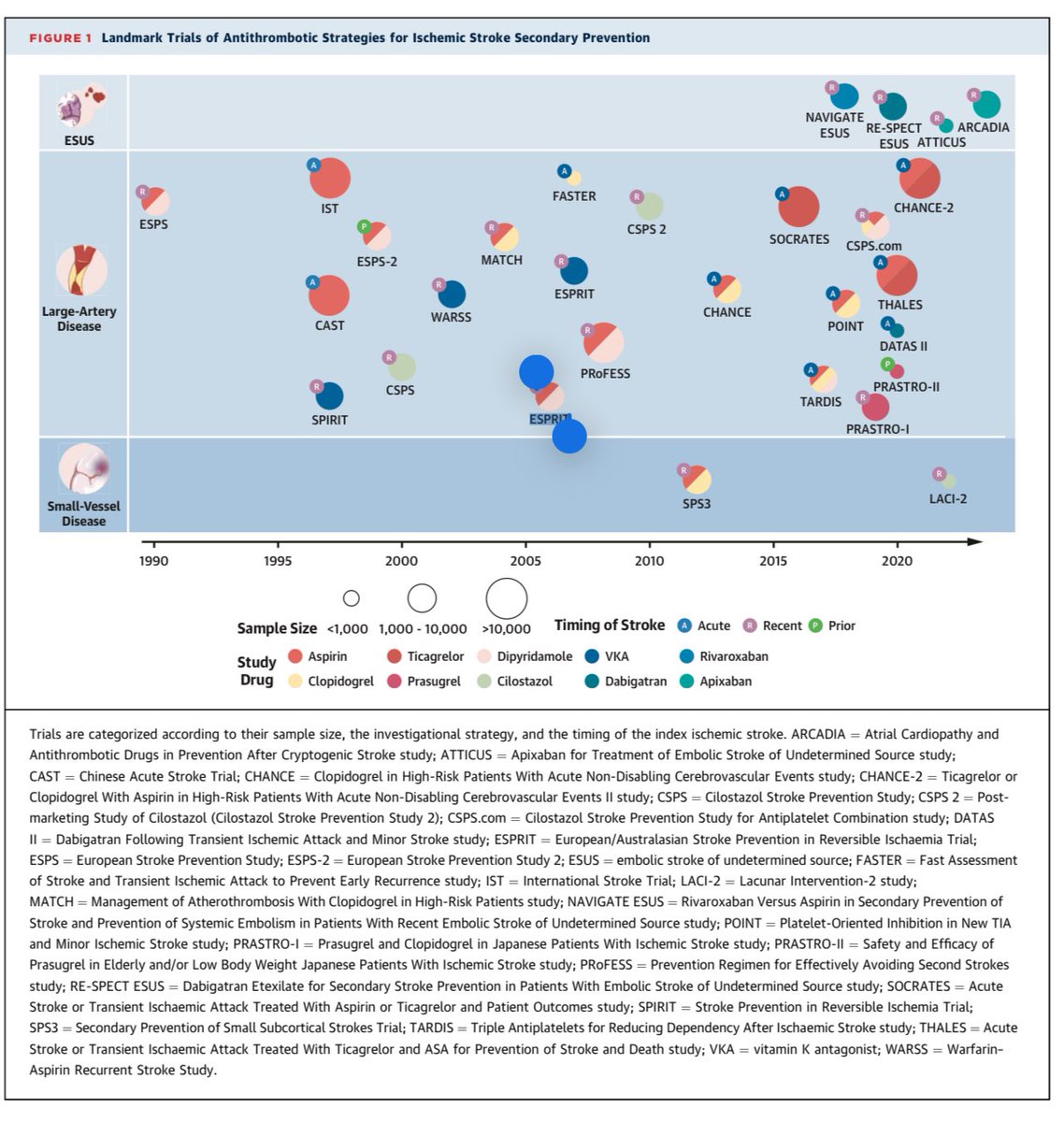
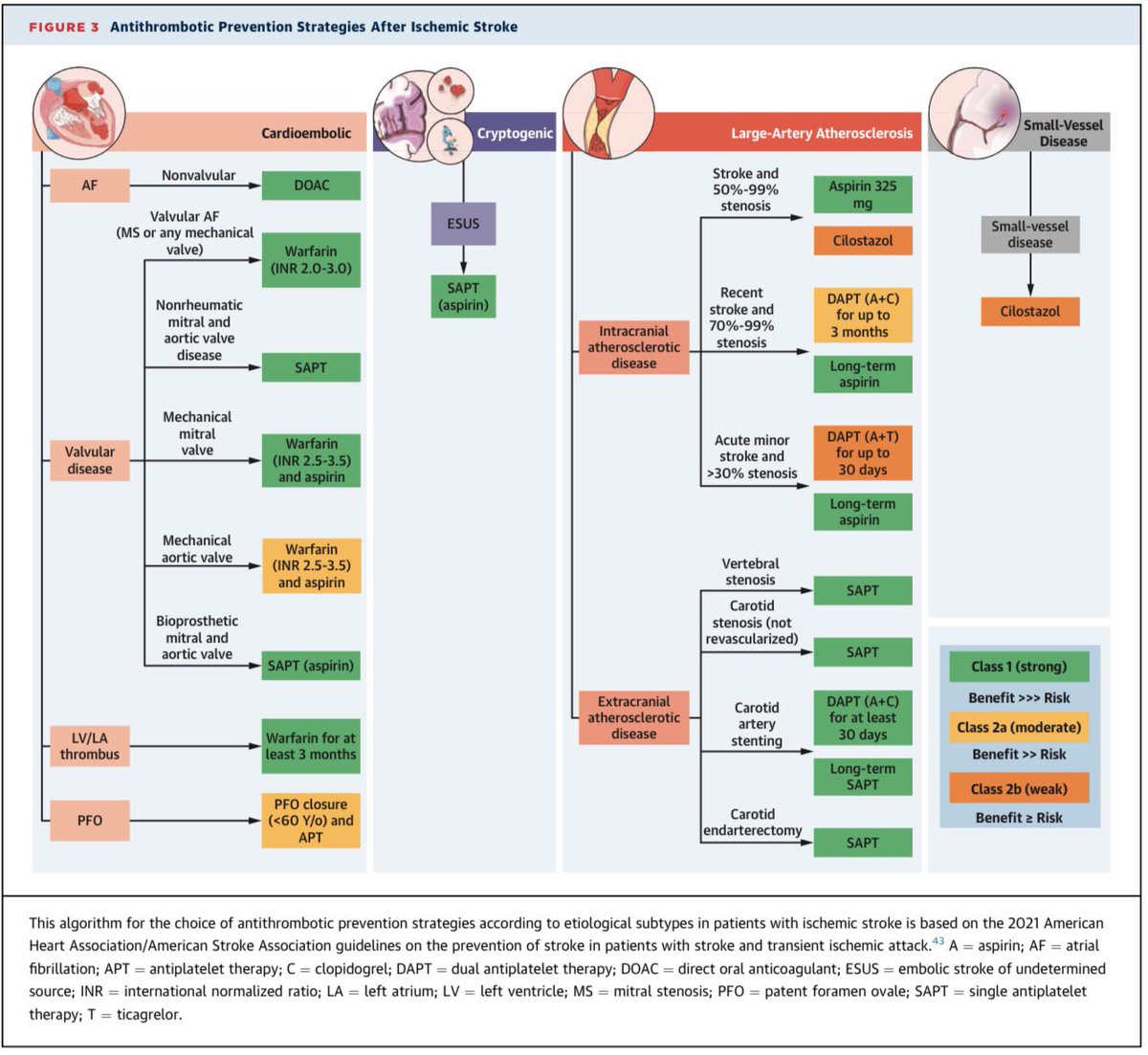
Greco, A, Occhipinti, G, Giacoppo, D. et al. Antithrombotic Therapy for Primary and Secondary Prevention of Ischemic Stroke: JACC State-of-the-Art Review. JACC. 2023 Oct, 82 (15) 1538–1557.
https://t.co/lRjnKDAnXg
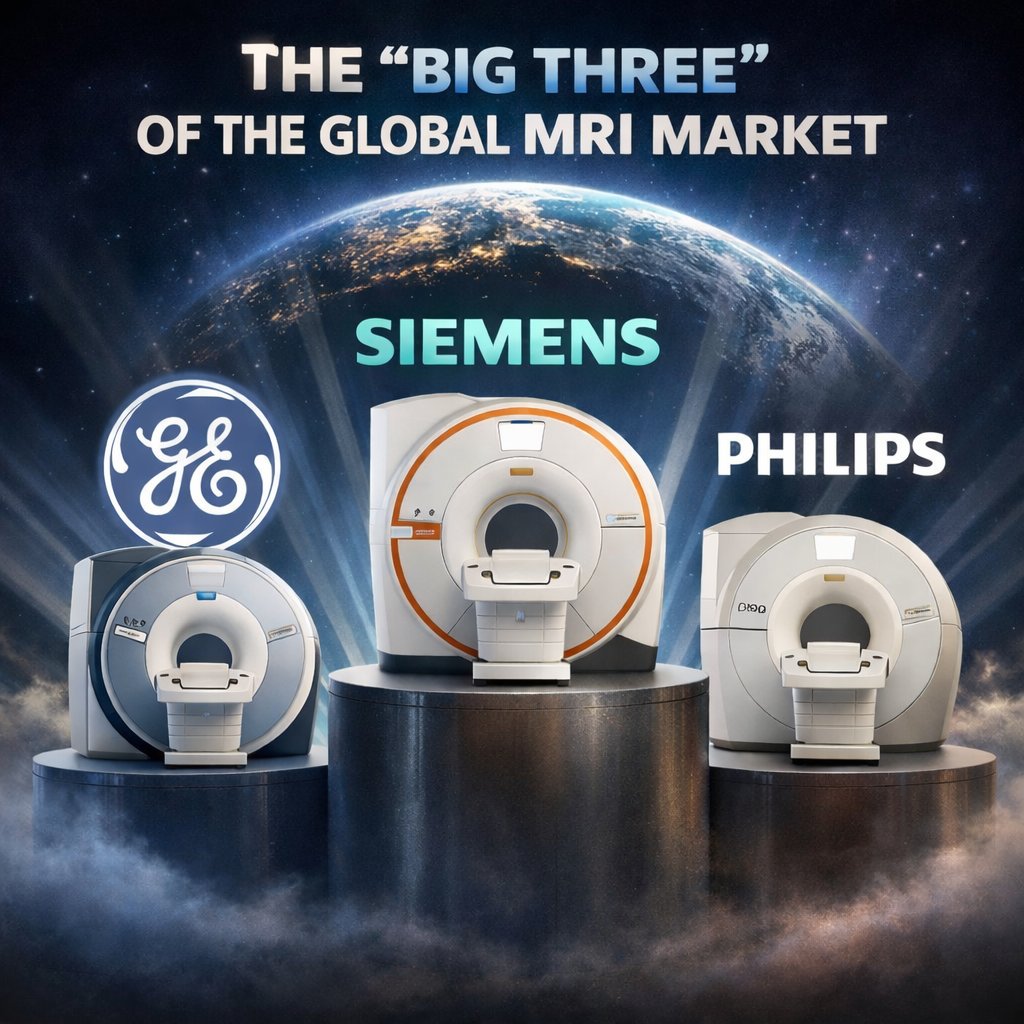
#MRI for #neurologist is a "Acronym Jungle." 🌿
The same scan has ⓷ different names depending on the vendors:
Siemens, GE, Philips.
Let’s decode the "Big 3" and help you traverse it from a #Neurology POV.
🧵| 8
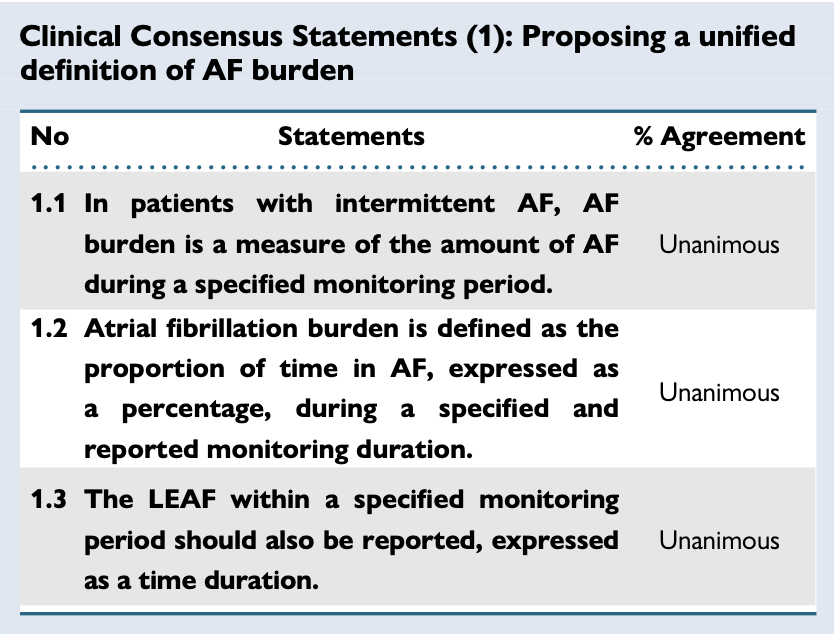
What exactly is #AFib burden? 🤔
It’s a term widely used in arrhythmia research—but still without a unified definition.
#AFib burden can describe:
▪ symptoms during AF
▪ clinical consequences (stroke, HF)
▪ socio-economic impact
▪ or most commonly today — the proportion of time a patient spends in AF
Continuous monitoring (CIEDs, wearables) is reshaping how we measure AF burden and revealing that not all AF is the same.
Two patients may have identical AF burden but different patterns:
🎵 “Legato” – few long episodes
🎶 “Staccato” – many short episodes
Understanding these differences may be key for risk prediction and treatment decisions.
🔖 More on this in #EHRA_ESC Consensus Document of #AFib burden https://t.co/lktGSoXgq0
#EHRAtopicweek
I’m proud to share our seminar on Atrial Fibrillation, just published in @TheLancet
It was a privilege to be invited to work on this review, which was expertly led by Deirdre Lane, and involved Giuseppe Boriani, Elena Arbelo, Jeroen M Hendriks, So-Ryoung Lee, Greg Lip, Jonathan Mant, Melissa Middeldorp
https://t.co/mJurcHFUOZ
#MondayTip
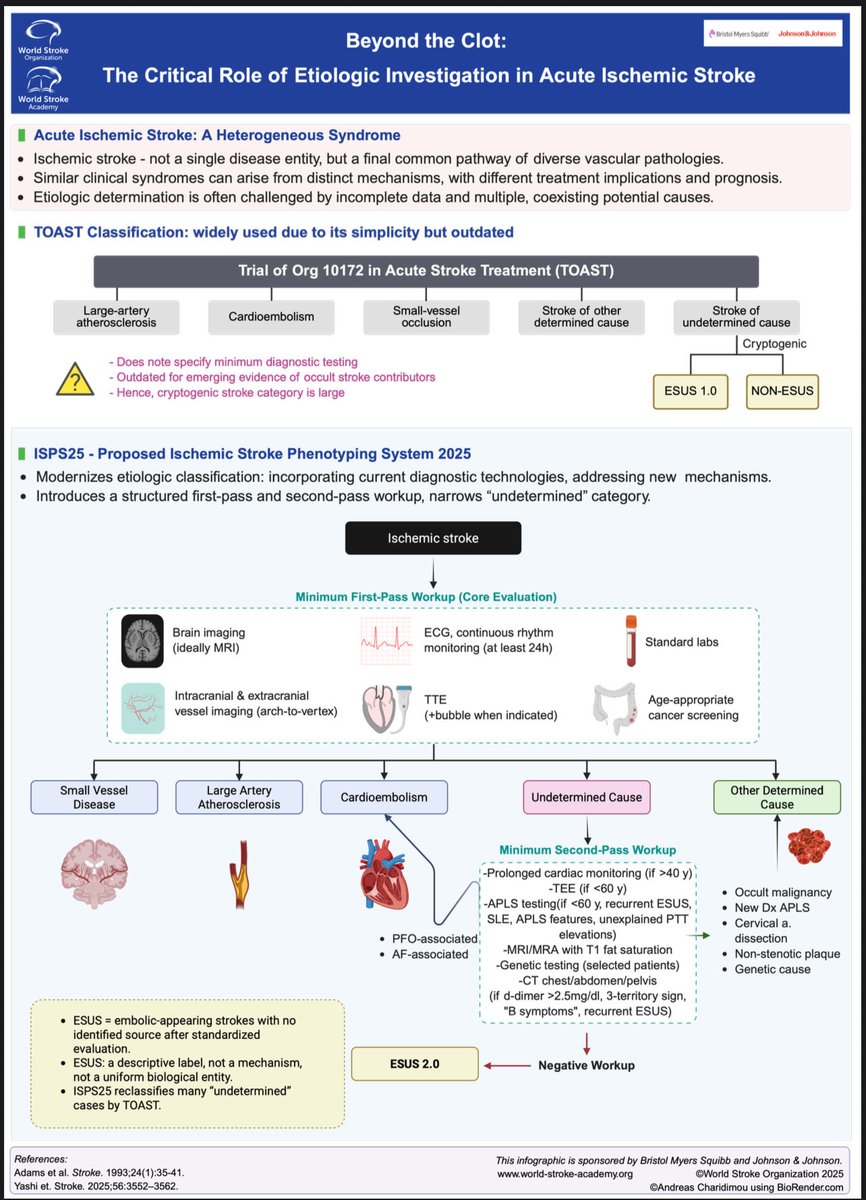
Cancer-related stroke ≠ routine ESUS
~50% of strokes in active cancer are cryptogenic, but many are cancer-driven hypercoagulable events
🔁14–29% recur at 1 year
⚖️Anticoag vs aspirin? Still equipoise
🧠Classify. Risk-stratify. Individualize
https://t.co/bvv0vAFBot
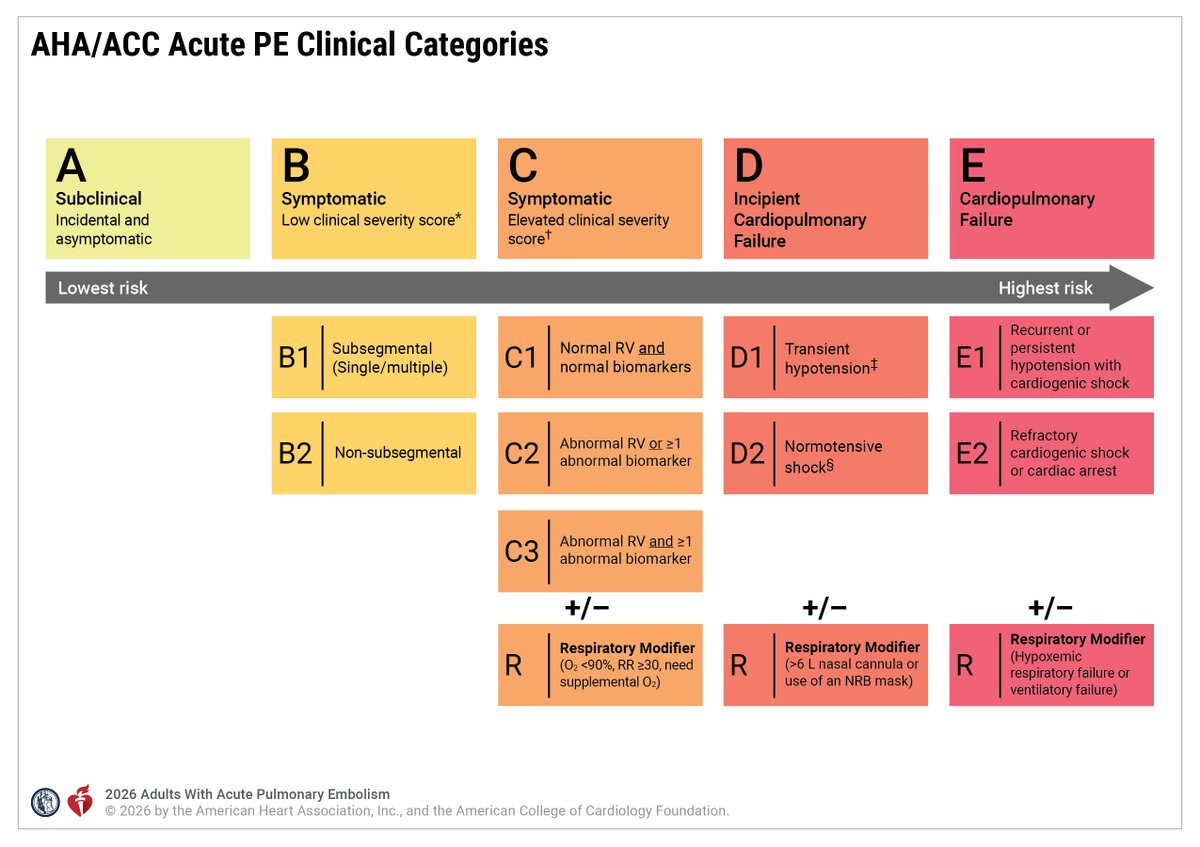
From the newly published 2026 acute pulmonary embolism guideline:
PE represents a wide spectrum of presentations, ranging from asymptomatic disease to cardiogenic shock and cardiac arrest. Accordingly, PE necessitates swift and precise risk assessment to determine prognosis, guide therapeutic decision-making, and improve patient outcomes
The Acute PE Clinical Categories are designed to describe the severity and prognosis of PE by integrating various clinical, laboratory, and imaging parameters. Category A-E and subcategory 1-3 designations are selected according to the most severe clinical, laboratory, and imaging indicators. Of note, patients may transition among such categories as they are reassessed over time.
✍🏼 @GoldbergJBCTMD@Dkadiandodov@RosovskyRachel@sabeedak1@hjcox_pvd@JunLiMD@mnyoung1
Anticoagulation therapy is the foundation of acute PE management. Use of DOACs and LMWH allow for rapid and predictable anticoagulation therapy in most patients with acute PE. Further management strategies are dictated by individual risk factors for adverse events. These include the measurement of biomarkers, RV size and function on imaging, and hemodynamics.
Informed by these risk factors, decisions can be made about the utility of advanced interventions, including catheter-directed thrombolysis, mechanical thrombectomy, surgical embolectomy, and extracorporeal membrane oxygenation. Use of a PERT to facilitate decision-making around acute interventions is recommended.
✍🏼 @GoldbergJBCTMD@Dkadiandodov@RosovskyRachel@sabeedak1@hjcox_pvd@JunLiMD@mnyoung1
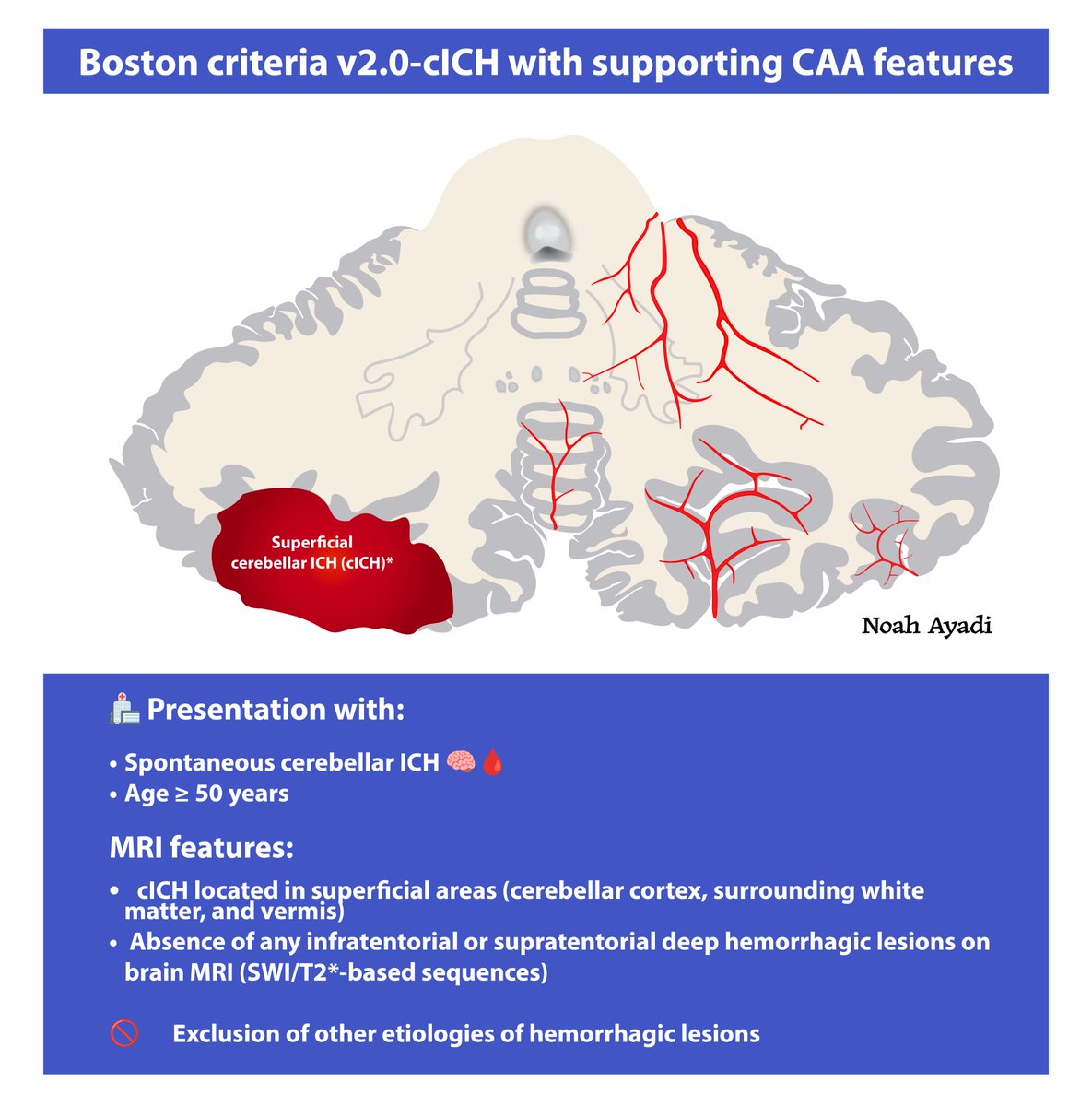
New paper in @GreenJournal 📄
The cerebellum has long been a neutral territory in CAA diagnostics, despite growing evidence of cerebellar involvement.
We propose pragmatic criteria for identifying CAA-associated cerebellar ICH. 🧠🩸
https://t.co/R2c3AtG1Aq 📜🔍
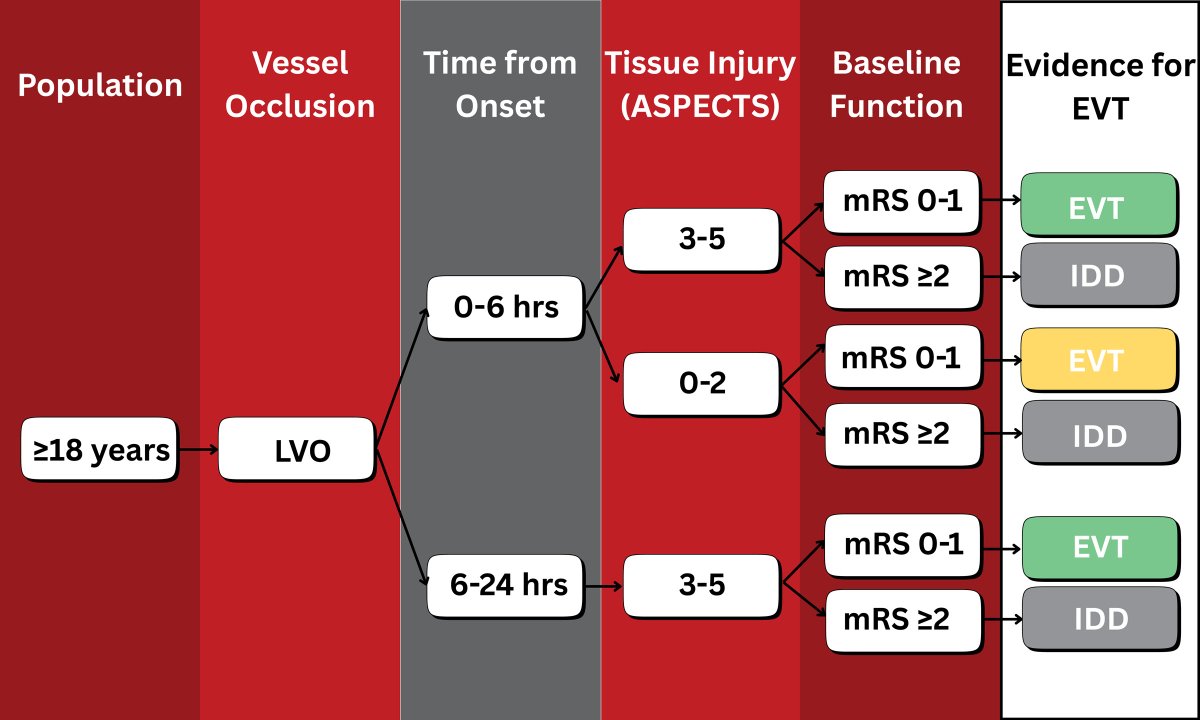
🧵#STROKE Guidelines in Action 🗒️: For patients with large core infarcts, EVT is recommended for all eligible patients to improve functional outcomes and reduce mortality. Expanding EVT indications will require adaptation of acute stroke systems of care.
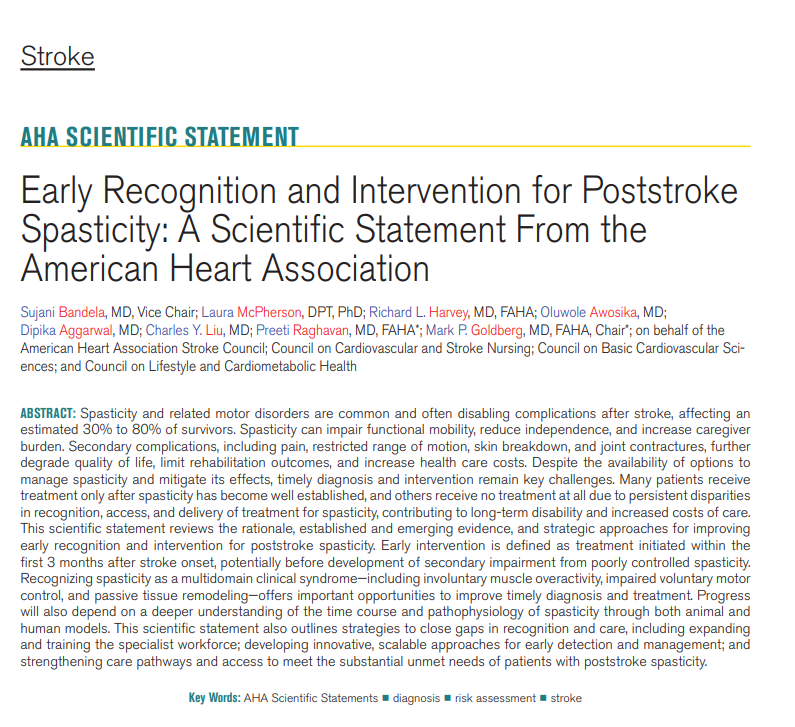
This scientific statement reviews the rationale, established and emerging evidence, and strategic approaches for improving early recognition and intervention for poststroke spasticity. It also outlines strategies to close gaps in recognition and care, including expanding and training the specialist workforce; developing innovative, scalable approaches for early detection and management; and strengthening care pathways and access to meet the substantial unmet needs of patients with poststroke spasticity.
Published today, Prevention and Treatment of Maternal Stroke in Pregnancy and Postpartum: A Scientific Statement from the American Heart Association.
This statement discusses both the physiology and pathophysiology of pregnancy. Included within is hypertension disorders of pregnancy (HDPs).
📷 Mechanisms of maternal stroke
✍🏼 @tmadsenem@humich@RocChenMD@nataliebello9@atitapatterns@pitthealthsci