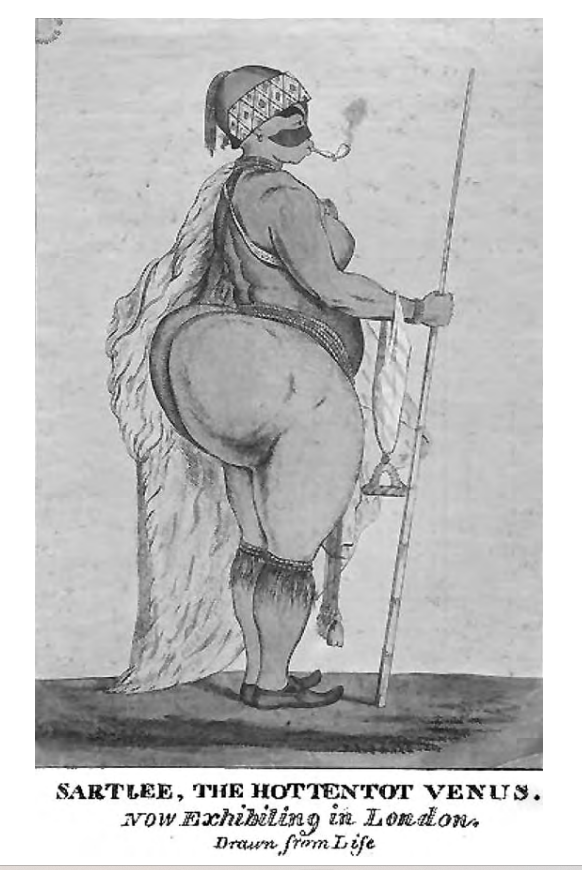
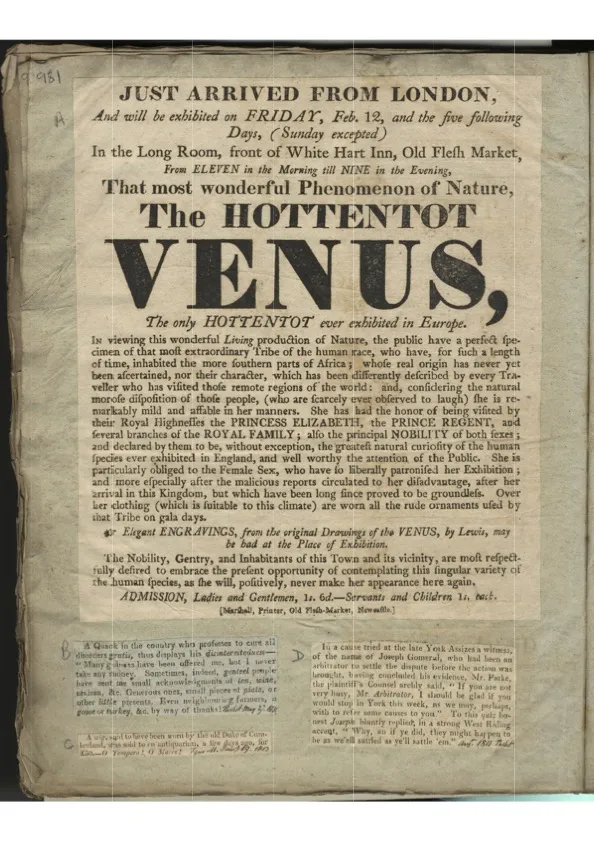
Just arrived from London.. the Hottentot Venus!
It was a phenomenon in the 19th century. But, who was the so-called “Hottentot Venus”? Behind this name lies a powerful story about racism, colonialism, and the exploitation of the human body in modern history.
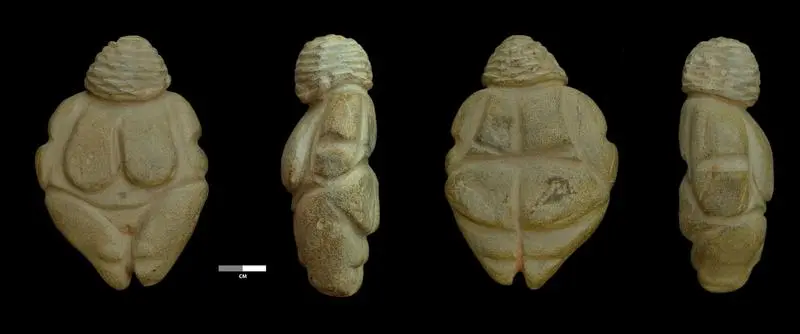
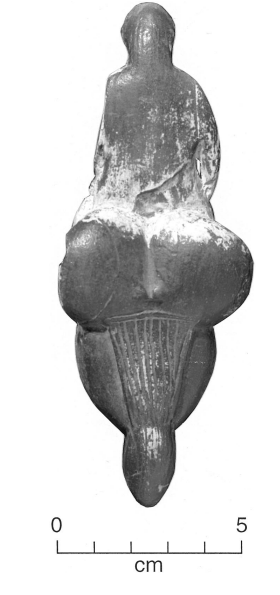
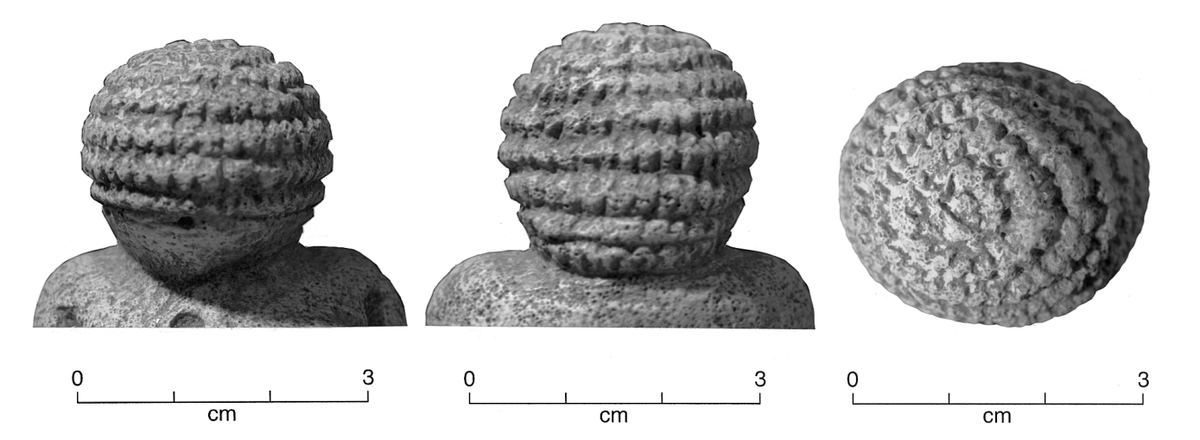
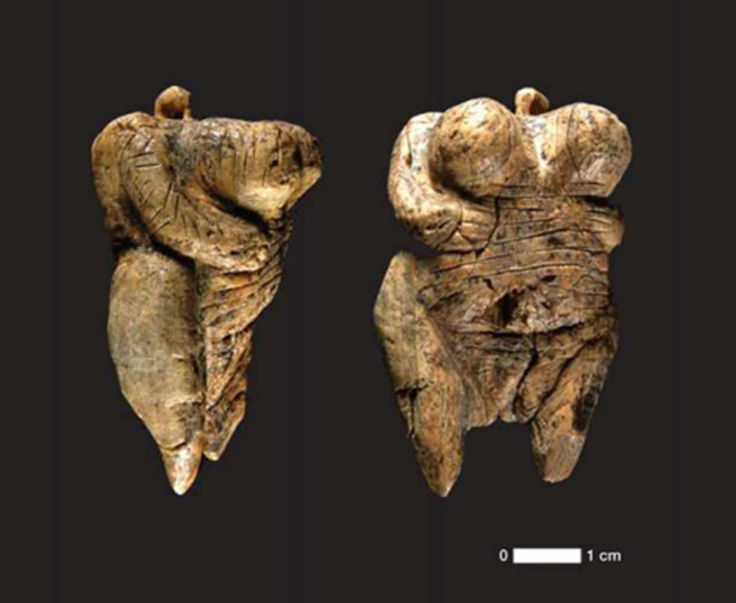
The headless, engraved Aurignacian “Venus” of Hohle Fels, dating to 35,000 B.P., created a sensation when it was discovered!! Let´s see some of the comments and newspaper titles.
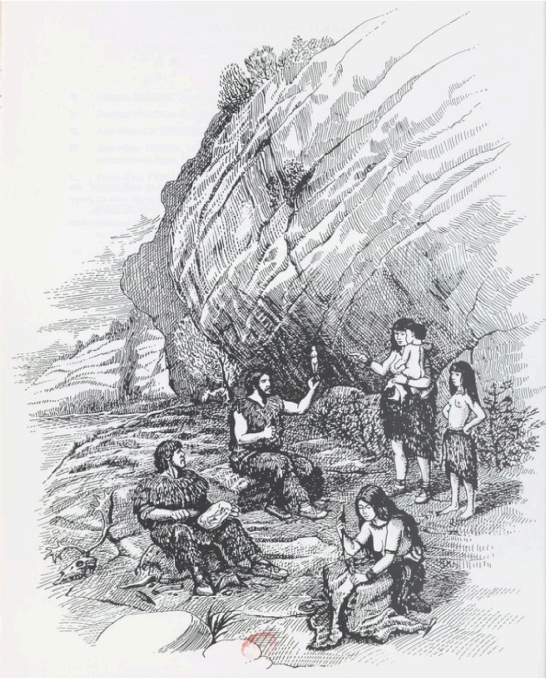
Moment of the disvovery of a female statuette in a pit at the Kostienki site.
“A statuette discovered in a small pit, at a depth of 10 cm, was positioned upright against the wall. It was oriented toward the center of the dwelling, in the direction of the line of hearths […].
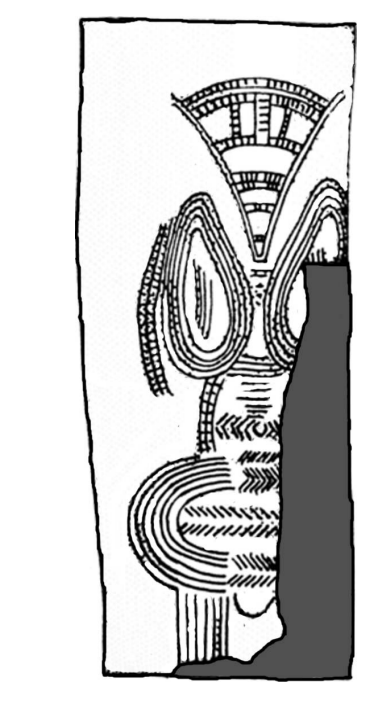
Sometimes we are lucky enough to find these little cuties inside of a decorated cave.
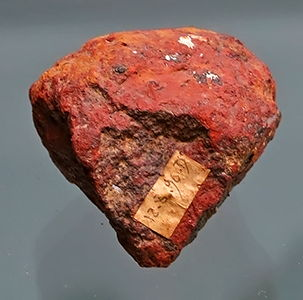
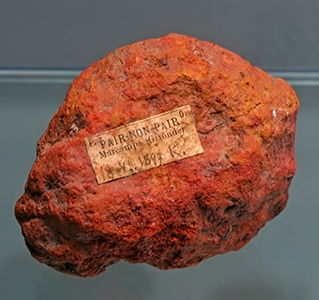
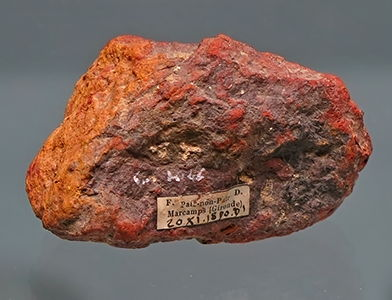
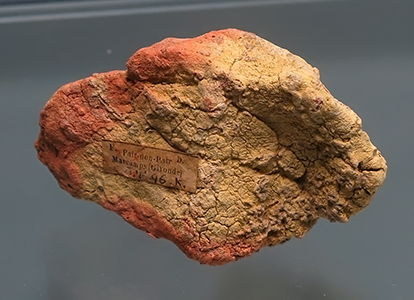
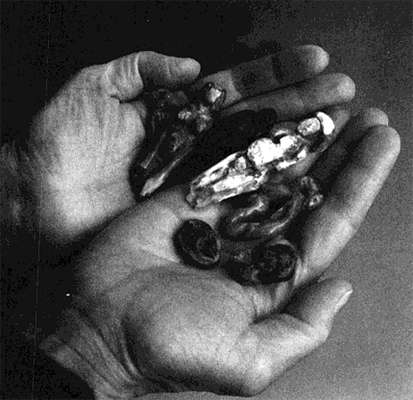
Ochre from Pair-non-Pair, Prignac-et-Marcamps.
Photo: Don Hitchcock 2015
Source: Original, display at Musée d'Aquitaine à Bordeaux.
Today we’re heading to America for a bit of entertainment.
Vulva stones from Chalfont, in southern California. Across several areas of this region, vulva-shaped petroglyphs have been associated with dawn races linked to rites of passage into womanhood (Bender, 2021).
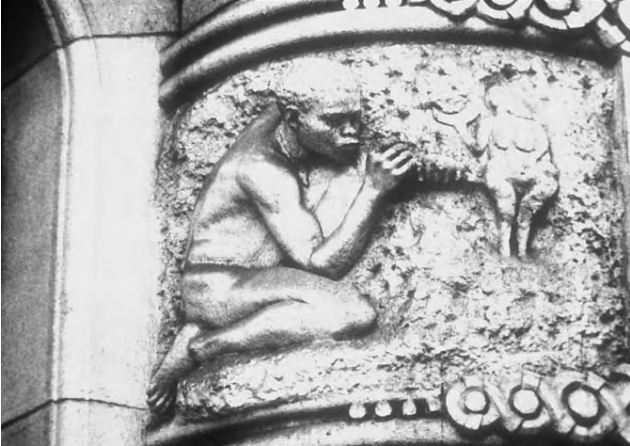
Part of the frieze sculpted by Constant Roux on the facade of the Institut de Paleontologie ´ Humaine in Paris. Erected in 1923 under the supervision of the Abbe Breuil, it shows a San man ´ sculpting the Femme a la corne ` from Laussel (Photo, courtesy M-A Dobres).
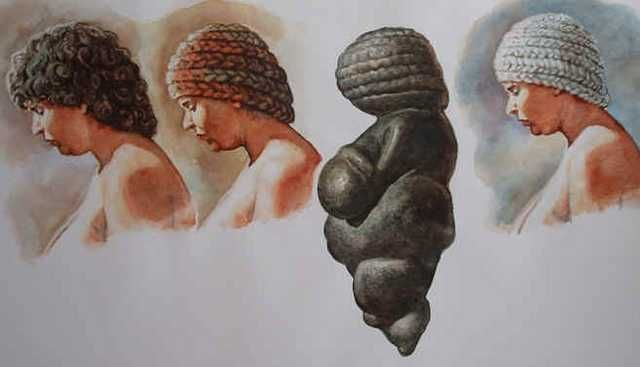
The Paleolithic Venuses from Brassempouy, Grimaldi, and Laussel show meticulous, realistic art. But what fascinated 19th-century scientists wasn’t beauty or fertility—it was race.
#Venus#Art#Rockart#colonialism
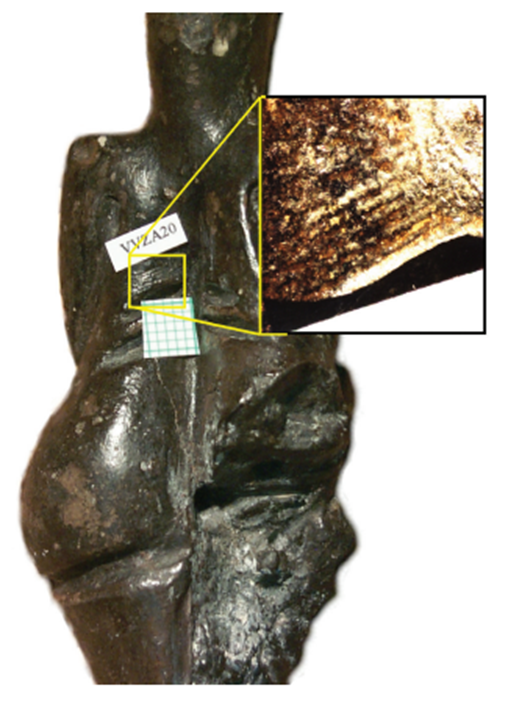
In 2002, a paleodermatoglyphic and traceological identification analysis was carried out on the famous Venus of Dolní Věstonice. The age of the Venus fingerprint maker lies between 7 and 15 years. This permits to consider a young adolescent female or even a young adult female.
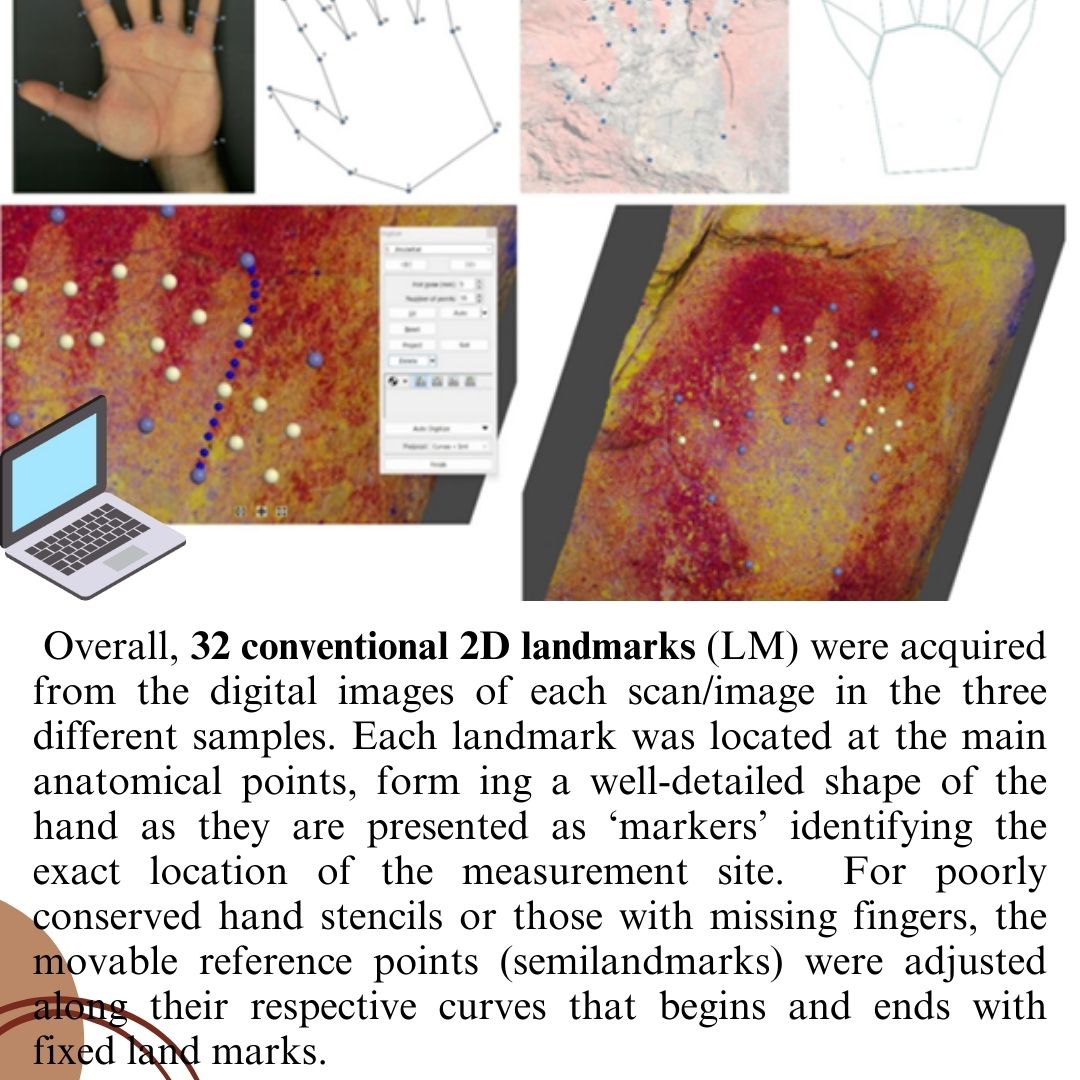
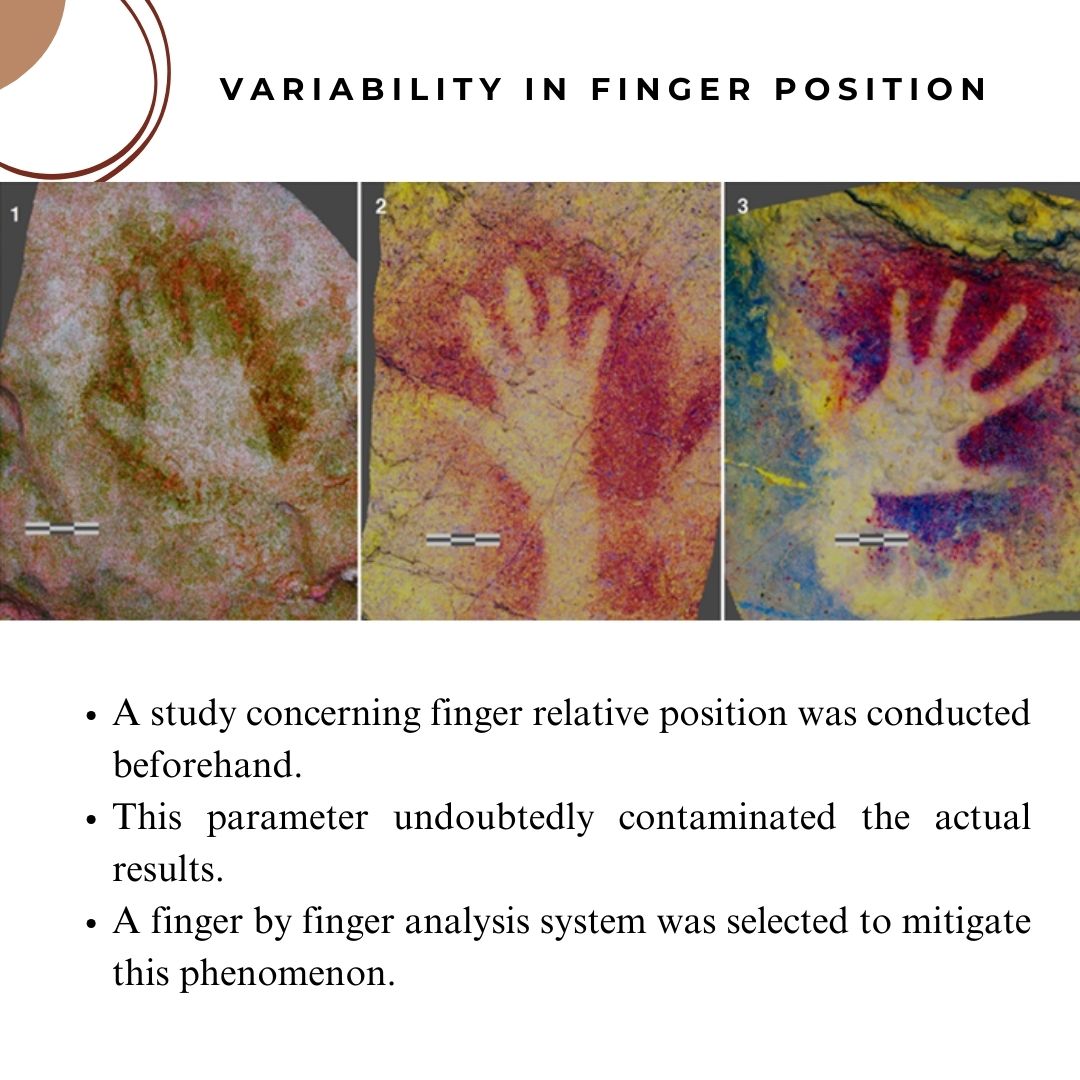
En este podcast se hacen eso de nuestro estudio de 2022 en donde analizábamos el papel de los niños en la creación de las representaciones de manos del Paleolítico Superior.
Gracias Santiago por compartir la ciencia! No os lo perdáis.
🖐️ Llevas toda la vida imaginando a un chamán pintando cuevas a la luz del fuego. Pues resulta que muchas de esas pinturas las hicieron… niños de 2 a 12 años. Con ayuda de mamá y papá. Hace 20.000 años. Y es precioso.
https://t.co/5Z7ttosdrP
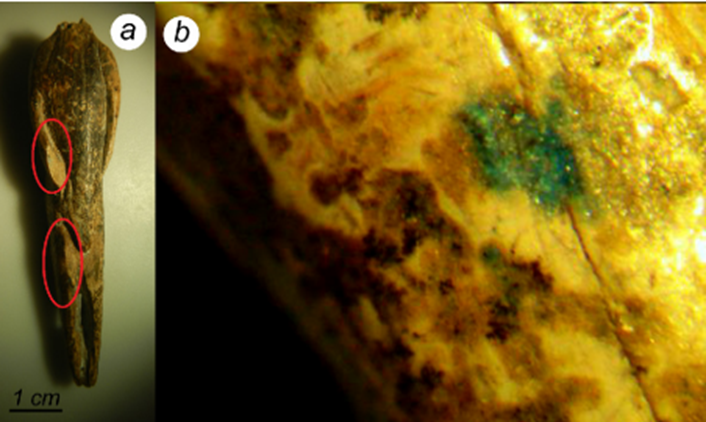
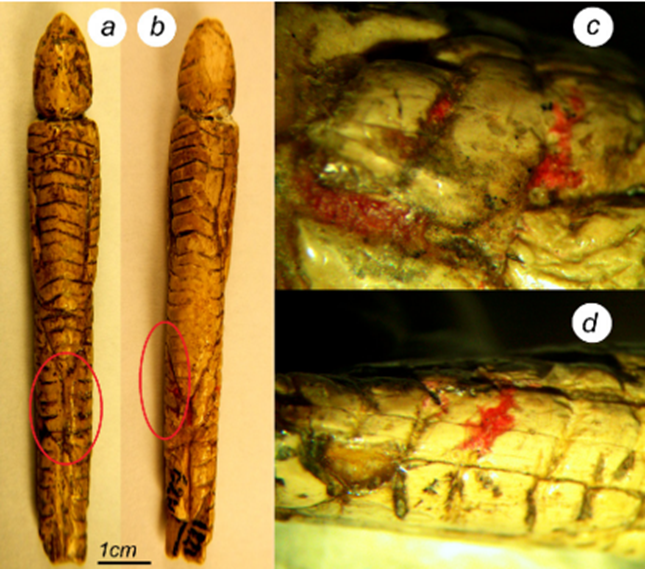
Everything is not as it seems! Microscopic analysis of samples taken from female figurines at the Upper Palaeolithic site of Mal’ta reveals the presence of pigment on their surfaces. Originally, they may not have been merely naked, but colorful as well (Lbova y Volkov, 2017). 🎨












![morphofem3D's tweet photo. Moment of the disvovery of a female statuette in a pit at the Kostienki site.
“A statuette discovered in a small pit, at a depth of 10 cm, was positioned upright against the wall. It was oriented toward the center of the dwelling, in the direction of the line of hearths […]. https://t.co/wkFPsmd10j](https://pbs.twimg.com/media/HEQMrkHaUAAW2Is.png)