Very proud of my colleagues at @SpaceParkLeic and @uniofleicester for making this a reality with the SXI instrument! Particularly my great office mate and friend @JennyaCarter !!!
Wishing a Happy Birthday to Sir David Attenborough. Thank you for the knowledge, passion, and hope you’ve passed on to all of us.
Celebrate 100 years of Sir David Attenborough with Ocean with David Attenborough on @DisneyPlus and @hulu
OMG.
🇰🇪 Sabastian Sawe becomes the first man ever to break 2 hours in a marathon (legal conditions) in 1:59:30 at the London Marathon!
Yomif Kejelcha 🇪🇹 runs 1:59:41 in his DEBUT.
Jacob Kiplimo 🇺🇬 takes third in 2:00:28
All under the previous WR.
Carbon accounting faces key limitations, particularly in measuring Scope 3 emissions due to their indirect and complex supply-chain nature. These emissions can make up 80–90% of a company’s total footprint, a finding validated across multiple industries.
It’s #SunDay! Here’s your space weather report for the week of Jan. 30 – Feb 5:
- 72 M-class flares (!)
- 6 X-class flares
- 33 coronal mass ejections
- 0 geomagnetic storms
This video from NASA’s Solar Dynamics Observatory (SDO) shows the week’s activity.
SDO ended its Earth eclipse period this week just in time for an uninterrupted view of a barrage of solar flares! This week, one active region in particular — AR4366, which rotates onto the Earth-facing disk of the Sun at the beginning of this video — unleashed a whopping six X-class flares this week, and all but three of this week’s 72 M-class flares. This one is worth a watch!🤩
The gold standard for corporate climate action? Science-based targets via @SBTi!
As of early 2026, they've validated targets for over 10,000 companies worldwide. Momentum is building—real emissions cuts aligned with 1.5°C are scaling globally.
#SBTi#NetZero#ScienceBasedTargets
#SBTi isn’t only for large corporates.
The SBTi SME route is designed for smaller organisations:
Lower cost, simpler targets, faster validation.
It provides credible, science-based assurance without unnecessary complexity, valuable for supply-chain-facing SMEs.
"I almost couldn't get the tweet out fast enough, I was so angry"🗣️
RAF Veteran Liz McConaghy tells BFBS Forces News that Trumps comments were "insulting" to British troops as well as American troops who served in Afghanistan
We just saw the exact moment a star exploded for the first time ever.
Astronomers have achieved a rare feat: imaging the exact moment a massive star detonated—and the explosion was anything but spherical.
SN 2024ggi, a supernova located 22 million light-years away in the spiral galaxy NGC 3621, was detected a mere 26 hours after ignition. This extraordinarily early discovery allowed researchers to train the European Southern Observatory’s Very Large Telescope in Chile on the event while it was still in its infancy.
Using the technique of spectropolarimetry—which analyzes the polarization of light to reveal geometric structure—the team uncovered a surprising truth: the expanding shockwave was distinctly aspherical, elongated into an “olive” or prolate shape along one primary axis.
This asymmetry means the catastrophic rebound following the star’s core collapse did not propagate uniformly in all directions, directly contradicting the long-standing assumption that the deepest layers of a core-collapse supernova explode spherically.
The progenitor was a red supergiant 12–15 times more massive than the Sun that had exhausted its nuclear fuel, triggering gravitational collapse of its iron core. In most supernovae, the initial shape of this breakout is quickly obscured as the blast wave slams into the star’s outer envelope. Here, however, astronomers captured polarized light signatures of the still-unobscured ejecta, freezing the explosion’s geometry in time.
The discovery carries far-reaching consequences. It strongly suggests that asymmetry is common, if not universal, in the earliest phases of massive-star deaths. Current theoretical models, which often assume spherical symmetry at the core, will need significant revision. Moreover, these distorted explosions could help explain observed peculiarities in supernova remnants, the production of gamma-ray bursts, and the kicking of neutron stars and black holes to high speeds at birth.
By catching a star in the act of dying asymmetrically, SN 2024ggi has given us a vivid glimpse into the violent, chaotic physics that govern the final heartbeat of the universe’s most massive stars.
[🎞️ Artist’s animation of a supernova explosion]
[Unique shape of star’s explosion revealed just a day after detection. ESO, 2025]
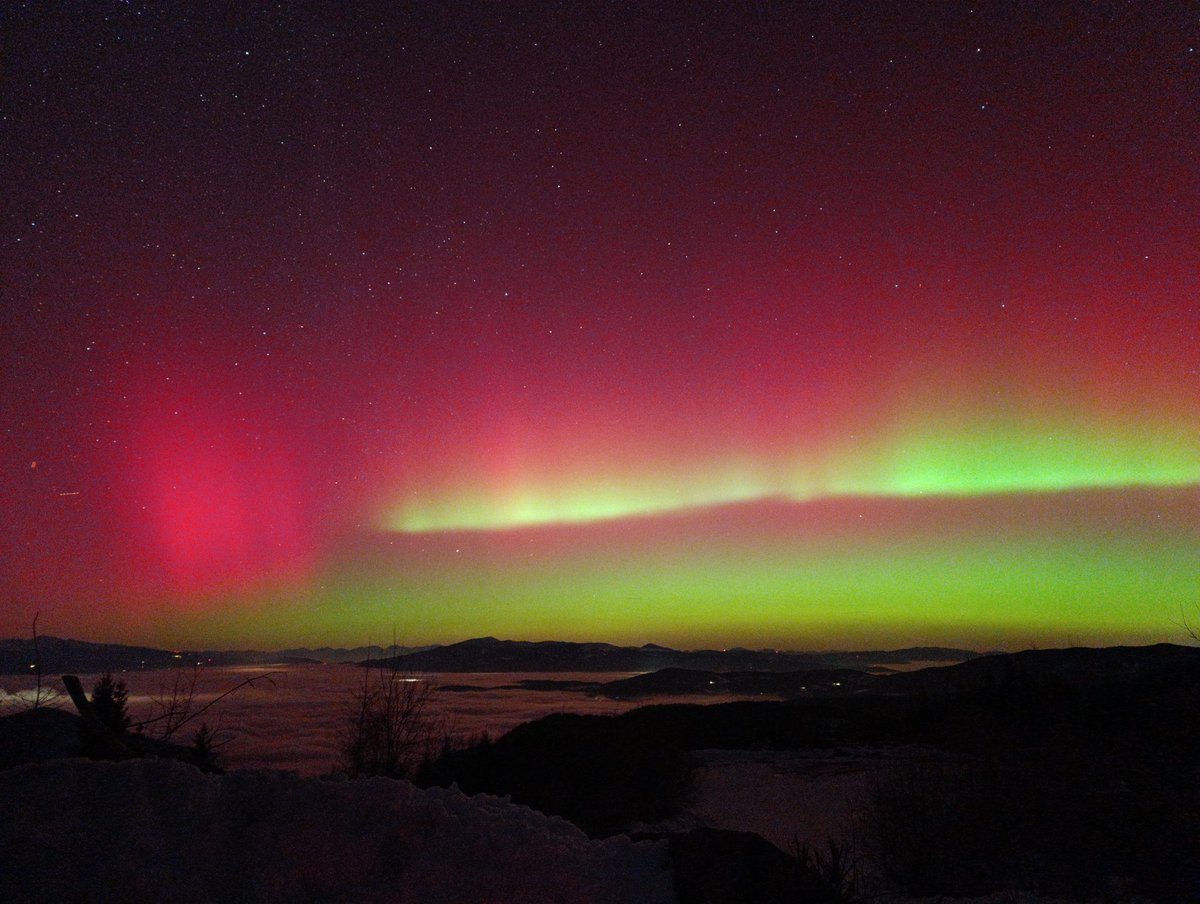
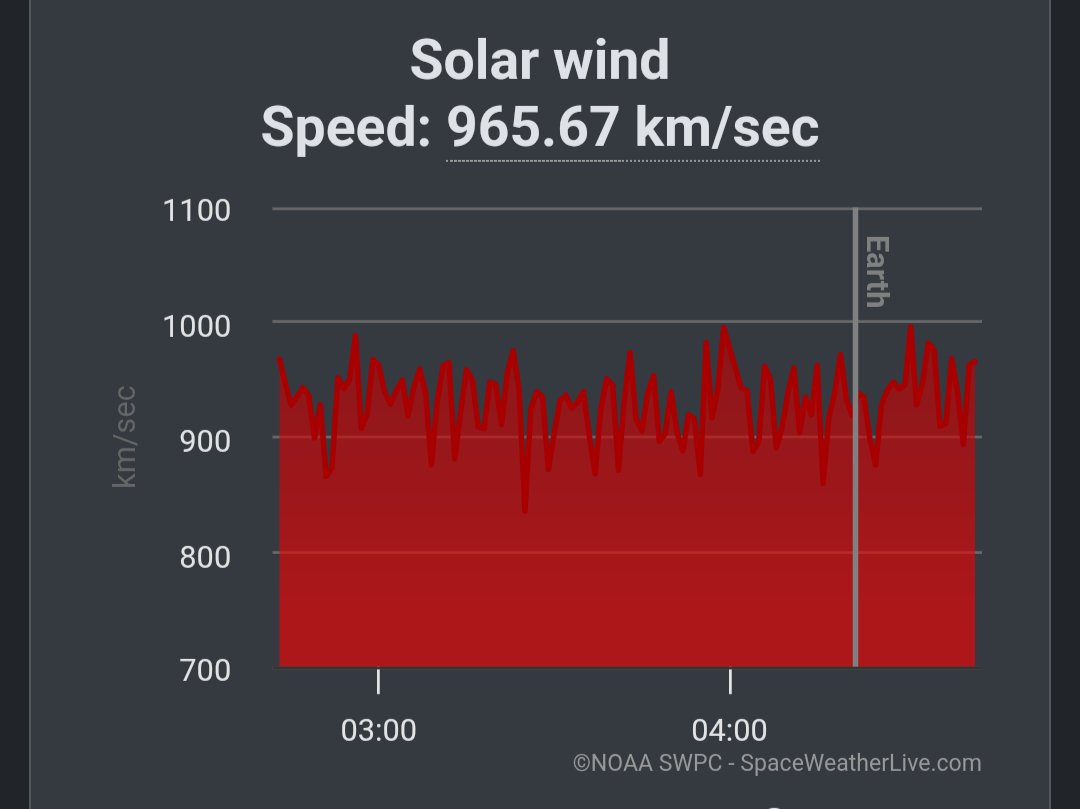
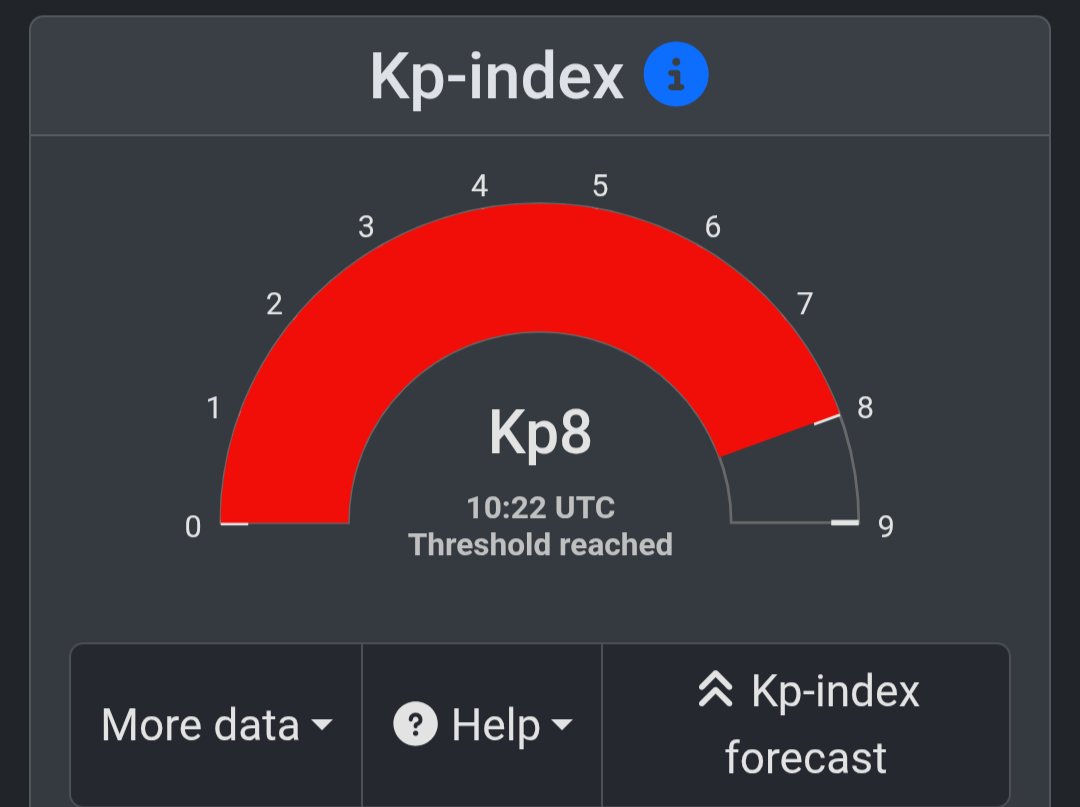
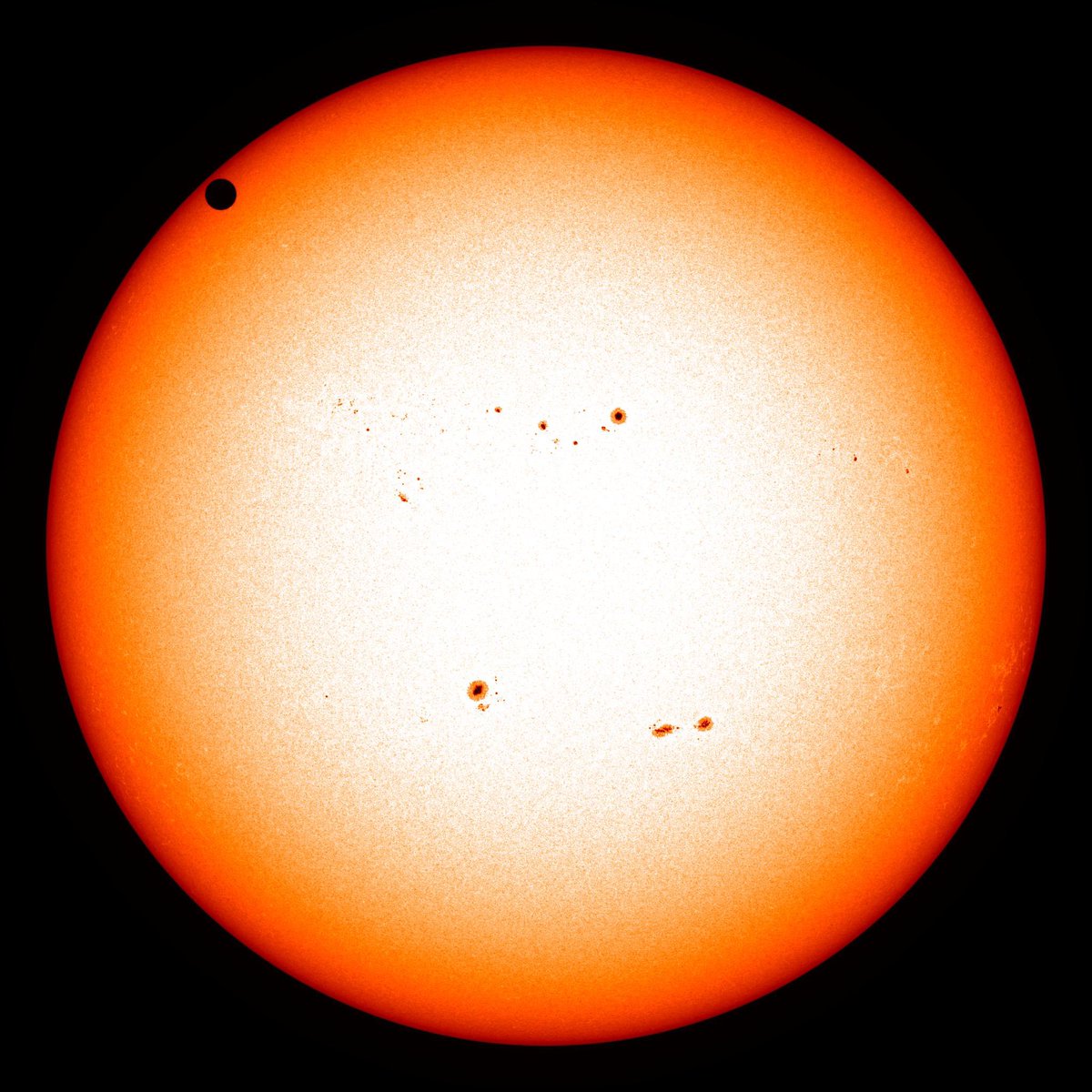
Guys, a few things. The strength estimate for the solar flare responsible for the Carrington event is A) a reconstructed estimate, so we don't know what X-level it actually reached and B) the strength of a solar flare =/= the strength, size, or magnetic field configuration of a coronal mass ejection IF one is launched. The Carrington Event CME was faster than this solar storm, but the total magnetic field strength for this storm did reach comparable levels at 90 nT for Bt. If the field for this storm had been sustained southward -Bz instead of +Bz, we would've had the strongest solar storm of solar cycle 25 and perhaps the strongest since 1989. GPS likely would have gone down, aurora down to the equator, widespread radio blackouts. Was this storm a Carrington level impact? No. Near Carrington level? Yes