Change your mop water. A dirty bucket doesn't clean a floor — it redistributes soil across it. Fresh solution every few rooms, or a two-bucket setup. Rule of thumb: if you wouldn't wash your hands in it, don't wash a floor with it.
Construction finished ≠ space ready.
ACS handles post-construction dust, floors, glass, fixtures, vents, and detail cleaning so commercial spaces are ready for turnover and use.
Bright. Clean. Ready.
Book an ACS walkthrough.
#PostConstructionCleaning#CommercialCleaning
Vacuuming isn't the boring part — it's the foundation. A HEPA-filter vacuum traps fine dust instead of blowing it back into the room. Slow, overlapping passes pull more soil than fast ones. Speed costs you the result.
Post-construction cleaning starts with the walkthrough.
We assess the dust, debris, floors, glass, offices, and overall condition so the cleaning plan matches what the facility actually needs.
Construction or renovation wrapping up? Book an ACS walkthrough.
#CommercialCleaning
Before we quote a commercial facility, we walk it.
We measure the space, review bathrooms and specialty areas, understand the scope, and then build the cleaning plan.
Better information → better quote → better service.
Ascent Cleaning Solutions
#CommercialCleaning#Facility
Apartment turnovers move faster when cleaning isn’t the bottleneck.
ACS handles vacant move-in / move-out cleaning, including kitchens, bathrooms, floors, baseboards and touchpoints, so units are ready for the next resident.
Book an ACS walkthrough.
#PropertyManagement
A clean commercial space isn't luck — it's a system: right order, right dwell time, right high-touch focus, done consistently. That's what we bring to offices and facilities across Nashville & Middle TN. Book a walkthrough.
Most of the dirt in a building walks in the front door. Good entry matting and regular floor care keep soil from spreading through the whole space. A strong first impression starts at the threshold.
Indoor air quality isn't only about surfaces. Changing HVAC filters (MERV-13 where the system allows) and keeping air moving cuts the dust and particles that settle right back onto your floors and desks. #FacilityCare
A surface can look spotless and still carry germs — and disinfecting a dirty surface doesn't work well either. 'Looks clean' and 'is disinfected' are two different standards. Good crews respect both, every visit.
Don't clean the restroom and the breakroom with the same cloth. Many crews use color-coded microfiber to keep zones separate — an operational convention, not a universal rule, but a smart way to stop cross-contamination.
In any commercial building, the restroom sets the tone. Stall latches, faucet handles, dispensers, door pulls — all high-touch, all worth daily attention. People judge the whole business by the room they trust least.
Every EPA-registered disinfectant has a label for a reason: dilution, contact time, surface compatibility, PPE. 'A little extra' isn't stronger cleaning — it's off-label. The label is both the instructions and the standard.
Even one product used correctly puts fumes in the air. Open a window, run the exhaust fan, keep air moving while you clean. Better airflow means a safer crew and a fresher space when the work is done.
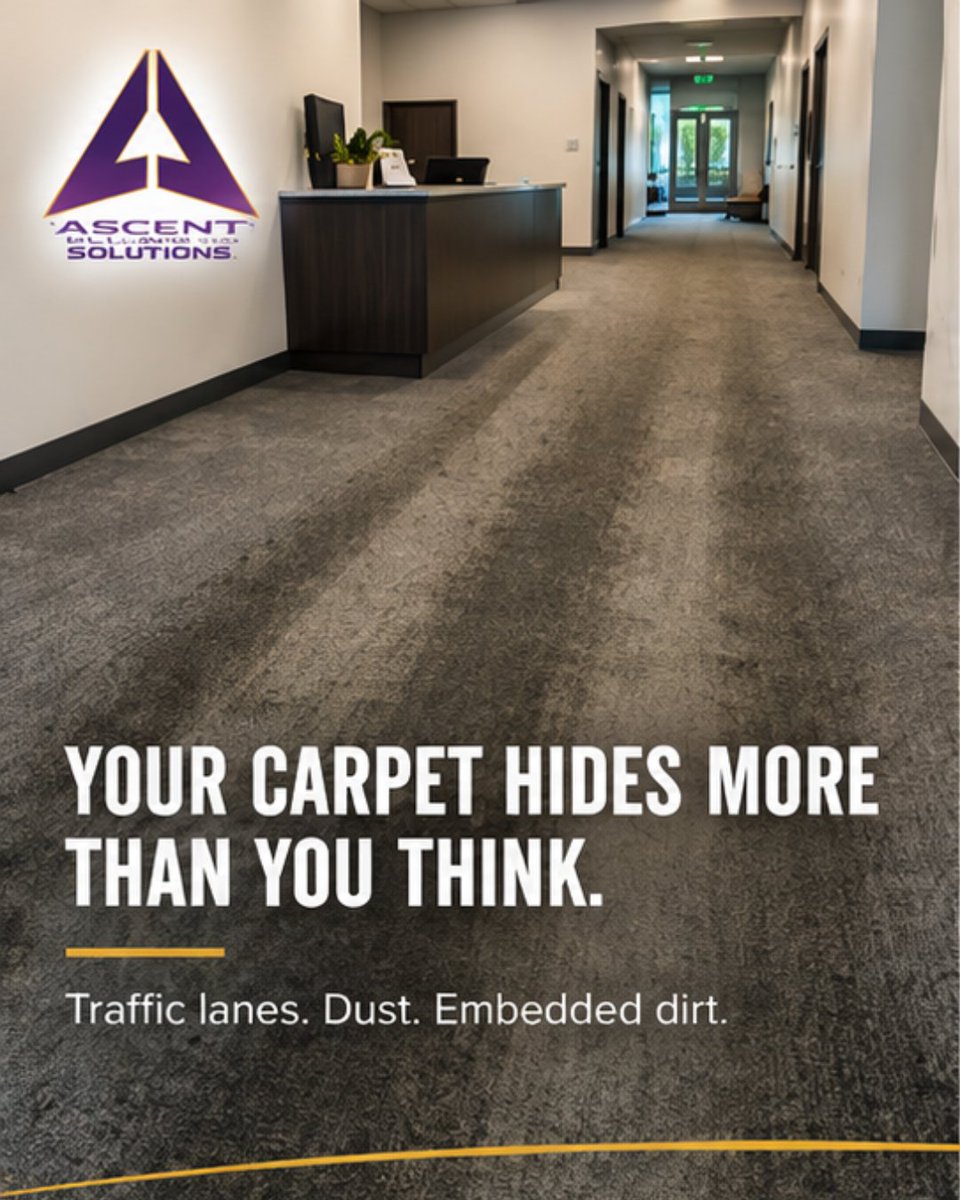
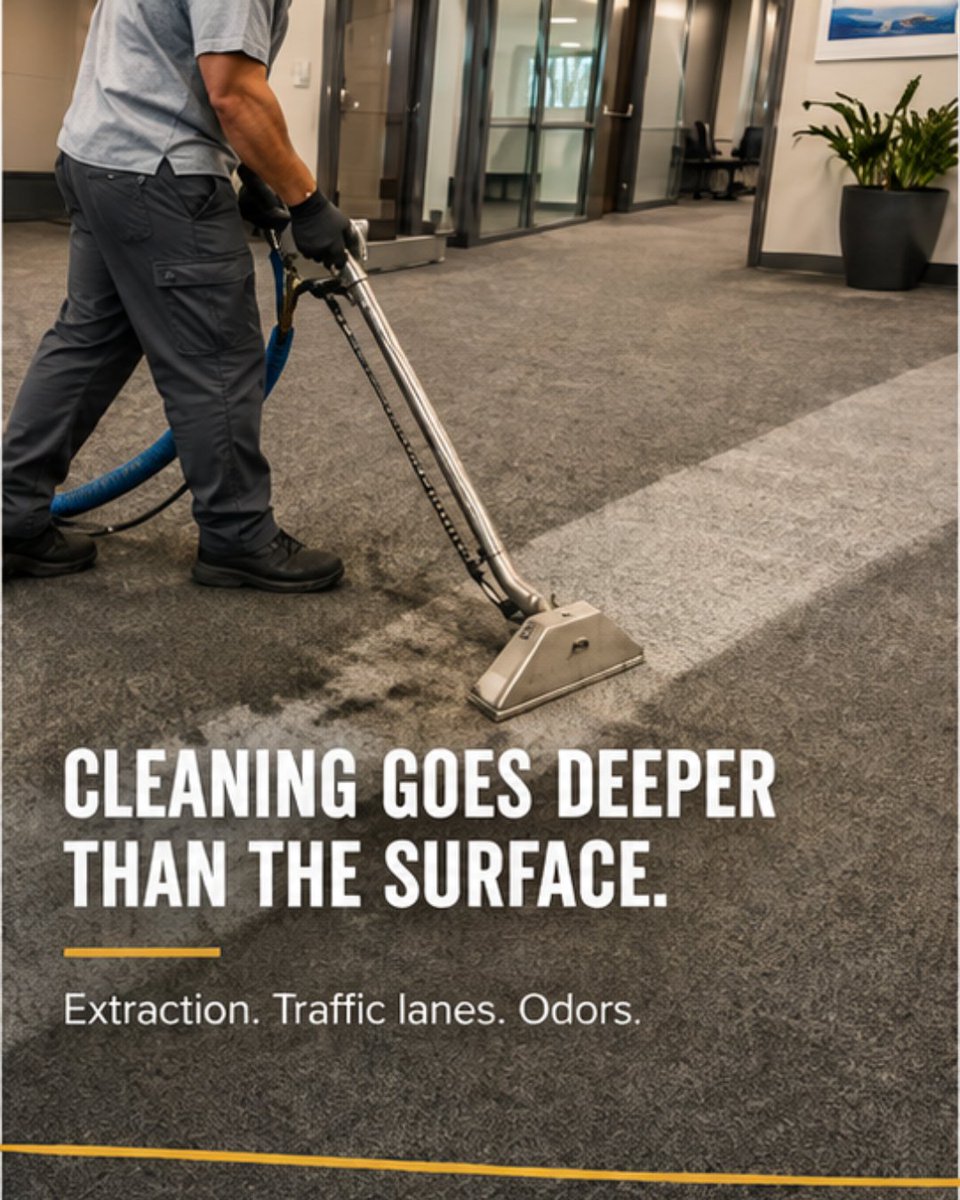
Your commercial carpet can look clean while hiding years of traffic buildup and embedded dirt.
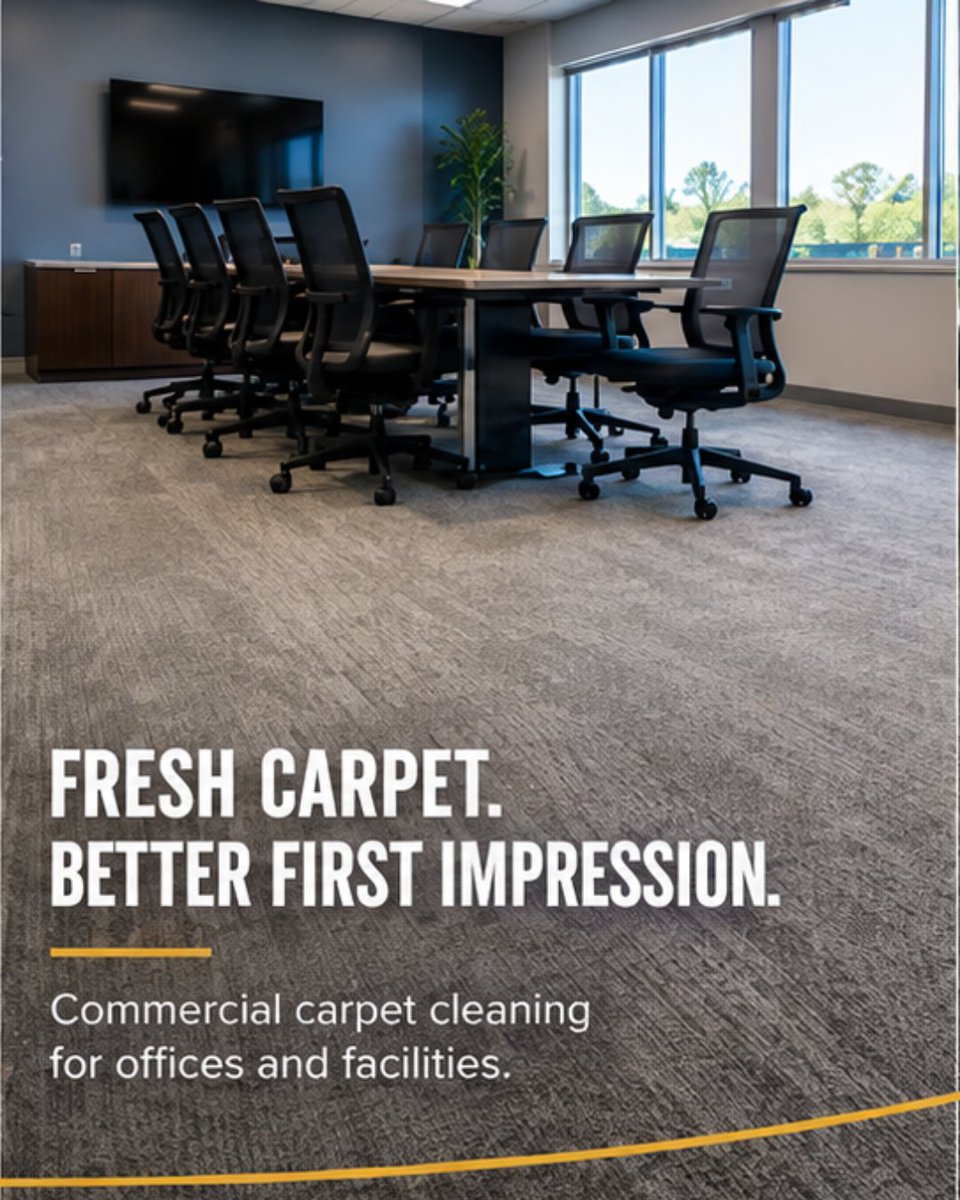
Clean carpet. Better first impression.
Book an ACS walkthrough.
#CommercialCleaning#FacilityManagement#CarpetCleaning
Never mix cleaning chemicals. Bleach + ammonia makes toxic chloramine gas; bleach + acid makes chlorine gas. One product at a time, per its label, gloves on, air moving. Safety isn't the extra step — it's the first one.
Wet floors turn cleaning into an injury fast. Post yellow caution signs, clean one side of a walkway at a time, and keep the area well lit. A safe crew is a professional crew. #CommercialCleaning
You don't have to fog every surface every day. Per CDC, routine cleaning once a day is usually enough for most spaces — step up to disinfecting when someone's been sick or the area is higher risk. Clean smart, not just hard.
Cleaning, sanitizing and disinfecting are not the same job. Cleaning removes dirt + germs. Sanitizing lowers germs to a safe level. Disinfecting kills them. Knowing which one a surface actually needs is half the work.
Germs gather where hands go: doorknobs, light switches, shared desks, phones, faucets, elevator buttons. In a busy commercial building, these high-touch spots earn a clean at least once a day. Miss them and you miss the point.