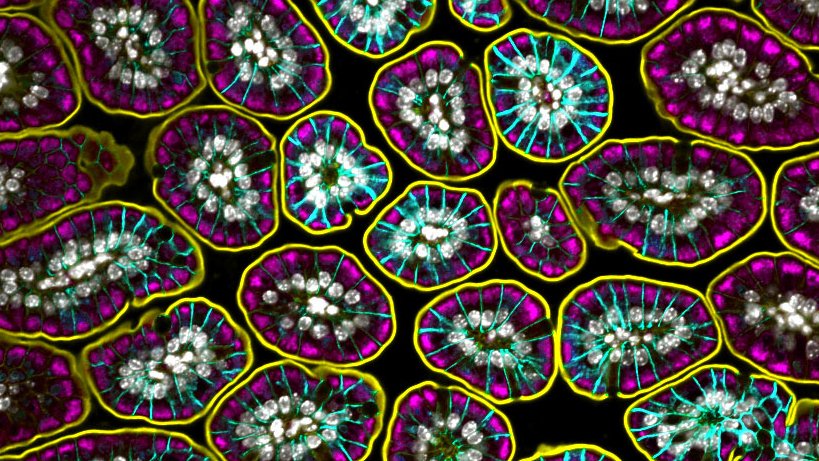
We are releasing STRESS, an automated software to measure mechanical stresses in 3D multicellular systems using oil droplets or (some) gel microbeads. The software was developed by awesome postdoc Ben Gross and great graduate student @ElijahRShelton. https://t.co/hPdt4EFWPm 🧵
@CampasLab yes, that is what we do usually. we would like to confirm forces felt by cells and assess whether there can be inhomogeneity in tension between cells or withun cells (as there is strong segregation of cytoplasm in our cells).
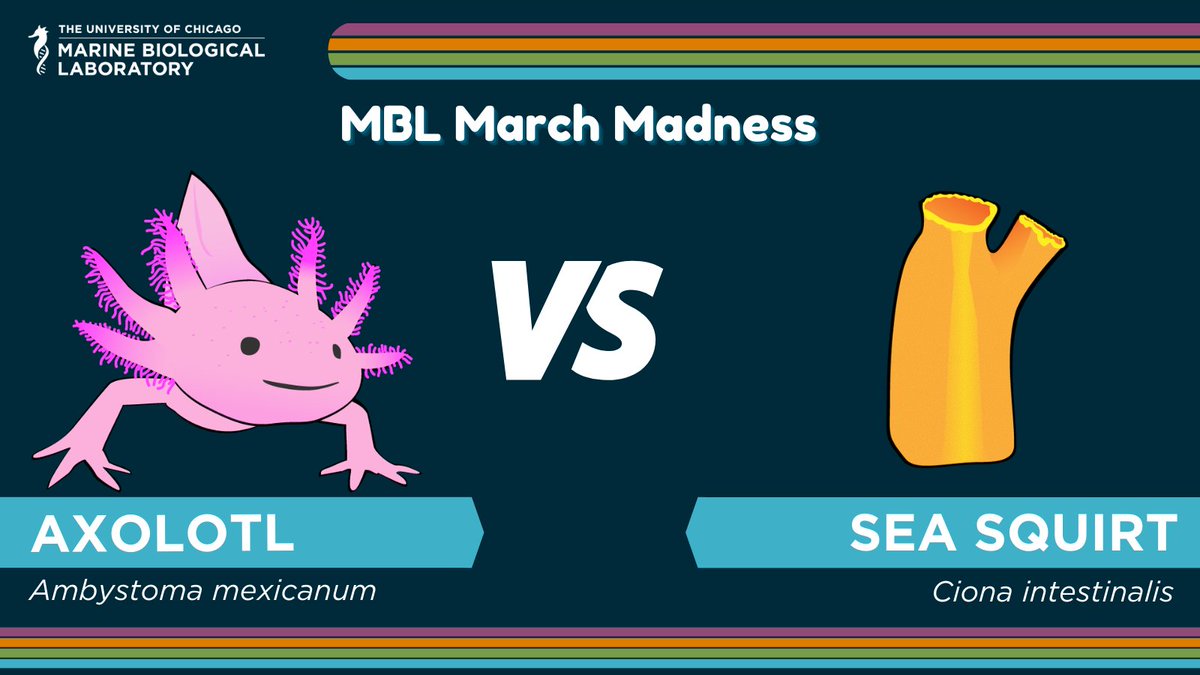
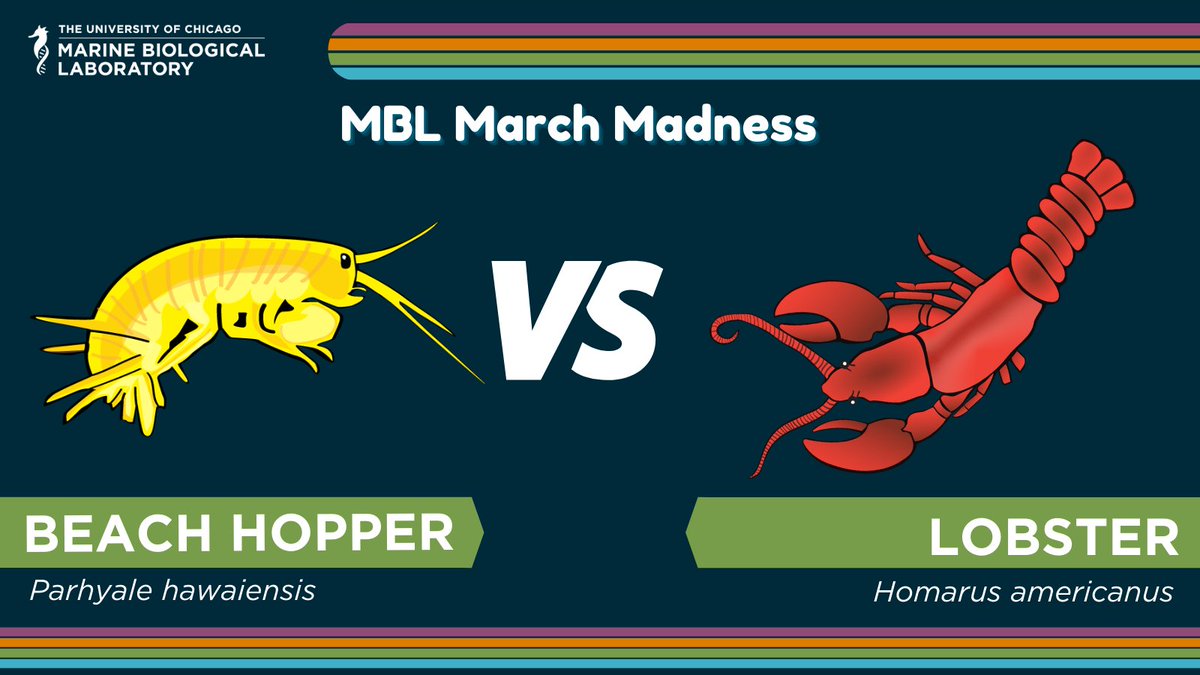
Are you ready for our next round of #MBLMarchMadness? We have two great match-ups for you today!
From the Deuterostome Division: It's Axolotl v. Sea Squirt and in the Ecdysozoan Division: Beach Hooper v Lobster!
Vote in the polls below to choose your winner!
I love the idea of shared talks between scientists from different disciplines who work together for #interdisciplinary research. I hope it will show that I hardly know or understand any physics 😩 but that we have learned to discuss through a common language to bridge disciplines
Researchers at @Toliclab optogenetically controlled the important cell-division protein PRC1 reveals its role in chromosome alignment on the spindle by overlap length-dependent forces https://t.co/hO8WkjT3le
Phallusia magic : the pigmented cell leaving the neural epithelium to go into the brain cavity is called the otolith. the other pigmented cell (in green too) is the ocellus.
My question : is the otolith undrgoing "cell slithering" ??