How science works according to Nobel Prize winner Thomas Südhof:
Very often, politicians think that you can tell scientists what they’re supposed to discover. You can’t! Scientists don’t know what they are going to discover. They have to try things. They have to have curiosity and ideas, but they also have to have the knowledge to try things. Very often, it leads to nothing; it’s a waste. But we didn’t know when we started it’s a waste. But when something does work. When something clicks, it is exciting and rewarding but it’s never just one click. You get a result on it, you’re hopeful, you build on it. Maybe it’s confirmed you’re even more hopeful. So it’s an incremental process. It is never one thing - boom we discovered a major thing, my god this is it. It is more like walking up a flight of stairs where each step counts and the higher up the stairs you go the better you can see what’s on top and become excited about what’s there and how you can use.
Papers like this are why science remains endlessly exciting. This one made me feel the same wonder I felt at 15 when I first discovered science. || Homing pigeon navigation relies on superparamagnetic macrophages under overcast conditions | Science https://t.co/Rl3AlgF982
Decades of work, custom-built equipment, promising cancer research - all damaged or lost in a single night. Help the Weizmann Institute bring science back to life. DONATE NODecades of work, custom-built equipment, promising cancer research - all damaged or lost in a single night. Help the Weizmann Institute bring science back to life. DONATE NODecades of work, custom-built equipment, promising cancer research - all damaged or lost in a single night. Help the Weizmann Institute bring science back to life. DONATE NODecades of work, custom-built equipment, promising cancer research - all damaged or lost in a single night. Help the Weizmann Institute bring science back to life. DONATE NOW
Congratulations to @MDAndersonNews' @PamSharmaMDPhD, @SKopetz and @ELTravisPhD for being honored by @AACR for their remarkable accomplishments. We are so proud of your leadership and your impactful contributions to oncology. #EndCancer#AACR24
קהילת מכון ויצמן מתאחדת בצער עמוק על מותם של חפים מפשע ומייחלת להחלמתם של הפצועים ולשובם של השבויים, החטופים והנעדרים בשלום.
בשעה קשה זו, אנו מחזקים את תושבי כל ישראל, כוחות הביטחון וההצלה ומקווים לימים שקטים יותר.
שמרו על עצמכם ועצמכן.
In light of the recent events, the Weizmann Institute community extends its deepest sorrow for the loss of life, and hopes for a full recovery of those who have been injured and safe return of those who have been abducted or missing.
In this dark hour, we send our support to citizens across Israel, IDF soldiers, security forces, and rescue workers, and we hope for better days ahead.
Stay safe.
Weizmann Institute of Science researchers have created complete models of human embryos from stem cells for the first time!
Today, this groundbreaking research by Prof. @Jacob_Hanna’s team at the Molecular Genetics Department was published in the scientific journal @Nature (1/4)
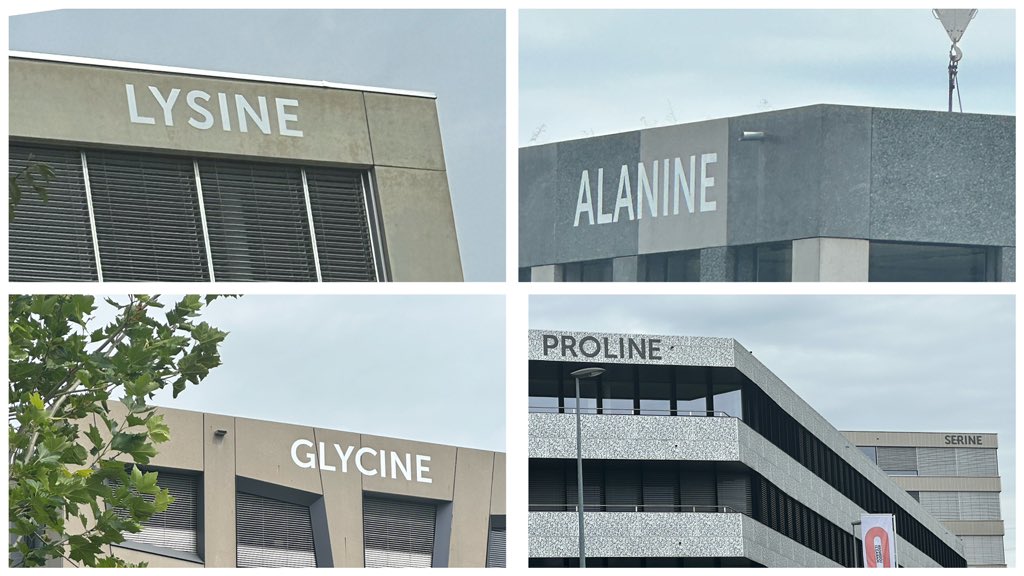
in Lausanne, Switzerland🇨🇭all the buildings are designated by an amino acid, then the streets named after the peptides they form—avenue d’insuline, rue de calcitonin, chemin cathelicidin, etc.
sort of cool I guess, but the Uber driver pretty much needs a PhD in biochemistry
Our daughter has been diagnosed with this rare brain cancer, DIPG. Due to its rarity, available data and treatment options are limited! Please retweet and If you are aware of any trials, please get in touch! Thank you!
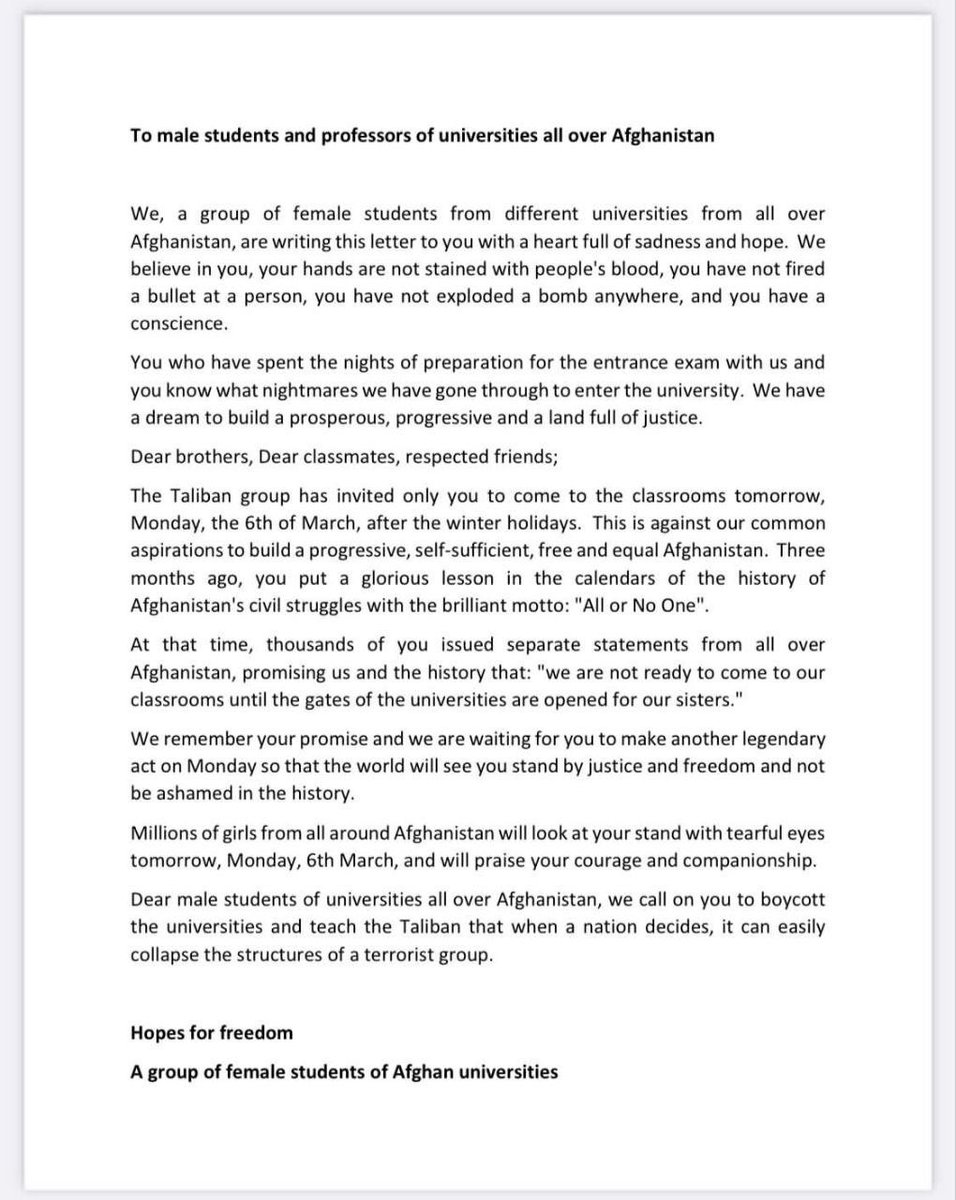
Reopening of universities in Afghanistan today and no women allowed so female students appealing to male students to boycott. Let’s see if the men stand up for the women
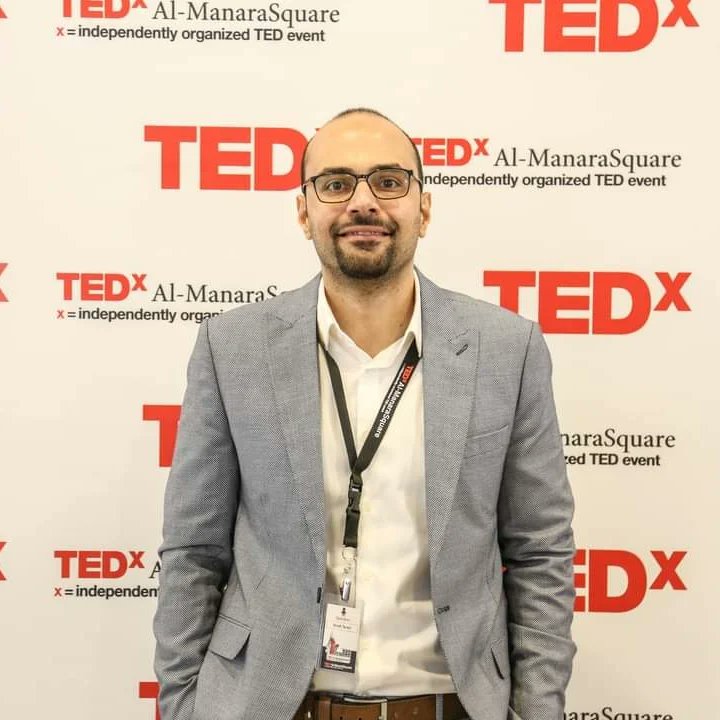
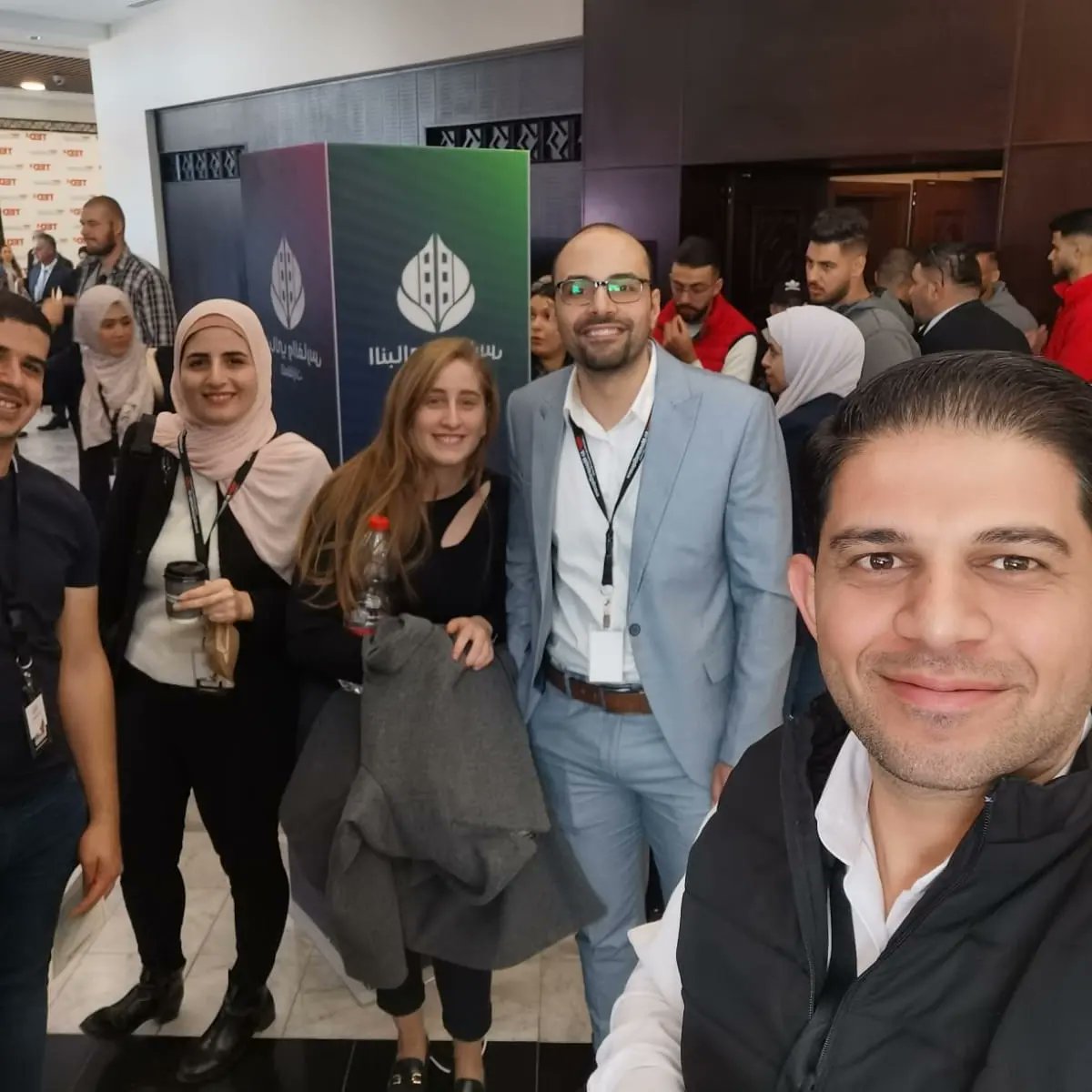
Its was amazing new cultural experience today in #ramallah#Palestine#TEDx#wedeserve . Despite the fact that the slides get stopped in the middle 🤣, It was overall wonderful, thanks Wajdy Hussain Rateb H Rabi for invitation. Thanks to my family and friends for the support 😍.
1/5
I just saw a CRIPSR screen paper that broke my heart. So a quick rant about CRISPR screens for finding host factors involved in viral infection.
TL;DR - you're only going to find what your screen is set up to find...
Most (if not all?) CRIPSR screens for viruses are based on
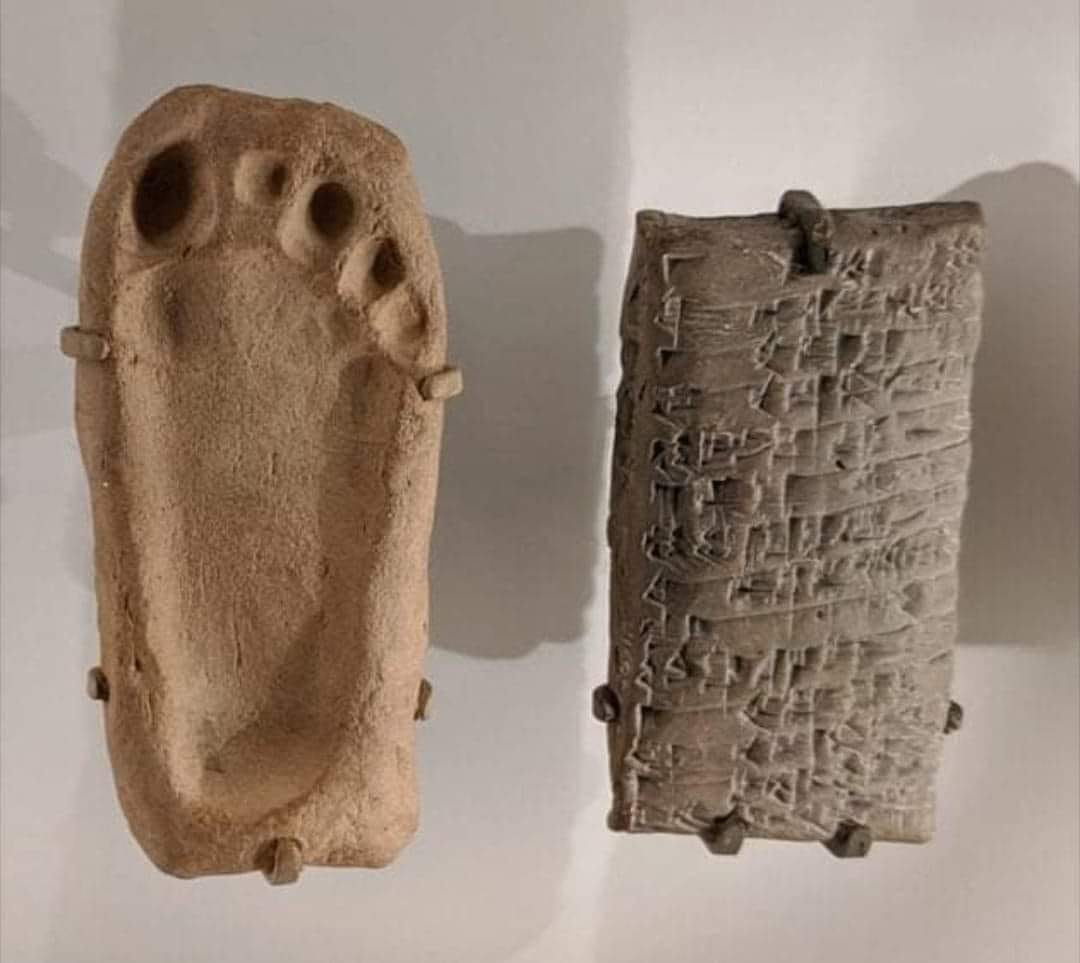
"Sumerian Birth Certificate"
Clay tablet from 2000-1595 BC, contains birth of a child, its gender, name of his parents and also a footprint of child. Found in Sumerian city of Nippur in southern Iraq.
Penn Museum