I carried a watermelon...
Senior Lecturer @UniCanberra @NewsMediaRC | Intercultural communication, accessibility, media policy, inclusion | Opinions my own
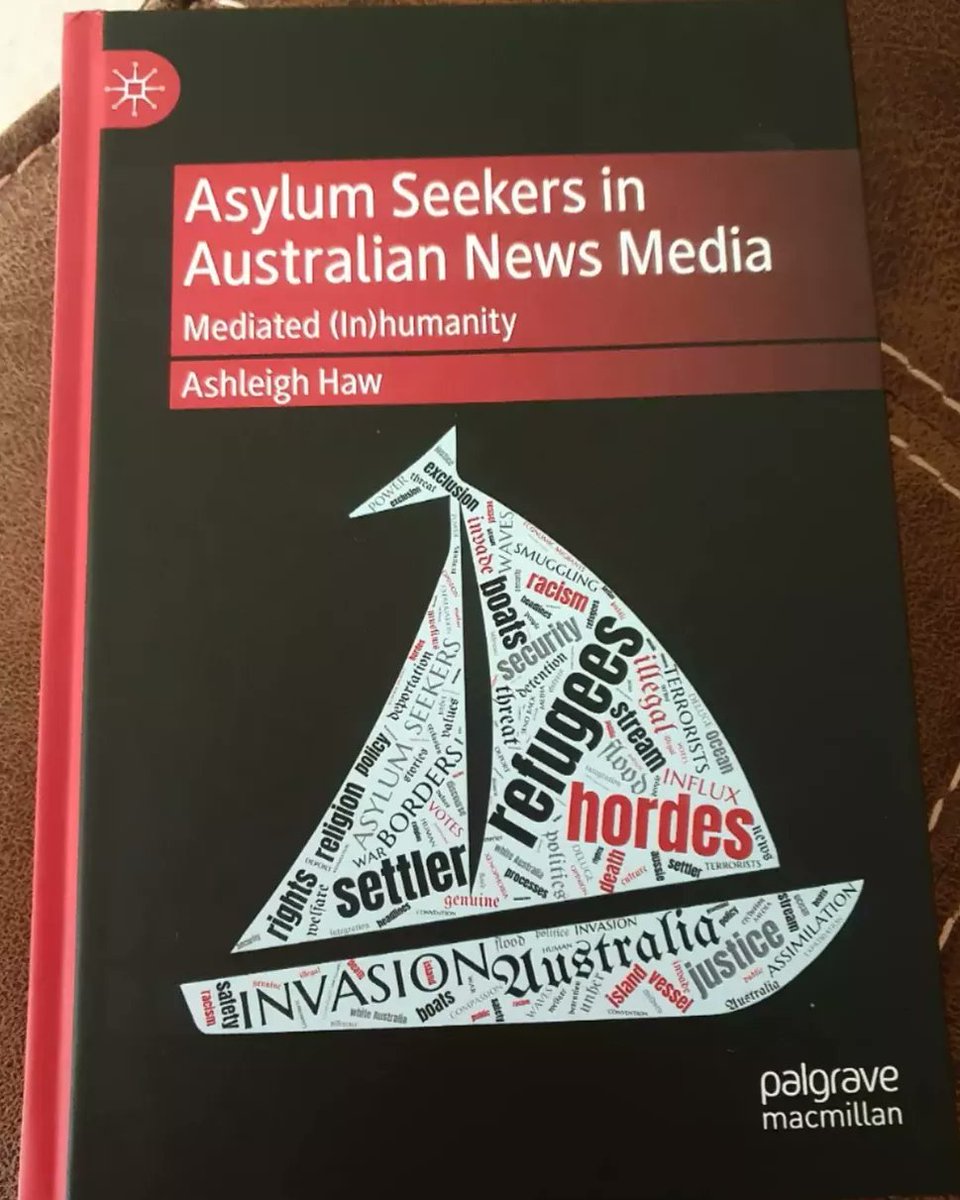
Amid all my excitement about picking up the hard copies of my book last week, I totally forgot to share the good news with my Tweeps ☺️ (oops)!
I'm beyond excited to announce that my first sole-authored monograph is finally out in the world! 🧵 1/6
Today is Disability Day of Mourning.
People with disabilities are far more likely to be trapped in abusive relationships.
To be killed.
To be assaulted.
We’re forced into legislated poverty & made to be dependent on people who don’t always have our best interests at heart.
Chronic illness creates a double bind most people never notice.
The more private you are about your symptoms, the less people believe you.
The more you share, the more you’re judged for talking about it.
There’s no winning.
People complaining about children being fed and parents being able to get to work easier are evil. I said what I said.
People shouldn't have to struggle because people struggled in the past. Why would you argue against progression. Pure selfishness and greed.
Remote work is one of the most powerful accessibility tools we have. For many disabled people, it’s the difference between being able to contribute or being excluded altogether. Claiming that in-person work is inherently “better” isn’t just misguided, it’s ableist. It devalues those of us who can only participate remotely (myself included) and reinforces a dangerous narrative that disabled voices are optional, disposable, or less valuable.
And don’t even get me started on the unnecessary climate impact (I’m looking at you in-persona academic conferences).
But remote optiobs aren’t just more accessible to disabled people, they are a better option for parents with young children, people in remote areas, those who cannot afford to commute, and many more.
So if you prefer in-person, that’s fine. But please keep that to yourself and work on being more flexible for the sake of inclusion.
'I know someone who got disability benefits for depression!'
'I know someone who got disability benefits for anxiety!'
'I know someone who got disability benefits for ADHD!'
Yes, those are all valid disabilities. What point did you think you were making exactly?
I’ve been screaming from the mountaintops for at least 5 years that most students are being required by many different forces to attempt too many credit hours and, while not the only explanation, being stretched too thin with little likihood to succeed is one reason for ⬇️
A Pattern I Can’t Ignore Anymore.
For the past three years, I’ve seen the same scenario play out—over and over, and it’s only getting worse.
A student starts missing assignments. I send a check-in. I offer flexibility, a meeting, support. Weeks go by. They resurface—apologetic, citing health or mental health issues. I respond with compassion. I extend deadlines. I make a plan. They thank me… And then… they vanish. Or miss more. Or book a meeting they never attend. Maybe they try one more time. Maybe they don’t. And then they’re gone.
This isn’t laziness. It’s not entitlement. It’s something bigger. Something systemic. Call it burnout. Call it a mass disabling event. Call it post-viral sequelae. But don’t call it normal.
If this isn’t the aftermath of COVID, I don’t know what is.
I know this pattern is playing out not just in higher ed, but in healthcare, K-12 schools, the workplace. If you’ve seen it too—in your field, your family, your life—I’d love to hear from you.
Because we can’t fix what we keep pretending is just an individual failing.
energy-limited disabled people who are holding down a full-time job are often doing so at the expense of getting many basic personal tasks/chores done. just saying since many abled ppl can't connect dots.
I don’t think we’re giving the Claremont connection enough weight in this. If the fear of being murdered when taking a taxi has been drilled into you for all of your formative years it makes total sense that you’d go into fight or flight mode when a taxi starts doing weird things
No one who hasn't experienced chronic illness will understand the devastating grief of letting go of another day of your life. When you try to be active whatever that means for you and you realize you just can't do it today, that you have to let the day go and hope for tomorrow.
Let's get one thing perfectly clear: Diversity programs do not exist to preference under-qualified people over white men.
They exist to put well-qualified people on an even footing with mediocre white men who got to the front of the queue just by looking the right way.