For too long, schools have relied on pockets of excellence, brilliant ideas trapped in silos. Now, by treating talent and technology as part of the same ecosystem, we can scale that excellence across every classroom, every team, every learner.
https://t.co/eNHI7ExNAq
#ISTELive
GPT-6 Astra is here.
We hope it will begin to enable a new generation of entrepreneurship, scientific discovery, and building.
We believe it is the best model in the world for computer use, professional work, science, coding, cybersecurity, and more.
It took us some extra time to ensure that we could meet the safety and alignment standards required for this capability level, but we think you’ll find it worth the wait.
It scores 98% on FrontierMath Tier 4, 99.9% on ARC-AGI 3, and 100% on ExploitBench.
New from CodeAI: Next in AI Education, a series on the biggest questions in AI + education. Episode 1: Teachers are ready — the system isn't resourcing them to lead. Watch the full episode → https://t.co/793iwxXzRm @robertoalonsofl @askmsq
Sam Altman was asked what he'd teach his own son.
Not coding. Not prompting. Four things:
Learn how to learn - fast.
Adapt to constant, relentless change.
Figure out what people actually want.
Care deeply about other humans.
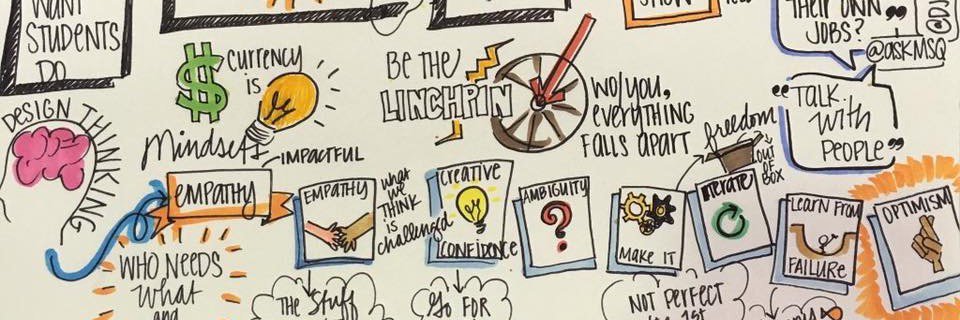
That means less time on compliance and more time on the messy, beautiful, deeply human work of learning how to learn, caring about others, and solving problems that don't have right answers.
I think that's important because technology will continue to change. The deeper work of education has always been helping people think, create, connect, and find meaning in the world around them.
That's the conversation I keep seeing in schools.
One thing I wasn't expecting from this workshop. This is a clip from a session I did with educators and school leaders, and while everyone came from different schools, roles, and experiences, many of the same ideas kept surfacing.
What stood out to me is that almost nobody was asking, "How do we use more AI?"
The conversation kept coming back to something much bigger.
What kind of experiences do we want students to have, and what kind of humans do we hope they become?
The question isn't, "How can AI do my job?" The better question is, "What parts of my job never needed me to be hands-on in the first place?" That's where the biggest opportunities are.
What questions do you have about building AI workflows that save educators time?
One of the biggest misconceptions about AI in education is that it's meant to replace teachers.
The opposite is true.
The best use cases I've found have nothing to do with replacing expertise and everything to do with protecting it.
The fastest-growing AI roles have nothing to do with coding.
Salesforce profiled the people building their AI agents. Their backgrounds? Poetry, linguistics, teaching, UX.