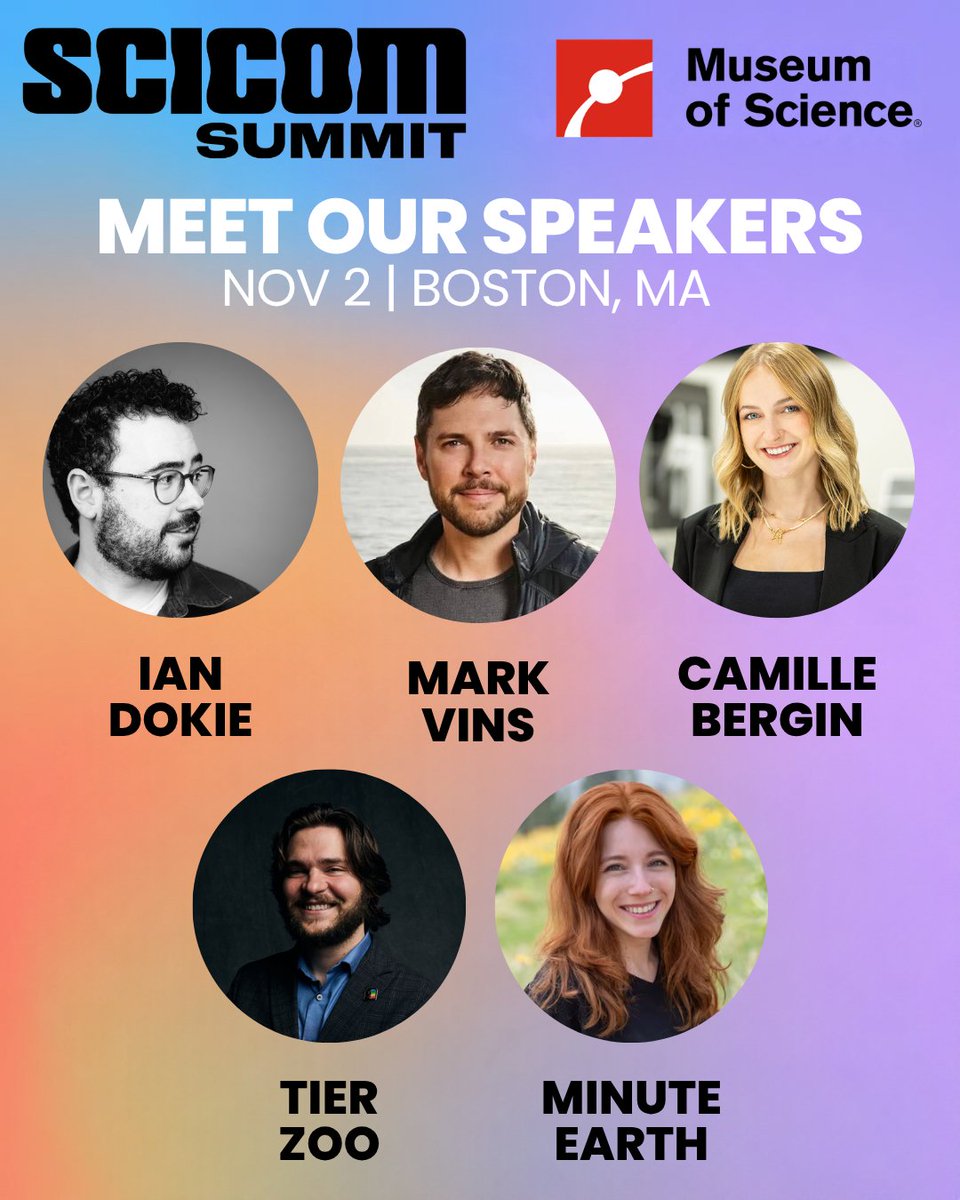
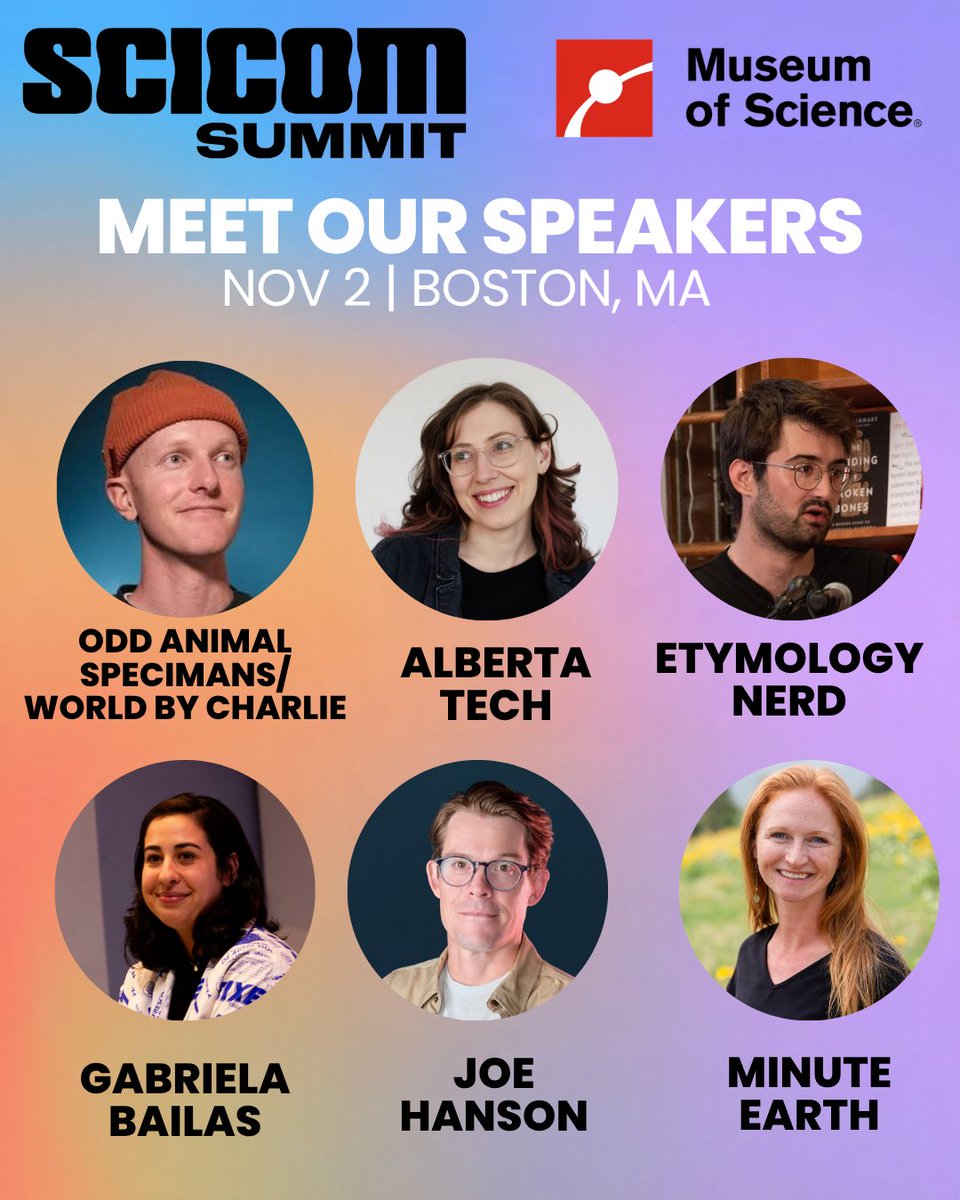
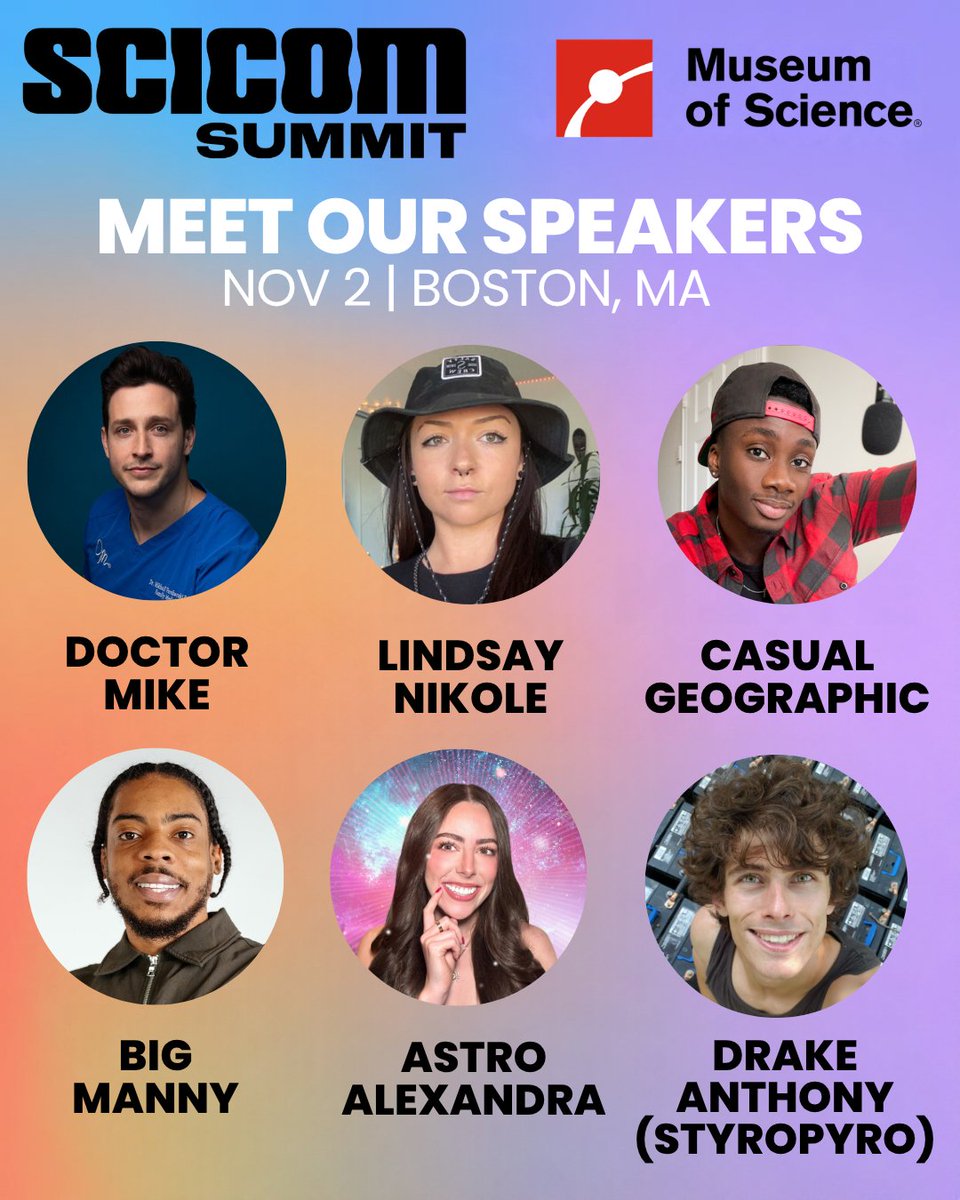
📢 Calling all Science Creators! Join us at SciCom Summit on November 2! 📢
Leading science creators, scientists, and communicators will spend a day at the Museum of Science's newly opened space, William & Charlotte Bloomberg Public Science Common, to explore the future of science communication.
With featured guests like @RealDoctorMike, @MinuteEarth, @astro_alexandra, and others, this exclusive, invite-only event will spark insightful conversations!
Learn More: https://t.co/E8kUt8EGEC
Calling all Science Creators! Join us at SciCom Summit on November 2!
Leading science creators, scientists, and communicators will spend a day at the Museum of Science's newly opened space, William & Charlotte Bloomberg Public Science Common, to explore the future of science communication.
With featured guests like @RealDoctorMike, @MinuteEarth, @astro_alexandra, and others, this exclusive, invite-only event will spark insightful conversations! Learn More: https://t.co/E8kUt8EGEC
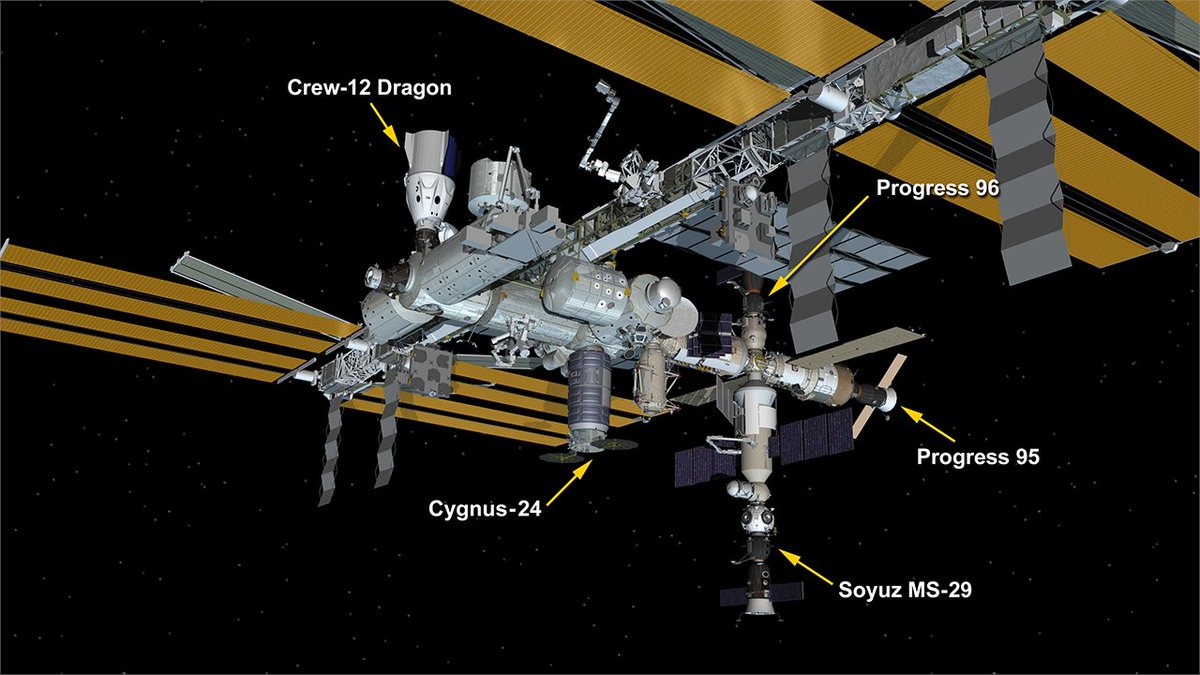
Five spaceships are now parked at the International Space Station following the docking of the Progress 96 cargo spacecraft to the Poisk module on Saturday, Sept. 19. More... https://t.co/itqaZ2njlt
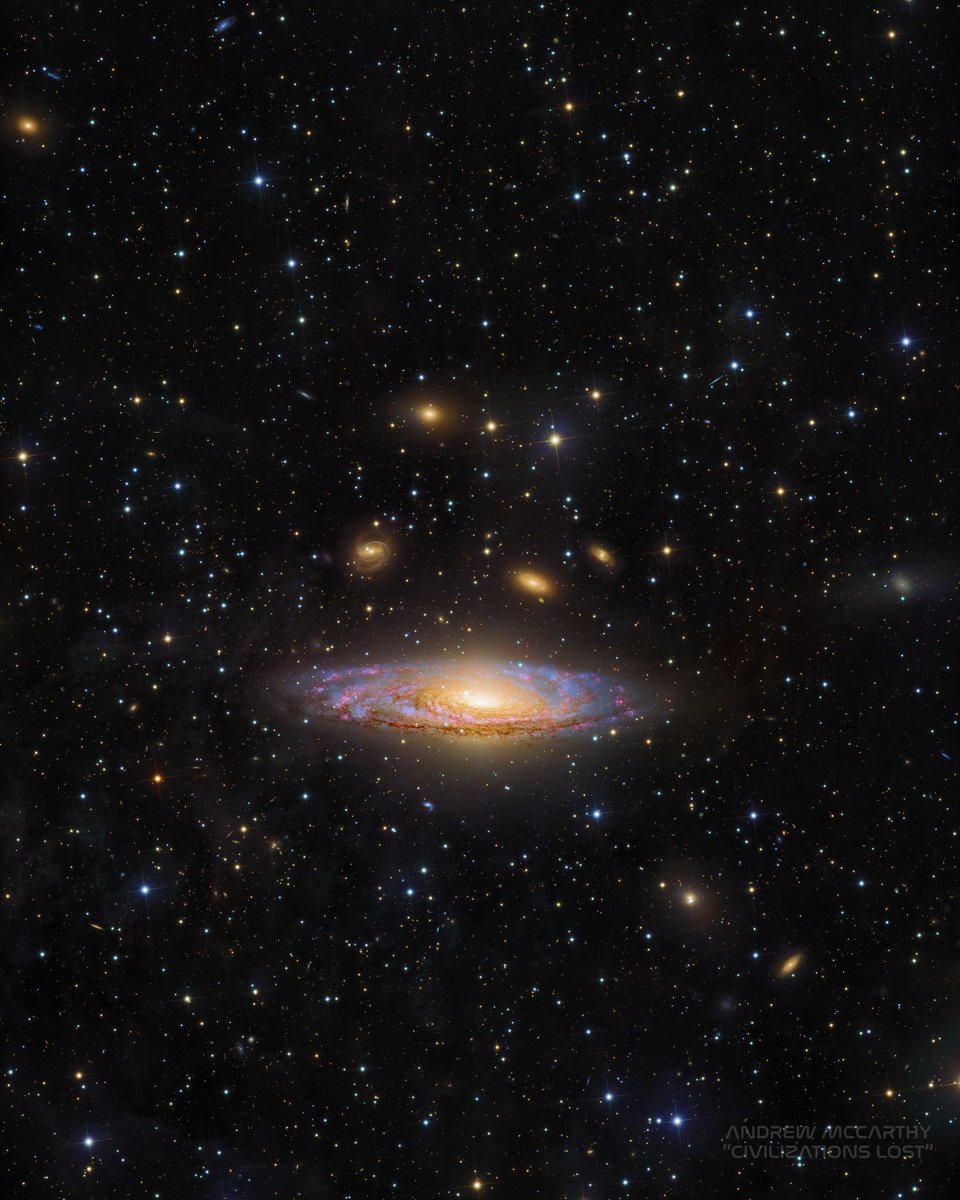
After capturing over 100 hours worth of exposures, I'm pleased to share my latest "Deep Field" image, containing THOUSANDS of galaxies and a brand-new supernova that just kicked off ~2 weeks ago!
Timelapse showing the supernova, prints, and more details in the thread 👇
BOOM!
I happened to be shooting this galaxy when a star decided to explode. Pretty lucky!
You can see it appear close to the galactic core. I’ll be shooting it every night for a while to watch it change brightness!
This is comparing photos captured 10 days ago vs 5 min ago.
Remember to take the lens cap off! 📷
Roman has a “lens cap,” just like your camera, but instead of coming off, it folds out like a visor on a hat. Our deployable aperture cover has also been released, protecting Roman’s instruments from the glare of the Sun.
If you want to get excited, here’s a simulation of what the Habitable Worlds observatory would see looking at our solar system from 40 light years away (about the distance of TRAPPIST-1 and LHS1140)
Yes, Earth is visible. And it is blue and green
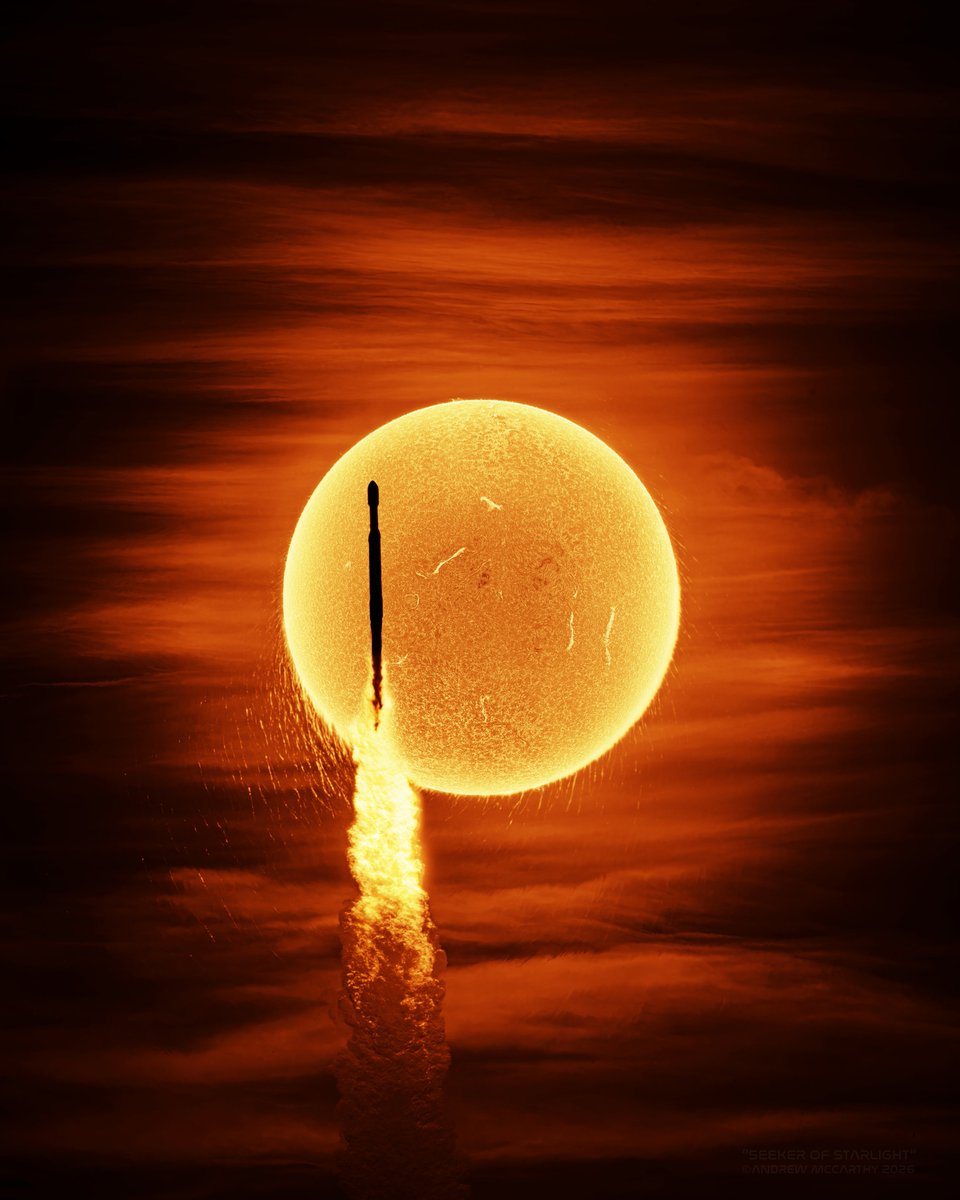
Pleased to share my favorite photo from yesterday morning.
Shot using 3 cameras from a parking lot: this is the Falcon Heavy carrying Roman Space Telescope transiting the sun.
More about how it was captured and a video of the transit 👇
Shades on and batteries charging! 😎 🔋
Roman’s Solar Array Sun Shield and Lower Instrument Sun Shade have successfully deployed, powering the observatory and shading its instruments!
https://t.co/RAUgaDDx0Z
Congrats, @NASARoman team — what an amazing launch! We are excited to follow the telescope’s journey to L2 and can’t wait to see what it reveals about the universe.
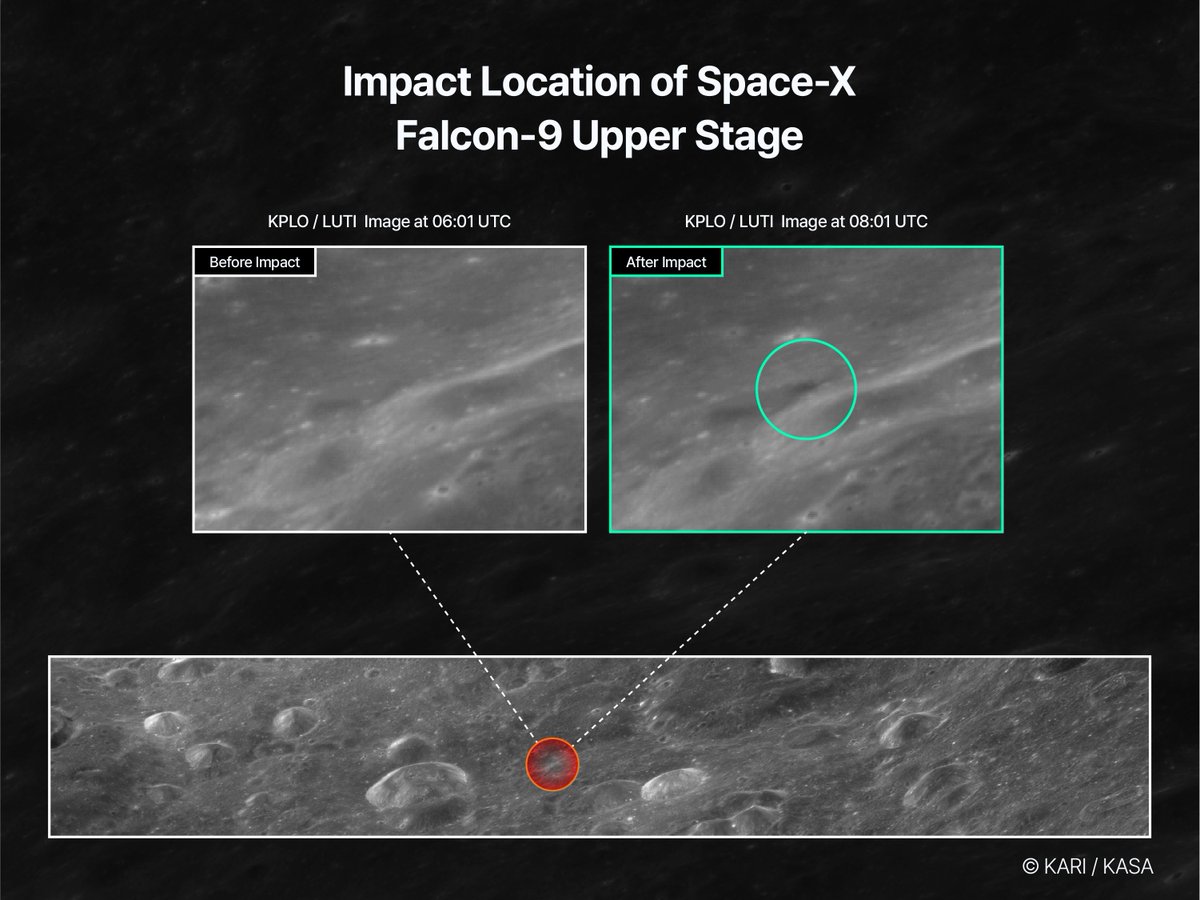
Spotted: Falcon 9 impact site
NASA’s Lunar Reconnaissance Orbiter (LRO) has captured images of a new crater on the Moon. The crater formed on Aug. 5, 2026, when a SpaceX Falcon 9 upper stage impacted the lunar surface. https://t.co/aqduBYwpmg
*Attention eclipse watchers*
There is a large prominence off the solar limb right now. During totality, you may see this as a bright pink outcropping from the rest of the solar disc!
Unfortunately it’s cloudy over my solar observatory so I had to reference public data.
Totality for this sunset eclipse is in less than 11 hours.
I’m currently prepping 8 cameras to capture it from the deck of a ship in the Mediterranean. Shoutout to @VirginVoyages for hooking me up with the spot!
Photos to come!
Give your classroom, locker, or dorm room a cosmic makeover!
AstroPix, from NASA's Universe of Learning project, offers access to the public image galleries of @NASA telescopes and other ground- and space-based observatories. Start your search here: https://t.co/joLvTKuv5L
Katalyst Space has successfully reduced the spin of their LINK robotic spacecraft. Now they’re preparing for the next steps in this mission designed to boost our Swift observatory to a higher altitude, including a flight software update to maintain stability. More: https://t.co/1KXKZf3BGD