Research by @atirstav & Risen suggests explaining learned material—a very effective learning strategy—is underused because of the self-threatening nature of knowledge reflection involved in explaining, and offers remedies to overcome this reluctance:
https://t.co/p9IjASlByT
What fuels thriving relationships? #Responsiveness: #Listening, understanding, and supporting each other.
In our new chapter, Harry Reis and I present an integrated model of responsiveness and its powerful impact on #connection and well-being.
https://t.co/Q9whbPtNJ8
After lecturing on findings that show that, while they don’t predict it, talking to strangers makes people happy (@AtirStav) I asked my students how a 3-min dance party would feel and then played Dance With a Stranger by @lakestreetdive … and they danced!
People who think they're an expert claim knowledge about nonexistent things; real expertise helps people stay within their "circle of competence" instead. From Harvard Business Review. w/ @atirstav
On Buffett, Moneyball, and mebamectin
https://t.co/fNon9byMhr
Are you staying within your circle of competence?
In recent research, we explain why feeling like an expert often leads to overestimating your knowledge—and how real expertise can protect you.
We discuss our results in this HBR article. W/ @daviddunning6
https://t.co/D0LZcahrKC
In an internal meta-analysis of 17 studies, greater expertise was linked with less "overclaiming" knowledge of bogus terms within one's domain of expertise.
The effect was larger when controlling for self-perceived expertise.
Do experts know what they DON'T know? Sort of.
Our new paper suggests that expertise has a small but detectable effect on recognizing one’s own ignorance.
@daviddunning6 https://t.co/cef9f7yt99
For example, we tested doctors, med students, and pre-meds with a list of medical terms, including some bogus ones. Doctors and med students were slightly better at saying "I don't know" than pre-meds.
So excited to be co-chairing the Self & Identity Preconference for #SPSP2024 with @AtirStav ! We have an amazing line-up of speakers and submissions are open now for the poster session, so come join us‼️ Can't wait to see everyone's amazing work 🤩
Very excited to announce my new paper w/ @isobelaheck & @K_Kinzler on how kids think about censorship and depictions of harm! Would kids censor if given the chance? If so, why?
1/n
https://t.co/1iDttLNPWe
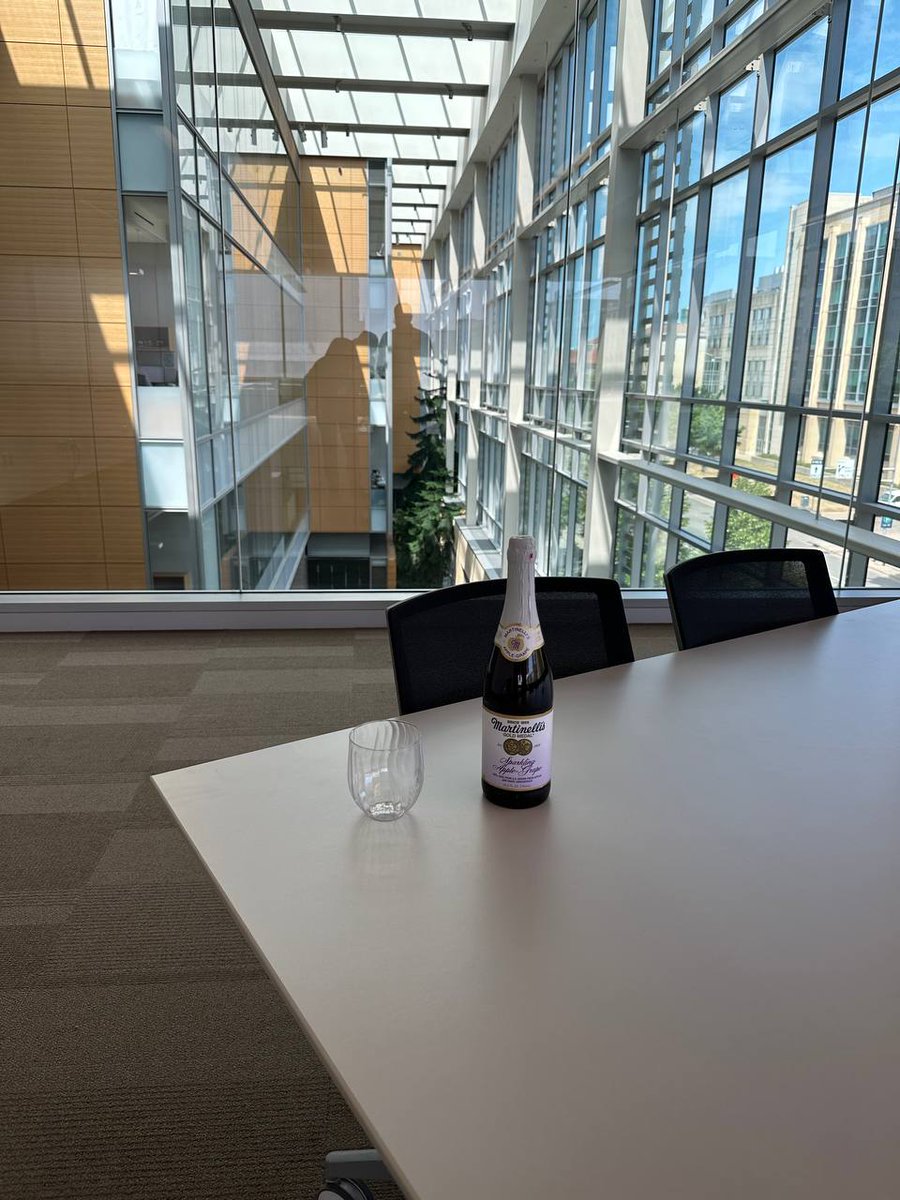
Thrilled to announce that I have defended my dissertation!
A huge shoutout and heartfelt thanks to the fantastic committee members @jon_eckhardt, @ProfLauraHuang, @brentdg2, @AtirStav, Martin Ganco for your continuous support and guidance.
Celebrating it with sparkling juice!
Loneliness is on the rise, yet people remain reluctant to connect with strangers. Why, and what can we do?
A new piece I wrote with @drxuanzhao and @tweetsbymidge for Current Opinion in Psychology.
https://t.co/soFgAgdVGe
Nice surprise that my paper on gender diversity and performance recognition in law enforcement with Jen Merluzzi won the best paper on environmental and social practices from @AOM_OMT
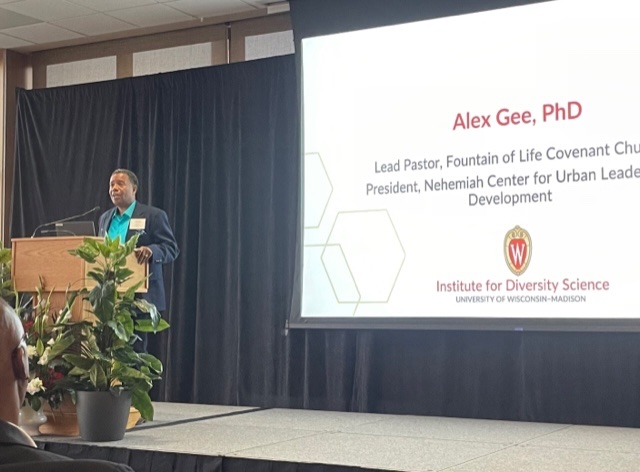
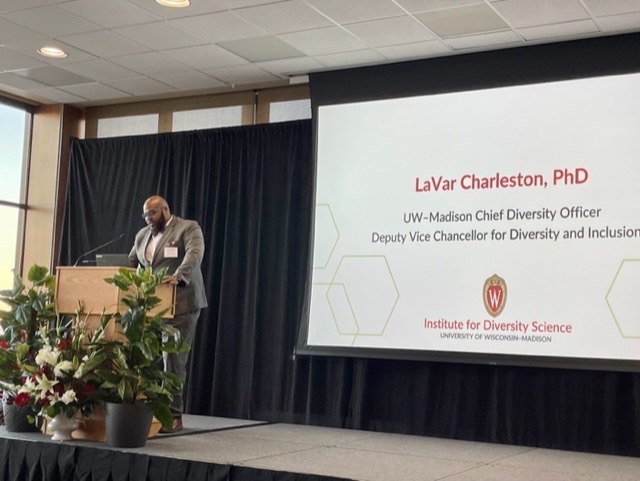
Huge congrats to @ambwinst and Markus Brauer (@brauerlab1) on the inauguration of the new Institute for Diversity Science. What a lineup of speakers from
@UWMadison and the wider community. Here's to continued success of the institute!!
Anyone know of any pre-registered experiments testing the happiness benefits of ANY workplace interventions (eg, flexible work policies, email-free Fridays, workweek reductions)? We can find ZERO, which seems crazy.