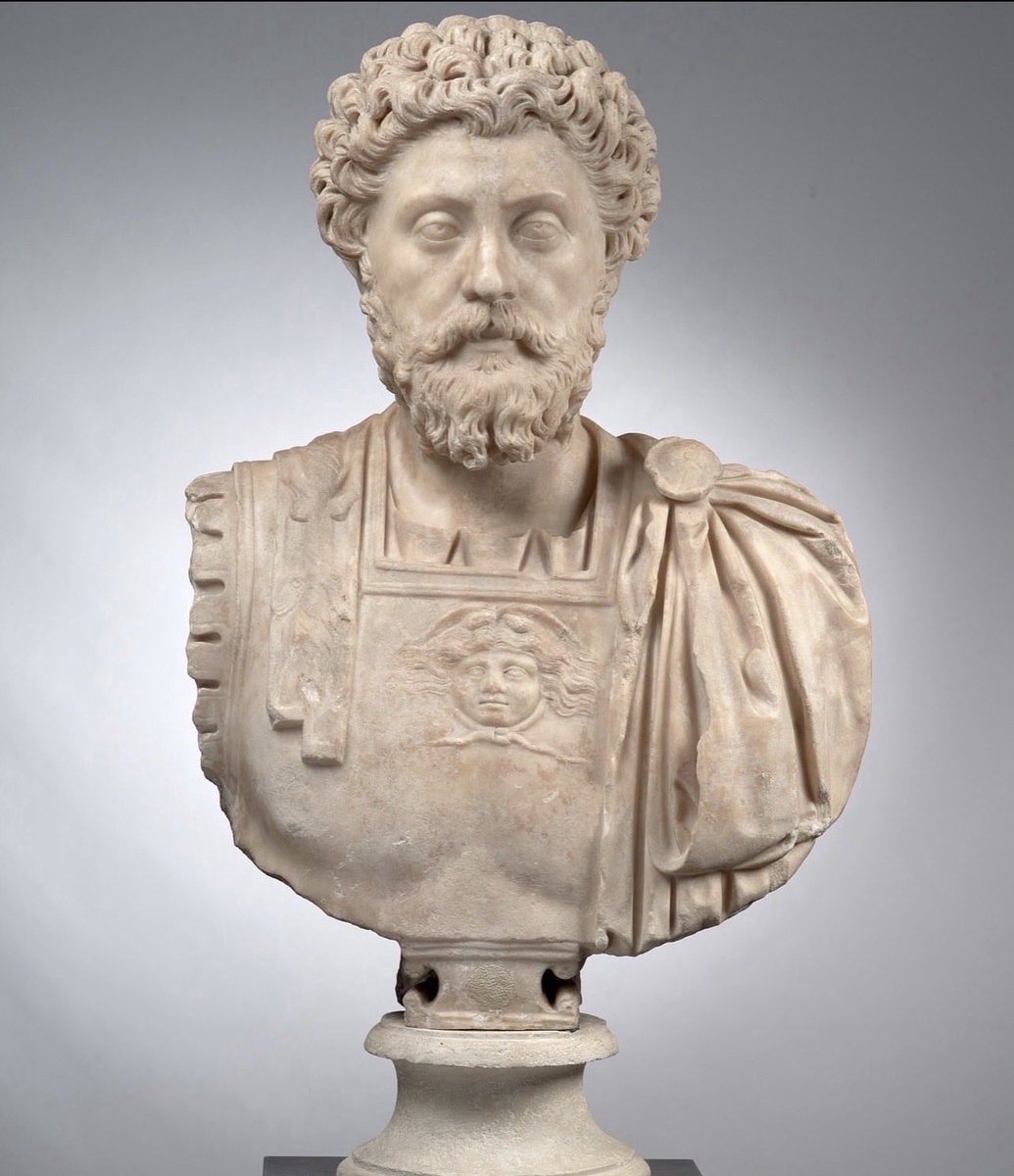
Begin each day by telling yourself: Today I shall meet with interference, ingratitude, insolence, disloyalty, ill-will, and selfishness, all of them due to the offenders' ignorance of what is good or evil. But for my part, no one can implicate me in what is degrading.
-Marcus Aurelius
Charles Hayter, Plate I, from An Introduction to Perspective, Practical Geometry, Drawing and Painting (1826).
Hayter derived secondary and tertiary colors through overlapping primaries, one of many competing color systems developed before modern color theory took shape.
Federico Fellini, "Films are written in light":
"Light is the very substance of a film. In film—I have said this before—light is ideology, feeling, color, tone, profundity, atmosphere, storytelling. Light is what adds, cancels out, reduces, exalts, enriches, creates nuances, underlines, alludes to; it makes the fantastic and the dream believable and acceptable or, on the other hand, makes reality fantasy and turns everyday drabness into mirage; it adds transparency, suggests tensions and vibrations. Light excavates a face or smooths it out, creates expression where none exists, endows dullness with intelligence, makes the insipid seductive. Light outlines the elegance of a body, glorifies a countryside which may be nothing by itself, gives a background magic. Light is the premier special effect, a kind of makeup, a sleight of hand, an enchantment, an alchemist’s shop, a mechanism for marvels. Light is the hallucinatory salt which, burning, unleashes visions. Whatever lives on film lives by means of light. The most elementary or crudely made set design can by means of light reveal unexpected perspectives or steep the story in a hushed, brooding atmosphere. Or merely by replacing a powerful light source with shadows, change of light can dissolve a sense of agony and turn everything serene, familiar, reassuring. Films are written in light, their style expressed by means of light."
— Federico Fellini: Comments on Film, edited by Giovanni Grazzini, translated by Joseph Henry (1988)
Cézanne's The Card Players (c. 1890–95) refuses to tell a story. There's no clear drama in the scene, no winner to root for—only form. The real tension lies in how a heavy brown coat balances against a pale pipe, how mass answers to line across the canvas. #artbots#cezanne