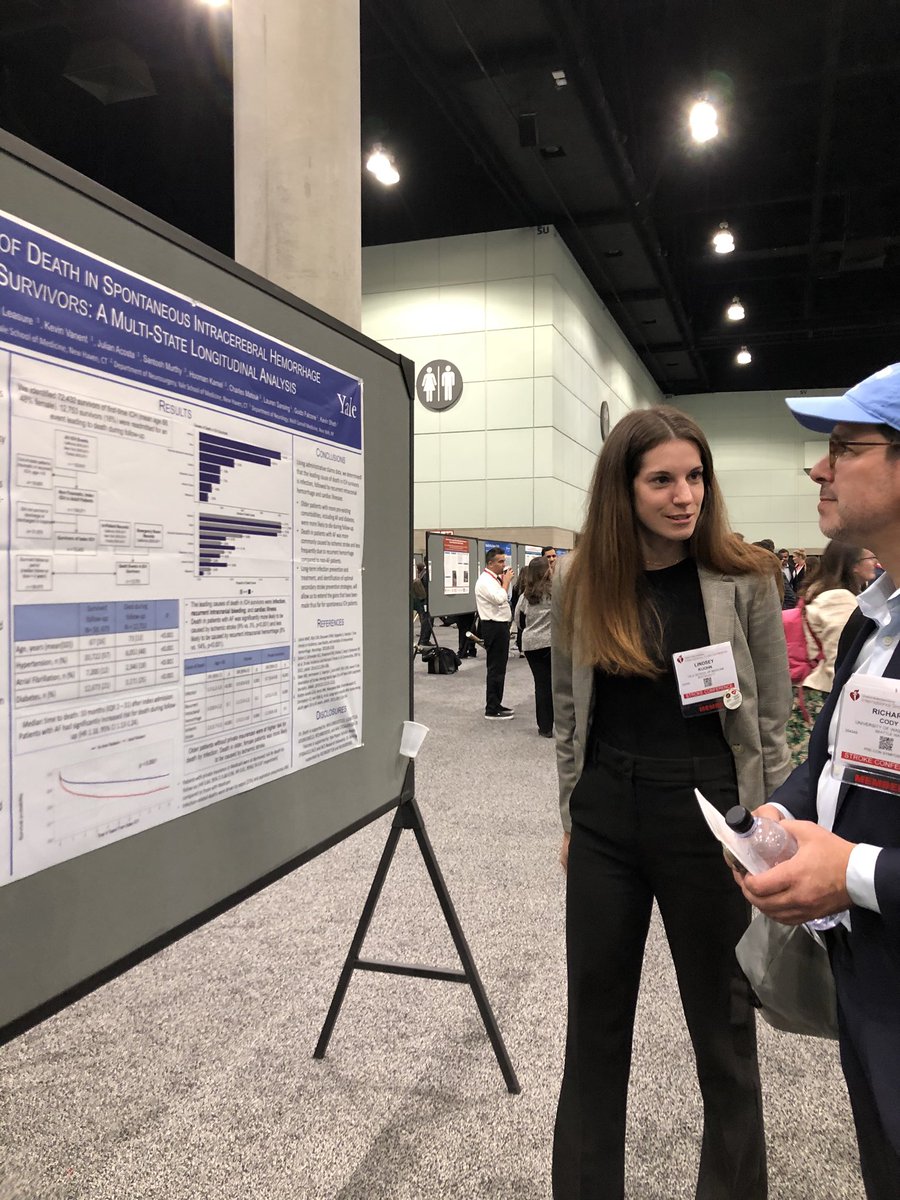
As more patients survive a first time ICH, how can we make sure that improvements in acute care are translated to long term survival? Need to tackle infection-related deaths, to start #ISC2020
@GuidoFalconeMD very cool! The IL6 signal seems to be coming up often in CV research- excited to see more data on inflammation and risk/severity in ICH!
Intensive Blood Pressure Reduction and Perihematomal Edema Expansion in Deep Intracerebral Hemorrhage @AudreyLeasure@GuidoFalconeMD#stroke https://t.co/1ksBSemQur
OK. BP reduction for ICH is safe, it might reduce edema, and that might improve outcome for some locations of deep ICH. But not all. #ncs#stroke Intensive Blood Pressure Reduction and Perihematomal Edema Expansion in Deep Intracerebral Hemorrhage https://t.co/gouGbpTM1r
Our Department of Neurology has received a $20 million grant from the NINDS to administer a Phase III trial measuring the effectiveness of a blood thinner to prevent new strokes for some patients. https://t.co/vsUwVSUBA1
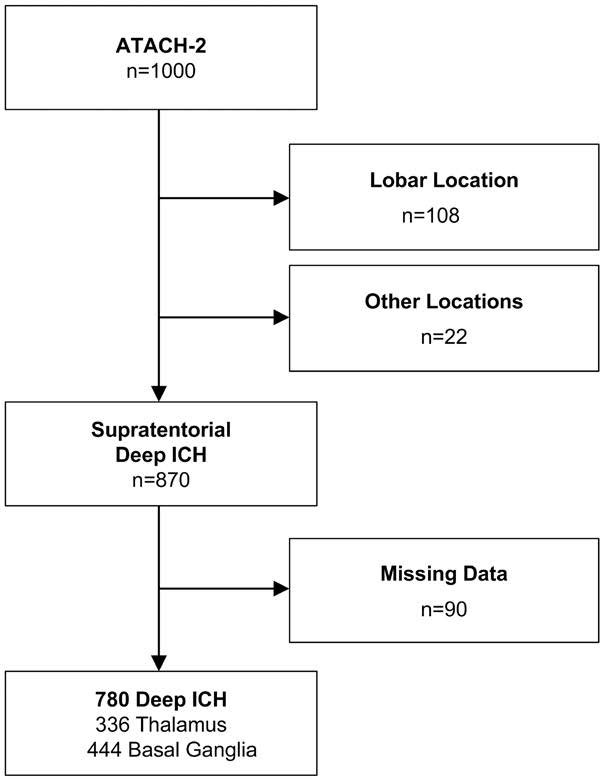
Check out our latest work in @StrokeAHA_ASA- the 30cc cutoff used in the ICH score may underestimate the devastating effects of small deep hemorrhages. We provide new cutoffs for deep ICH that vary by the specific location involved.
Identification and Validation of Hematoma Volume Cutoffs in Spontaneous, Supratentorial Deep Intracerebral Hemorrhage @AudreyLeasure@GuidoFalconeMD#stroke https://t.co/ovPSH3ZTMJ
Restarting antiplatelet therapy after intracerebral haemorrhage—Commentary from Wendy C Ziai & Alexander Tsiskaridzeon on #RESTART study just presented at #ESOC2019@ESOstroke https://t.co/8rqgr4vQKJ
Excited to see our study demonstrating biological proof-of-concept of blood pressure reduction as a therapy for deep ICH published this week in @JAMANeuro! @YaleMed#neurocriticalcare