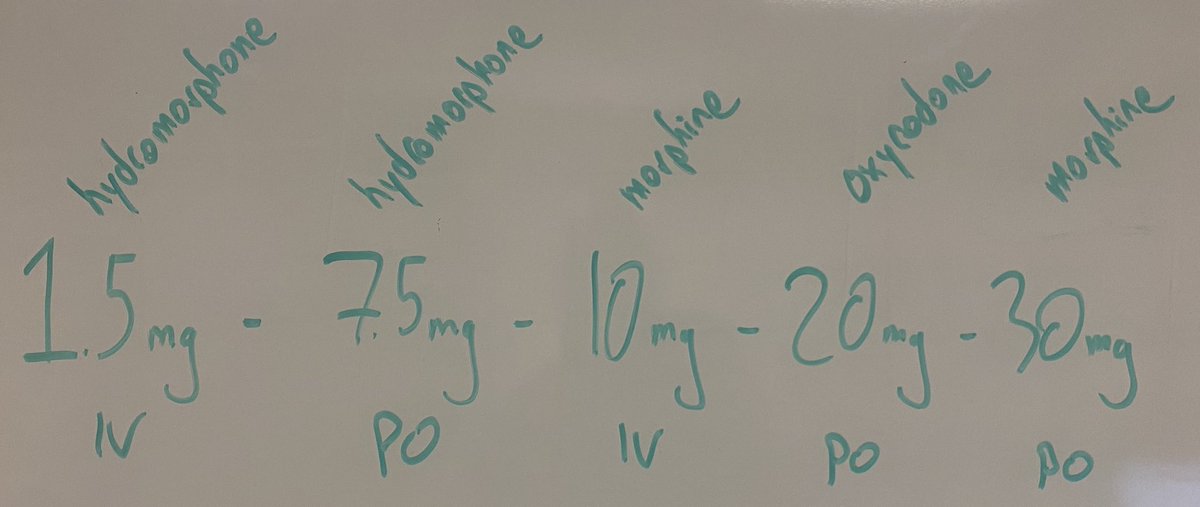
Residents on my team often get this little tidbit of knowledge that helps convert doses between common opioid. Hattip @AugustSigelko for inspiring me to tweet it! Some caveats below.
Fibonacci sequence for #paincontrol.
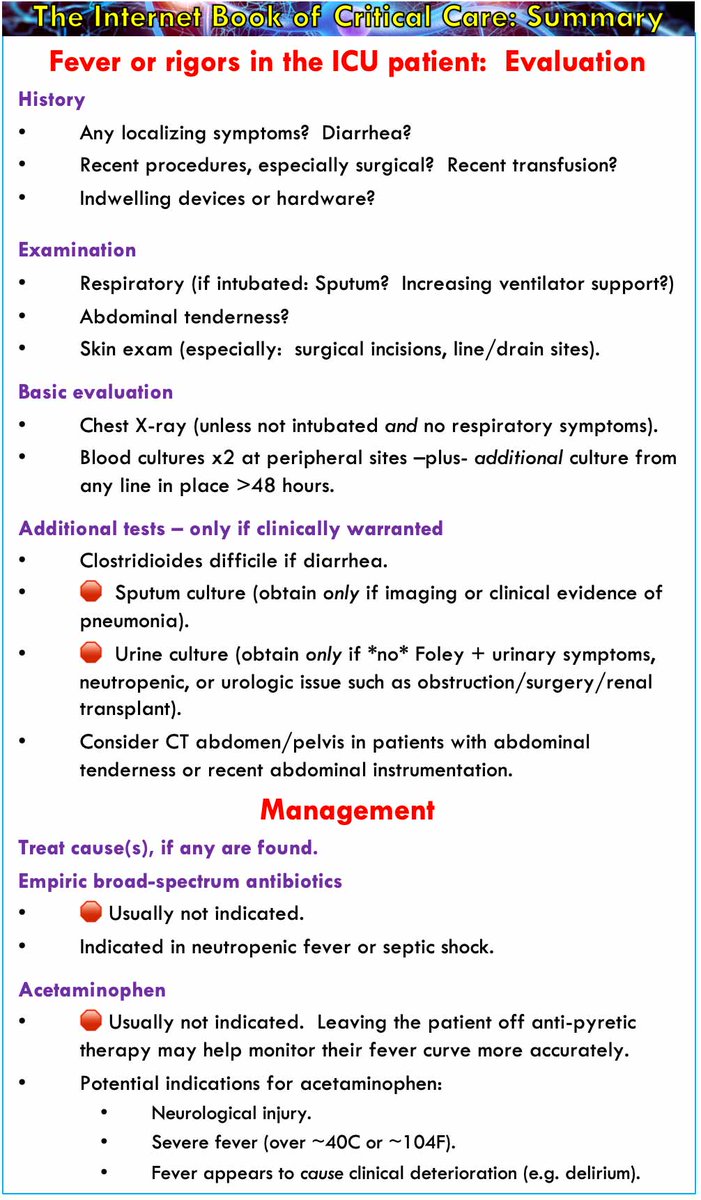
Fever workup in the ICU - fresh @iBookCC chapter
🤒 think & examine more, test less
🤒 don't reflexively culture urine & sputum (often false-positive 2/2 colonization)
🤒 don't confuse antibiotics with antipyretics (usually *neither* are helpful!)
https://t.co/NvwVBIIcJZ
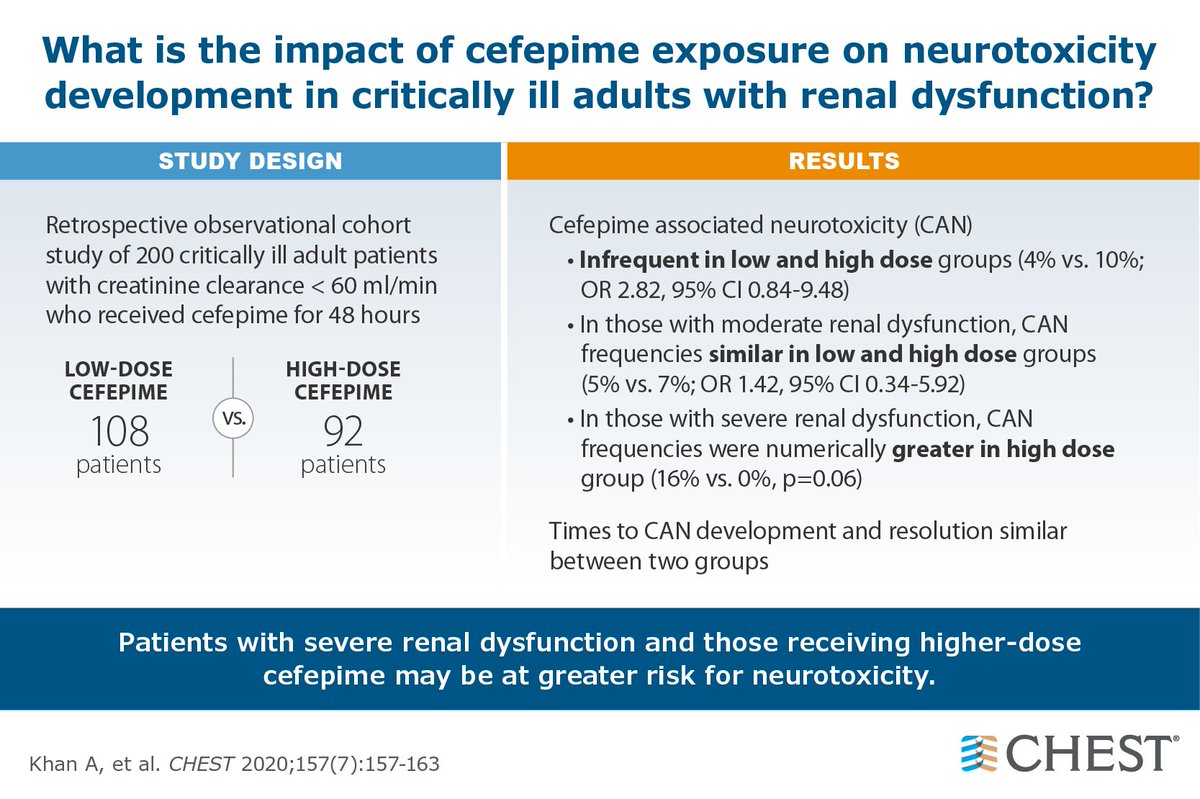
Cefepime-associated neurotoxicity is uncommon, but critically ill patients with renal dysfunction may be at greater risk.
Read more: https://t.co/hrXXhwftyz
#journalCHEST#CHESTCritCare
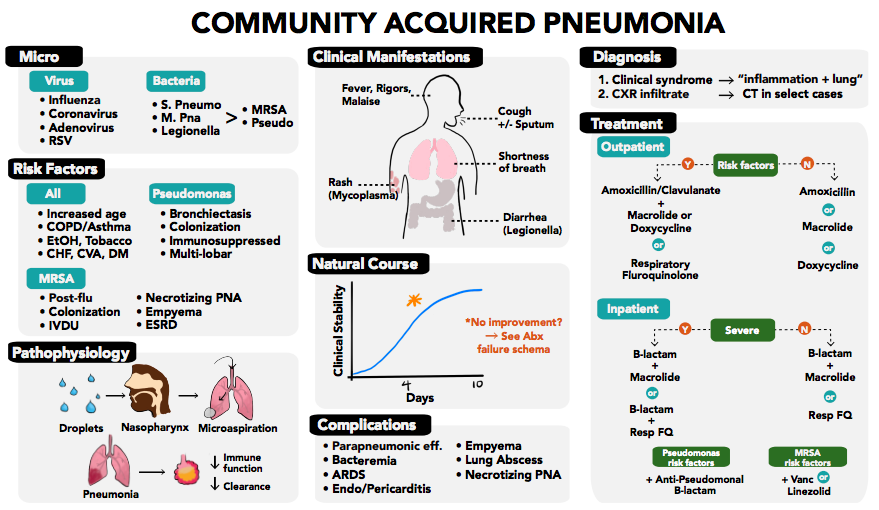
A pillar of the community...
#MedTwitter, we are excited to share our new community acquired pneumonia illness script!
Find it on the website here:
And on the app here: https://t.co/FrqaX41cZD
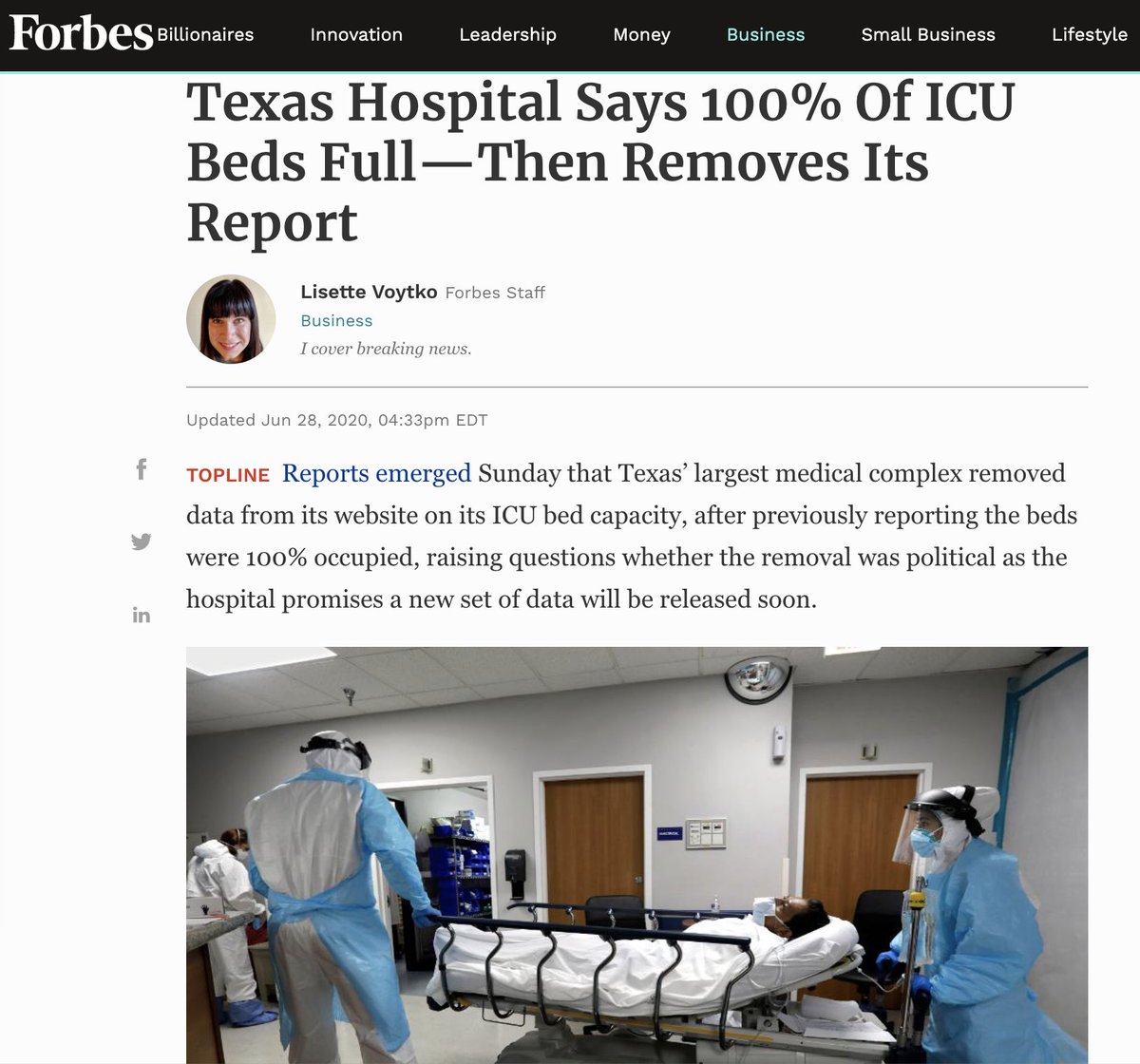
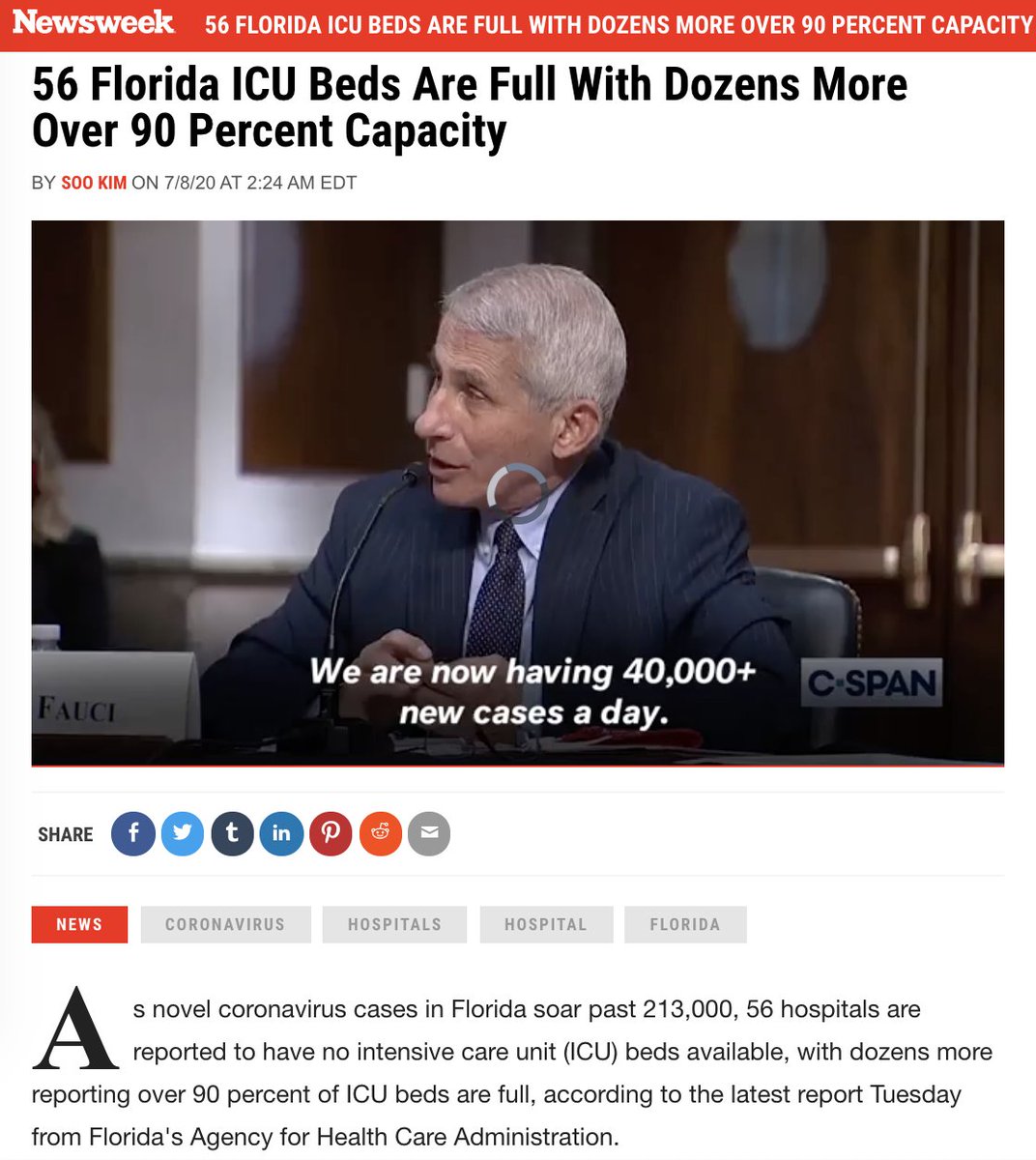
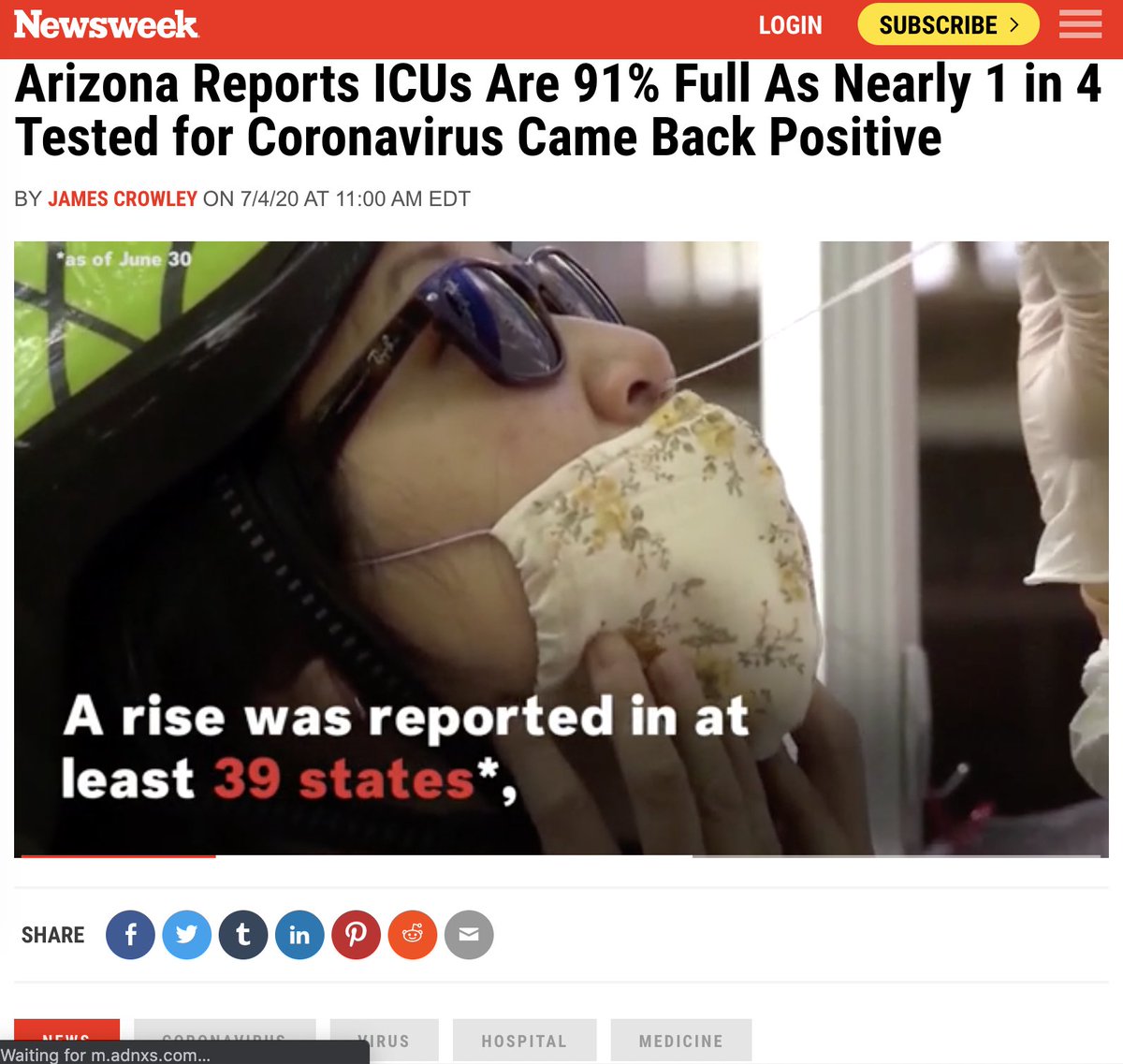
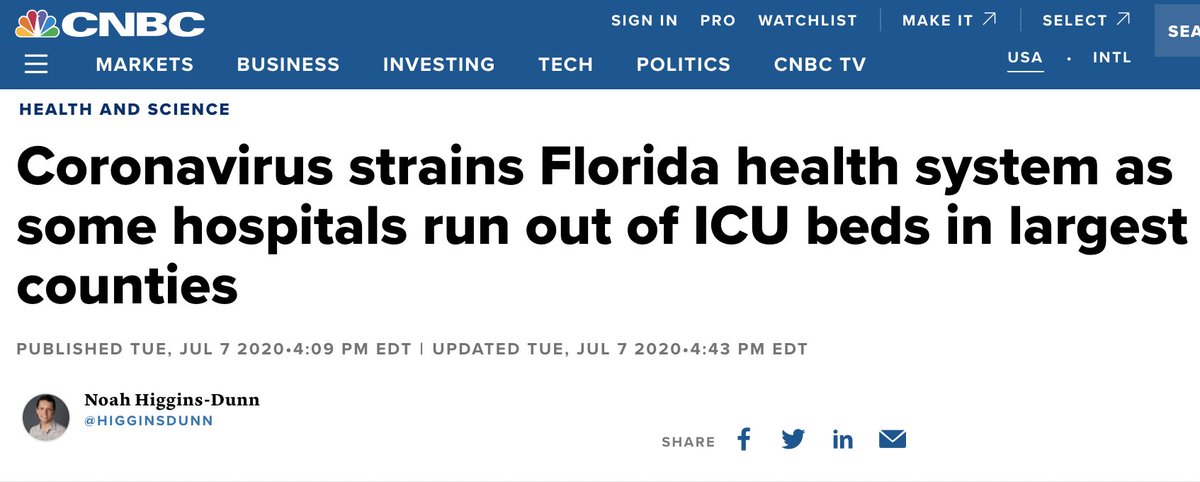
Lots of articles about ICUs reaching capacity, but what does this actually mean?
Buckle up for a #tweetorial about ICU capacity and what it means in the context of #COVID19.
1/
Pandemics are predictable products of inequitable policies. Countless lives lost, trillion$ squandered. Urge @JoeBiden to do better with global health, affordable meds & U.S. public health corps jobs.
Sign here: https://t.co/TBnIKyHIq1 #BetterBidenCOVIDPlan
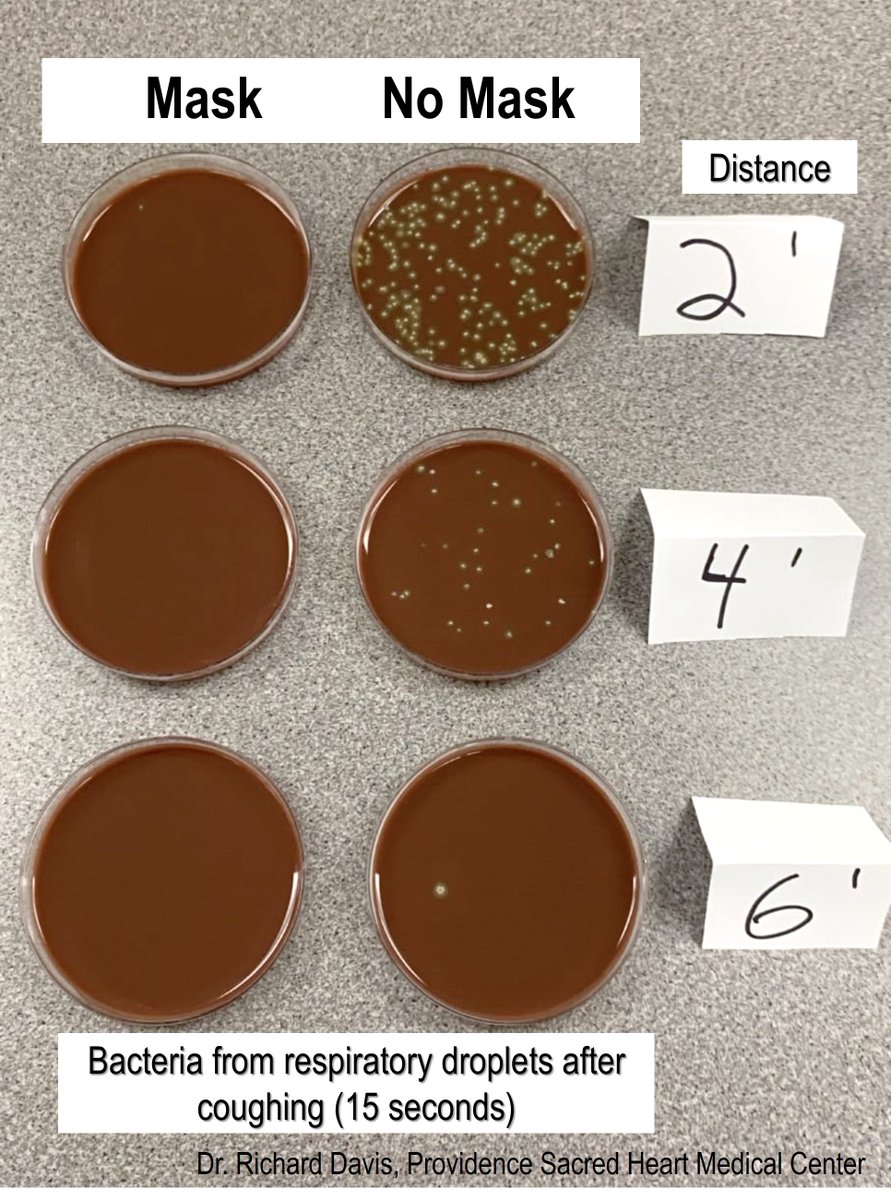
What about keeping your distance?
Second demo: I set open bacteria culture plates 2, 4 and 6 feet away and coughed (hard) for ~15s. I repeated this without a mask.
As seen by number of bacteria colonies, droplets mostly landed <6 ft, but a mask blocked nearly all of them.
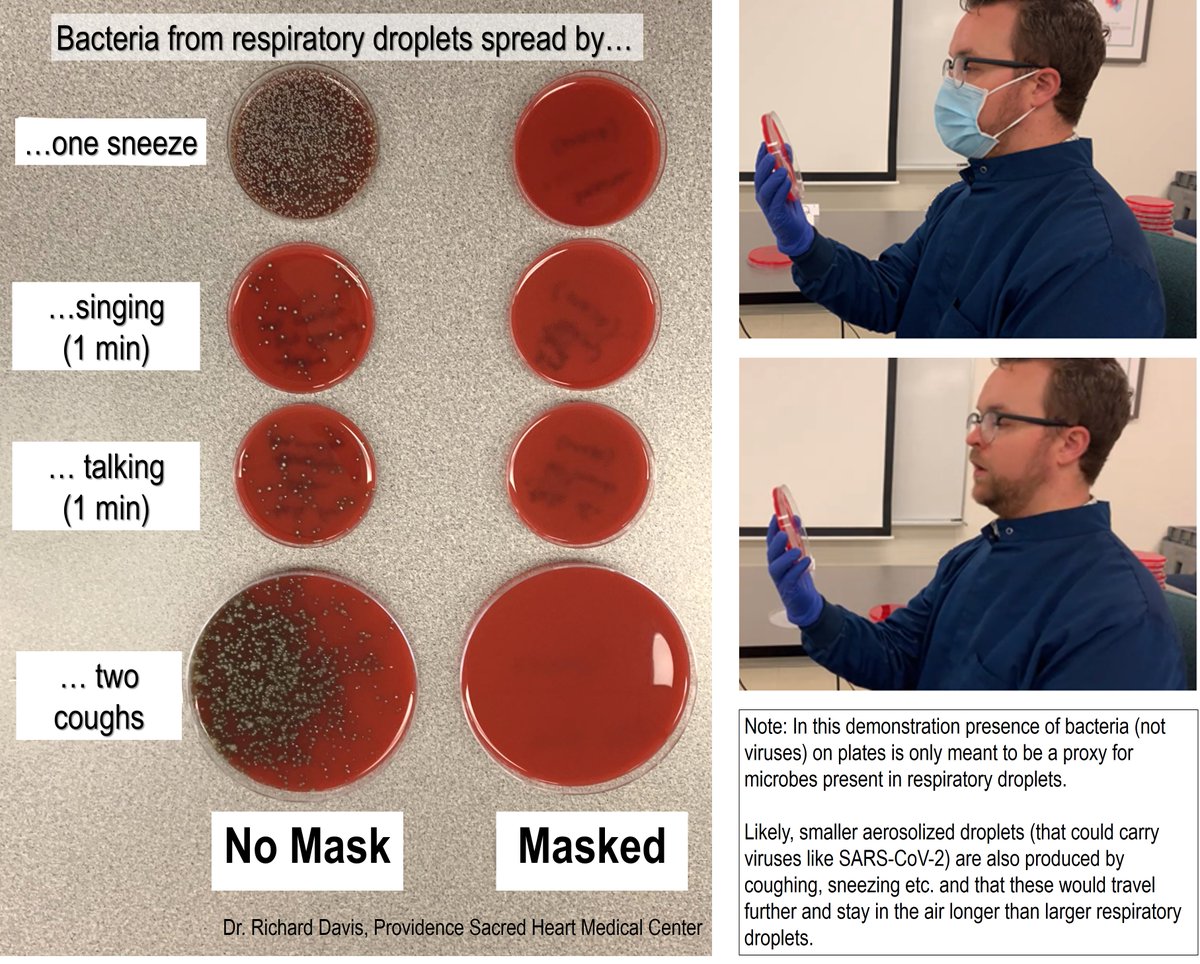
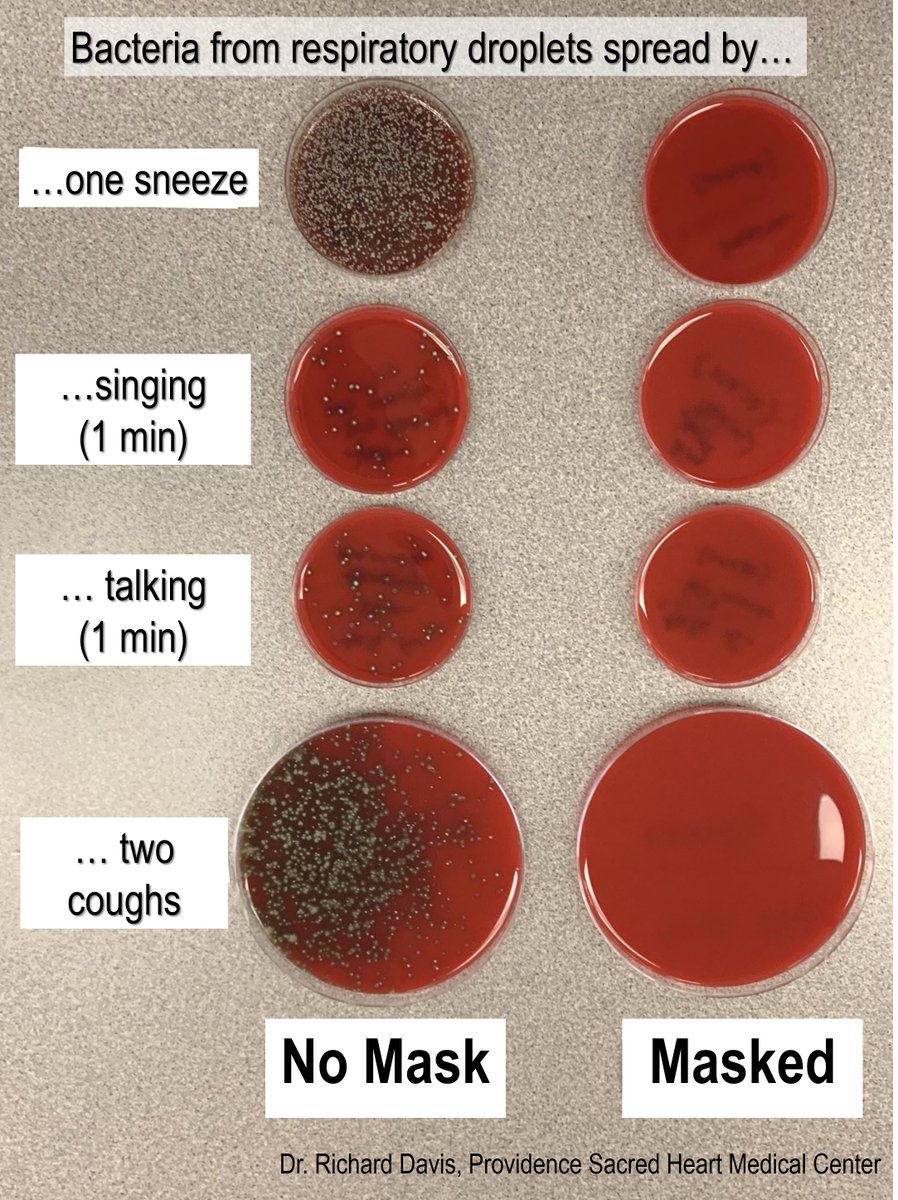
What does a mask do? Blocks respiratory droplets coming from your mouth and throat.
Two simple demos:
First, I sneezed, sang, talked & coughed toward an agar culture plate with or without a mask. Bacteria colonies show where droplets landed. A mask blocks virtually all of them.