The AI Era: A Timeline of Major Milestones
1950: Alan Turing proposes the Turing Test.
1956: Artificial Intelligence becomes an official field of research.
1997: IBM Deep Blue defeats world chess champion Garry Kasparov.
2012: AlexNet sparks the modern deep learning revolution.
2016: AlphaGo defeats Go champion Lee Sedol.
2017: Transformers are introduced, laying the foundation for modern LLMs.
2020: GPT-3 demonstrates the potential of large language models.
2022: ChatGPT launches, bringing generative AI to the masses.
2023: GPT-4 launches, advancing AI reasoning and capabilities.
2024: Multimodal AI, reasoning models, and computer-use agents emerge.
2025: AI agents move beyond answering questions to executing tasks and workflows.
2026: AI increasingly shifts toward orchestrating tools, applications, and automated processes.
The progression:
Rules → Machine Learning → Deep Learning → Generative AI → Reasoning → Agents → Automation
As AI agents take on more ambiguous goals and objectives for your work, they'll increasingly translate them into deterministic code and automations.
AI will figure out what needs to be done and how to do it, then turn that knowledge into repeatable, reliable workflows.
The future isn't AI doing the same task over and over.
It's AI building automations that do.
Hire AI agents as interns to automate the boring, repetitive work.
Hire AI agents as experts to tackle work you don't know how to do.
AI isn't just about doing things faster.
It's about expanding what you can do.
So many people rely on others to tell them what to do at work.
Now those same people will start relying on AI to tell them what to do.
The dependency isn't going away.
It's just shifting from humans to AI.
New for @Make_HQ: Locked connections for safer scenario sharing
You can now lock connections and keys you own.
Teammates can still run and troubleshoot scenarios that use a locked connection, but they can’t use it in new modules or scenarios or edit it.
Only the owner and users whose role includes the permission to delete connections and keys can delete it.
This lets your team share scenarios that use sensitive credentials, such as a personal Gmail account or a production API key, without workarounds like one-person teams or service accounts.
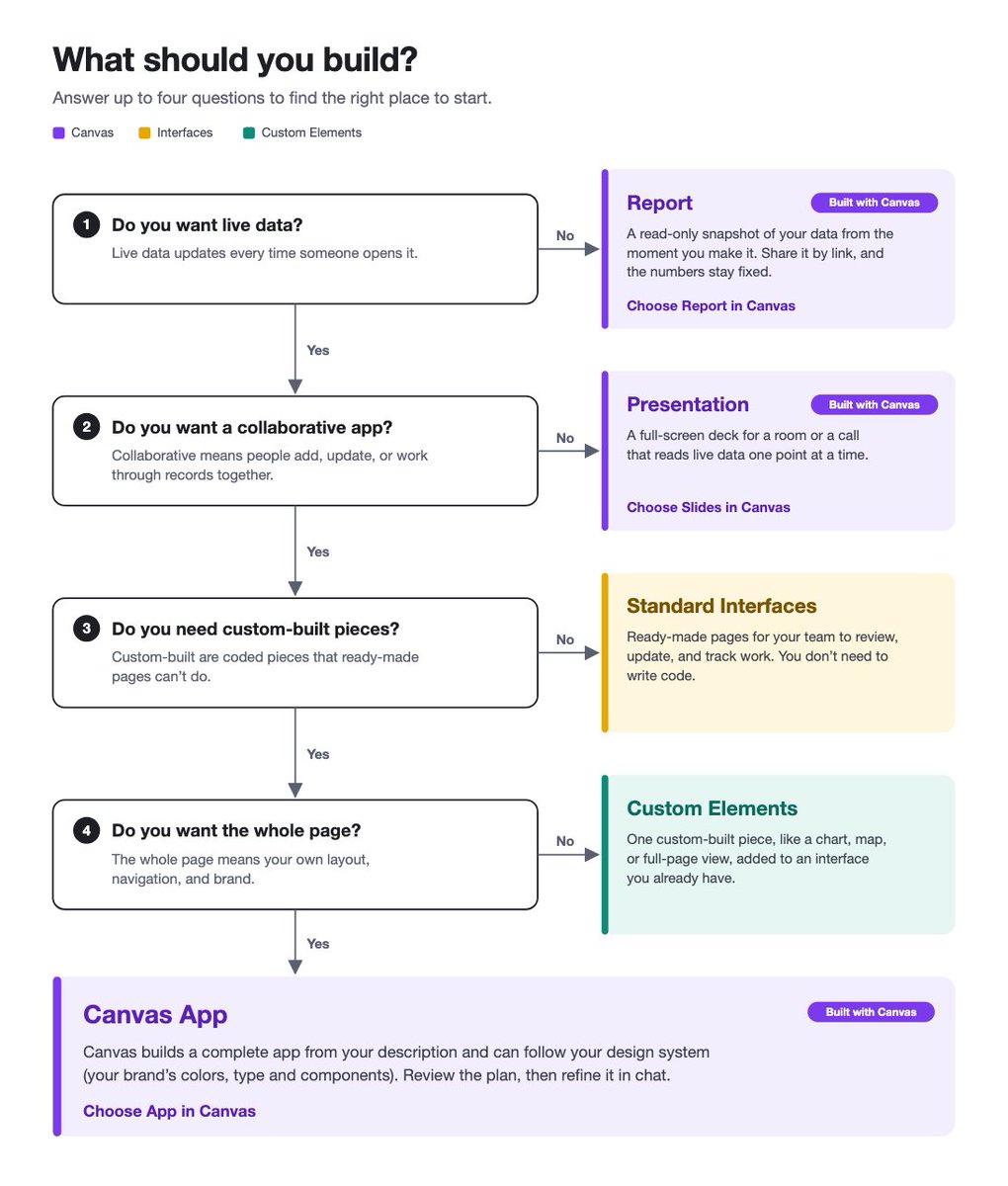
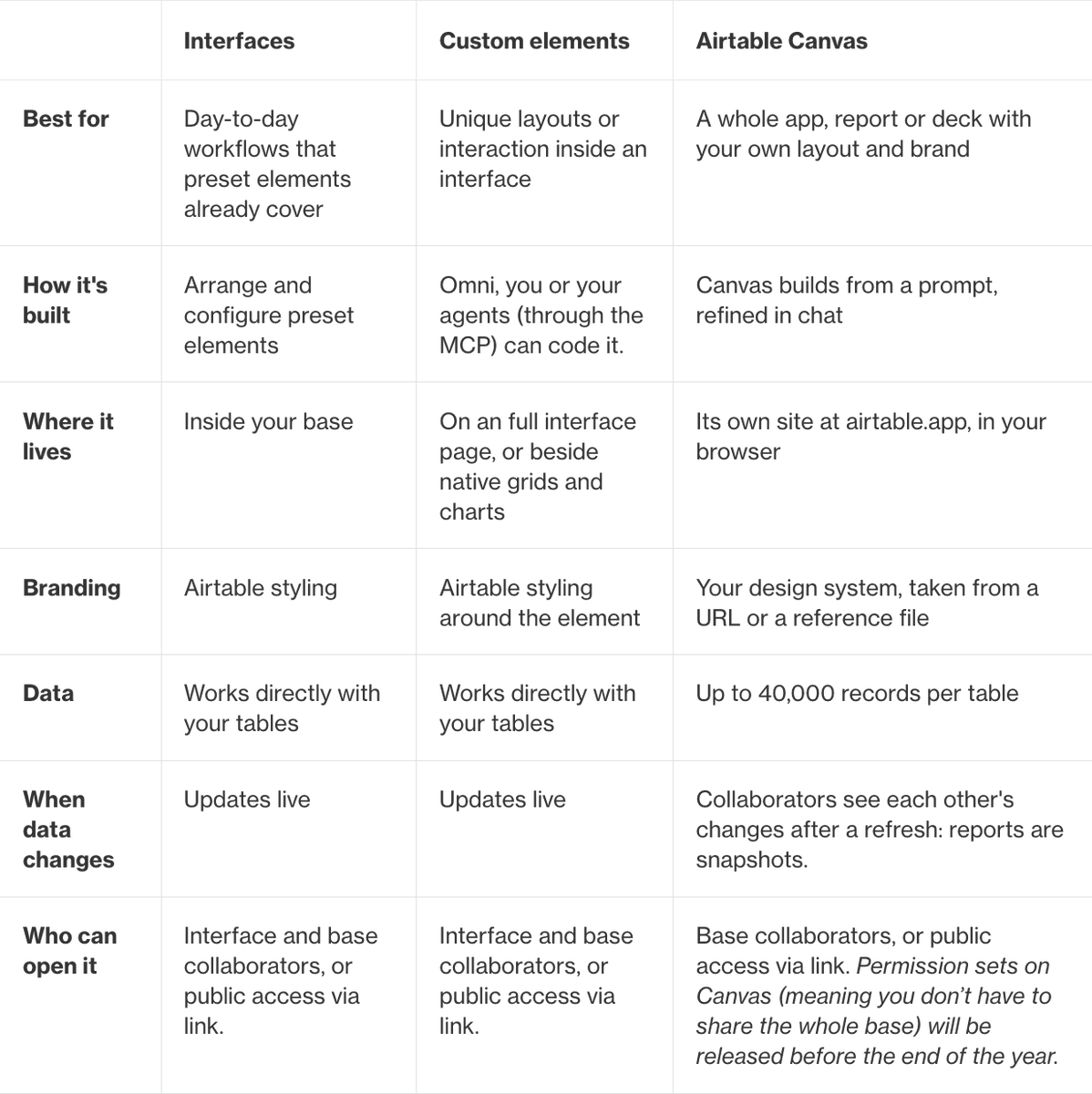
New for @Airtable: Airtable Canvas
Describe an app, report or deck, and Canvas builds it on your live Airtable data, with your permissions intact.
• Apps: interactive tools where people look up, add and update records.
• Reports: a fixed snapshot of your numbers, ready to export as PDF or share by link.
• Slides: decks that read live from your base.
Airtable Canvas is now available on every plan.
New for @Zapier: Track Snapchat Conversions for free with Zapier
Get up to 100,000 free tasks per month when you use the Send Your Events and Send Leads actions in the Snapchat Conversions app.
Info: https://t.co/uuD87seGo1
I find it fascinating how often people struggle to think through their project requirements even one level up/down, or one step ahead/before.
What’s the bigger picture?
What are the dependencies?
What happens next?
What could go wrong?
You have AI at your disposal.
Use it to challenge your assumptions, identify gaps, and think beyond the immediate ask/task.
AI shouldn't just help you execute.
It should help you think.
AI is writing more code than ever.
More code means more bugs, more fixes, more updates, more patches, more security vulnerabilities, and more technical debt.
AI makes it easier to build software, but it also creates more software to maintain.
The bottleneck is shifting from writing code to managing code.