AKADEMİSYENLER VE DOKTORA ÖĞRENCİLERİNİN HEP KULLANDIĞI AMA HERKES BİLSİN İSTEMEDİĞİ SİTELER.
Bunu kaydedin mutlaka. Akademik anlamda sürekli ödeme yapmanıza gerek yok. Aşağıdaki siteler size fazlasıyla yetecek.
1. https://t.co/AiiUAUM75I
Dünyanın en büyük açık kütüphanesi. Profesörünüzün atadığı neredeyse her ders kitabı burada ücretsiz olarak mevcut.
2. https://t.co/lxrqkX8FtH
Akademik makaleler için arama motoru. En etkili araştırmaları bulmak için atıflara göre sıralayın.
3. https://t.co/rexxn41f8R
Akademik tez ve makale üretim motoru. Sıfır halüsinasyonla bölüm yazımı.
4. https://t.co/9AcMjHxGwm
Allen Enstitüsü tarafından geliştirilen yapay zeka destekli makale arama. Her atıfı bağlamında vurgular.
5. https://t.co/1pUSgSdS6D
Bir makaleyi girin, her ilgili çalışmayı bir grafik olarak haritalanmış görün. Uzmanların gerçekten birlikte okuduğu şeyleri ortaya çıkarır.
6. https://t.co/tHPqEh4Jfa
Bir yapay zeka araştırma asistanı. Herhangi bir soruyu sorun ve ana bulgularla birlikte yapılandırılmış makale tabloları alın.
7. https://t.co/iQBF4OKvAL
Binlerce makalenin sonuçlarını tek bir cevapta birleştirir. Kiraz seçmeyi önler.
8. https://t.co/FGPnpvrhZy
Makalelerin Spotify'si. Zaten okuduklarınıza dayanarak yeni araştırmalar önerir.
9. https://t.co/Hvs7besTv6
Atıf zincirlerini görselleştirir. Bir fikrin on yıllar süren araştırmalarda nasıl yayıldığını gösterir.
10. https://t.co/Pl3X0YIvIg
Hangi makalelerin herhangi bir iddiayı desteklediğini, çürüttüğünü veya bahsettiğini söyler. Saatlerce gerçeklik kontrolü yapmaktan tasarruf sağlar.
11. https://t.co/r7BhsKSHp7
200 milyon açık erişimli makale tek bir aranabilir indekste. Dünyanın en büyük ücretsiz akademik arşivi.
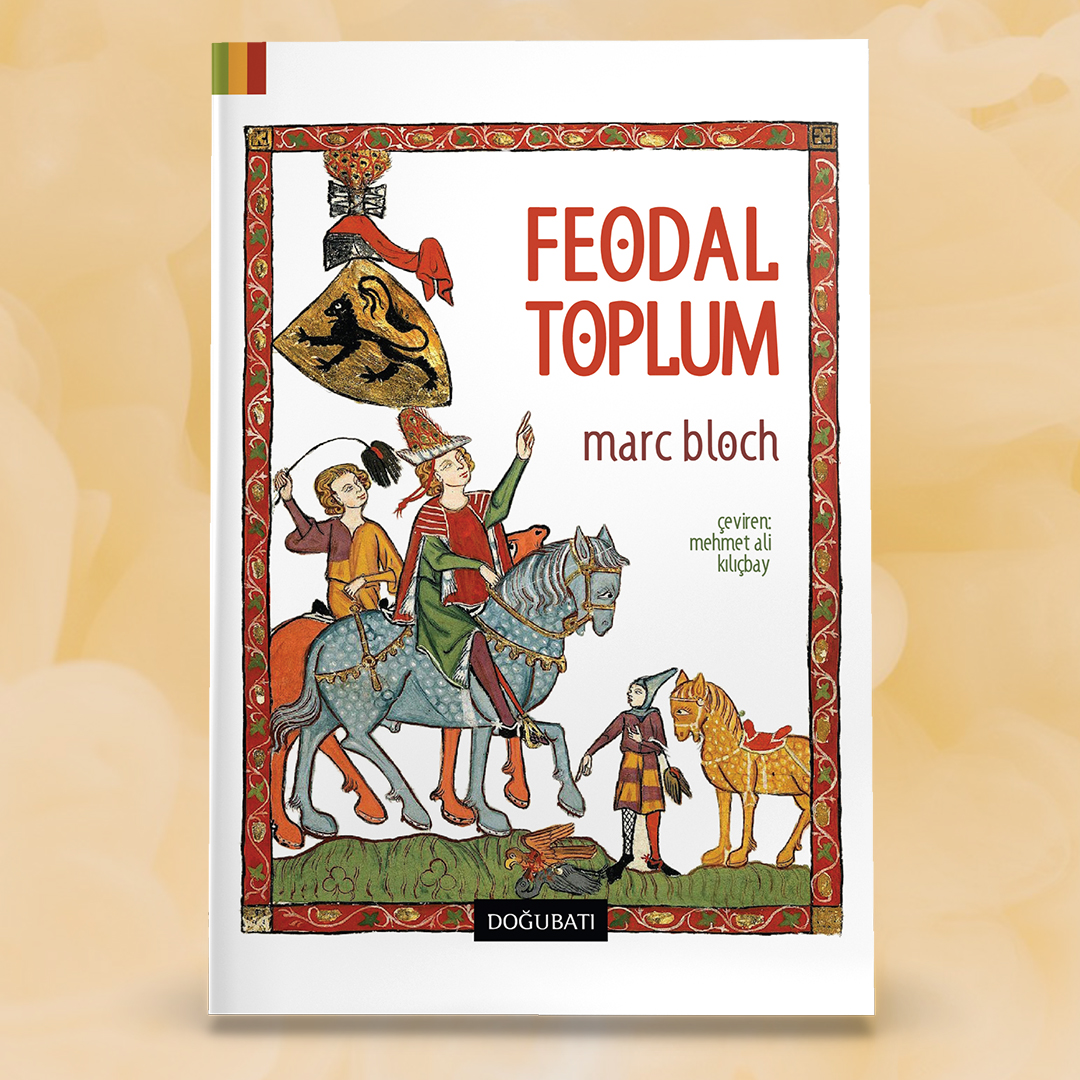
Marc Bloch'un Ortaçağ'ı sadece krallar ve savaşlar üzerinden değil, insanların inançları, korkuları ve zihniyet dünyası üzerinden açıklayarak geleneksel tarih yazımını kökten değiştirmiştir.
Feodalizmi basit bir askeri sistem olmaktan çıkarıp; hukuku, ekonomiyi, toprağı ve toplumsal sınıfları bir arada inceleyen "bütünsel bir toplumsal düzen" olarak tanımlamıştır.
Lordlar ve vasallar arasındaki sadakat ile koruma bağlarını (büyük ve küçük feodal ilişkileri) derinlemesine analiz ederek dönemin toplumsal yapısını netleştirmiştir.
Bloch'un kurucusu olduğu disiplinlerarası tarih anlayışının (sosyoloji ve psikolojinin tarihe uygulanması) en somut ve en başarılı modelini sunmuştur.
Kendisinden sonraki tüm Ortaçağ araştırmalarına yön veren ve günümüzde bile tarihçiler için temel başvuru kaynağı kabul edilen devrimci bir yöntem bırakmıştır.
FEODAL TOPLUM
Marc Bloch
https://t.co/Umi9lmGw1q
#tarih #history #annales #ortaçağ #feodalite
1119 yılında Kutsal Topraklardaki hacıları korumak amacıyla kurulan Tapınak Şövalyeleri, kısa sürede Haçlı Seferlerinin en amansız askeri gücüne ve ortaçağ Avrupa’sının ekonomi çarklarını döndüren devasa bir yapıya dönüştü.
Barber; titiz arşivciliği ve tarafsızlığıyla, tarikatın Kudüs sokaklarındaki yükselişinden Fransa Kralı Güzel Philippe’in zindanlarındaki trajik çöküşüne, sapkınlık suçlamalarından Engizisyon mahkemelerindeki o sarsıcı tasfiyeye uzanan süreci epik bir dille anlatıyor.
Tapınak Şövalyelerinin Tarihi, Fatma Berna Yıldırım çevirisiyle kitap satılan her yerde.
#alfa #alfakitap #alfatarih
Kitap, doktora için gittiği Amerika'dan,tahsilini yarım bırakıp,10 yıl sonra İstanbul'a dönen bir akademisyenin, kentin sokaklarında geçmişi ve bugünü sorgulama hikayesini, içsel ve mekansal yolculuğunu anlatıyor. Son zamanlarda okuduğum en iyi ilk romanlardan bir tanesi.
#Kitap
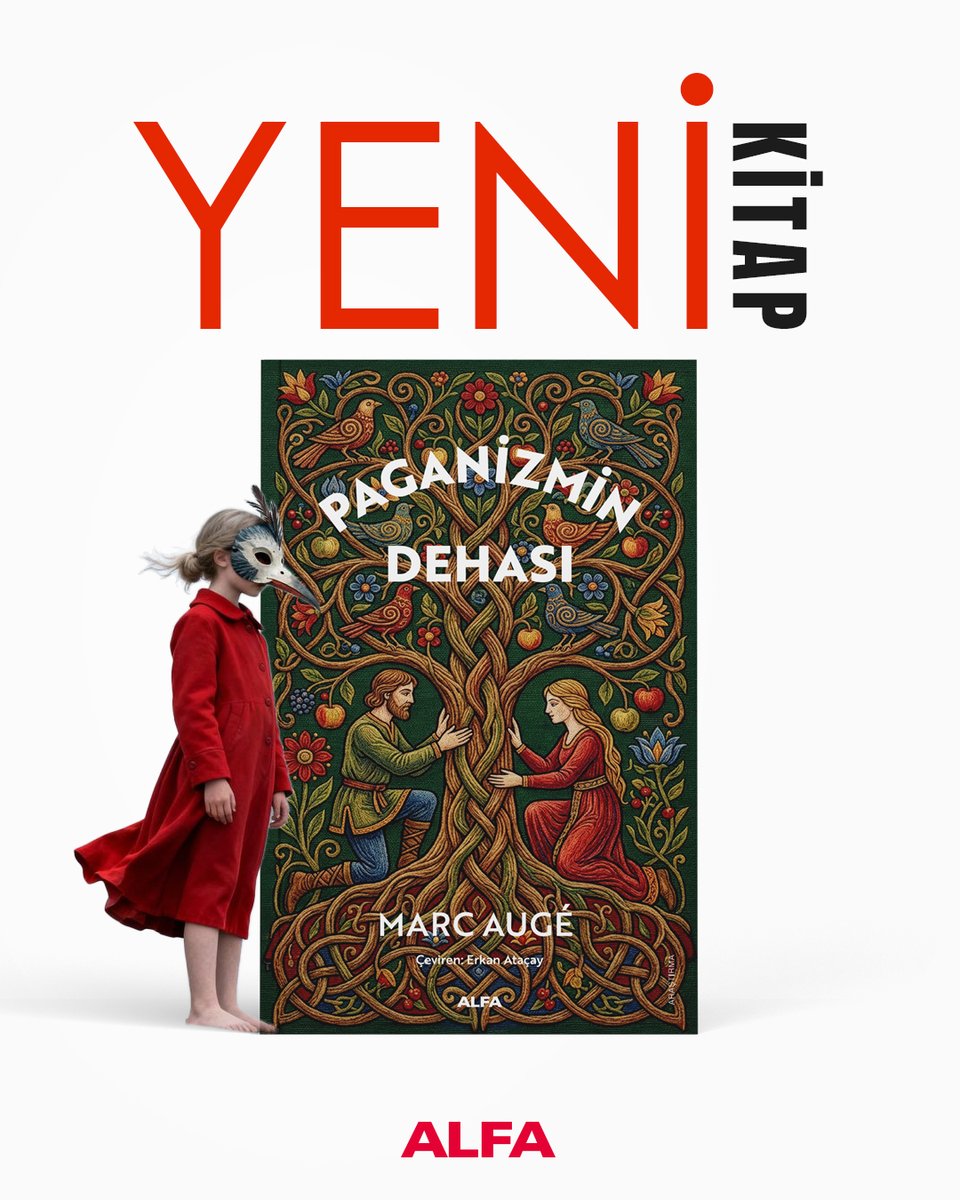
Çağdaş antropolojinin en büyük isimlerinden biri kabul edilen Marc Augé, Paganizmin Dehası ile tektanrıcılığın ve Hıristiyanlığın tüm önkabullerinin karşısına geçiyor.
Augé, Afrika’da yürüttüğü saha çalışmalarından yola çıkıyor ve Antik Yunan ile Asya paganizmini de işin içine katıyor. Paganizmin Dehası, köklerimizi gün yüzüne çıkarırken apaçık bir gerçeği ortaya koyuyor: Kültürümüz ve inançlarımız çok köklüdür ve geleceğimiz her daim ucu açık bir yolculuktur.
Paganizmin Dehası, Erkan Ataçay'ın çevirisiyle kitap satılan her yerde.
#alfakitap #marcaugé #paganizm
“Otomobilin sosyolojisini ya da psikolojisini yazmak söz konusu değil. Söz konusu olan, toplumla ilgili bütün akademik disiplinlerin öğrettiğinden daha çok bilgi elde etmek için arabayla gitmek, araba sürmek.”
(s. 68)
Jean Baudrillard
A self-taught Irish schoolteacher wrote a book in 1854 that almost nobody read for 80 years, until a 21-year-old MIT student picked it up and realized it could be used to design every computer in human history.
His name was George Boole. The book is called An Investigation of the Laws of Thought.
Boole was born in 1815 in Lincoln, England. His family was poor. He left school at 16 to support them. He taught himself Latin, Greek, French, German, and Italian.
Then he taught himself mathematics. By 19 he had opened his own school. By 24 he was publishing original papers in the Cambridge Mathematical Journal, competing with men who had spent decades inside the best universities in Britain.
He never had a degree. He never had a mentor. In 1849, Queen's College in Cork hired him as a professor anyway.
In 1854, he published his masterwork. What he built inside it was something nobody had attempted before at this scale. He turned logic into algebra.
Before Boole, logic was philosophy. You argued in sentences. You reasoned in paragraphs. It was powerful and completely impossible to automate, because there was no formal system underneath it, just language.
Boole stripped it down to arithmetic. He showed that every act of human reasoning could be reduced to operations on two values. True or false. One or zero. AND, OR, NOT. If both conditions are true, the result is true. If neither is, the result is false. Every judgment a human mind makes, every decision, every deduction, could be written as an equation following those rules.
Logicians read it. They found it interesting. Engineers building machines had never heard of it.
For 83 years, the book sat there.
Then in 1937, a 21-year-old MIT master's student named Claude Shannon was working on a thesis about electrical relay circuits. Switches that could be open or closed. Current that either flowed or didn't.
He read Boole and understood something nobody had connected before.
An open switch is a zero. A closed switch is a one. A circuit with two switches in series only carries current when both are closed. That is AND. A circuit with two switches in parallel carries current when either is closed. That is OR. Shannon proved that every possible logical relationship Boole had described could be physically built using wire and switches.
That single insight is the foundation of every computer ever made.
After Shannon, chip designers stopped thinking about electricity and started thinking about logic. Every transistor on every processor running right now is implementing a Boolean operation. Every if-statement in every codebase is Boolean logic. Every database query using AND or OR. Every neural network threshold that fires or doesn't fire. All of it is running the algebra of a self-taught schoolteacher from Lincoln who died 160 years ago.
The strangest part is what happened to Boole at the end.
He was walking to class in November 1864 when he got caught in a rainstorm. He lectured for hours in wet clothes. He went home sick. His wife, Mary, believed in homeopathic medicine and thought the cure should mirror the cause. She wrapped him in wet sheets and poured cold water over him repeatedly.
He died a few days later. He was 49.
He never saw a transistor. He never saw a circuit. He never saw a single physical machine run a single one of his rules.
His book is in the public domain. Free to download. Most engineers use the word Boolean dozens of times a week. Almost none of them know who they are saying.
The man whose logic runs inside every phone, every server, and every AI model on Earth died soaking wet in a small Irish town, 83 years before anyone figured out what he had actually built.
Two math olympiad champions wrote a training manual in 1993 on two old Macintosh computers, and every American kid who has won a major math competition in the last decade learned to think from it.
Their names are Sandor Lehoczky and Richard Rusczyk. The book is called The Art of Problem Solving. Most people in math know it as AoPS.
Since 2015, every single member of the US International Math Olympiad team has been an AoPS student. Not most of them. Every one.
That statistic sounds impossible until you understand what the book actually does.
Lehoczky and Rusczyk were not professors. They were competitors. Lehoczky earned the sole perfect AIME score in 1990 and led the national first place team. Rusczyk was a USA Mathematical Olympiad winner and a perfect AIME scorer in 1989. They had both survived the same brutal selection process the book was designed to train students for.
And the first thing they decided was that almost every existing math textbook was teaching the wrong thing.
School math gives you formulas. You memorize them. You apply them. You pass the test. Then you sit down in front of a real competition problem and the formula does not apply, and you have nothing underneath it.
That is the gap. The gap is not knowledge. It is thinking.
The entire premise of AoPS is that problem-solving is a transferable skill, not a bag of memorized tricks. A student who genuinely understands why a technique works can adapt it, combine it with something else, and deploy it in a context they have never seen before. A student who only memorized the technique freezes the moment the problem looks different.
The book teaches the difference between a formula and a method.
A formula tells you what to compute. A method tells you how to see. The students who win olympiads are not the ones who know more formulas. They are the ones who have trained themselves to look at an unfamiliar problem and recognize its structure. To see that this problem is secretly asking the same question as a problem they solved three weeks ago, just dressed differently.
Rusczyk calls this "learning to read the problem." Not reading the words. Reading what the problem is actually asking underneath the words.
The second thing they built into the book is tolerance for being stuck.
Most students treat confusion as a signal to stop. The book treats confusion as the starting point. Every chapter pushes students past the point where the obvious approach runs out. That moment of running out is not failure. That is where the actual thinking begins.
Lehoczky once described it this way. If you can solve a problem quickly, you are not learning. You are performing. Learning only happens when you are past the edge of what you already know.
The book was written on old Macintosh computers in 1993. Rusczyk launched the AoPS website in 2003. Today the community has over one million users. Thousands of students enroll in AoPS online courses every year. Most winners of every major American math competition are AoPS alumni.
A platform built by two kids who were good at math competitions has become the infrastructure that produces the next generation of mathematicians, engineers, and scientists who are good at thinking.
The formulas you memorized in school will eventually be obsolete.
The thinking you trained will not.
What is one problem in your life right now that you have been avoiding because you do not yet know the right formula to solve it?
I've posted quite a bit about this book but it really is phenomenal. Without self-consciously being so it's a beautiful paean to humanism, to thought and knowledge and scholarship and friendship and the ideal of the university.
yürümenin felsefesi kitabını ilk okuduğumda yürümekle ilgili kafamda yekpare kristal bir top gibi bir düşünce belirmişti; yürümek aslında bir yere ulaşmak için değil, bir süreliğine hiçbir yere ulaşmak zorunda olmamak için yapılıyordu, evet, o gün bugündür yürüyorum
Gündemde yapay zekaya yazdırılan doktora tezi varken uzun zamandır kitaplığımda bekleyen bu kitaba başlıyorum. Bir dönem yolunu akademide gören ama daha sonrasında bu yolu terk etmiş biri olarak yazarın ne yazdığını çok merak ediyorum.
Tam da bu kafa yüzünden yakında okurken yoran veya tatsız yapay çevirileri dışında bir şey okuyamayacaksınız.
Çevirmen kalmayacak gerçekten, çünkü verilen ücretlerle limsenin yaşaması mümkün değil.
Keyfini çıkarırsınız ondan sonra takır tukur çevirilerin
Bruce M. Z. Cohen'in bu alanda çok ses getiren ve çığır açan "Psikiyatrik Hegemonya: Akıl Hastalığının Marksist Teorisi" adlı eserinde temel argümanı, psikiyatri ve ana akım psikolojinin bilimsel/tıbbi birer disiplin olmaktan ziyade kapitalizmin sömürü çarklarını koruyan ve meşrulaştıran en güçlü ideolojik devlet aygıtlarından biri haline geldiğidir. Özellikle Louis Althusser ve Antonio Gramsci'nin "hegemonya" ve "ideoloji" kavramlarından beslenerek) açıklar.
Cohen'in temel argümanını analizimde ortaya koyduğum apolitikleştirme kriziyle bağdaşan 4 ana maddede özetleyebilirim.
— "Uysal ve Verimli İş Gücü" İmal Etmek.
Cohen'e göre psikiyatrinin ve terapinin birincil işlevi insanları "iyileştirmek" değil onları kapitalist üretim sürecine uygun, uysal ve verimli işçiler olarak tutmaktır.
Eğer bir işçi haftada 60 saat güvencesiz çalıştırıldığı, mobbinge uğradığı veya emeğinin karşılığını alamadığı için tükenmişlik (burnout), anksiyete ya da depresyon yaşıyorsa sistem bu işçinin işi bırakmasını, greve gitmesini veya isyan etmesini istemez. Psikiyatrik hegemonya burada devreye girer.İşçinin yapısal sorunlara verdiği bu son derece haklı ve insani tepkiyi "ruhsal bir bozukluk" (kimyasal dengesizlik, uyum sorunu, disfonksiyonel düşünce) olarak etiketler. Amaç işçiyi bir şekilde "tamir edip" pazartesi günü tekrar o fabrikaya veya plazaya geri göndermektir.
— Normların Neoliberalizme Göre Yeniden Tanımlanması.
Cohen, DSM (Psikiyatrinin Tanı Kitabı) gibi kılavuzların bilimsel gerçekleri değil, kapitalizmin makbul insan profilini yansıttığını savunur. Modern tanı sistemlerinde "sağlıklı insan" rekabetçi, esnek, her koşula ayak uydurabilen, sürekli üreten ve tüketen insandır.
Bu tempoya ayak uyduramayan, sisteme uyum sağlamakta zorlanan, hakkını arayan veya sisteme karşı öfke duyan bireyler ise "tedavi edilmesi gereken" hastalar olarak kodlanır. Yani "normal" ve "anormal" olanı belirleyen şey tıp değil piyasanın ihtiyaçlarıdır.
— Sorumluluğun Devletten ve Şirketlerden Bireye Yıkılması.
Neoliberalizmle birlikte devletin sosyal yardımları, güvenceleri ve işçi haklarını geri çekmesi kitlelerde devasa bir ruhsal çöküş yarattı. Cohen'in en güçlü argümanlarından biri, tam da bu dönemde psikiyatri endüstrisinin büyümesinin bir tesadüf olmadığıdır.
Şirketler ve devlet, yarattıkları yoksulluğun, işsizliğin ve geleceksizliğin sorumluluğunu üstlenmek yerine, bu durumun yarattığı kitlesel acıyı bireysel birer tanıya dönüştürürler.
Sorun "ekonomik kriz" olmaktan çıkar, "depresyon salgını" haline gelir. Böylece hedef tahtasındaki sistem temizlenir, birey kendi beynindeki serotonin miktarını veya bilişsel şemalarını sorgulamaya itilir.
— Tıbbileştirme (Medicalization) ve Yeni Bir Sömürü Alanı
Kapitalizm, sömürdüğü işçinin bu sömürü yüzünden hastalanmasından bile kar elde etmenin bir yolunu bulmuştur. Cohen buna psikiyatrinin ve ilaç endüstrisinin (Big Pharma) yarattığı devasa pazar üzerinden dikkat çeker. Bireyin sisteme duyduğu öfke ve yabancılaşma; anti-depresanlar, terapi seansları ve kurumsal "wellness" eğitimleri vasıtasıyla metalaştırılır. Sistem hem hastalığı üretir hem de ilacını satarak çift taraflı kar sağlar.
Son olarak Cohen'in Sözüyle Özetlersek: "Psikiyatri, işçi sınıfının kapitalist sömürüye ve yabancılaşmaya karşı gösterdiği meşru hoşnutsuzluğu ve direnci ortadan kaldırmak, bu toplumsal huzursuzluğu bireysel tıbbi patolojilere indirgeyerek sistemi aklamakla görevlidir."
Human Nature, Human Goods by Tom Angier
A ground-breaking theory of human nature and its relevance to ethics, bringing ancient ideas into dialogue with cutting-edge science and philosophy.
📘 https://t.co/ngwhCPSROv
From Hellenism to Islam
Cultural and Linguistic Change in the Roman Near East
ed. Hannah M. Cotton et al. Cambridge Univ Pr, 210
PDF 🎯
https://t.co/r6G1lZhet1
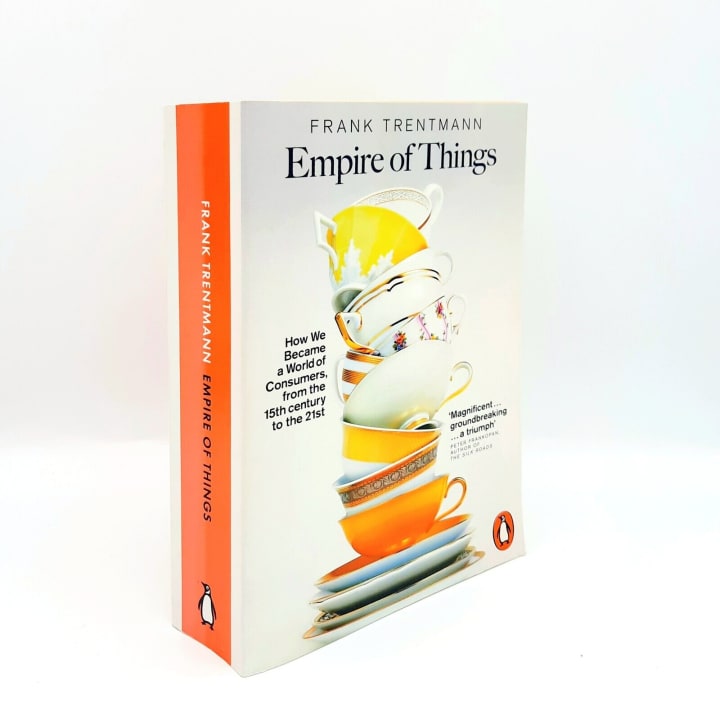
Frank Trentmann'ın muhtemelen yakında Türkçeye de çevrilecek olan Empire of Things adlı eseri, küresel bir tarih yazmaya çalışsa da anlatının omurgası hâlâ Avrupa'da ortaya çıkan dönüşümler üzerine kurulduğu için Braudel'den miras kalan Avrupa istisnacılığı varsayımından
An English engineer wrote a calculus book in 1910 opening with the line "what one fool can do, another can," and proved that almost everything making math feel impossible was put there on purpose by people who wanted it to stay exclusive.
His name was Silvanus P. Thompson.
He was a physicist, an engineer, a Fellow of the Royal Society, and a professor at the City and Guilds Technical College in London.
He had spent his entire career teaching calculus to working-class engineering students who needed the math to actually do their jobs, and he had watched generation after generation of bright kids walk out of math classrooms convinced they were stupid.
He knew they were not stupid. He knew exactly what was wrong, and he was about to say it in print in a way that would get him quietly hated by every academic mathematician in Britain.
In 1910 he published Calculus Made Easy. He published it anonymously at first, listing the author only as F.R.S., which stood for Fellow of the Royal Society. He did not want his name attached to it until he saw how the establishment was going to respond. Because the prologue of the book was not a polite introduction. It was an accusation.
He wrote that calculus was not actually hard. He wrote that the people writing the standard textbooks were what he called "clever fools" who deliberately took the easiest parts of the subject and presented them in the most complicated way possible, because doing so made them look more impressive.
He wrote that they "seldom take the trouble to show you how easy the easy calculations are" and instead "seem to desire to impress you with their tremendous cleverness by going about it in the most difficult way."
Then he opened the first chapter by telling readers something nobody had been willing to admit out loud. The reason calculus felt impossible was not because calculus was impossible. It was because the symbols had been chosen to feel impossible. The notation looked like ancient ritual on purpose. The Greek letters, the formal epsilon-delta definitions, the abstract limit proofs that opened every standard textbook, were not how Newton and Leibniz had originally thought about the subject. They were a 19th century renovation of the field done by professional mathematicians who wanted calculus to feel like a closed shop.
Thompson refused to use any of it.
He went back to the way Leibniz had thought about it 250 years earlier. The letter d in front of a variable, he told his readers, just meant "a little bit of." That was the whole secret. dx meant "a little bit of x." dy meant "a little bit of y." dy/dx meant "a little bit of y divided by a little bit of x," which is just how steep the curve is going at that exact moment. Integration was the opposite. It just meant adding up all the little bits.
That is calculus. That is the entire subject. Everything else is technique, and the technique only works once you understand what you are doing.
A 12-year-old can follow that explanation. A 12-year-old cannot follow the opening chapter of a typical university calculus textbook. The gap between those two facts is the entire reason most adults walk around believing they are bad at math.
The book became one of the bestselling math books in history. Over a million copies. Still in print 115 years later. Still recommended by physicists, engineers, and self-taught learners as the only calculus book they actually finished. Martin Gardner revised it in 1998 and the foundation of the book did not need to change because Thompson had built it on Leibniz, not on the academic conventions that have come and gone since.
The deeper point Thompson was making is the part that should haunt anyone reading this in 2026.
Difficulty is often a marketing strategy. It is not always a property of the subject. When a discipline is taught in a way that feels impossible, the difficulty is doing a job for someone. It is keeping the field small. It is protecting the salaries and the status of the people already inside it. It is filtering out the kinds of people who would otherwise show up and crowd the room.
This happens in math. It happens in law. It happens in medicine. It happens in finance, in machine learning, in philosophy, in software. Every field has a layer of jargon and notation and ritual sitting on top of a core idea that is usually much simpler than the people inside the field want to admit. The jargon is not there to communicate. It is there to gatekeep.
The way you recognize a real teacher is that they keep stripping the ritual off. The way you recognize someone protecting their priesthood is that they keep piling it on.
Thompson finished his prologue with five words that are the entire spirit of his project. "What one fool can do, another can." He meant it as both a joke and a threat.
If a working-class engineering student in 1910 with no Greek and no Latin and no university privileges could learn calculus from a 200-page paperback, then so could anyone the establishment had been excluding for the previous 200 years.
Most subjects you have given up on were never as hard as the people teaching them needed you to believe. You were not stupid. The course was designed to make you feel that way.
What one fool can do, another can.