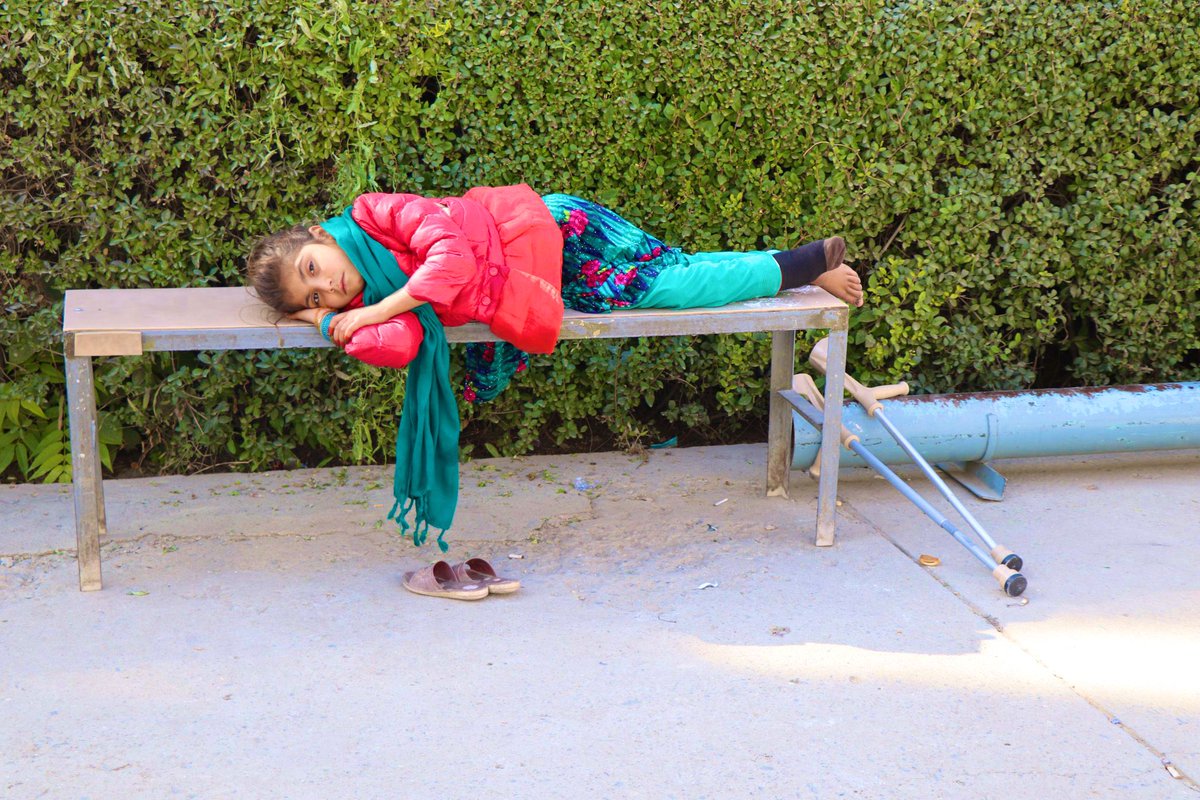
Oh #Heavenly Father in the sky,
Why do you live so high?
Over the #clouds where no one can see you,
Past the fluffy pillows that go by,
I think of how you look,
Is it like in the story #book?
Or will I be able to set my eyes on you?
Will the glow be more than I can bear?...1/2
NEW RELEASES: 📄
➡️ Update on the human rights situation in Afghanistan (Jan-Mar 2026)
➡️ Cross-border civilian casualties in #Afghanistan (Jan-Mar 2026)
Available in Dari, English, Pashto: https://t.co/P8HAi3JHNk
@CBSNews Pakistan as 'neutral mediator' in US-Iran talks is peak comedy. By day: shuttling peace proposals. By night: turning Nur Khan Air Base into a luxury parking garage for Iranian military planes and spy aircraft. Brilliant strategy—why broker peace when you can shelter one side!
@AdityaRajKaul@LindseyGrahamSC Pakistan as 'neutral mediator' in US-Iran talks is peak comedy. By day: shuttling peace proposals. By night: turning Nur Khan Air Base into a luxury parking garage for Iranian military planes and spy aircraft. Brilliant strategy—why broker peace when you can shelter one side!
Sultan Bashiruddin Mahmood did terror acts while being a scientist, and his son, Ahmed Sharif Chaudhry, the current @OfficialDGISPR of #Pakistan, is committing the same terrorism in a #Pakistan military uniform.
Yes, the #PakArmy is being led by the terrorist’s son.
@NepCorres 1/
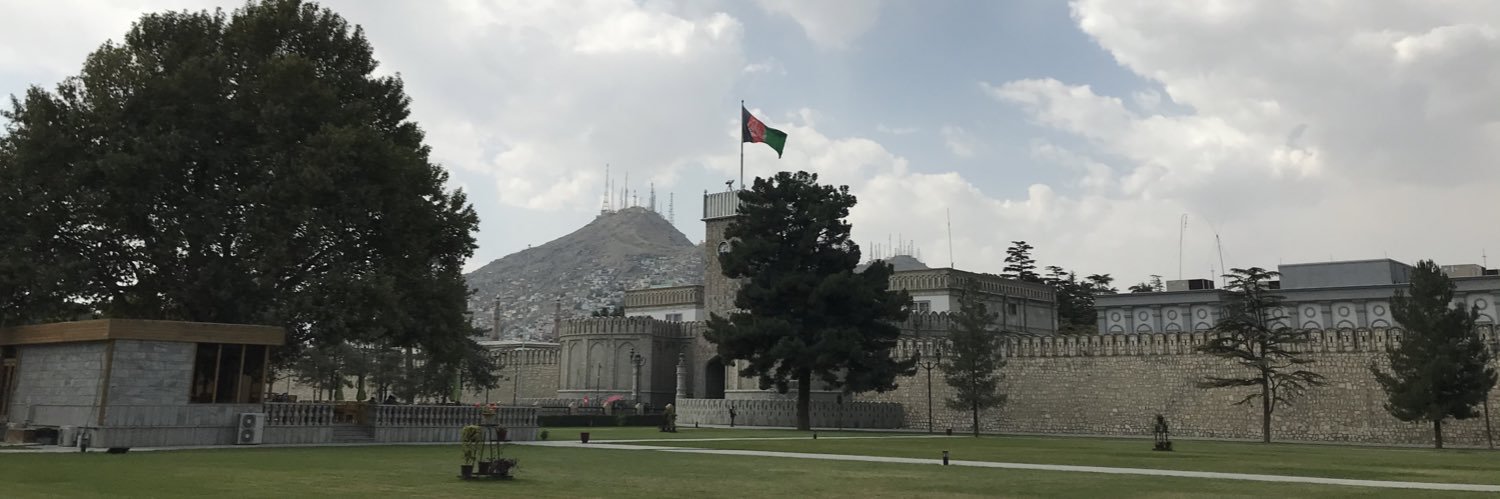
The Taliban went to Pakistan for support to kill Afghans. Now others are trying the same model and expecting applause.
If you cannot build support among Afghans INSIDE Afghanistan and instead go begging Pakistan for relevance, you are following the Taliban blueprint. YOU ARE NOT RESISTANCE!
If your only path to power is through Pakistan, you have no right to raise Afghanistan’s tricolor. Raise a flag that reflects what you really serve.
Afghanistan: Urgent Statement on Civilian Casualties in Asadabad, Kunar Province
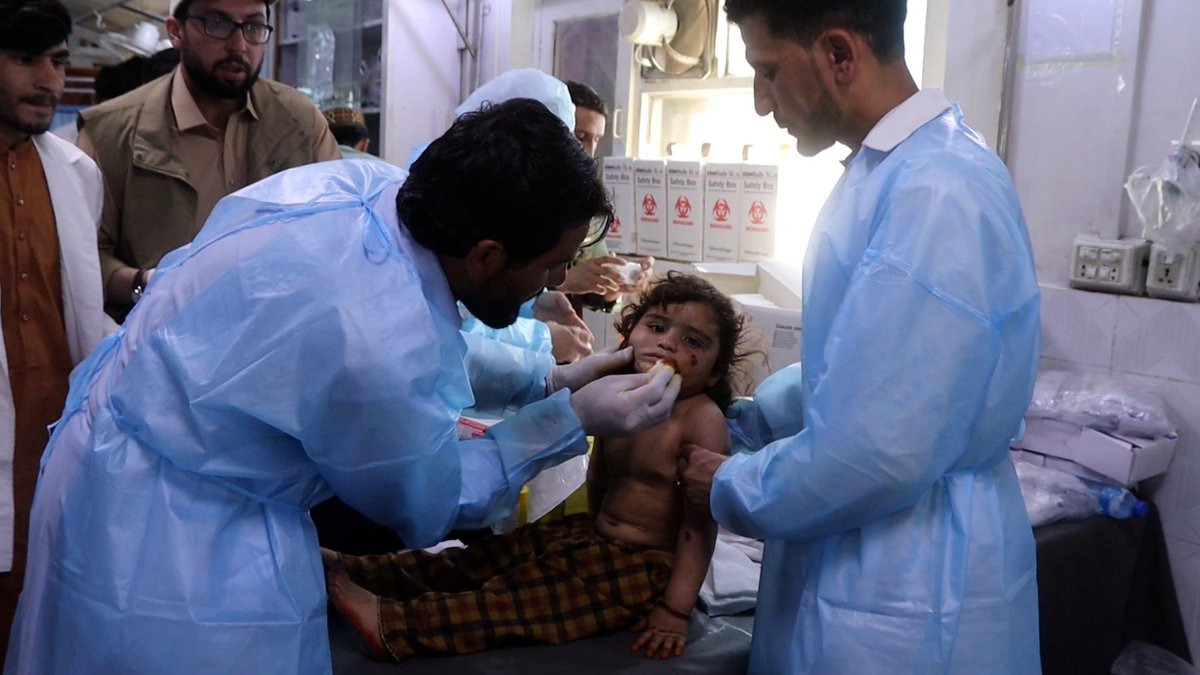
We are deeply concerned by credible reports of civilian harm following strikes in Asadabad, the capital of Kunar Province. According to multiple local sources, attacks attributed to Pakistani military forces struck residential areas as well as the Afghan Syed Jamaluddin University, resulting in significant civilian casualties.
Preliminary information indicates that at least 48 individuals, including civilians and university students, were affected. Reports from local medical facilities confirm that dozens of injured individuals and several deceased victims have been received, many of whom are women, children, and students.
Eyewitness testimonies suggest that the strikes directly impacted civilian homes and an active educational institution. One student reported that the incident occurred while classes were in session, causing panic and injuries among those present. Such accounts raise serious concerns regarding the apparent targeting of civilian objects.
This incident reflects a troubling pattern of cross-border violence in Kunar Province, where previous strikes have reportedly resulted in civilian deaths, including among women and children, and damage to essential civilian infrastructure.
Under international humanitarian law, all parties to a conflict are obligated to distinguish at all times between civilians and combatants, and between civilian objects and military targets. Attacks directed against civilians or civilian infrastructure—including educational institutions—are strictly prohibited.
International Human Rights Foundation-IHRF call for:
1️⃣ An immediate, independent, and transparent investigation into the incident
2️⃣ Full accountability for any violations of international humanitarian law
3️⃣ Concrete measures to prevent further harm to civilians
4️⃣ The protection and respect of educational institutions and other civilian spaces
The repeated loss of civilian life underscores the urgent need for restraint and adherence to international legal obligations. The protection of civilians must remain an absolute priority.
(IHRF has ample evidence of the said incident, which is not being shared here, because of the graphic nature of the evidence. However, the evidence is being recorded for a subsequent report to the UNHRC tribunal)
Fresh Kabul after the rain! 🌧️☀️ Just before sunset from the top of Habibullah Zazai Park — the sun playing hide-and-seek, golden rays bursting over the city. 46 seconds of pure peace and beauty from our mountain viewpoint.
Watch here: https://t.co/BEBCP5cwP4
A teenage prodigy in quantum physics is aiming to tackle one of science’s biggest challenges: human aging.
Laurent Simons earned his PhD in quantum physics from the University of Antwerp at just 15. Rather than slowing down, he has already begun a second doctorate, this time focusing on medical science and artificial intelligence.
His long-term ambition is to better understand aging and disease, with the hope of helping extend healthy human lifespan. He has described death as a complex “puzzle,” made up of many interconnected pieces across biology, physics, and engineering. His strategy is to study these layers together, using AI to analyze biological systems and identify patterns that would be difficult to detect otherwise.
Simons’ academic journey has been unusually fast. He completed high school by age 8, finished a bachelor’s degree at 12, and went on to earn both a master’s and PhD in quantum physics years ahead of typical timelines. His doctoral work explored advanced topics like Bose–Einstein condensates, where atoms behave as a single quantum system at extremely low temperatures.
Although highly theoretical, this research underpins technologies such as quantum computing and precision measurement. Now, his focus is shifting toward biology and medicine.
In AI-driven healthcare, researchers are already using machine learning to improve early disease detection, model protein structures, and accelerate drug development. In the field of aging, scientists are investigating ways to reduce cellular damage, eliminate dysfunctional cells, and better understand how the body changes over time.
However, experts stress that “solving aging” is extraordinarily complex. While lifespan extension has been achieved in simple organisms, applying those findings to humans remains a major scientific hurdle.
Simons himself acknowledges that meaningful progress could take decades. Even so, his path reflects a broader trend in science—where breakthroughs are increasingly happening at the intersection of disciplines, and younger researchers are setting ambitious, long-term goals.
Learn more:
"15-year-old genius sets his sights on solving human immortality." Brighter Side.
Curious fact.
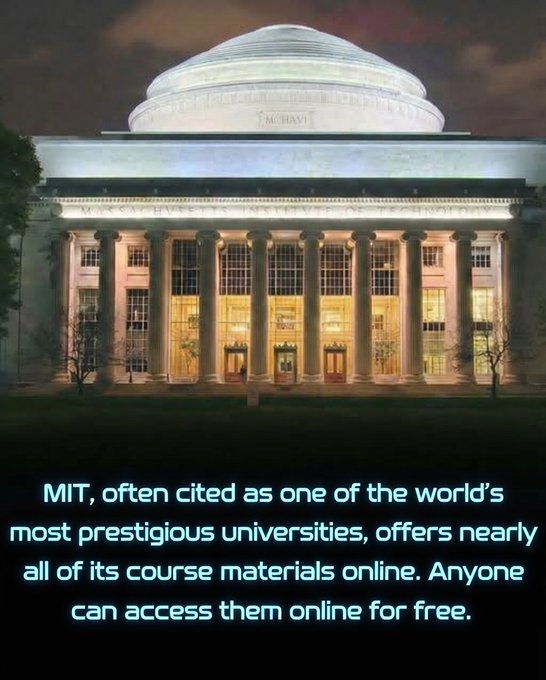
MIT is making elite education accessible to everyone by sharing materials from more than 2,500 courses freely with learners worldwide.
The Massachusetts Institute of Technology continues to transform global education through its commitment to open access. Via MIT OpenCourseWare (OCW), anyone can explore a vast digital archive of resources—including lecture notes, assignments, exams, problem sets, and video lectures—from over 2,500 undergraduate and graduate courses across every MIT department and discipline, from introductory programming and multivariable calculus to advanced topics in artificial intelligence, quantum physics, and beyond.
For a more guided, interactive path, MITx on the edX platform provides structured Massive Open Online Courses (MOOCs) that closely replicate the depth and rigor of on-campus classes. These self-paced offerings let learners dive into high-demand fields like machine learning, data science, entrepreneurship, supply chain management, and more.
Both platforms are completely free to access—no enrollment, age restrictions, or geographic barriers required—just an internet connection. The key difference: OCW delivers self-directed, archival materials without any formal credentials, while MITx courses often include the option to earn a verified certificate for a modest fee upon completion.
Popular starting points include classics like "Introduction to Computer Science and Programming Using Python" (widely used for beginners), alongside specialized series in areas such as financial accounting, circuits and electronics, probability, and aircraft systems engineering.
This open-learning effort reflects MIT's core mission to advance knowledge and empower people everywhere, turning world-class resources into tools for personal growth, professional development, and lifelong curiosity for millions of users globally. Dive in today at https://t.co/bPdSDEDb7V or https://t.co/APdvzmWRev.
@Khadimhussain4 In this context, Cenling County is not an isolated administrative move, but aligns with the trend toward regional integration, the inclusion of Afghanistan in regional connectivity, and the growing desire for interregional overland trade routes.
The Diplomat
For much of the modern era, Central Asia – including Afghanistan and China’s western Xinjiang province – has been treated as a geopolitical periphery. Long viewed as an isolated buffer zone shaped by conflict, “otherness,” and great power competition, this perception is now shifting. Geopolitical realignments, economic and security necessity, as well as regional initiatives are repositioning Central Asia as an emerging hub of trade and cooperation.
https://t.co/o4Mb0O4mdk
@MoosesFelix Just like that viral white cat 'Coop' who came with a house, a black mama cat was already waiting when we moved into our office in Kabul! She blessed us with three adorable kittens: Shadow, Tiger & Dusty. Here's Tiger in full zoomie mode chasing his tail 😂 Pure kitten chaos!
Afghans who risked their lives alongside U.S. troops were promised safety.
Forcing them to choose between near-certain death at the hands of the Taliban or a country they’ve never known is cruel and immoral.
We must not betray those who risk their lives to protect our soldiers.
@AfghaNarrative@MuqtedarKhan Broker's chair creaks under Persian refusals — doors slam on Hormuz shadows.
Tehran's 'unacceptable' echoes while desert coffers call in old debts by month's end.
Petrol pyres rise from distant flames; the middleman pays twice — in coin and in silence.
Broker's chair creaks under Persian refusals — doors slam on Hormuz shadows.
Tehran's 'unacceptable' echoes while desert coffers call in old debts by month's end.
Petrol pyres rise from distant flames; the middleman pays twice — in coin and in silence.