Now launched: https://t.co/rxiODVLZaG
Free, open-source coaster park builder with shops, water/metal/wooden coasters, guests, food, shops, and more
No signup required, co-op included
@chokelatasli@itozip And also the salary is significant higher. Example my salary as a junior is around IDR 27 Million. With rm30 ~ IDR116k you can help 5 people??? That’s so cheap
Japanese and Italian food are mid and very overpriced. They’re not even that atas nor complicated to make.
90% of all Korean food is just Gochujang, sesame oil and soy sauce.
Arabic food is bastardized in Malaysia.
Vietnamese cuisine is better than Malaysian food (I’m sorryyy)
Buckle up & let me cook with this one.
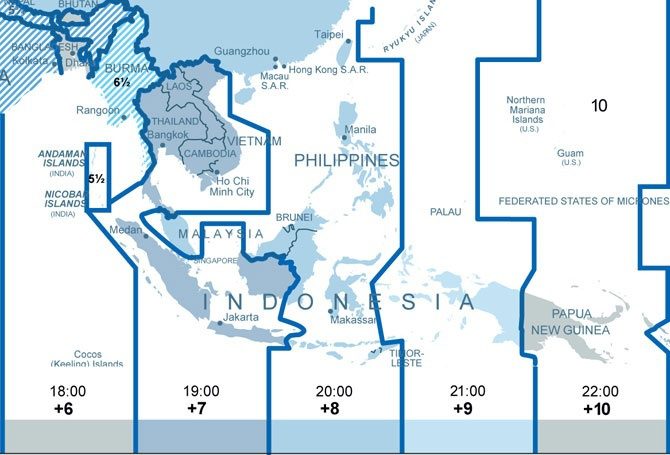
Malaysia's official time zone, GMT+8, does not align with the country's actual solar time and natural circadian rhythm due to historical and political decisions rather than geographical reality.
Malaysia's true solar time is closer to GMT+7. Malaysia spans longitude 99°E to 120°E, meaning it is naturally positioned closer to GMT+7.
Solar noon (when the sun is at its highest point) in Peninsular Malaysia often happens around 1:20 PM local time, not at 12:00 PM as expected in a naturally aligned time zone.
This delay shifts the body's natural exposure to sunlight, affecting circadian biology.
Before 1981, Peninsular Malaysia was on GMT+7:30, while Sabah and Sarawak were on GMT+8.
In 1981, Malaysia standardized the entire country to GMT+8 to match Sabah, Sarawak, and also for economic alignment with neighboring Singapore.
This means Peninsular Malaysia artificially "jumped ahead" by 30 minutes from its original solar-based time.
Effects on circadian rhythm?
Delayed Sunrise & Sunset.
Sunrise in Kuala Lumpur often occurs past 7:00 AM, making it harder to wake up naturally.
Sunset occurs later, leading to longer artificial light exposure at night.
People wake up and eat breakfast later, which disrupts morning cortisol and melatonin cycles. Night owls are more common due to extended light exposure in the evening.
School & work start too early relative to solar time. 7:30 AM school times in Malaysia feel like 6:30 AM in a more natural time zone.
This can cause chronic sleep deprivation, especially in children and teenagers.
Jakarta (GMT+7) and Bangkok (GMT+7) have similar longitudes to Kuala Lumpur, yet they are an hour behind Malaysia.
This means their sunrise and sunset are more aligned with natural circadian rhythm, unlike Malaysia’s artificially pushed-forward clock.
What would happen if Malaysia used GMT+7?
Sunrise would occur around 6:00-6:30 AM, making it easier to wake up naturally.
Solar noon would be closer to 12:00 PM, realigning meal timing and biological rhythms.
Melatonin production would start earlier, promoting better sleep quality.
Malaysia’s natural circadian rhythm aligns better with GMT+7, but political and economic decisions have kept it in GMT+8.
This misalignment affects sleep quality, energy levels, and long-term health by disrupting the body's natural exposure to sunlight.
If Malaysia reverted to GMT+7, people's biological clocks would sync better with daylight cycles, leading to improved health and productivity.