Patients with refractory cancer seeking treatment with engineered T cells (CAR T) are going to China where the cost is considerably less
China $150-300K
US $550-800K
https://t.co/K7uEWE6k9o
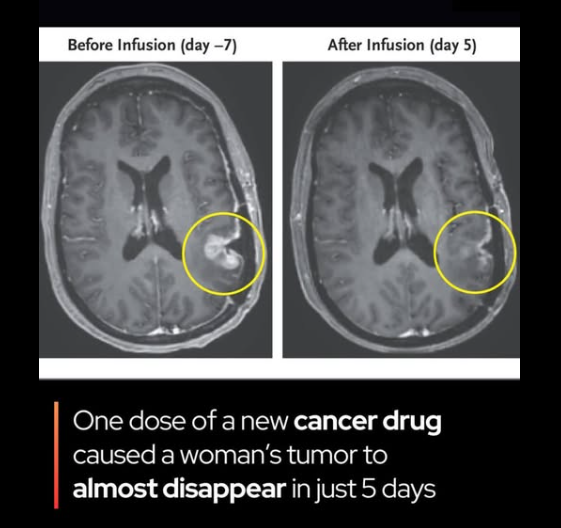
A single dose of a new cancer drug made a brain tumor almost disappear – in just five days.
Doctors at Massachusetts General Hospital reported “dramatic and rapid” tumor regression in the first patients treated with a next-generation form of CAR T-cell therapy for glioblastoma, one of the most aggressive brain cancers known.
The therapy, called CARv3-TEAM-E, was developed to overcome a major hurdle in treating solid tumors: their ability to hide from the immune system.
The personalized treatment reprograms a patient’s immune cells to attack the tumor, and in one extraordinary case, nearly eliminated the cancer within just five days. This novel therapy is designed to target multiple features of the tumor at once, a strategy that may help overcome the common challenge of treatment resistance in solid tumors like glioblastoma.
Although the tumors eventually returned, the early outcomes were described as unprecedented. One patient saw a 60% reduction in tumor size that lasted for half a year—an impressive result in a cancer known for its aggressiveness.
The trial’s success marks a major step forward for immunotherapy in brain cancer and raises new hopes for long-term control or even a cure. Researchers are now working to refine the treatment and extend its effects, with the ultimate goal of turning a once-terminal diagnosis into a survivable condition.
A new cover for SUPER AGERS after making the NYT bestseller list. Thanks to you for making it the #1 ranked new non-fiction book on Amazon.
https://t.co/2LU5uH821R
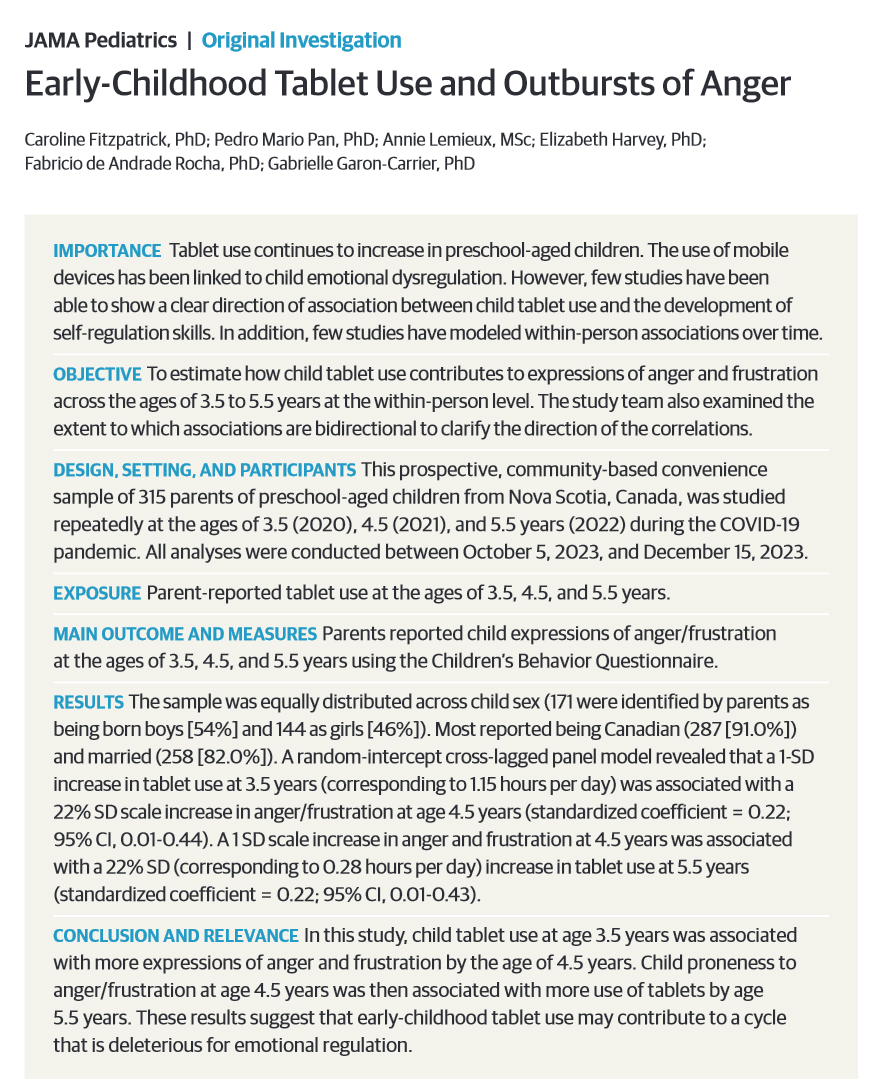
Heavy screen use might create a vicious cycle for young kids.
New data: the more time 3.5-year-olds spent on tablets, the more angry outbursts they had at age 4.5... and the more they used tablets at 5.5.
Digital soothing is not a substitute for teaching emotion regulation.
A study published in @NatureAging reports that molecular changes during aging are nonlinear with two major waves of age-related changes at approximately 44 years and 60 years of age. https://t.co/T2q7OaNlmL
Whole-genome sequencing of more than 2,000 colorectal carcinoma samples provides a highly detailed view of the genomic landscape of colorectal cancer and identifies new driver mutations, according to a paper in @Nature. https://t.co/dqNWmCtxaj