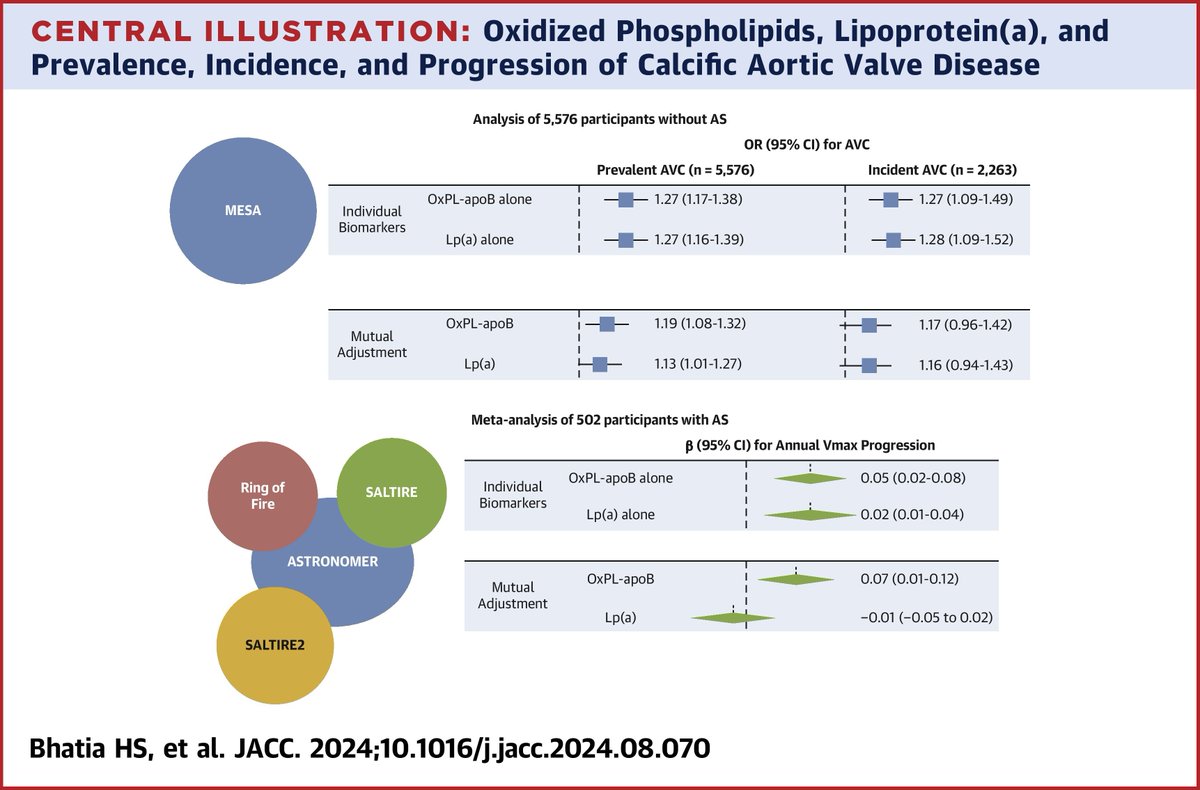
#AHA24: How does OxPL-apoB affect the risk of calcific aortic valve disease? Using data from MESA, Drs. @hsbhatia, @Lpa_Doc & team show that ⬆️ OxPL-apoB is associated with increased incidence and progression of valve disease https://t.co/H57nhevvVf #JACC
Institutional Review Board (IRB) and a Safety Review Committee (SRC) are committees work to ensure that research and clinical trials are conducted with the utmost integrity, and participant safety and well-being are central to their mandates. They however focus on different aspects of the research trial, with the IRB focusing more on ethical considerations and the Safety Review Committee honing in on the safety parameters and data integrity of the trial. It's vital that both boards operate efficiently to uphold the highest standards in research practices.
Institutional Review Board (IRB)
1. Primary Focus:
- Ethical Considerations: Concentrates on the ethical aspects of research studies to protect the rights and welfare of human participants.
2. Responsibilities:
- Regulatory Compliance: Ensures compliance with regulatory frameworks, including local, federal, and institutional policies.
- Review of Informed Consent: Responsible for reviewing informed consent documents and processes to ensure that participants are ethically enlisted and are well-informed.
3. Composition:
- Multidisciplinary Membership: Comprised of a multidisciplinary team, which often includes individuals not affiliated with the institution to provide a range of perspectives.
4. Oversight:
- Ongoing Monitoring: Engages in the ongoing oversight of approved research to maintain adherence to ethical and regulatory standards.
Safety Review Committee (SRC)/Data and Safety Monitoring Board (DSMB)
1. Primary Focus:
- Participant Safety: Mainly concerned with safeguarding participants in clinical trials by continuously monitoring safety metrics and adverse events.
2. Responsibilities:
- Data Integrity and Validity: Ensures the reliability and validity of the data collected during the trial, scrutinizing data collection methods.
- Interim Analysis: Conducts interim analyses of data to identify and address emerging concerns or issues promptly.
3. Composition:
- Multidisciplinary Expertise: Includes members with diverse expertise in various fields such as clinical trial methodology, statistical analysis, and ethics.
4. Oversight:
- Recommendations and Advisory Role: Based on their ongoing review, they can make recommendations about the continuation, modification, or termination of a trial. They also provide independent guidance to the research team and sponsors based on their assessments.
- Emergency Unblinding: Has the authority to unblind a study in emergency situations to understand a participant’s allocated treatment.
Summary
IRB: Primarily focuses on safeguarding the rights and welfare of human participants through ethical oversight and regulatory compliance in research studies.
SRC/DSMB: Primarily committed to ensuring the safety of participants in clinical trials through continuous monitoring of adverse events and other safety metrics while maintaining data integrity and validity.
An Informed Consent Form (ICF) is a document used in research, clinical trials, and medical procedures to provide potential participants with detailed information about the study or procedure they are considering participating in. The goal is to ensure that participants are fully informed about the potential risks, benefits, and other important details, so they can make a well-informed decision about whether or not to participate. Here is an overview of what ICFs typically include:
1. Introduction:
- Study title and sponsor: Information about who is conducting the study.
- Purpose: Why the study or procedure is being done.
2. Background:
- Rationale: The reason the study is being conducted.
- Study requirements: What will be required of participants.
3. Procedures:
- Interventions: Detailed information about the interventions, if any, that will be carried out.
- Timeline: How long the study will last and what the schedule of visits or procedures will be.
- Randomization: If applicable, information about how participants will be assigned to different groups in the study.
4. Potential Risks and Benefits:
- Risks: A detailed list of potential risks and side effects.
- Benefits: Any potential benefits participants might experience.
5. Confidentiality:
- Privacy: How participants' privacy will be protected.
- Data use: How the data collected during the study will be used and who will have access to it.
6. Participant Rights:
- Voluntary participation: The fact that participation is voluntary and participants can withdraw at any time without penalty.
- Questions: Information about who participants can contact with questions or concerns.
7. Consent:
- Signature: A place for participants to indicate their consent to participate by signing and dating the form.
- Witness: Sometimes, a witness signature is required to verify that the consent process was carried out properly.
8. Appendices/Additional Information:
- Glossary: A glossary of terms may be included to help participants understand any technical or medical terminology used in the form.
- Reimbursement: Information about any reimbursement or compensation participants may receive for taking part in the study.
9. Updates and Amendments:
- Re-consent: Information about the process for obtaining re-consent if there are significant changes to the study protocol.
After reading the ICF, potential participants should have the opportunity to ask questions and discuss any concerns with the research team before deciding whether to consent. It is essential that ICFs are written in language that is easy to understand, and they should avoid technical jargon as much as possible to facilitate informed decision-making.