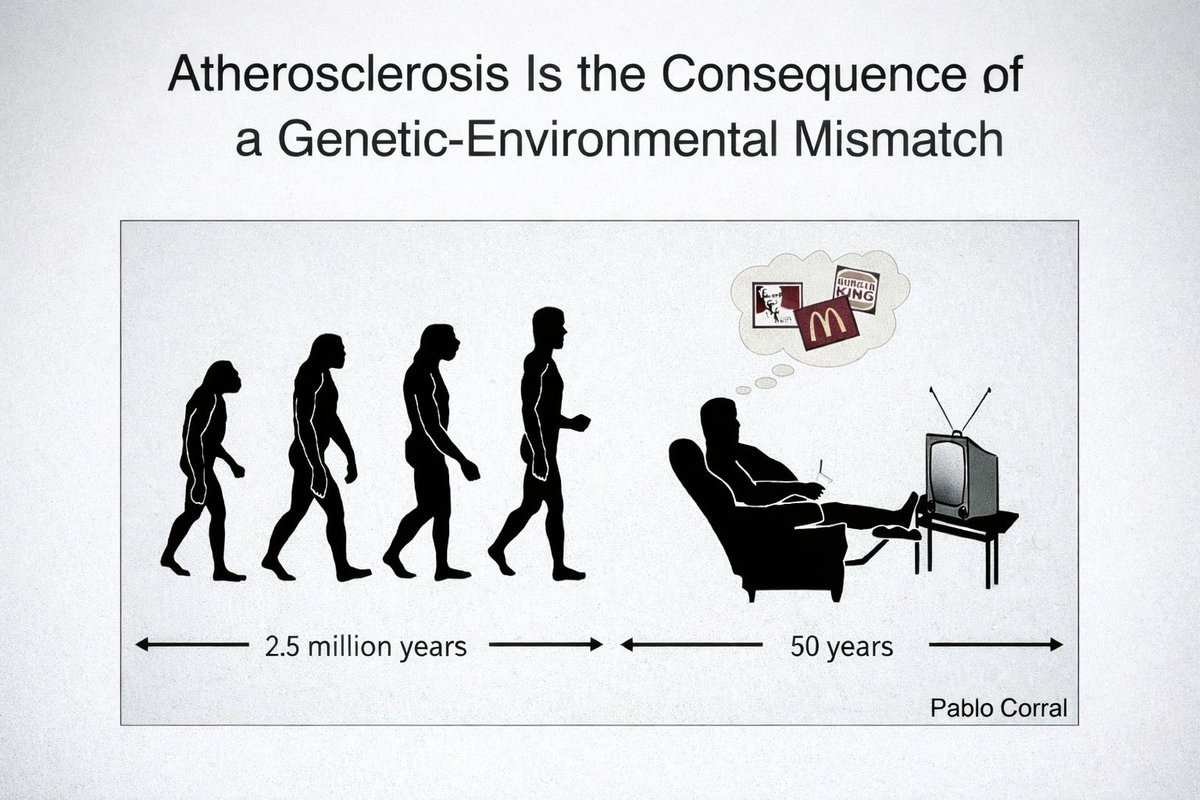
Human LDL: An Evolutionary Byproduct, Not a Physiological Requirement
📍 Conceptual framework
👉 LDL is not biologically indispensable for most human tissues in adulthood.
👉 Most tissues retain the capacity for autonomous cholesterol synthesis, reducing dependence on circulating LDL.
👉 HDL-mediated sterol delivery plays only a limited and selective role in tissue cholesterol supply.
📍 Metabolic origin of LDL
👉 LDL represents the inevitable metabolic byproduct of hepatic VLDL production.
👉 Hepatic VLDL synthesis is an energetically costly process, not a metabolically efficient pathway.
👉 This system evolved to ensure:
metabolic robustness,
endocrine flexibility,
efficient energy distribution.
👉 These traits were advantageous under ancestral conditions of intermittent nutrition and prolonged ontogeny.
📍 Evolutionary interpretation
👉 The dominance of LDL in human plasma does not reflect physiological equilibrium.
👉 Instead, it represents a supraphysiological state tolerated by evolution.
👉 The deleterious effects of LDL emerge beyond reproductive age, escaping evolutionary pressure.
📍 Clinical paradox
👉 What modern medicine defines as “normal” LDL levels is not biologically optimal.
👉 “Normal” LDL reflects an evolutionary compromise, not a physiological requirement.
👉 Early-life survival and developmental advantages are achieved at the cost of:
lifelong cumulative apoB exposure,
progressive atherogenic burden.
📍 Longevity mismatch
👉 Human lipid metabolism evolved for survival, not for longevity.
👉 Unprecedented human lifespan exposes the pathological consequences of this evolutionary design.
👉 Atherosclerosis emerges as the delayed cost of human metabolic architecture.
@society_eas@LipidJournal
Yesterday’s post about heart rate and base building triggered a number of responses from experienced runners saying, “But I run at 145+ HR, and I’m fine.” That reaction actually highlights how poorly understood the distinction between cardiovascular fitness and aerobic fitness still is, even among dedicated endurance athletes.
Let's explore this a bit...
Most runners run too fast on their slow days and too slow on their fast days.
Cardiovascular fitness refers to the delivery system. It reflects how effectively the heart pumps, how well blood flow is distributed, and how efficiently oxygen is transported to working tissues. Aerobic fitness, however, is primarily about utilization. It reflects how well the muscles use the oxygen delivered through oxidative metabolism, including mitochondrial function, fat oxidation capacity, lactate handling, and overall metabolic efficiency. These are related systems, but they are not interchangeable, and one can be well developed without the other being optimized.
It is entirely possible to have strong cardiovascular fitness and still operate with relatively high metabolic cost during steady-state efforts. This is particularly common among recreational runners and even among experienced non-elite endurance athletes who have spent years training at moderate intensities. They are durable, consistent, and capable, but their “easy” work often occurs at a higher fraction of their physiological capacity than they realize.
When an athlete reports that their easy runs consistently sit in the mid-140s (above 75% of maxHR), it does not reflect poor fitness. In many cases, it reflects a well-trained cardiovascular system paired with a habitual training intensity that sits near or above the first lactate threshold. The effort may feel subjectively easy due to years of adaptation, but metabolically, it is not truly low-intensity work. The body relies more on glycolytic pathways than on oxidative metabolism, even during easy runs.
This matters because the full development of the aerobic system is driven by sustained training below the first lactate threshold. While higher intensities absolutely stimulate mitochondrial biogenesis, the adaptations associated with metabolic efficiency—improved fat oxidation, expanded capillary density, lower lactate production at submaximal workloads, and reduced sympathetic strain—are most robust when a significant portion of training occurs at genuinely low intensities. In other words, intensity can build fitness, but extensive low-intensity volume refines efficiency.
When most training time is spent at or above LT1, athletes often become very good at tolerating moderate metabolic stress rather than minimizing the cost of aerobic work.
At elevated hr intensity, oxidative stress per session is higher, sympathetic activation remains elevated, and the recovery burden accumulates over time, even if the athlete feels subjectively comfortable. RPE can remain low while physiological strain remains moderate, particularly in experienced runners who have adapted psychologically to that level of effort.
In my office, it is clear that there is also a practical clinical layer that becomes increasingly relevant in midlife. The cardiovascular system adapts relatively quickly to the stress of training. Connective tissues—tendons, fascia, cartilage, and bone—adapt much more slowly. When moderate-to-high metabolic load is layered onto repetitive impact before true aerobic efficiency and tissue resilience are established, the total recovery demand rises. This pattern is reflected in the training errors I see routinely in clinic: Achilles pain, plantar fasciitis, patellofemoral symptoms, and lateral hip or gluteal tendinopathy. They are usually mismatches between the distribution of training intensity and our recovery capacity. This changes with age... and it will catch up to you.
None of this means that running at higher heart rates is inherently harmful, nor does it suggest that intensity should be avoided. Threshold work, tempo runs, and even high-heart-rate sessions are valuable tools. The issue is distribution. If most weekly mileage is performed at a moderate metabolic intensity, the athlete maintains cardiovascular fitness but sacrifices some metabolic flexibility and efficiency. Easy days are no longer truly low-cost, and recovery between harder sessions is less complete.
What is often given up is range. An athlete with a well-developed aerobic base can run at a lower heart rate for the same pace, oxidize more fat, produce less lactate at submaximal intensities, and accumulate more total training volume with less physiological strain. Their easy runs are genuinely easy at a metabolic level, allowing higher-quality work when intensity is introduced. They are not just fit; they are efficient and durable.
Base training, therefore, is not about avoiding effort or running unnecessarily slowly. It is about lowering the physiological cost of work so that training becomes more repeatable, recovery becomes more predictable, and long-term durability improves. The heart remains strong, performance is preserved, and the metabolic system becomes more efficient. For lifelong runners, especially after forty, efficiency and recovery capacity often become the true limiting factors rather than motivation or discipline.
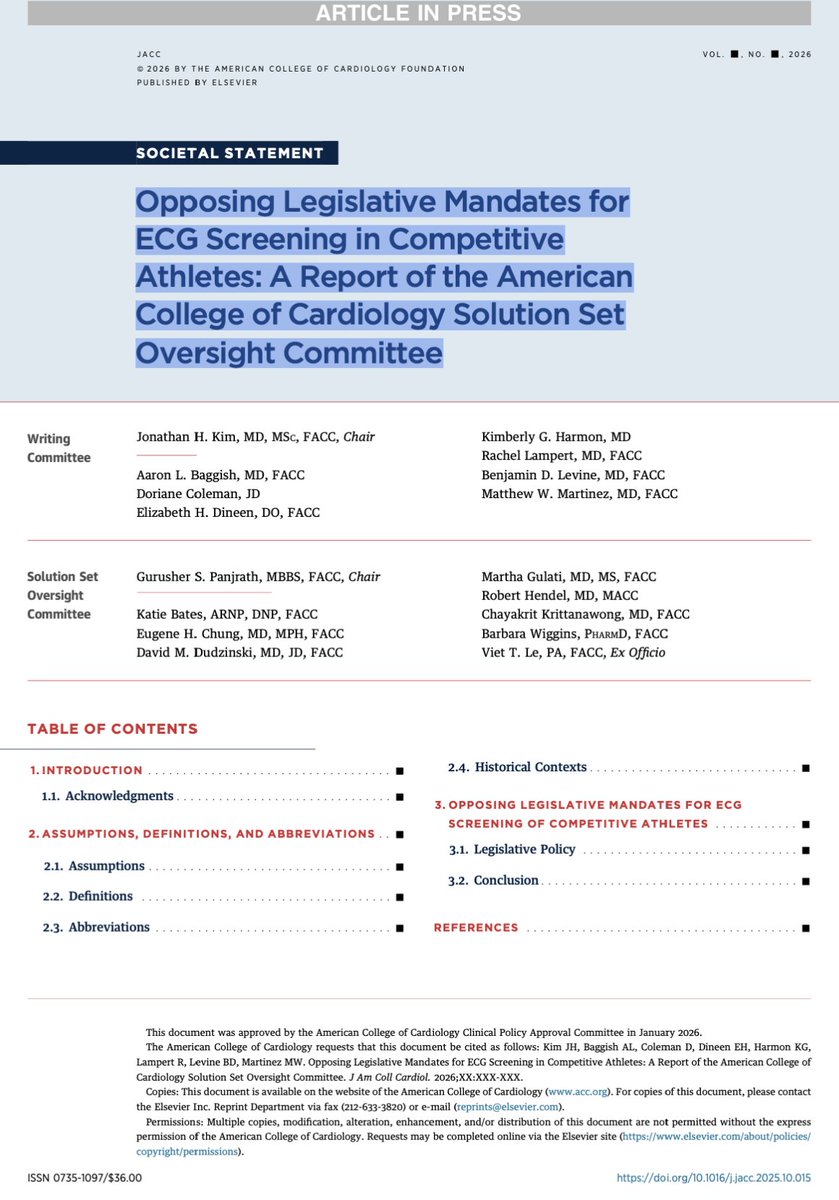
🏃♂️❤️ Should ECG screening be mandatory for all competitive athletes? The ACC says no.
Sudden cardiac arrest (SCA) is the leading medical cause of death during competitive sports. Screening aims to detect silent conditions — and adding a 12-lead ECG to history & physical can increase detection sensitivity to >90% for certain diseases.
So why oppose mandatory ECG laws?
The American College of Cardiology argues that legislative mandates would likely cause more harm than benefit .
⚖️ The core concerns:
1️⃣ Workforce reality
Accurate athlete ECG interpretation requires expertise. The U.S. does not have enough trained sports cardiologists to handle universal screening volumes. Poor interpretation → false positives, false negatives, unnecessary testing, missed diagnoses.
2️⃣ Equity risk
False-positive rates (2–15%) disproportionately affect Black athletes and those from underserved communities. Mandates could widen disparities, increase financial strain, and delay care.
3️⃣ Resource diversion
Mass ECG programs are expensive. Funds may shift away from what actually saves lives:
🚨 Emergency Action Plans (EAPs)
Immediate CPR + AED access is the only intervention proven to reduce mortality in young athletes.
4️⃣ Screening limits
Not all lethal conditions are detectable by ECG. A normal ECG does not eliminate future risk.
📌 ACC position:
ECG screening may be reasonable in structured programs with:
✔ Expert interpretation
✔ Equitable downstream resources
✔ Clear implementation planning
But laws mandating universal ECG screening are not evidence-based policy.
Prevention isn’t just about detecting risk.
It’s about implementing what truly saves lives.
Say hello to our incoming interns!
We’re excited to welcome Stella Glykos (A.T. Still University) and William Crockett (Midwestern University Chicago College of Osteopathic Medicine) to Main Line Health Urology. We’re thrilled to have you both join the team!