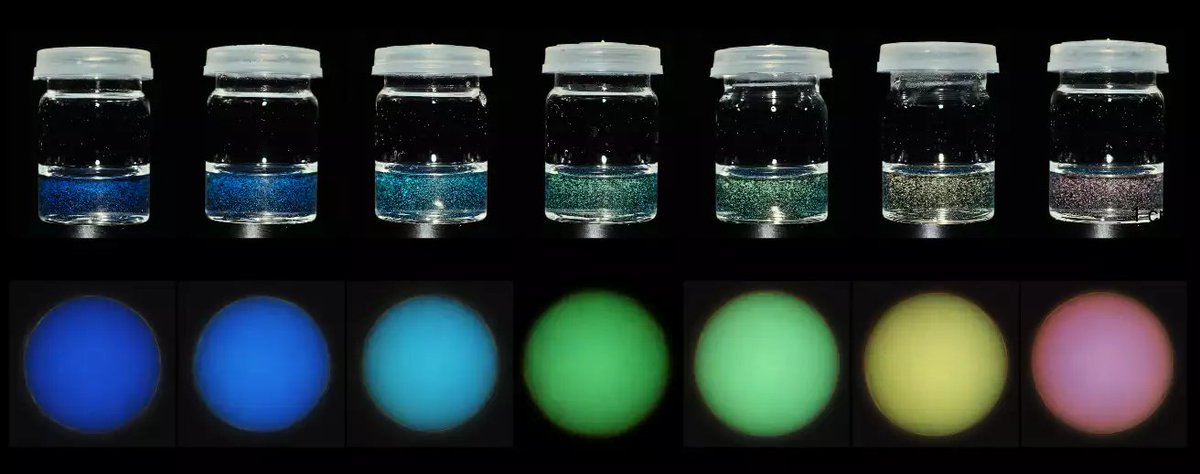
BEEP studies structural colour in bacteria, diatoms, seaweeds, applications for hydrogels and new technologies.
This project has received funding from the European Union’s Horizon 2020 research and innovation programme under the Marie Skłodowska-Curie grant agreement N° 86012.
The BEEP project has ended but our findings will translate into new #biomimetic materials and better performing bio-photoreactors: https://t.co/i3N2yUtCvy #msca#H2020
Congratulations to @ArielGarcaFlei1 for his #paper on the "Influence of structural colour on the #photoprotective mechanism in the gametophyte phase of the red #alga Chondrus crispus"! 🎉
This is the result of strong collaboration within the BEEP 🌈 😄
https://t.co/Tyaz8Q2Z80
Find informative videos on the BEEP YouTube channel! 🎬 https://t.co/YLld1PZmAT
Some of our BEEPers already posted short presentations introducing their respective projects. Ready to feast your eyes on their colourful world? 🌈✨
#H2020#ITN#MSCA#outreach#MarineSciences
Have a look on the Euraxess portal to find projects just as cool as the BEEP!🧫🔬🌈
You can find #PhD positions with outstanding research leaders and a strong network of collaborators ✨
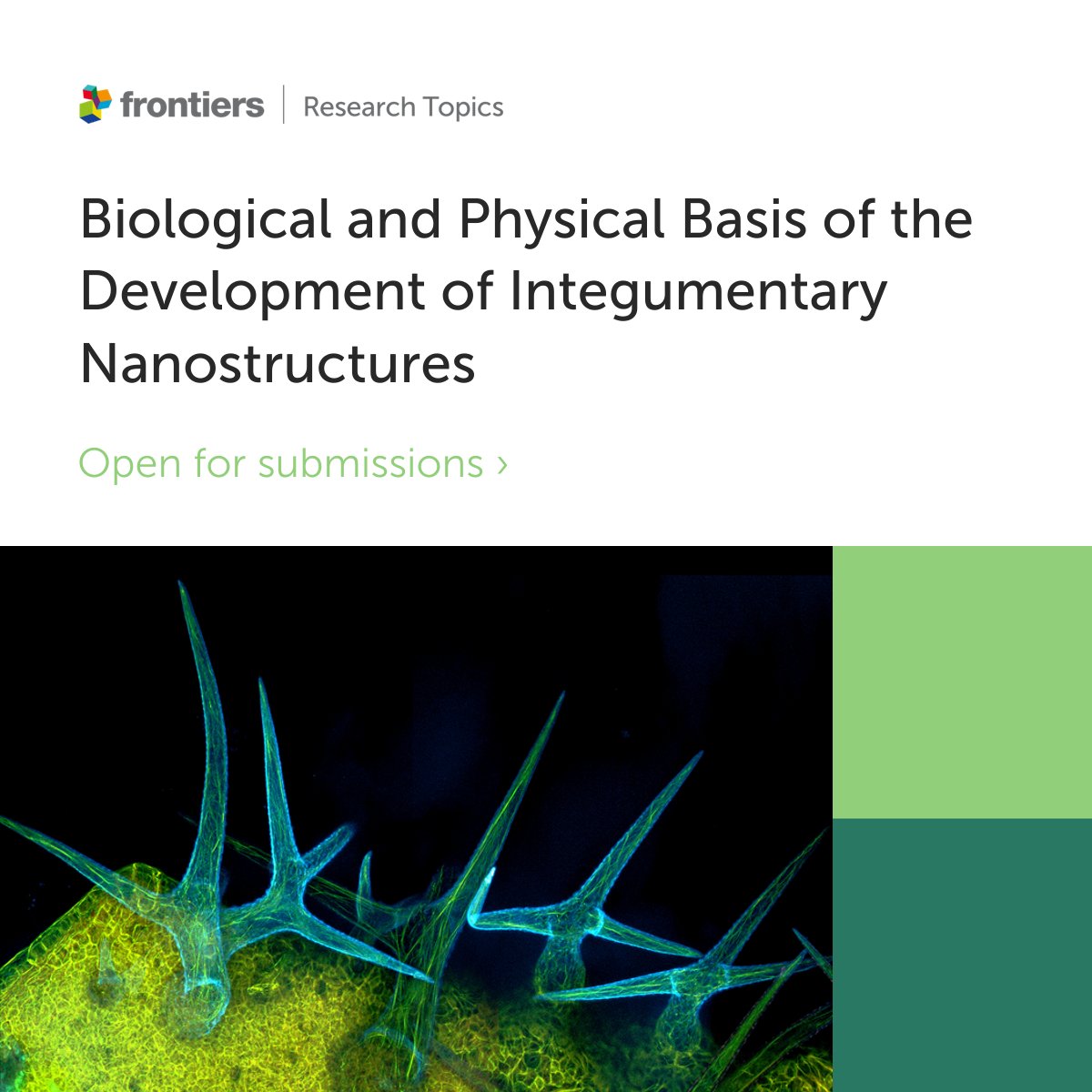
Dear eco-evo-devo community, my colleague Cedric Finet and I are excited to be organizing a research topic around the development of biological nanostructures. Submissions are now open. If your work relates to this topic, please consider submitting 🙂 https://t.co/deelEHteTd
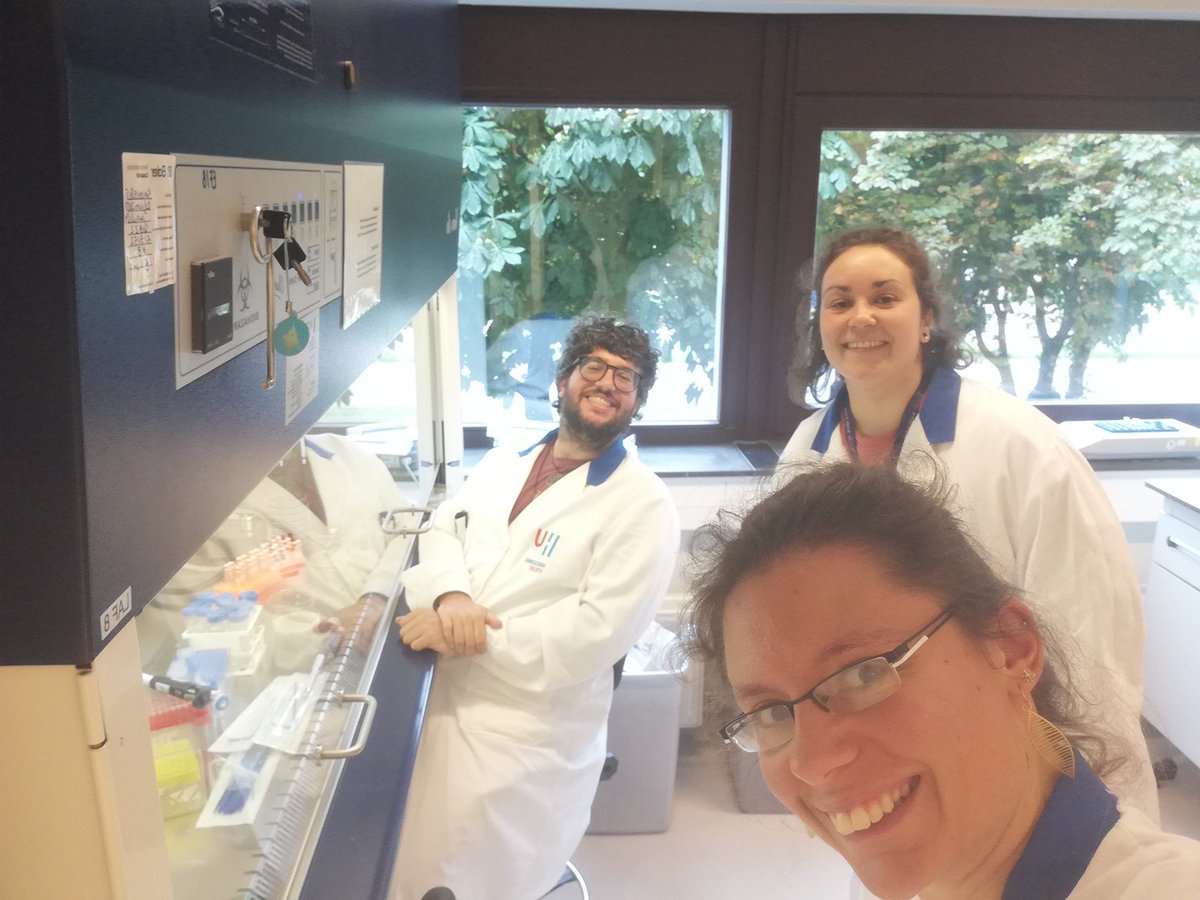
The secondment saga continues for the BEEP ESRs! Last month, @MargotMinju visited Hoekmine BV in Utrecht to learn from their microbiology techniques and investigate seaweed endophytic #bacteria and #iridescent biofilm.
If you are a highly motivated young scientist willing to do a PhD to better understand how block copolymers self-assemble into photonics, start your application here! https://t.co/5kCMDJQB79
An eco-friendly alternative to air conditioning? 🧊
Silvia Vignolini @VignoliniLab has developed a plant-based film that gets colder when exposed to sunlight and could cool buildings without the need of external power.
@Cambridge_Uni
Read more 👇 https://t.co/rgQEcJIZvG
Why are some corals so colourful? We took a deep dive into the role of coral pigments (#GFP) for physiology and photobiology in our new review! @MicroSensing@FrontMarineSci https://t.co/LxuavWxx7G
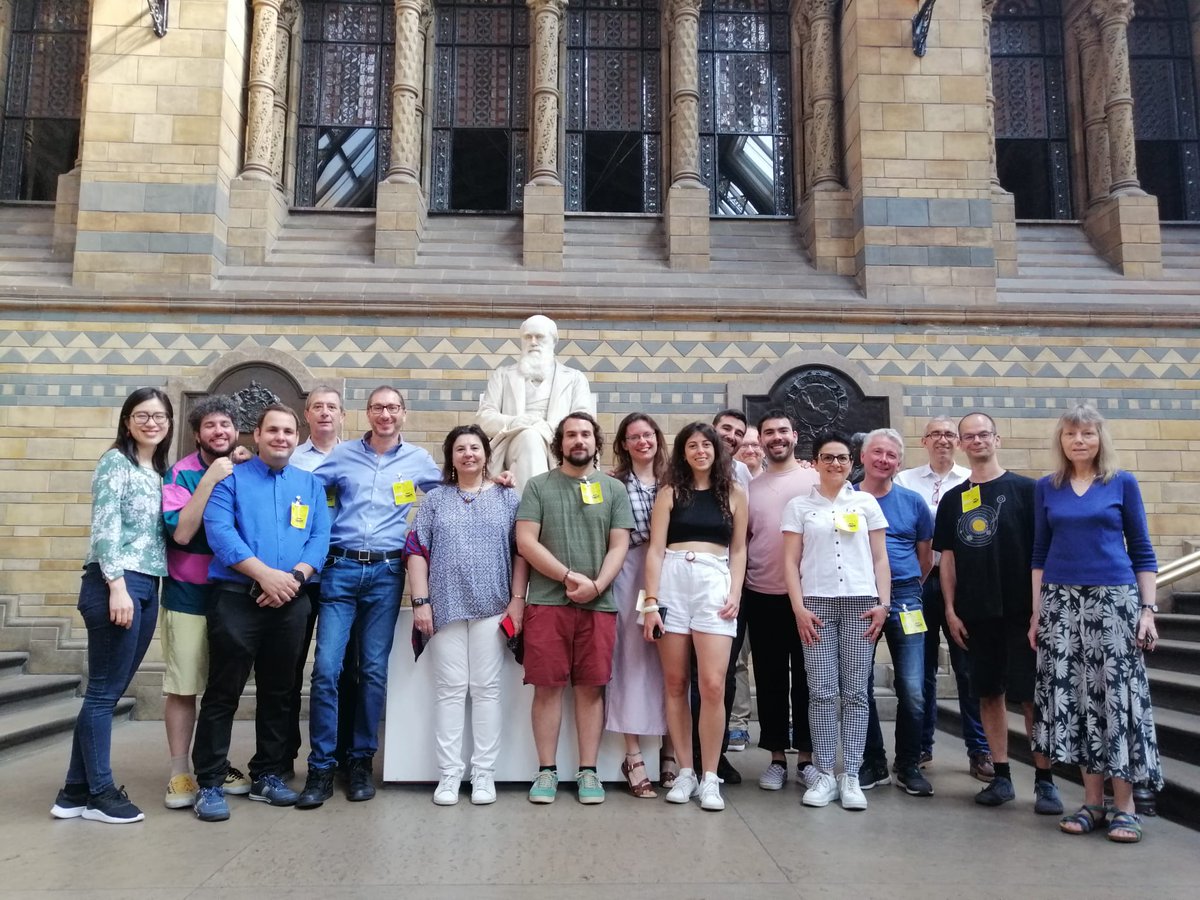
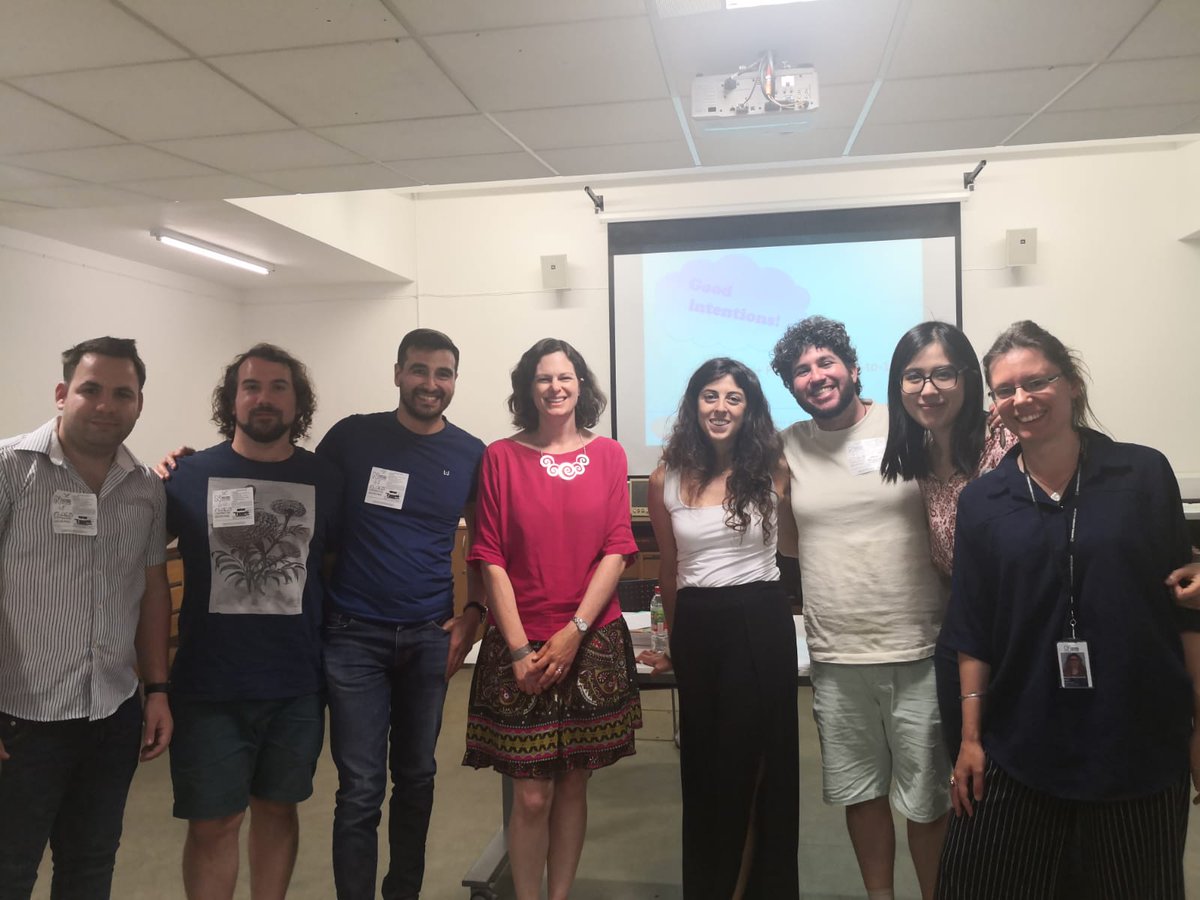
This time, we met in the Natural History Museum London to hold the BEEP Annual Meeting! It's always such a joyful moment when we are all gathered in person. Some are missing from this picture, but they were here!
We are so glad to have such a wonderful group of collaborators ❤️🌈
@BEEP_MSCA2020 @tescan_micro @TescanUK @tescan_micro @TescanUK is not a company but a family! Once you get a microscope the support never ends! Thank you for being part of our team!
Last week, Margot and Maria were also in Denmark at @MicroSensing with Gabriel. Doing some experiments on their seaweeds with Optical coherence tomography, hyper spectral imaging and holotommography.
Thanks to Michael Kühl, Swathi, Sofie and Gabriel for hosting and helping us!