From the Aegean Bronze Age, a 3,500 year-old Minoan clay vessel in the shape of a basket and decorated with double axes.
So ancient, yet it looks so modern!
From Pseira, Crete. Heraklion Archaeological Museum.
📷 my own
#Archaeology
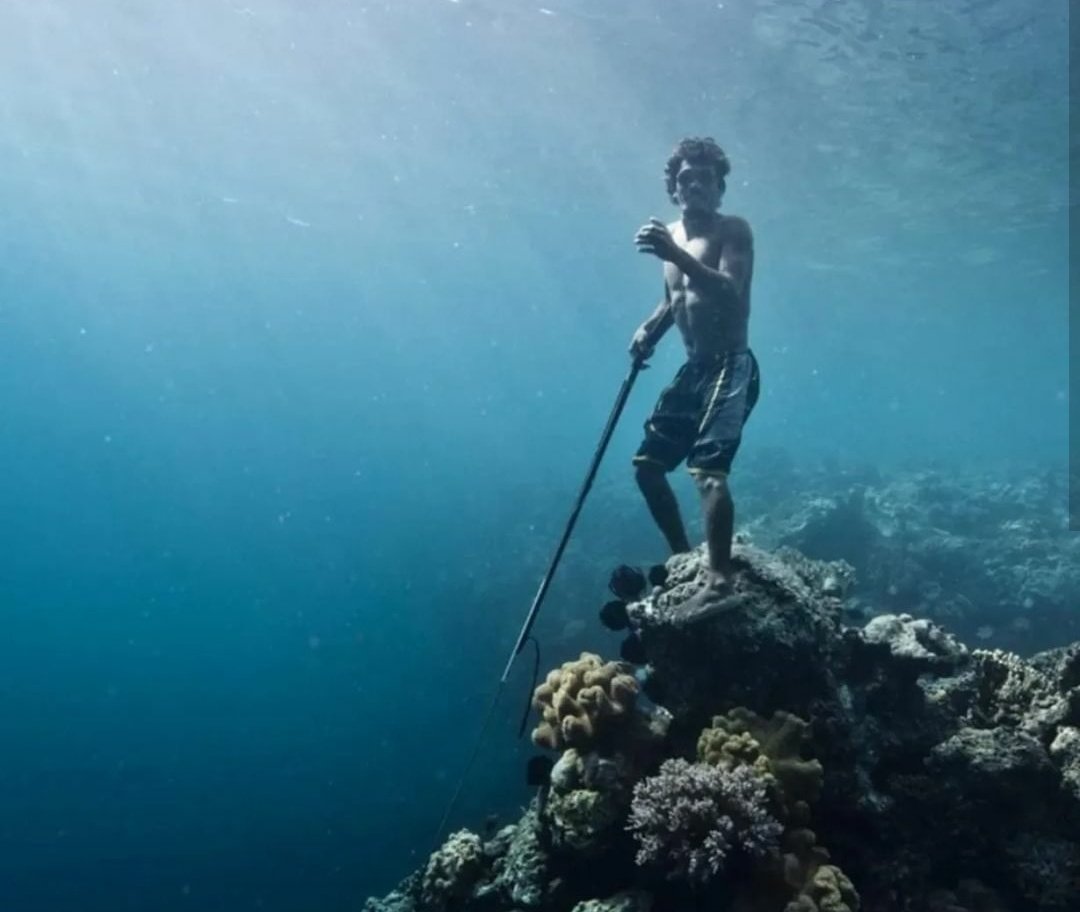
Bajau people of Indonesia, Philippines and Malaysia were first recorded by Europeans when Venetian explorer Antonio Pigafetta met them in 1521 AD. These maritime nomadic people have been fishing and diving for many millennia and over that time they have evolved bigger spleens which allows them to dive for longer than the average human.
According to scientists :
"The bigger spleen makes more oxygen available in their blood for diving. Located close to the stomach, the fist-sized spleen removes old cells from the blood and acts as a biological scuba tank during long dives."
Bajau people can dive to depths of over 200 feet and hold their breath for 13 minutes. They can also walk across the seabed hunting fish. These people live most their lives at sea and are the first known humans genetically adapted to diving.
#archaeohistories
My amazing journey. I couldn't have done it without you! Your continued support by voting for me really means the world to me💋🌍❤️ https://t.co/J114HV4bdg
#DJMagTop100@DJmag
Analysis of 2,000-year-old tooth enamel—discovered on the English Isle of Scilly’s Bryher island alongside a copper scabbard and shield, a brooch, and a bronze mirror—suggests that the Iron Age warrior’s grave likely belonged to a woman.
https://t.co/YUl6VxTs0E
Temple of Abu Simbel, located in Aswan, a city in southern Egypt.
Temple of Abu Simbel was built in time of Pharoah Ramses II, around 13th Century BC. Now, a world cultural heritage recognized by UNESCO.
A special highlight of Abu Simbel temple is that there are a total of 4 statues of Ramses II standing outside the temple, each about 20m high, very impressive and unique from afar.
#archaeohistories