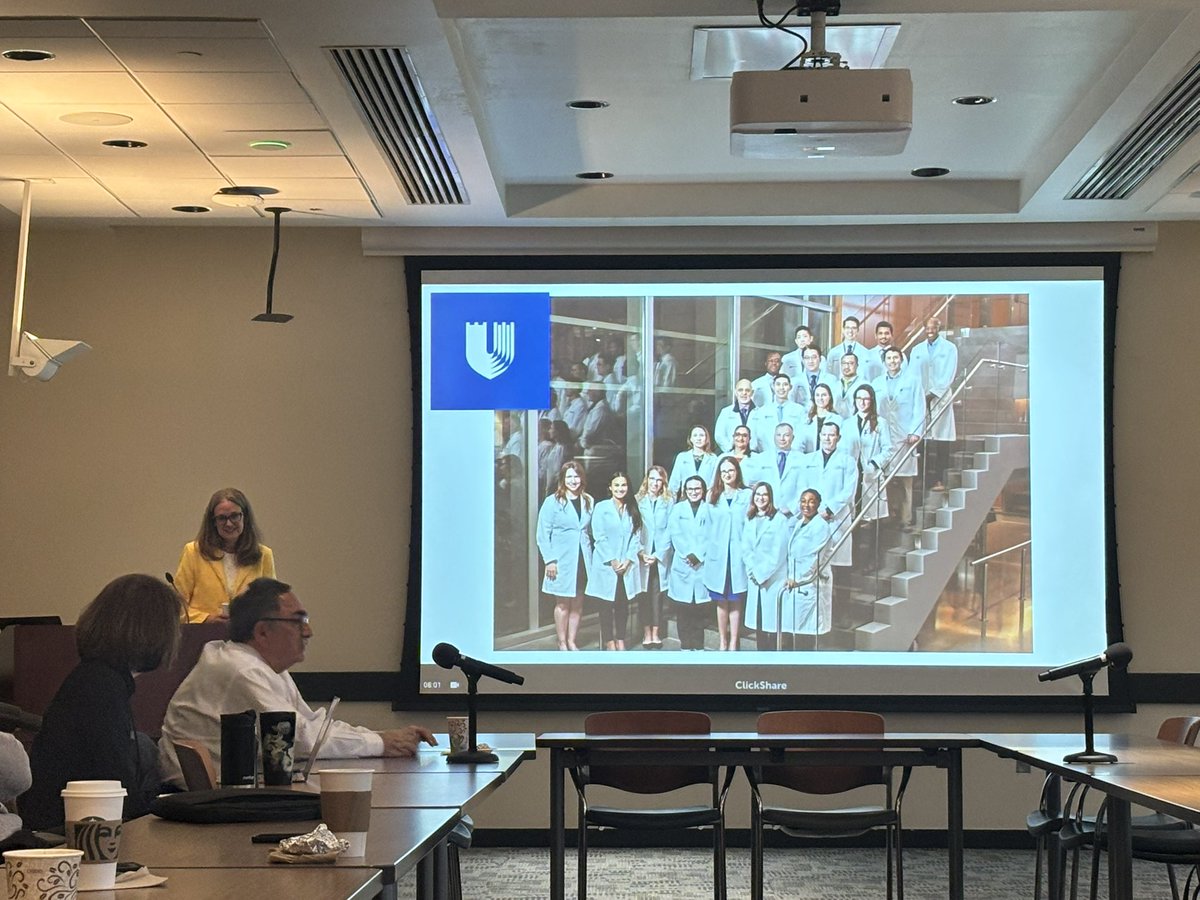
We welcomed back Dr. Dawn Coleman as a visiting professor today (2nd time in 6 years may be a record!) Incredible discussion of pediatric vascular surgery - challenges and opportunities. @DukeVascular@ColemanDM_vasc
Brilliant paper and analysis! @CincyIM@Midwest_MedPeds#ChangeMeded
The Shadow Economy of Effort: Unintended Consequences of... : Academic Medicine https://t.co/aUsw164WNT
🚨 SAVE THE DATE 🚨
Integrated vascular residency interviews will be held in-person on 12/11/24 (Wed) and 1/29/25 (Wed). Fellowship (5+2) interviews will be held in-person on 2/12/25 (Wed) and 2/19/25 (Wed). Excited to meet all the @FutureVascSurgn !!
Excellent and timely article @katie_thomas, @anniewaldman, @andrewfordnews and @ikeswetlizt, thank you. If I were a patient with #PAD, this would scare the hell out of me, and probably should.
A few important takeaways from this if you're a patient:
-Doctors do get paid for procedures, so they are inherently conflicted in some ways.
-In some settings, doctors can make tremendous amounts of money doing certain procedures, and this can be intoxicating and lead to overtreatment and nefarious business practices
-Despite this, most doctors want to help you. But you should advocate for yourself and always consider a second opinion when you are offered a procedure.
-All #PAD does not need a procedure!
-Patients with claudication (pain in the legs when walking due to poor blood flow) most often don't need a procedure.
-If you are a claudicant, you are very unlikely to lose your leg. And plaques/atherosclerosis/hardening of the arteries/peripheral arterial disease/peripheral vascular disease (all terms to describe the same thing) in your legs do not cause strokes or heart attacks (but are a marker of you being high risk for those problems)
-If a doctor tells you that they think you should NOT have a procedure, listen! They are a good doctor.
-If you can quit smoking(!!!), get on a statin medication (if you are able...even if your cholesterol isn't high), take an antiplatelet medication like aspirin, and walk, walk, and WALK some more, you will lower your risk of amputation and will improve your symptoms without a procedure
-Nothing can MAKE you quit smoking, but your doctor can help you.
-Sometimes atherosclerosis can be severe and become what is called Chronic Limb Threatening Ischemia (CLTI for short), manifested as pain at rest or leg wounds due to very poor blood flow, and this may require a procedure to save your leg.
-Sometimes this can be done with wires, catheters, balloons and even atherectomy (little data, long story). Sometimes surgery ("bypass") is better! This is a complicated decision process and depends on the severity of ischemia, the extent of your blockages, and your overall health
-Not all legs can be saved unfortunately, and sometimes amputation is the only treatment option. Your doctor can help you get through this, rehabilitate and it is possible to walk again afterwards.
-Make sure to ask your doctor if they participate in quality registries such as the Society for Vascular Surgery Vascular Quality Initiative (SVS VQI) and the National Cardiovascular Data Registry (NCDR). Doctors that follow their outcomes are simply better doctors.
@CaitlinWHicks@nichosbo@VascularSVS@ACCinTouch
Proud of SJ for continuing the @DukeVascular - @UFVascular connection. She’s going to love Gainesville!
Hopefully this means the gators will have a recruiting edge for her son Colt some day @DukeSurgRes.
Proud of @krisrho93 for exemplifying the triple-threat of surgery! Superb educator, practice-changing researcher, and an incredible clinician. Already one of the greats @DukeSurgRes !
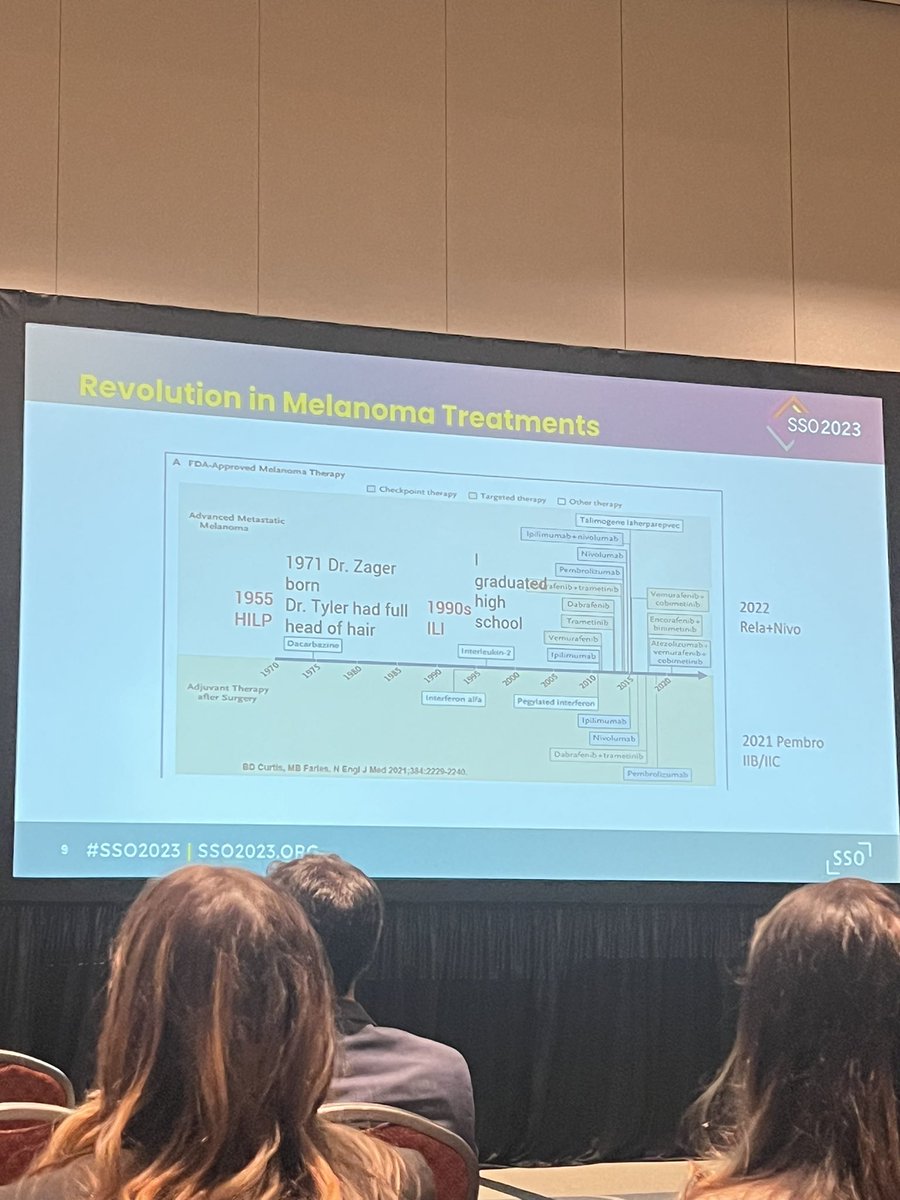
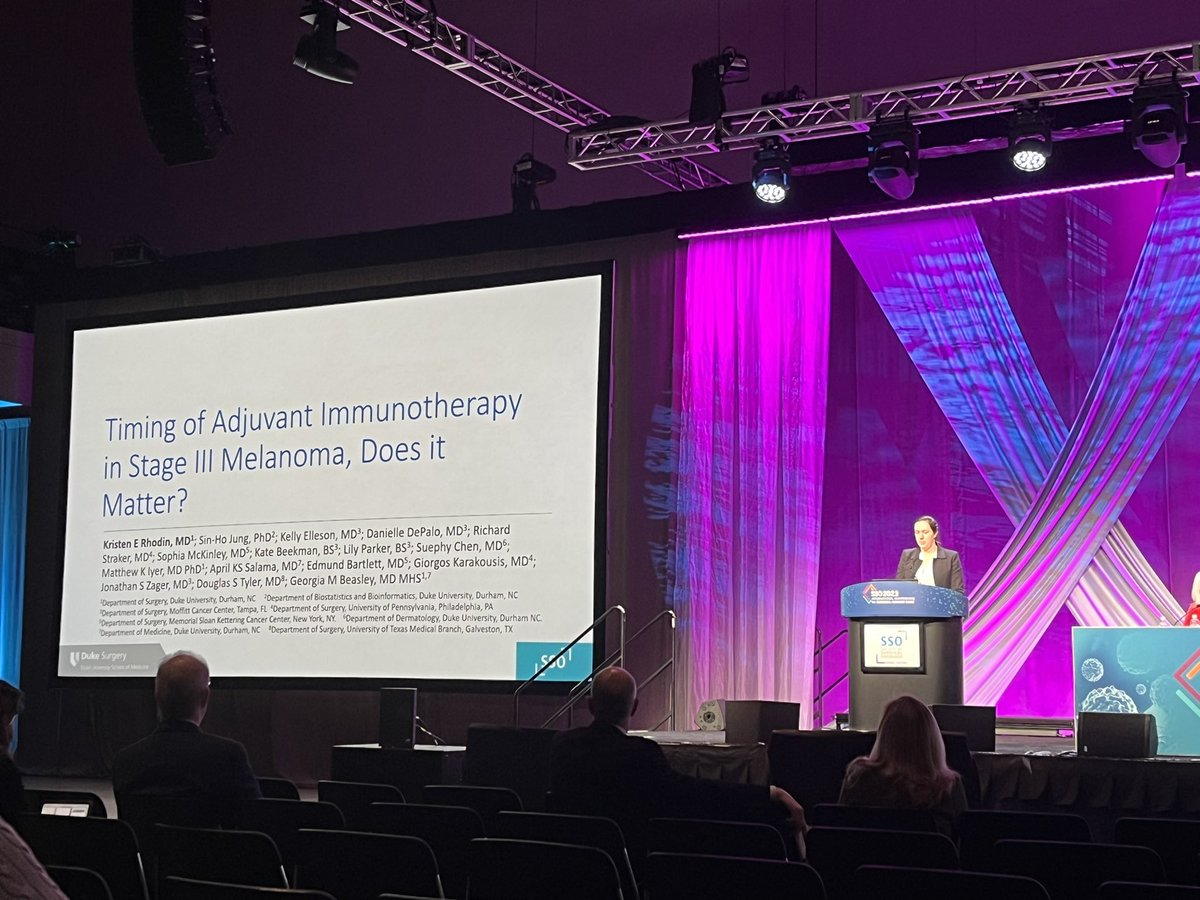
Such a great day at #SSO2023! Honored to receive the Dale Han Award and present my thesis work on the timing of adjuvant IO in melanoma. Followed up by a great debate on utilization of ILI moderated by @DukeSurgOnc’s own Dr. Georgia Beasley. So thankful for her mentorship!