Well deserved, Eric! So fortunate to have you as my mentor. I’ve learned so much and continue to practice what you’ve taught me. Thanks for everything!
@TommyDeanWriter Great! Thanks. Same here. Working on my debut suspense novel. Considering the market and making sure I have good comps before I write.
I recently spoke to the SinC Heart of Texas Chapter about "What Makes a Good Short Story."
My presentation was recorded and is now available on YouTube: https://t.co/QlCoipDHQg
The first two-thirds is my presentation and the last third a Q&A covering a wide range of topics.
Some classic Chevy Chase lines from Fletch, which is 41 today.
Under the laughs, it’s a tight, well-built detective story: drug trafficking, murder-for-hire, and a film-noir backbone; just brighter, with punchy one-liners.
Might rent it tonight. I’ll charge it to the Underhills.
@Jamie_Nash Thanks for sharing. I guess “Be a better…___” is a great shorthand way of thinking about a positive transformation. Misbelief is just ingrained in me by now. I find a lot of screenwriting tips invaluable to prose structure as well, so I study film, too.
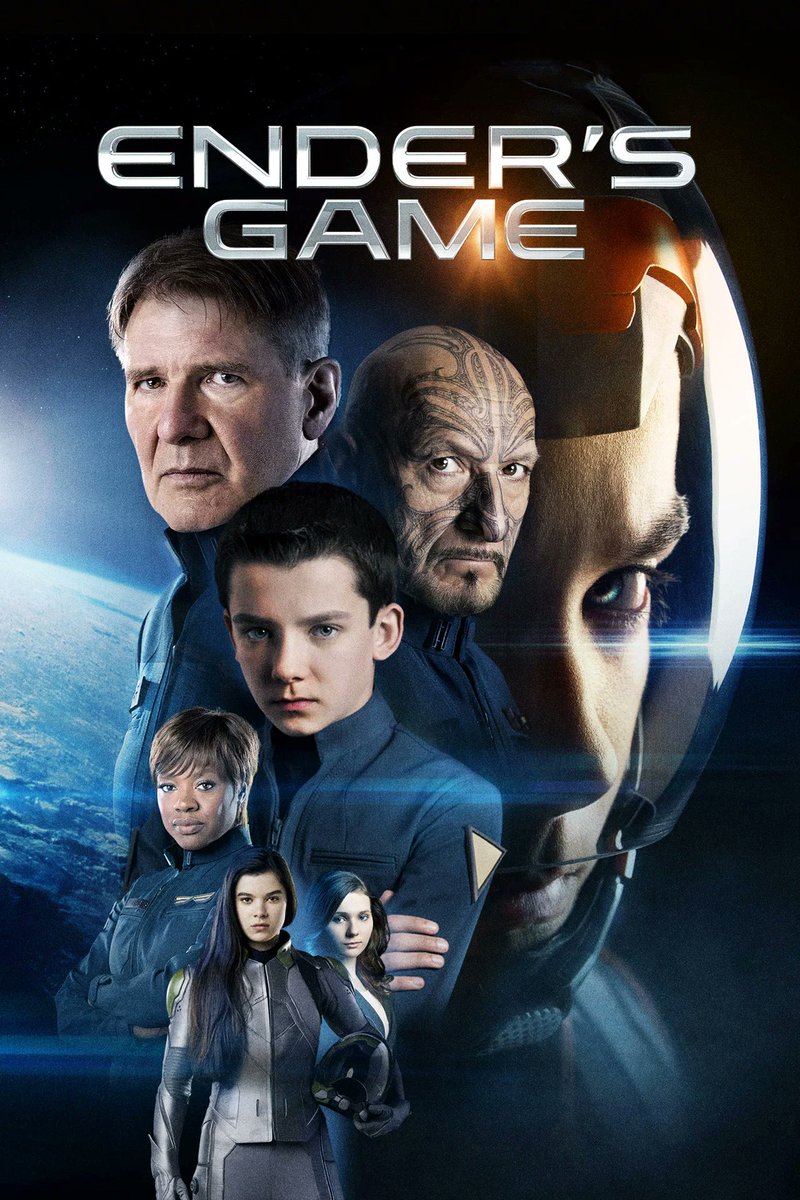
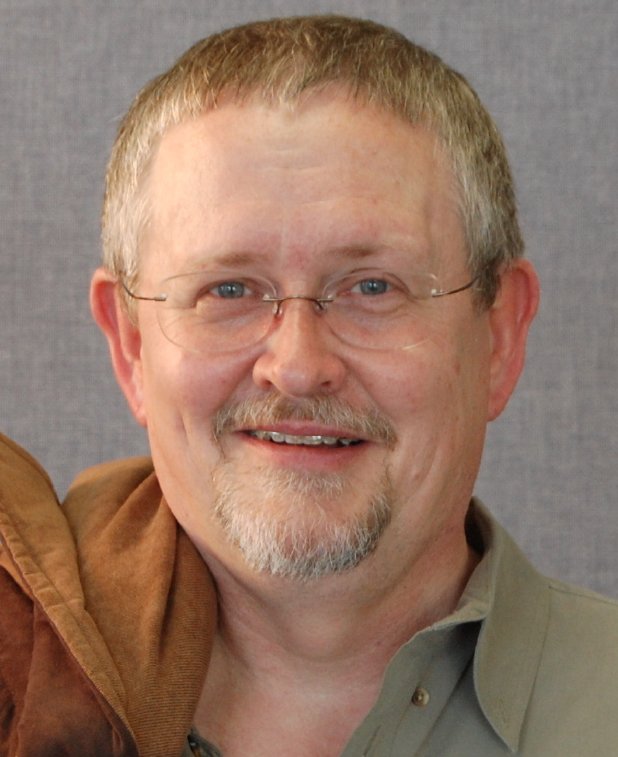
Ender's Game author Orson Scott Card on the problems with how religion is portrayed in current fantasy and science fiction:
"In our culture, intellectuals have become so uniformly a-religious or anti-religious that our fiction, with few exceptions, depicts religious people in only two ways: the followers are ignorant and stupid and easily fooled, and the leaders are exploitative and cynical, manipulating others' faith for their private benefit.
I know some people who fit those descriptions. But they are in a tiny minority. Most religious people I know are smart, well-educated, independent-minded, stubborn, honest, and generous -- at least as much so as the average intellectual, and usually more.
The hostility toward religion among American intellectuals arises, I think, from a clear awareness that it was against a publicly religious culture that their own culture rebelled. Now that rebellion is completely successful in terms of capturing control of all the public instruments of transmission of culture -- the universities, the media, and the literature and art -- but it has become such a shibboleth of intellectual life to snipe at religion that, like the aging "revolutionaries" of the old Soviet Union, they mindlessly continue to "rebel" in order to defend their tight grip on the establishment. Indeed, those intellectuals are the establishment. And what was once a daring and rebellious stance is now just another example of lockstep conformists mindlessly echoing ideas that they haven't examined.
That's when contemporary fiction mentions religion at all. Most of the time, in and out of speculative fiction, religion simply doesn't exist. Characters don't believe in God or even think about believing in God. Nobody talks about religion. Nobody belongs to any kind of church. Religion simply doesn't exist. ...
This is, I think, a serious lapse, a dishonesty in our contemporary literature. It is most seriously dishonest because in fact, even the supposedly a-religious intellectuals behave exactly as religious people always have. That is, the behavioral and cultural patterns that we have always associated with religions are indistinguishable, except by vocabulary, from the behavioral and cultural patterns of the a-religious intellectuals. They band together with fellow believers, feel sorry for or hostile toward unbelievers, immediately punish heretics -- intellectuals who, having once been accepted in the 'faith,' dare to question its premises -- anoint their priests and theologians (psychologists and therapists being their ministers, scientists and, more usually, science popularizers being their doctors of atheology), and insist on their absolute right to put forth their religious ideas with public funding and the authority of the state behind them, while doing their utmost to silence or marginalize the beliefs of others.
Most fiction has become, in short, an instrument of propaganda for the established religion of our time, which differs from other religions only in the particular content of the faith and the vocabulary used to describe it. Naturally, the true believers are sure that the real difference is that their beliefs are objectively true. But then, true believers have always believed that. This is not what distinguishes them from other established religions, but rather what makes them fundamentally identical to them.
The honest depicter of human life will include the religious aspect of that life. This is not to say that stories need to be about religion, any more than stories about our contemporary culture need to be about cars. But the cars need to be present, at least by implication, and if a character doesn't know how to drive, we'd need to know why."
Is this why Hollywood stopped adapting his books into films?
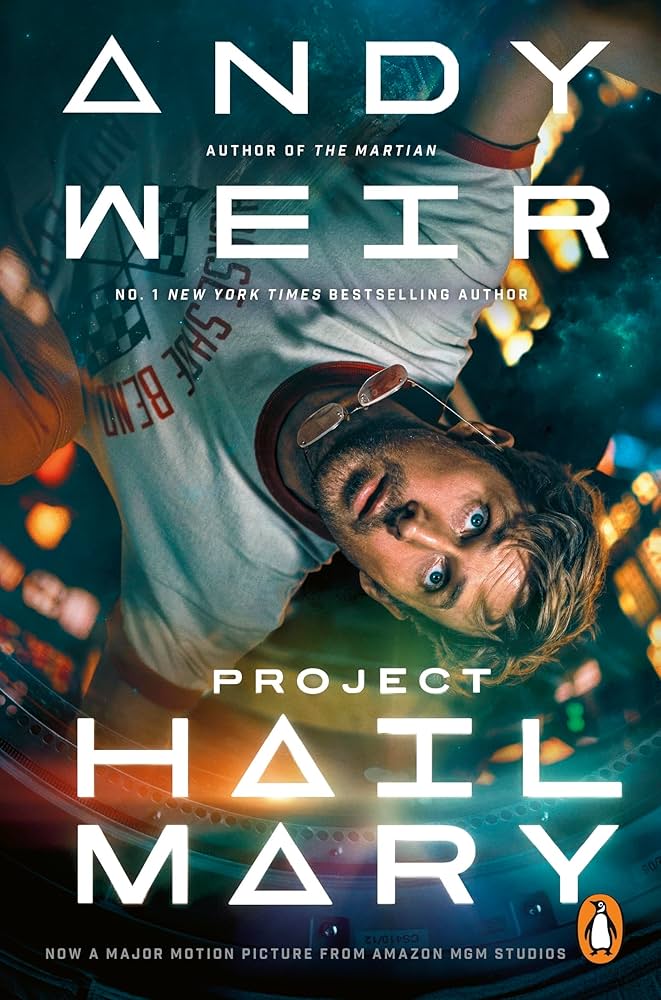
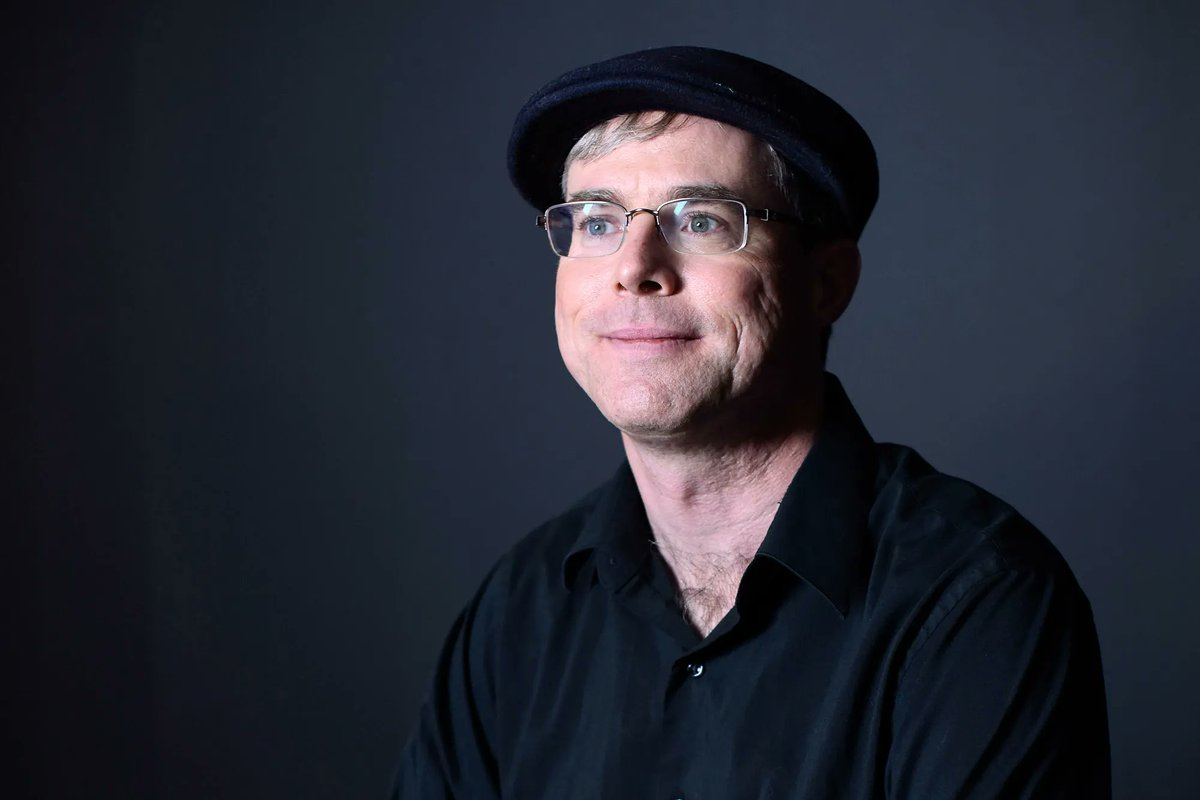
Project Hail Mary writer Andy Weir on social commentary in books:
"I dislike social commentary. Like… I really hate it. When I’m reading a book, I just want to be entertained, not preached at by the author. Plus, it ruins the wonder of the story if I know the author has a political or social axe to grind. I no longer speculate about all possible outcomes of the story because I know for a fact that the universe of that book will conspire to ensure that the author’s political agenda is validated. I hate that."
"I put no politics or social commentary into my stories at all. Anyone who thinks they see something like that is reading it in on their own. I have no point to make, and I’m not trying to affect the reader’s opinion on anything. My sole job is to entertain, and I stick to that."
"To that end, I also don’t talk about my personal political opinions publicly. I don’t want readers to even know, honestly. I don’t want that in the back of their minds as they read my stuff."
Is this why he has the #1 sci-fi movie in decades?
Yes. Common advice says: start with the inciting event, because ppl have short attention spans. But we need to care about the MC before the IE draws them into the main conflict. Instead, open with something that mimics the IE to hold us for the real IE. Then we’re invested.
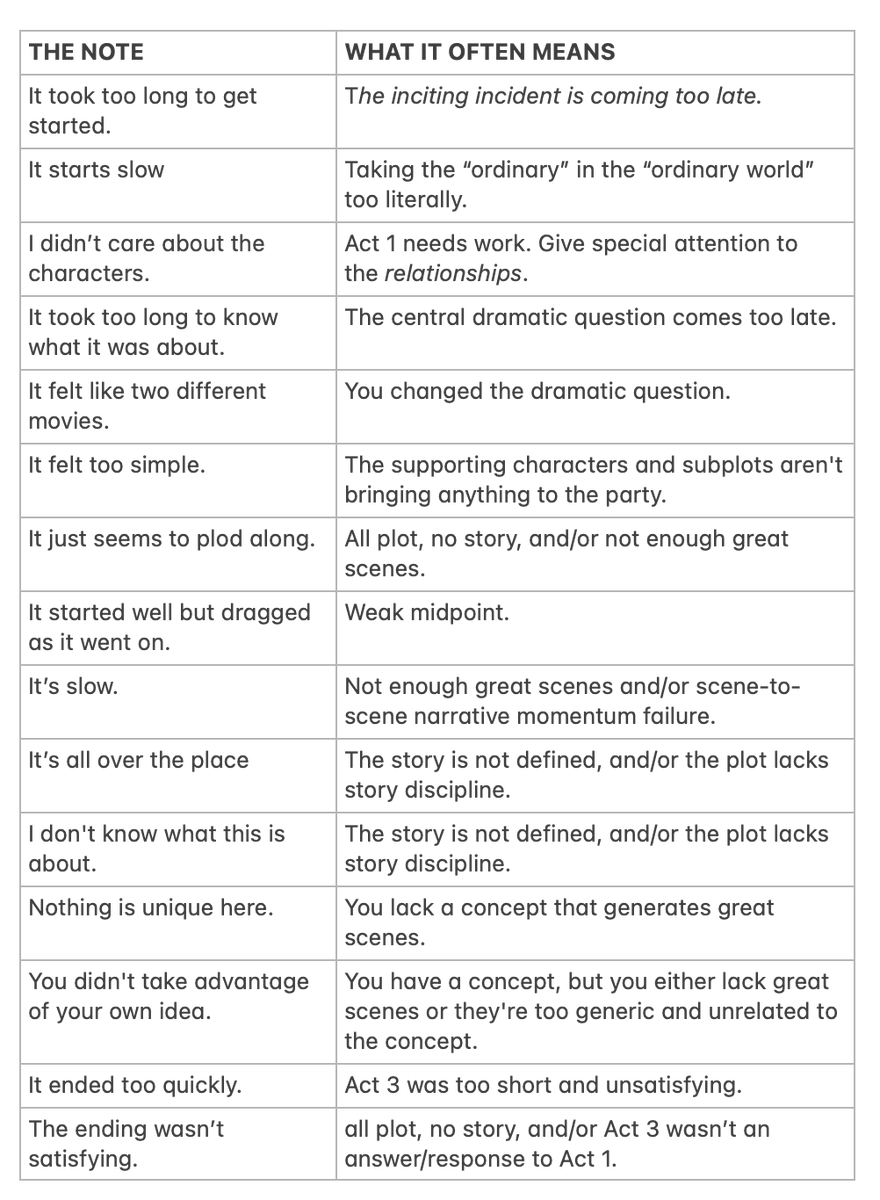
There are good notes, bad notes, and unskilled notes for your screenwriting.
• Good notes feel right in your gut.
• Bad notes are telling a different story.
• Unskilled notes need some interpretation.
Here is how to interpret some of the most common ones:
Today's Author Newsletter, which includes lots of links to signed and discounted copies of my upcoming titles.
https://t.co/SFcQKb2nOp
To join my newsletter, visit https://t.co/pjXjM7GwIn
@rrreadsbooks My thoughts exactly. Almost the same as writing for Star Wars or other intellectual properties. Not the same as AI, because a human is doing the writing.