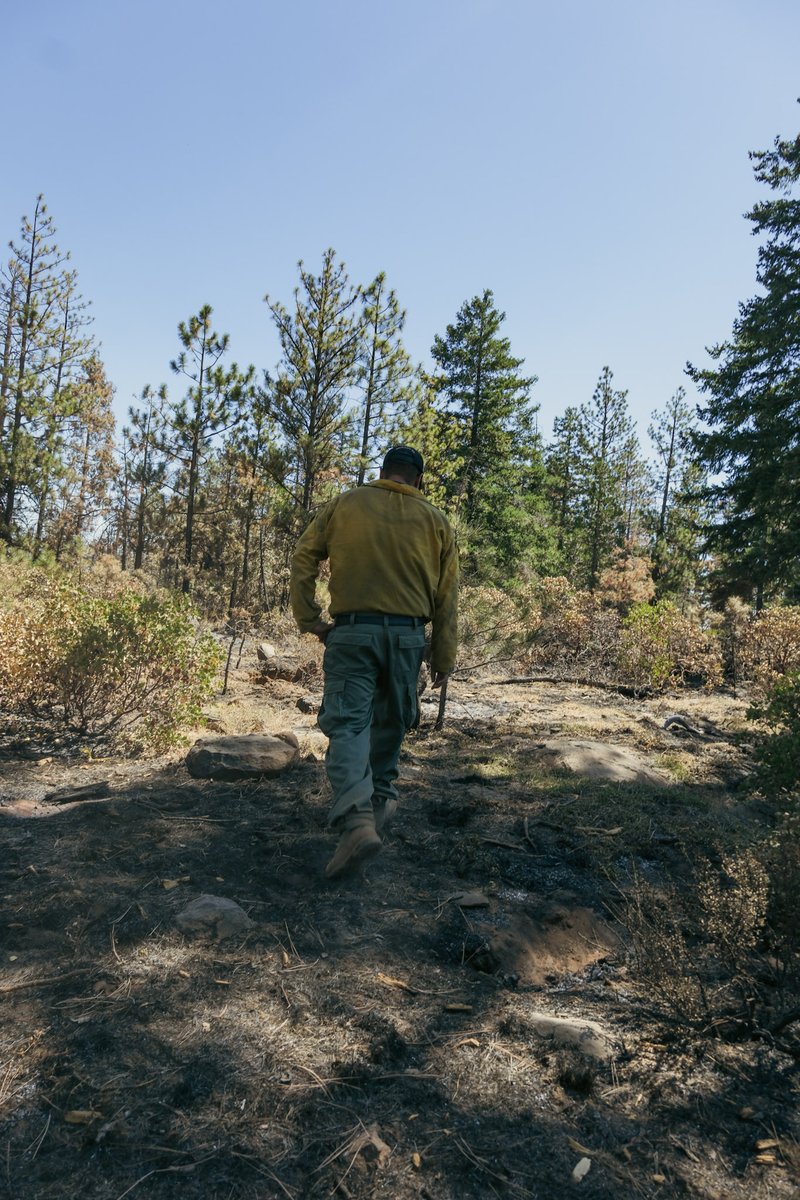
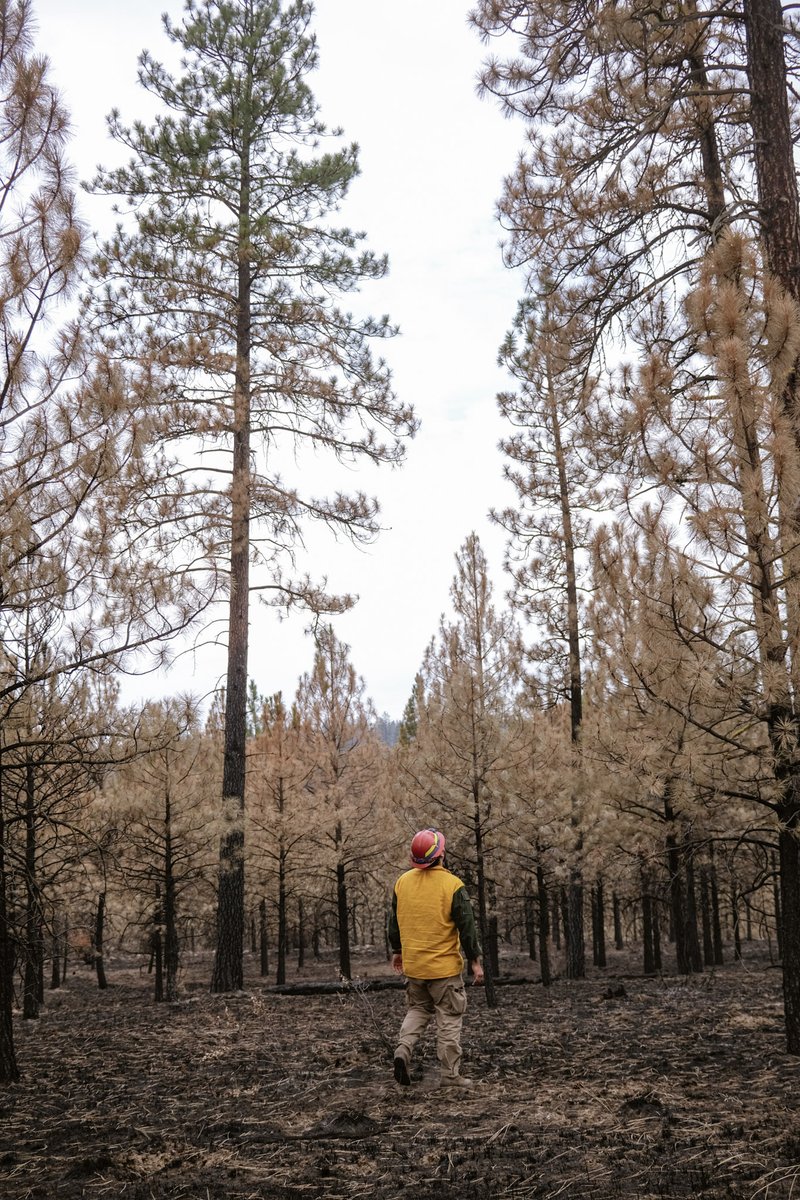
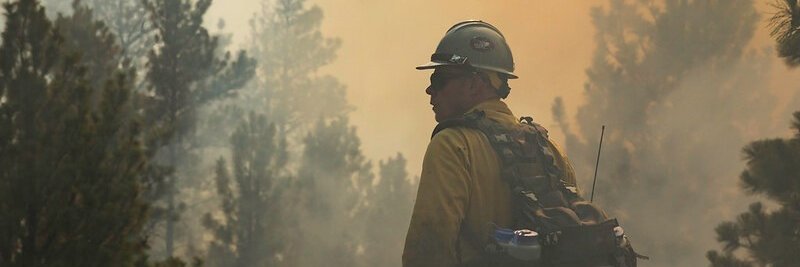
When the Bench Fire burned across the Warm Springs Reservation in Oregon, firefighters encountered areas where years of fuels management work by tribal staff, including prescribed fire, timber harvest, mastication and other fuels treatments, had improved conditions across the landscape.
In some treated areas, lower flame lengths and open conditions beneath the tree canopy gave firefighters opportunities to work closer to the fire. Previous treatments also provided an anchor point and safety zone for crews and helped firefighters get around troublesome spot fires while keeping the larger suppression strategy intact.
The effects of the Bench Fire vary across the landscape, but these areas demonstrate an important benefit of fuels management: changing how fire moves through vegetation can reduce fire severity in some places while creating safer, more effective opportunities for firefighters to respond.
The work completed by the Warm Springs Reservation before the wildfire helped make a difference when the fire arrived.
@USIndianAffairs / @BureauIndAffrs / @BIAFireForestry
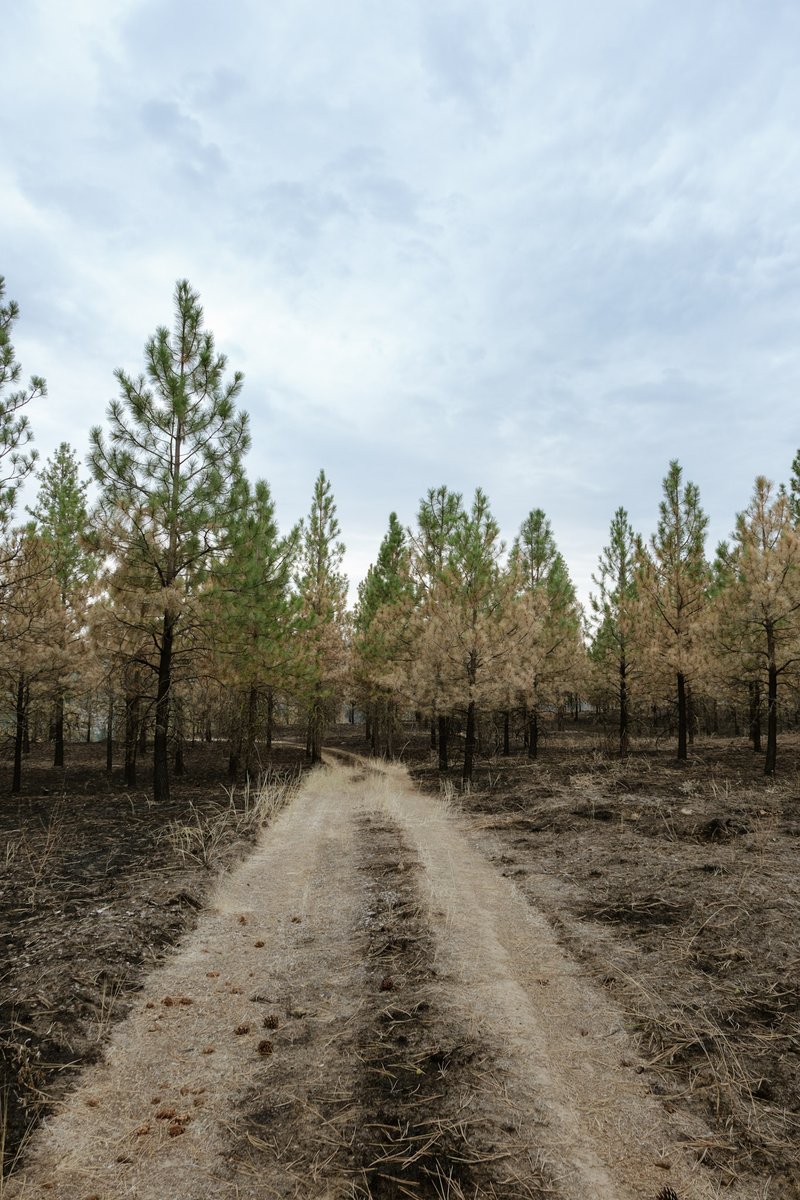
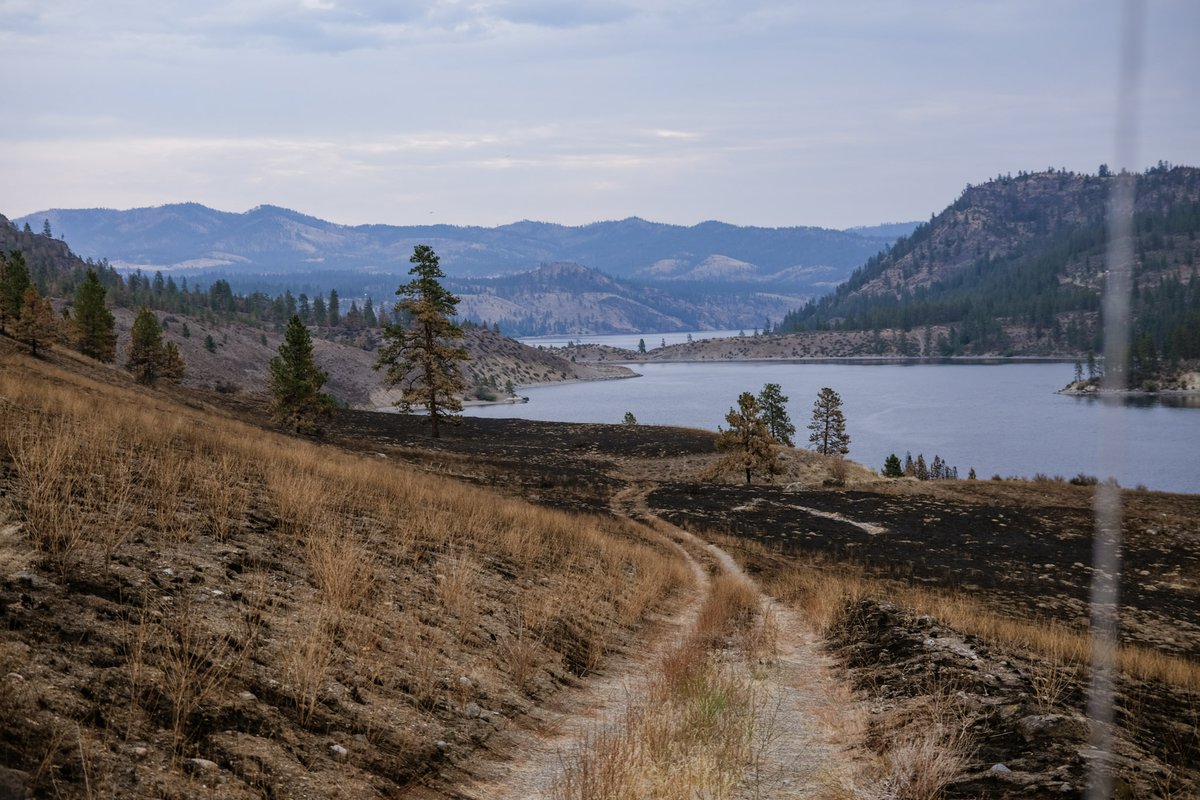
When the Mitre Rock Fire burned across the Spokane Reservation in Washington, years of active tribal forest management helped influence how the wildfire moved through portions of the landscape.
The Spokane Tribe uses prescribed burning, timber harvest, mowing and other fuels treatments to meet multiple objectives—from producing timber and maintaining healthy natural areas to reducing fuels around communities, cultural sites and other important resources. In several treated areas impacted by the Mitre Rock Fire, crews observed lower fire intensity and slower rates of spread compared with surrounding areas.
In one of those treatment areas, these conditions created an opportunity for firefighters to safely conduct a backburn and use the road as a containment feature, helping limit further fire spread.
By managing the amount and arrangement of vegetation across the landscape, the Tribe is creating areas that can moderate fire behavior and give firefighters more options when wildfires occur.
@BureauIndAffrs / @BIAFireForestry
In Montana, the Confederated Salish and Kootenai Tribes are using prescribed fire on the Bison Range to open and improve buffalo habitat.
By reducing encroaching Douglas fir and controlling invasive grasses, these burns are helping restore the historic grasslands that sustain the Bison Range's historic herd.
Here's a look at the connection between wildfire, history, culture and wildlife.
📍 Navajo Nation | Oct. 6–8
Indian Affairs is bringing a Probate Surge event to the Navajo Nation. Join us from 8 a.m.–5 p.m. local time at Twin Arrows Navajo Casino Resort for one-stop support with probate, enrollment, trust, realty and mineral-related matters.
Staff and partners will be available to help families gather documents, verify records, check probate status and navigate the federal probate process.
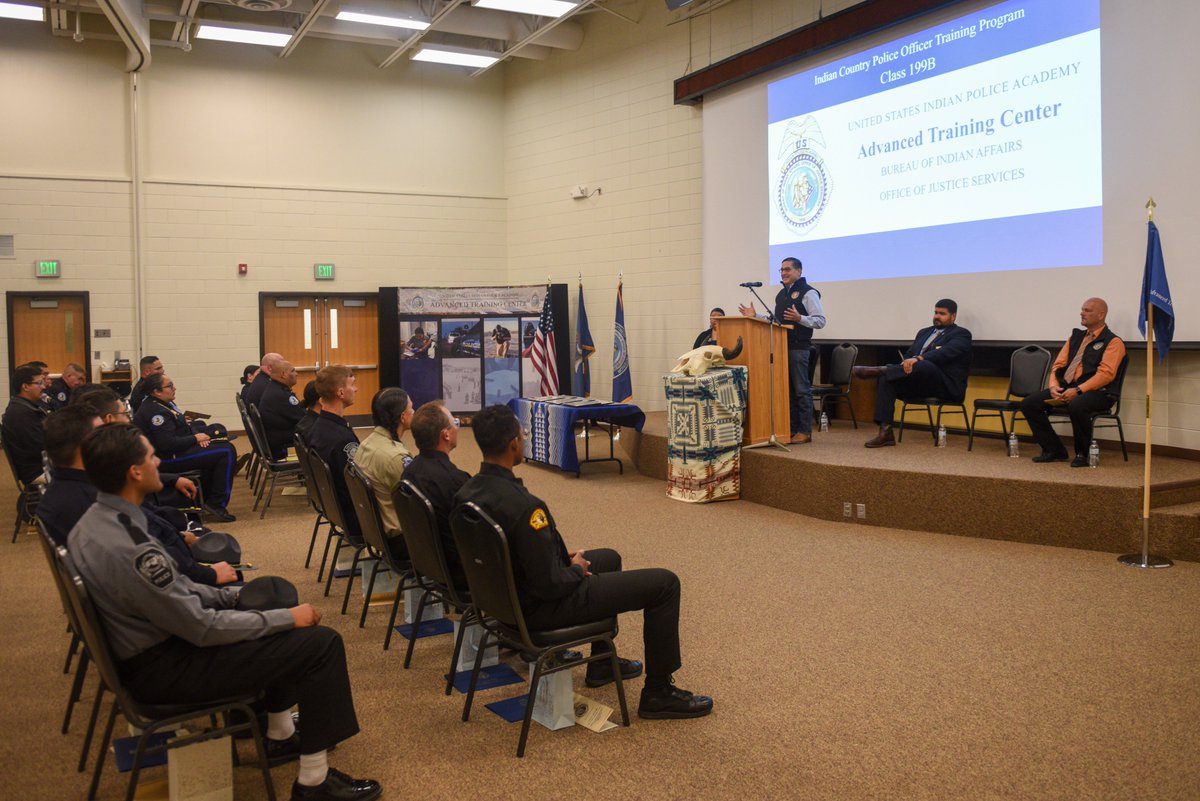
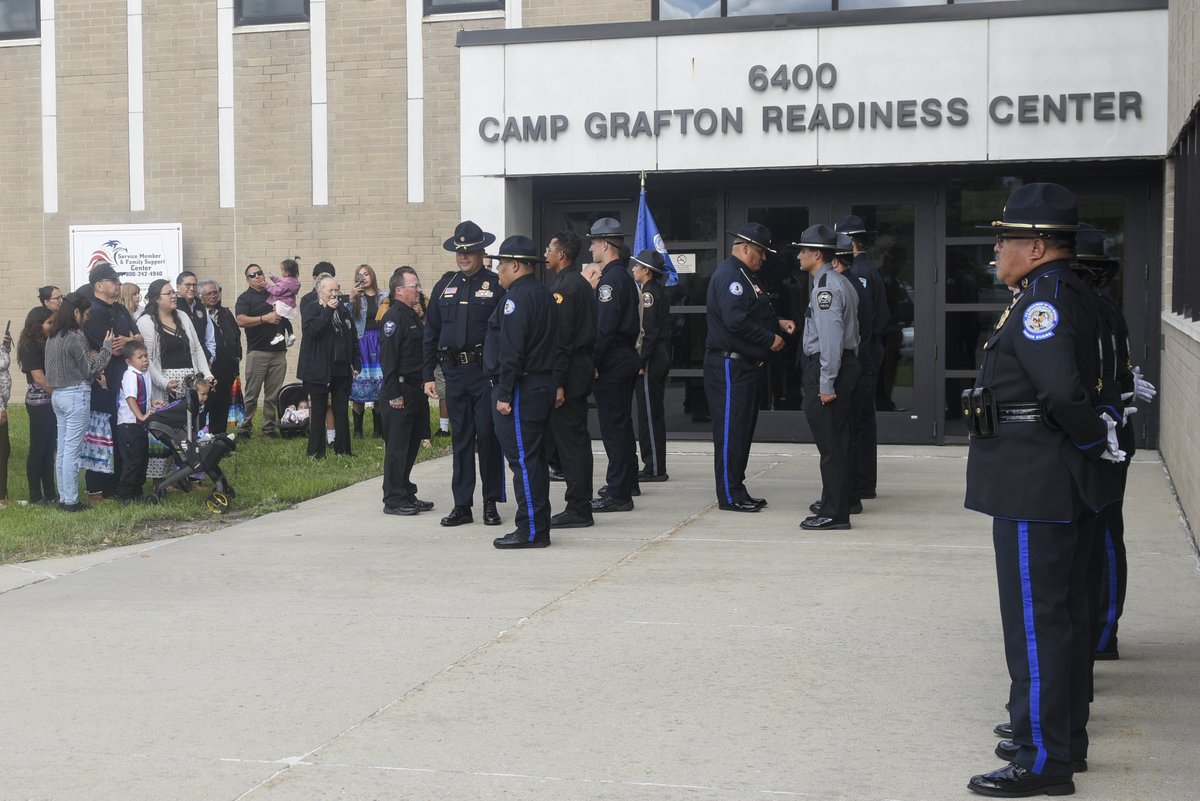
Training tribal law enforcement strengthens public safety across Indian Country. By expanding training to North Dakota, USIPA is improving access to federally certified training for tribes nationwide.
Tribal Leader Roundup | Indian Country at Interior
Last week, tribal leaders met with the Assistant Secretary for Indian Affairs to discuss priorities important to their communities, including tribal sovereignty, energy development, public safety, and fish and wildlife restoration.
🤝 Ute Indian Tribe Vice Chairman Mike Natchees and Councilman Cleveland Murray discussed opportunities for the Tribe to exercise greater sovereignty over energy development on tribal lands.
🤝 Mille Lacs Band of Ojibwe Chairman Virgil Wind highlighted ways the tribe and the Department of the Interior can strengthen their partnership to better serve the tribe.
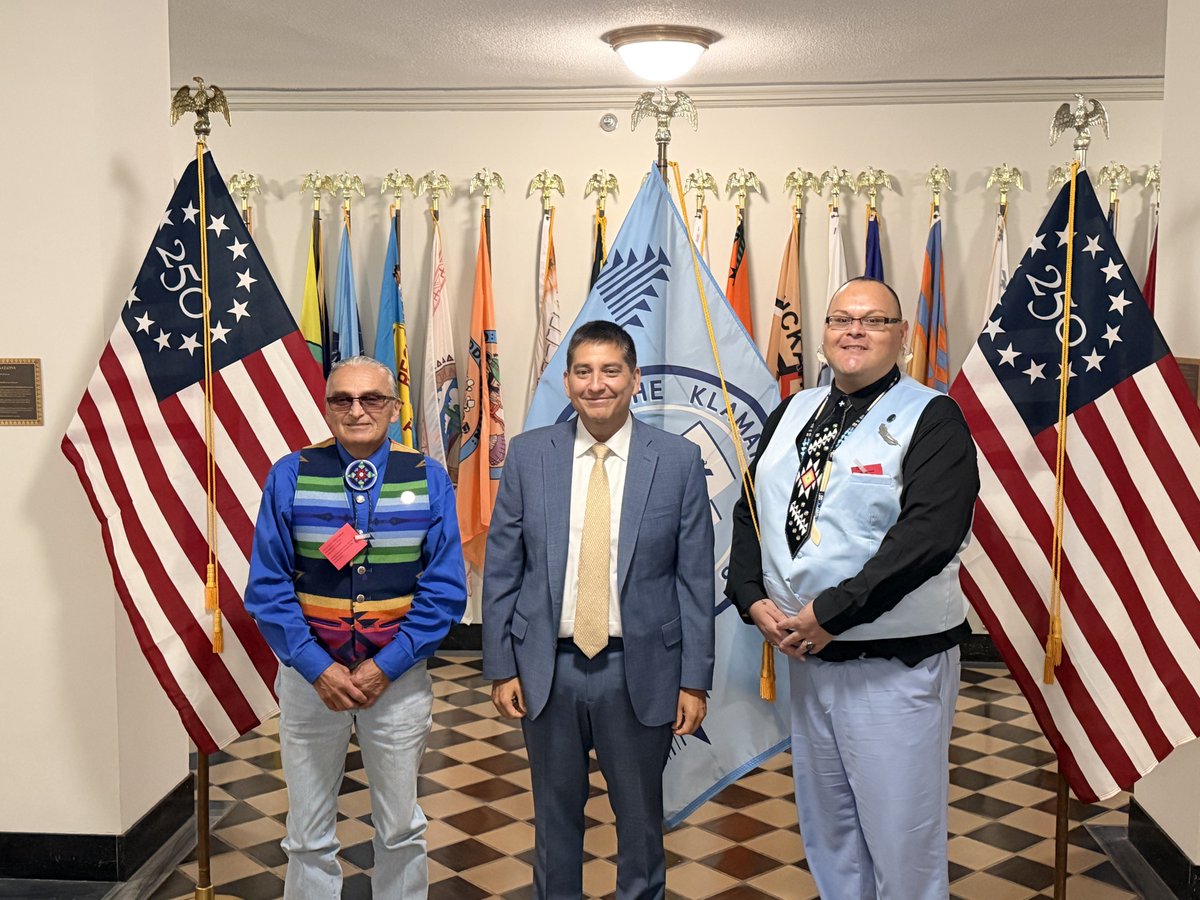
🤝 Klamath Tribes Chairman William E. Ray and Secretary Joseph Allen Jr. discussed public safety and continued fish and wildlife restoration.
🤝 Catawba Nation Assistant Chief Patricia Leach met with the Assistant Secretary for Indian Affairs to discuss land into trust and the federal government’s trust responsibilities.
Government-to-government engagement is essential to advancing tribal priorities and strengthening the relationship between tribes and the federal government.
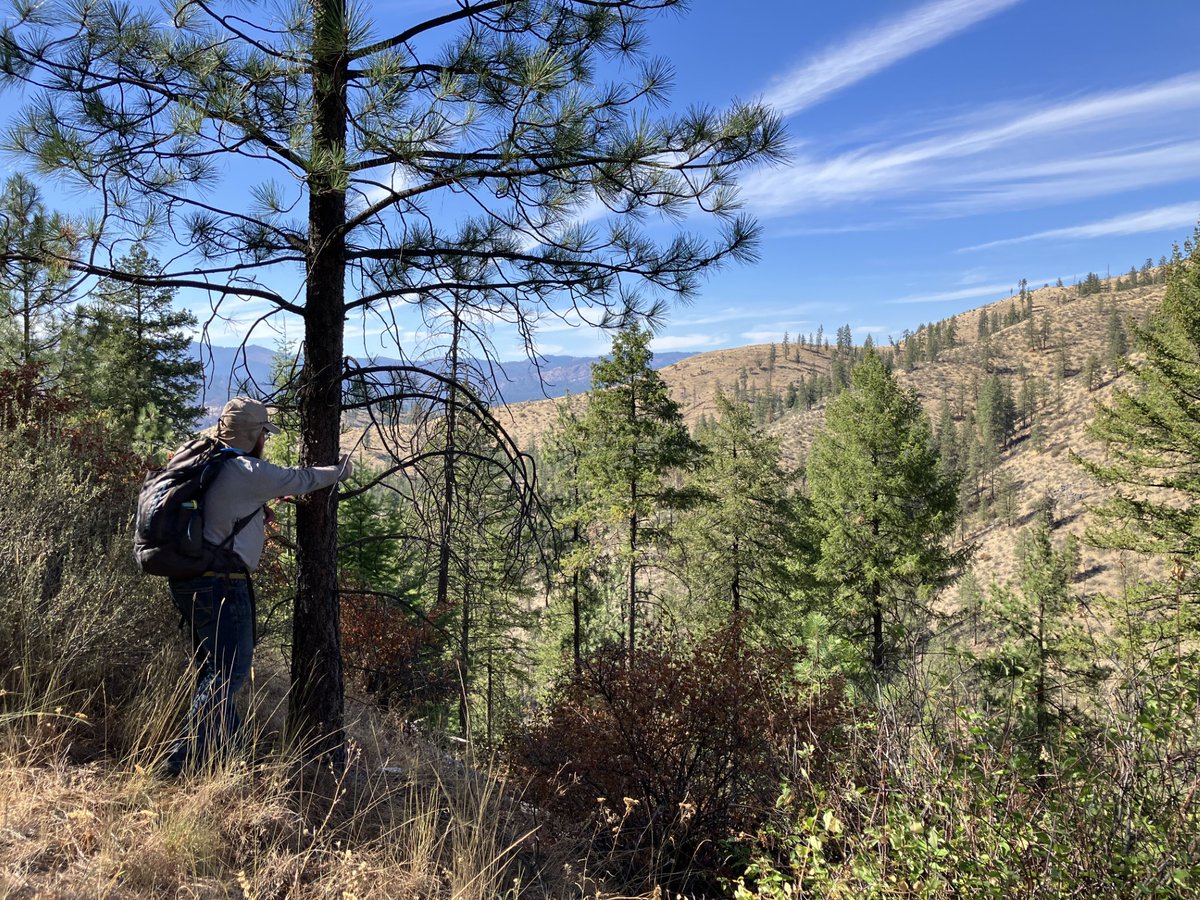
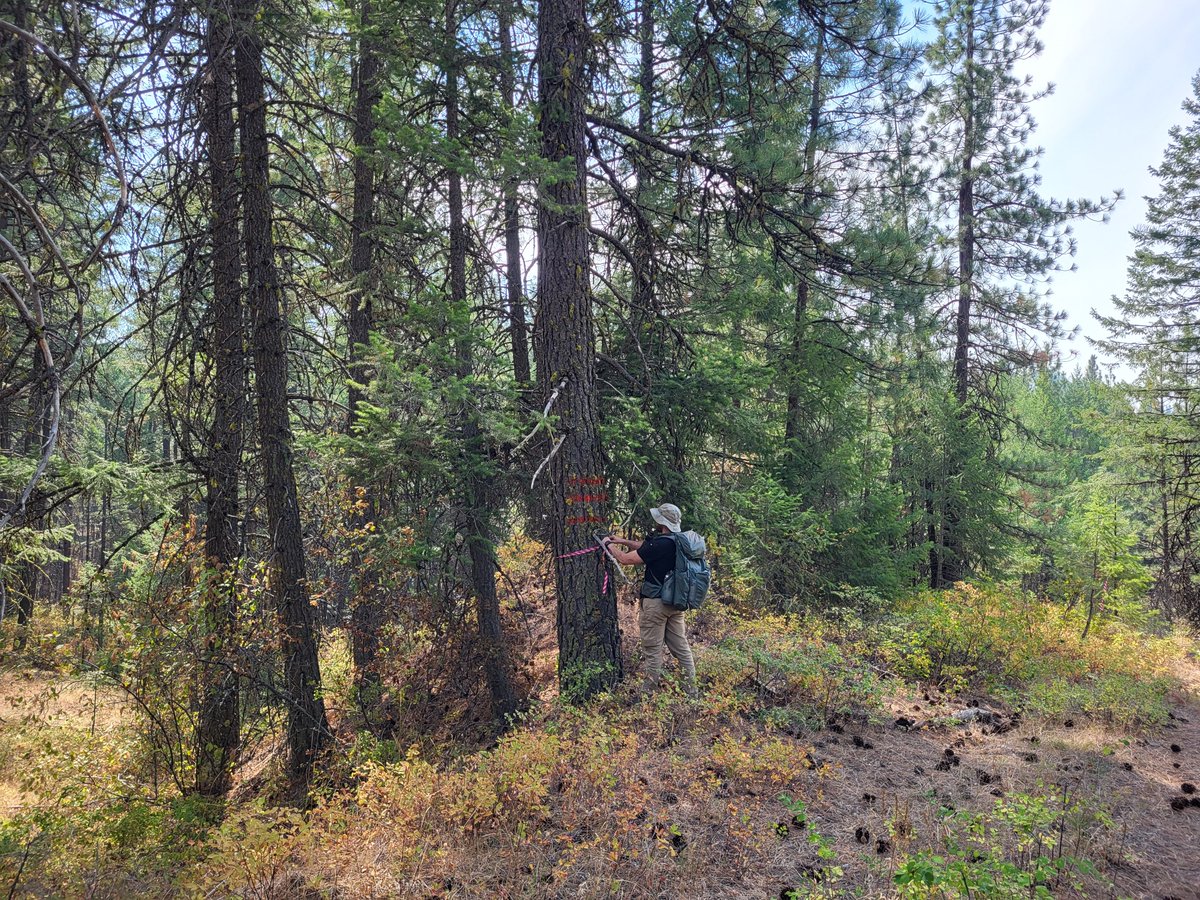
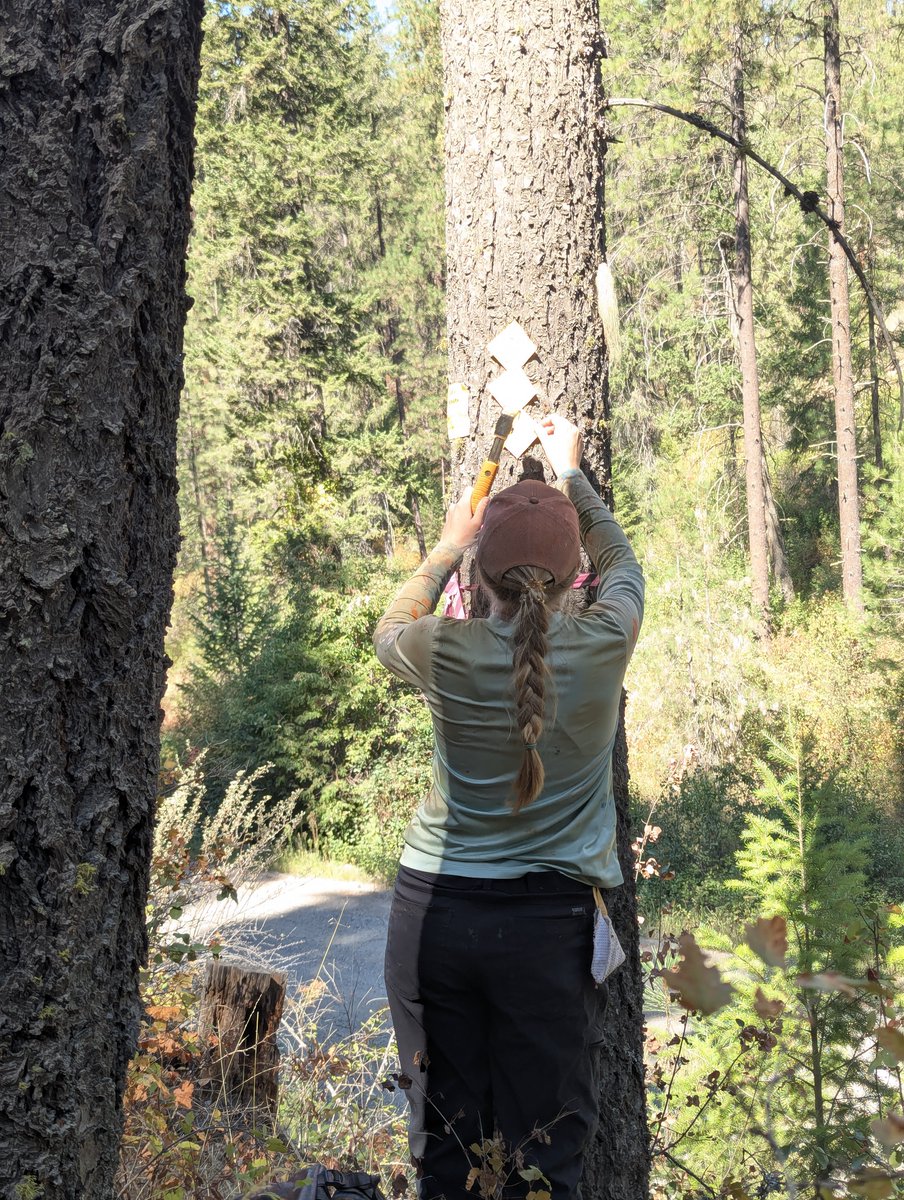
The Confederated Tribes of the Colville Reservation & the @BureauIndAffrs Timber Team partnered to prepare a timber sale in the San Poil District. Alongside tribal foresters, the team marked boundaries across about 1,600 acres to support responsible forest management. 🌲🪶
Ready to put your administrative skills to work in wildland fire?
We’re hiring Administrative Support Assistants (Wildland Fire), GS-6/7, in Safford and Sierra Vista, Arizona.
These positions support the fire program through financial transactions, tracking funding and expenditures, acquisition requests, employee timekeeping, and personnel actions for seasonal and temporary fire employees.
📍 Safford, AZ
📍 Sierra Vista, AZ
Join the wildland fire mission and apply by 09/02 here: https://t.co/Jd9pQwMPFj
The moment is finally here.
We're proud to introduce our official logo! This symbol reflects who we are today, the mission we carry forward and the people who make that mission possible.
We are the U.S. Wildland Fire Service.
Join us and take action to help prevent suicide. Every conversation, every connection can make a difference. Follow along all month for resources and ways to connect, support, and prevent: https://t.co/ufbg2QWKM8
#SPM2026#StrongerTogether#SuicidePrevention
Today's episode of @180099native focuses on how extreme heat can affect our health, including risks, treatment, and prevention. Gallup Indian Medical Center Emergency Department Director Dr. Paul Charlton joins the conversation at 1:00 p.m. ET: https://t.co/t6RGZt6uxu
National Fire News: 9/1/26. Yesterday, 140 new fires were reported nationwide, including seven new large fires. 74 drone incursions have been reported near wildfires this year. More NFN: https://t.co/P0MN7E7yvG 📷InciWeb
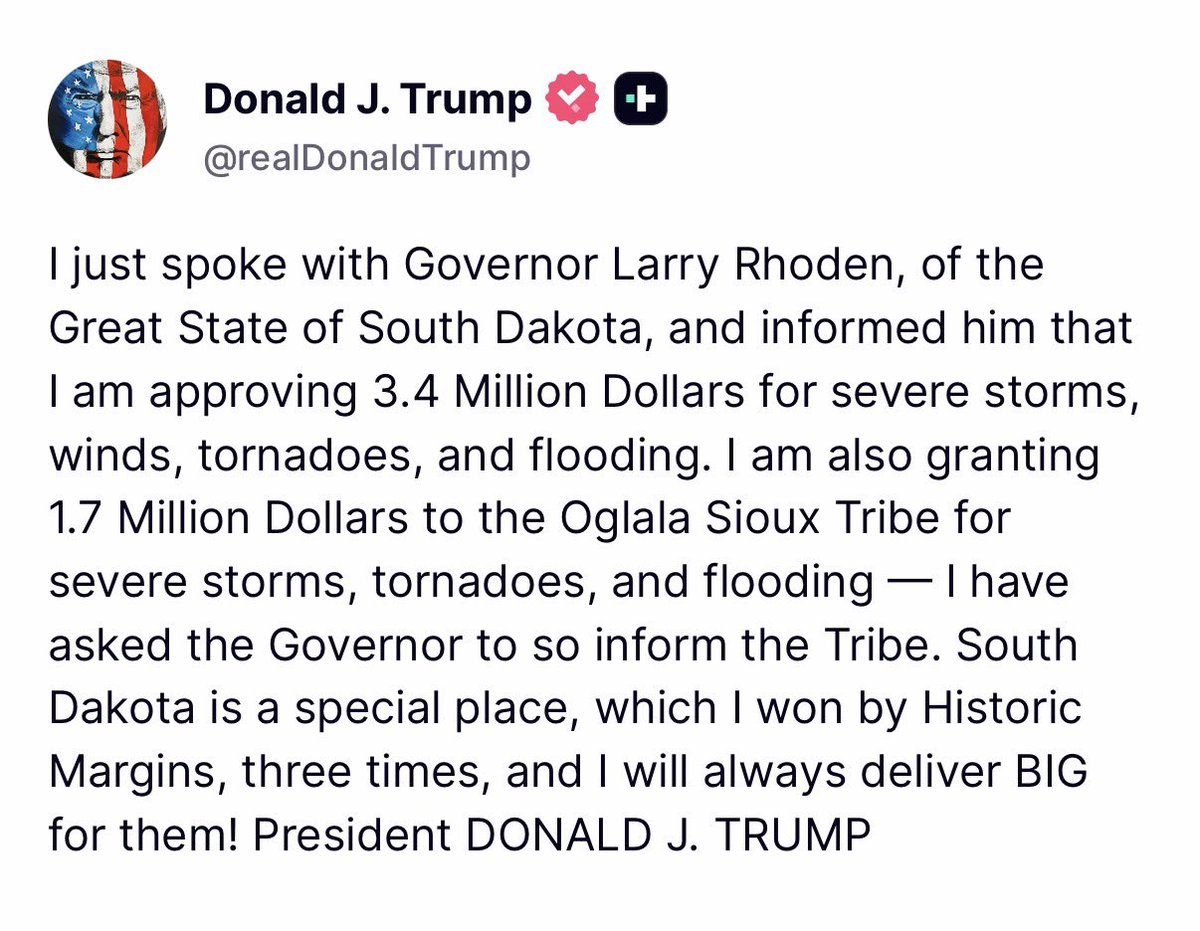
.@POTUS is delivering critical disaster assistance to Indian Country.🤝
$1.7 million in federal assistance has been approved for the Oglala Sioux Tribe following severe storms, tornadoes and flooding.
We stand with tribal leaders and communities as they recover and rebuild.🪶
I just got off the phone with President @realDonaldTrump. He informed me of this funding for both the state and the Oglala Sioux Tribe, which will help our communities recover from these devastating storms. Thank you, Mr. President!
Our hearts go out to the San Carlos Apache Tribe, Indian Country & the wildland fire community as we mourn the loss of Randy Lupe, a dedicated crewmember who served on the Frijoles Fire. His commitment & spirit will be remembered by the wildland firefighting family & beyond. 🪶
We are saddened to share the identity of the crewmember we lost on Sunday. Randy Lupe, 62, of the San Carlos Apache Indian Reservation in Arizona, died following a medical emergency.
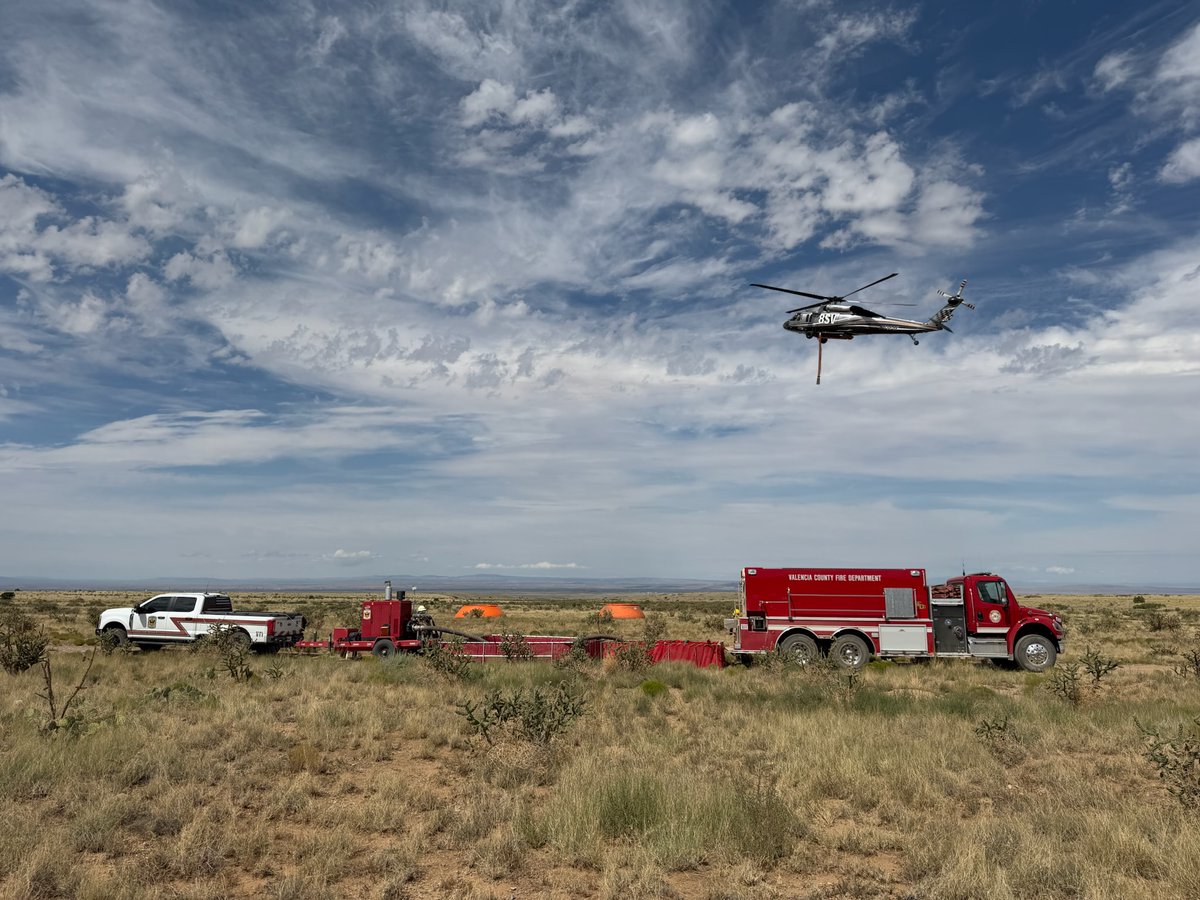
Lupe was a U.S. Wildland Fire Service temporary emergency support crewmember on the San Carlos camp crew, which was supporting federal wildfire response on the Frijoles Fire in New Mexico.
This loss is felt deeply across the wildland firefighting community, and our thoughts are with all those affected.
https://t.co/lrsaroxnIy
The BIA Timber Team partnered with Lower Elwha Tribal Community and the Hoh Indian Tribes in preparing for timber sales. Read more one our Facebook page at https://t.co/phQRveRP6N 🌲
🏅 Indian Country is cheering you on!
Congratulations to the Native student-athletes selected to compete in the Patriot Games as part of @Freedom250.
This is an incredible accomplishment and an opportunity to represent your communities, families and Native heritage on a national stage.
U.S. Indian Affairs is proud to support you. Good luck and go show them what Native excellence looks like! 💪🏽
Our @BureauIndAffrs Timber Team supported the Hoh Indian Tribe in Washington with timber sale preparation. This work improves forest health, strengthens tribal sovereignty, and reduces wildfire risks making the United States more self-reliant.