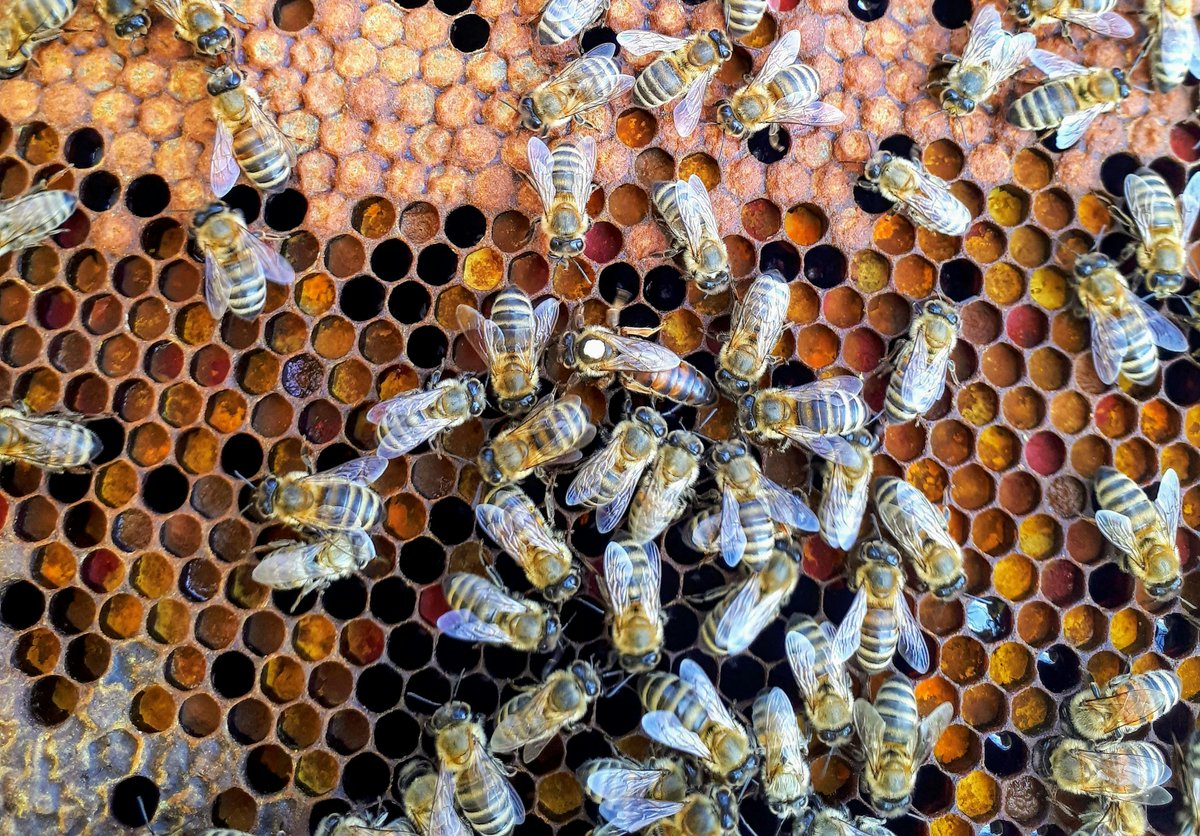
Hi everyone, the work with @sanrehan@JesseHuisken and nandini gupta published the first single-nucleus brain atlas of a subsocial insect. Open access: @ResearchGate: https://t.co/10n9FI9vQp
Very happy to read this interesting study from my colleagues Xiaohui Guo, Colin Lynch, Jon Harrison, and Jennifer Fewell at ASU: https://t.co/MDQglNzu2d
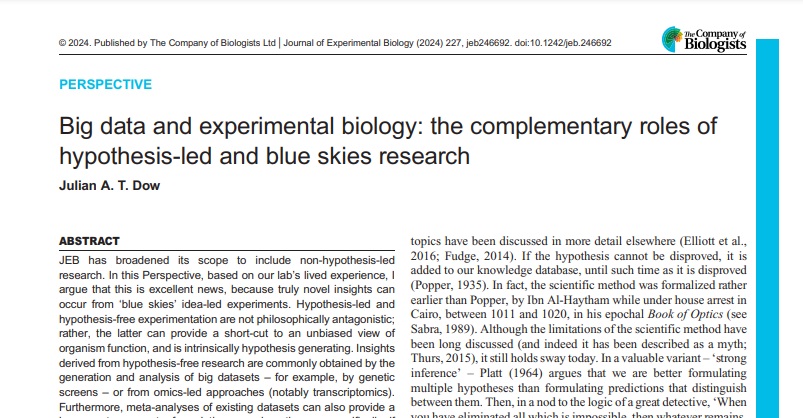
Recently, JEB broadened its scope to include research that is non-hypothesis driven. In his new Perspective, @tubuleguy discusses why he thinks this is wonderful news as novel insights can sometimes come from idea-led experiments
https://t.co/HeUnmYfAz0
📢 The Layton Lab @UTMBiology and @eebtoronto is recruiting new students for 2025! Please see the ad below and reach out to hear more about our work and research culture 🐚🧬🤿
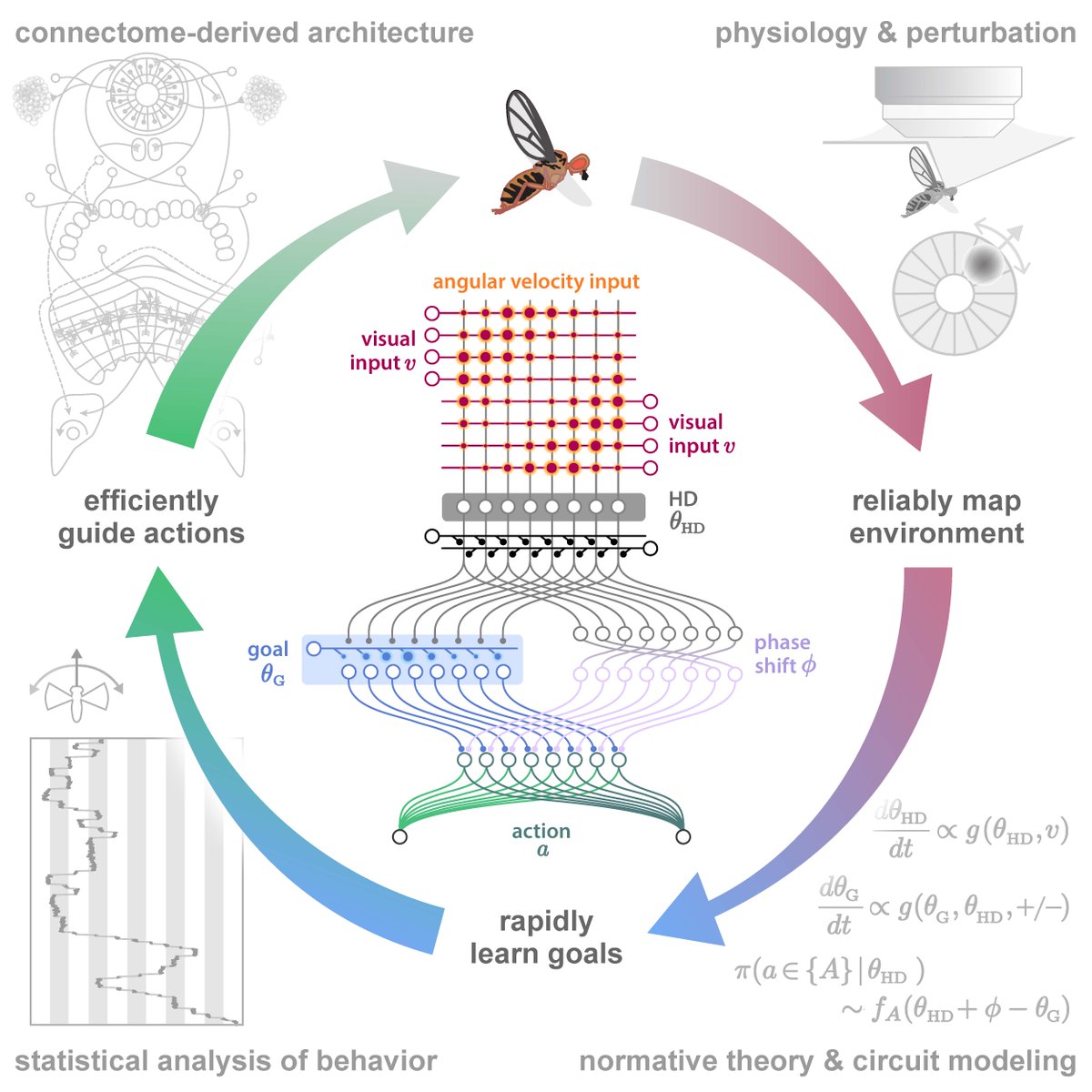
✨ New research from the Hermundstad & Jayaraman labs @HHMIJanelia suggests how two different learning systems in the fly brain work together with hardwired circuit architectures to enable rapid flexibility. (1/11)
➡️ https://t.co/FijU5H6G9V
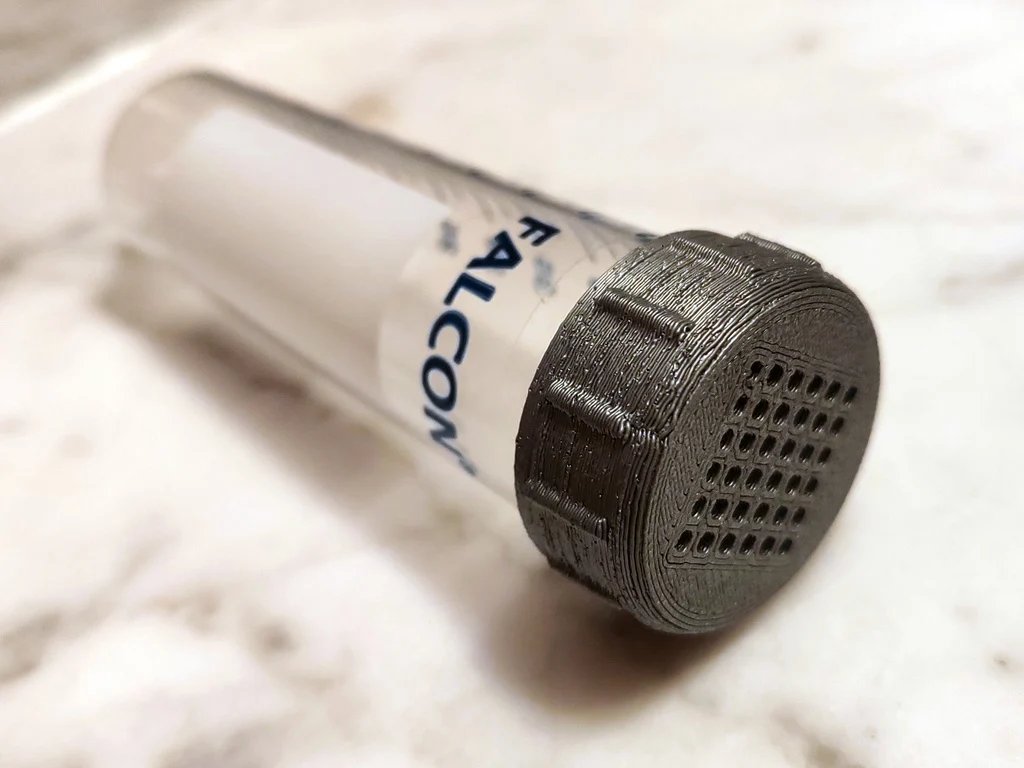
I just uploaded a printable meshed lid for 50 ml Falcon tubes to keep #insects in an aerated container when collecting in the field!
Check it out @printablescom:
https://t.co/lG0cq3xcDX
#entomology#collection#3dprint
Think the phenotype-o-mat would be useful for your lab? Let us know! We’re considering hosting a workshop if that would be beneficial for the community. 👇
https://t.co/pmoPXfYM4R
3 areas are worthy of more investigation: 1) effects of social contexts on gene expression; 2) gene knockdown/knockouts to identify the role of specific genes in a social phenotype; 3) location in individuals (tissue, cell) of transcriptomic differences.
Want to know which insect should be the focus of your next transcriptomic study? @sanrehan and I summarize insect sociogenomic trends for you. Open-access and freely available! It's not just bees. 🐝🪲🐜. 🧵below https://t.co/lsnMcItTKY
We then summarize the trends from species whose transcriptomes are available, finding that some theory has support across multiple lineages and also species with different levels of social complexity within the same lineage.