BART spent $90 million on new fare gates. They're recovering about $10 million a year in fares.
That's a 9-year payback on paper. The actual return hit in six months.
Embarcadero station went from 112 hours of corrective maintenance in the six months before installation to 2 hours after. Daly City saved 109. Balboa Park saved 75. Across the system, 961 hours of cleanup work disappeared. Corrective maintenance is the term BART uses for graffiti, heavy soiling, vandalism, the damage that needs a crew not a janitor. At several stations it dropped to zero.
Crime fell 41% year over year. Riders who reported seeing fare evasion on their trip dropped from 22% to 10%. Citations issued by BART police went from 2,200 in January to under 1,000 in July, because there was nothing to cite.
The gates were a filtering project disguised as a revenue project.
Old BART gates were waist-high orange fins designed in the 1970s. You could hop them in under a second. That made the station effectively a public space, and the rider mix reflected that. The new gates are 72 inches of polycarbonate with 3D sensors that detect tailgating. You either pay or you don't enter. Once you don't enter, you also don't smoke on the platform, sleep in the elevator, or harass other riders.
BART tried hiring more police for years. Blitz operations at high-traffic stations. Increased patrols. Dedicated transit cops. None of it moved the numbers the way six feet of polycarbonate did.
The $10 million in recovered fares is the smallest line in the return. Fare revenue used to cover 70% of BART operations. After the pandemic it collapsed to 22%. The gates won't fix that gap directly. They fix the precondition for fixing it: a system that office workers, families, and tourists are willing to use again. Ridership growth at stations with new gates outpaced ungated ones before the rollout finished.
A $400 million annual deficit is heading to voters in November as a sales tax measure. Voters don't approve sales taxes for transit agencies they don't feel safe in. The $90 million on gates is buying BART the right to ask the public for more money.
That's the real return on six feet of polycarbonate.
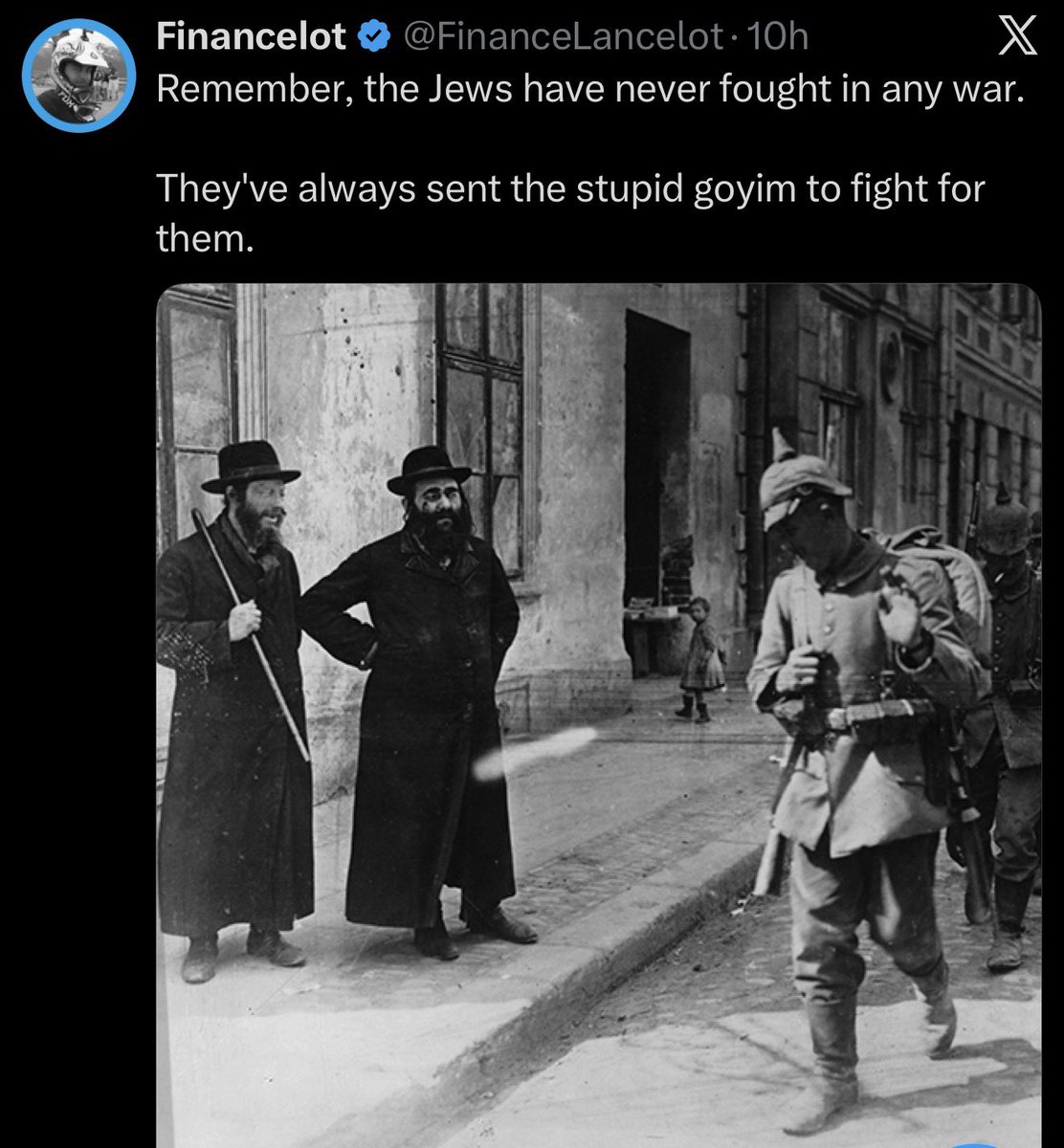
Jewish Germans had the highest rates of volunteering for the German Army in WWI.
100,000 jewish Germans served in WWI, out of a population of merely 500,000, meaning 40% of all male jewish Germans served.
Also one has to understand one context about that picture:
It was taken not in Germany but in Poland, which German had just taken from the Russian Empire.
Russia was an extremely antisemeitic society while German at that time was one of the most philosemitic in Europe.
So theese Jews are not laughing at the German soldier, they are happy about Germany defeating Russia.
@AiForgeConsult@MichaelAArouet nato already acts as a sort of european army so why not start investing in your army already instead of waiting for something which might not happen also spain has given almost no aid to ukraine
@BrunosPod@MichaelAArouet Still if he doesnt want to invest in european defence under nato, why would he commit all neccesary resources to european defense under a different name
@widtvoet Eerlijk gezegd het ik snap niet wat het uitmaakt dat het kanon niet werkt, dit fregat is meer een bewegende radar station tijdens deze missie je gaat geen balistische raketten met een kanon uit de lucht schieten
@OlifaNT Dit is niet erg omdat het kan communiseren met de andere schepen in de vloot die wel de luchtverdediging raketten hebben om deze rakketten uit de lucht te schieten maar niet de radar om ze te kunnen herkennen
@OlifaNT De radar die aan boord zit SMART-L is een van de meest geavanceerde radar systemen in gebruik en nederland is een van de weinige europese landen die het heeft, ook heeft het rakketten voor lucht verdediging, alleen zijn deze niet bedoelt voor balistische rakketten
@cunningham5150@DrewPavlou@MKhamenei_ir they only use those interceptors if they really have to, the vast majority is shot down by cheaper interceptors, helicopters and jets all of which are cheaper than the drones.
@caloriesproper2@cremieuxrecueil Its more along the lines of being active in old age lowers the risk of dementia, and people who drink coffeine at an old age usually still work or are active in other ways