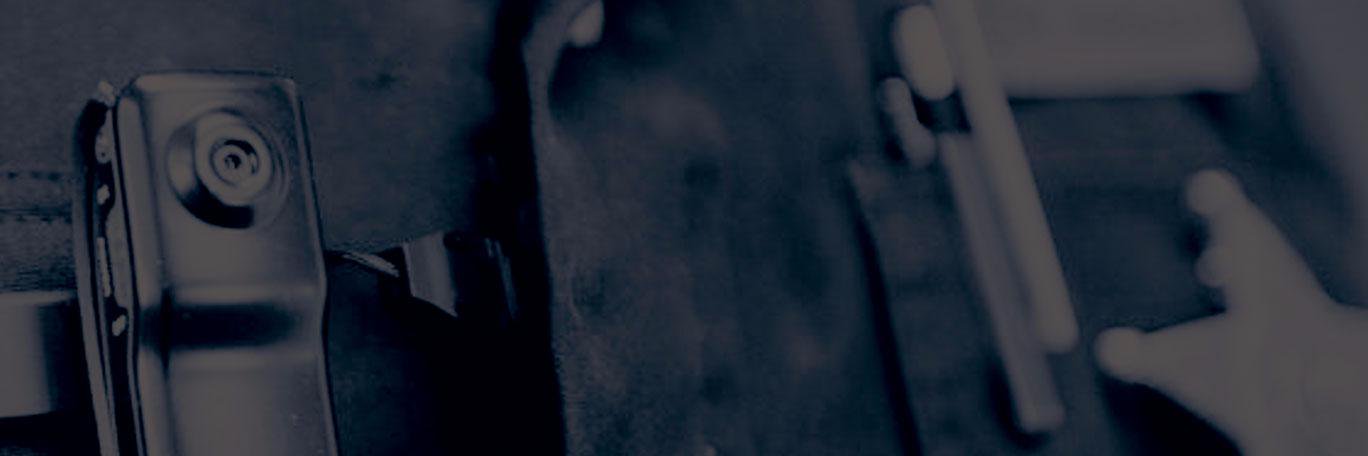
The Body-Worn Camera Training & Technical Assistance (TTA) is funded by DOJ BJA to help local communities implement their BWC policy and implementation program
We have added five new entries to the Directory of Outcomes summarizing the impact of BWCs on officer activity (19 total studies). Ten of the 19 studies are randomized controlled trials (RCTs). Here are a few highlights:
(cont.) and improve citizen cooperation in officer-citizen interactions (2 of 2 studies)
· Citizens who encountered police are generally highly supportive of BWCs (7 of 8 studies)
· Other criminal justice stakeholders are generally highly supportive of BWCs (5 of 6 studies)
We have updated our Outcome Directory for “BWC Impacts on Citizen Perceptions.”
https://t.co/I0YQhLD0B0
There are now 34 entries in the directory divided into three categories:
Citizens generally are highly supportive of police BWCs (13 of 16 studies)
Citizens believe BWCs will reduce complaints against officers (4 of 4 studies), reduce use of force by police (3 of 3 studies), (cont.)
Our BWC TTA team has just released a one-pager summarizing the TTA resources that we provide to grantees and agencies inquiring about BWCs. Access the resource here https://t.co/5aegvxn5pt
Taken together, 80% of studies have reported a significant or substantial decline in complaints after BWC deployment. The current body of research strongly demonstrates that police BWCs lead to reductions in citizen complaints against police.
The updated Citizen Complaint Directory (link below) provides information on 35 published studies or reports that examine the impact of BWCs on the prevalence of citizen complaints. Two notable findings emerge:
https://t.co/MoxRiYL7jE
2. 14 of the 30 studies report substantial or statistically significant reductions in use of force, following deployment of BWCs.
Taken together, the current body of research suggests that police BWCs can lead to reductions in use of force by police.
The Use of Force Directory (link below) provides information on 30 published studies or reports that examine the impact of BWCs on the prevalence of use of force. Two notable findings emerge:
https://t.co/6ruKUFPs6f
1. 18 of the 30 studies are randomized controlled trials (RCTs), systematic reviews, or meta-analyses, displayed as Level 5 on the Maryland Scientific Methods Scale (MSMS). This finding highlights the robust methodological rigor of the rapidly growing body of research on BWCs.
Remember to register for our April 20 webinar on Prosecutor Review of BWCs for Evidentiary Consideration! The webinar will begin at 1pm EST and feature current and retired attorneys from four counties across CA, IA, and TN. Register at the link below.
https://t.co/3qwtLmqa2L
3. Officers have negative attitudes about the impact of BWCs on several key outcomes. Outcomes with the most negative perceptions include the impact of BWCs on officer discretion, officer use of force, and citizen aggression/resistance.
The updated Officer Perceptions Directory (link below) includes 7 new studies published since late 2020. There are now 44 studies reviewed. Here are a few of the key findings.
https://t.co/waIYAV4zI4
2. Officers have positive attitudes about the impact of BWCs on several key outcomes. Outcomes with the highest level of support include evidence quality, the impact on citizen complaints, the impact of BWCs on police/community relations, and the ease of use/comfort of BWCs.