We are looking for a PhD student on the most mysterious of permafrost types - subsea permafrost! Join us at Stockholm University and help us understand how it is related to methane emissions from the Arctic Ocean!
@Stockholm_Uni@AcesSthlmUni
https://t.co/By9lh0r0JP
We are looking for a post doc on Arctic Ocean carbon cycling in Stockholm - with lots of room to develop own ideas!
https://t.co/MpEF2tUeJC
@AcesSthlmUni@Stockholm_Uni
Open tenure track position Stockholm!
Assistant Professor in Carbon biogeochemistry in land-atmosphere systems
https://t.co/vTfYlYh5kM
@AcesSthlmUni@Stockholm_Uni
We are recruiting! Positions for PhD student, post doc and research engineer in plant-soil interactions and Arctic carbon cycling at @Stockholm_Uni@AcesSthlmUni#postdocposition#PhD
https://t.co/n7dGroiAMk
https://t.co/x7GC9bgGCV
https://t.co/oGngZEiQal
My colleague Örjan Gustafsson is recruiting a PhD student to join his group at Stockholm University. Unique sample archives from the Siberian Arctic and the possibility to join an Arctic Ocean expedition! Deadline 23 August.
https://t.co/gYssL0qtIi
The Department of Environmental Science at Stockholm University is currently recruiting a Research Engineer to join our biogeochemistry team (permanently)! The focus of the position is on molecular analytical techniques - see here for details: https://t.co/7aRIhQZRPY
Independent Group Leader Position available @TER_Vienna for highly qualified and ambitious early career scientist in #soil_ecology (soil fauna, soil fungi, metaproteomics). For more details goto our webpage https://t.co/25vYSJomqi or contact me directly (email).
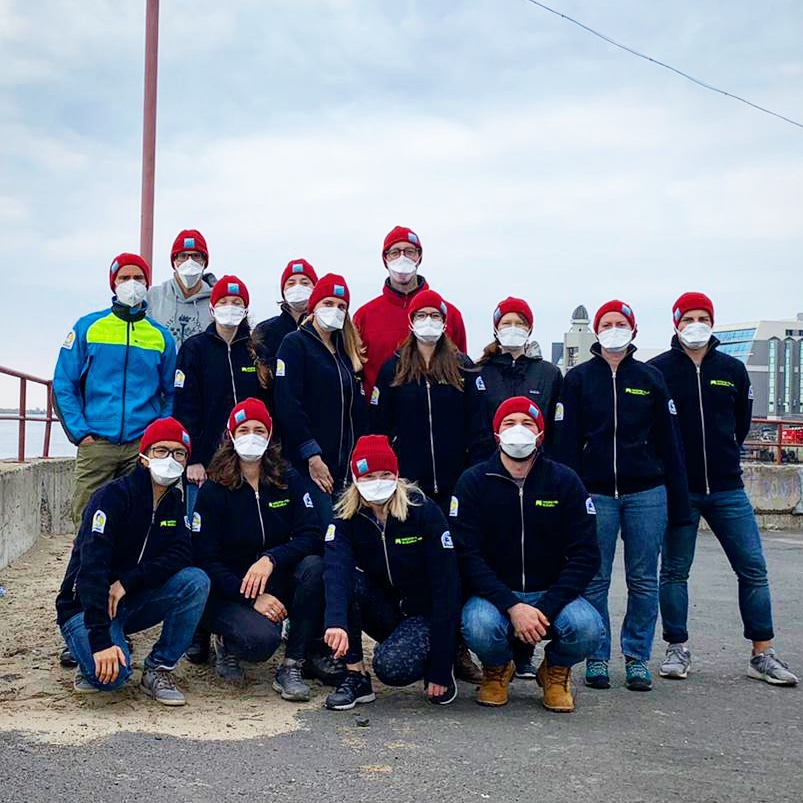
The ISSS-2020 team arrived in the White Sea port of Arkangesk, Russia in the early hours of the morning. Group mobilisation began with the success of entire team testing negative for Covid-19. We depart from port on the 26th/27th September. @BolinCentre@Stockholm_Uni
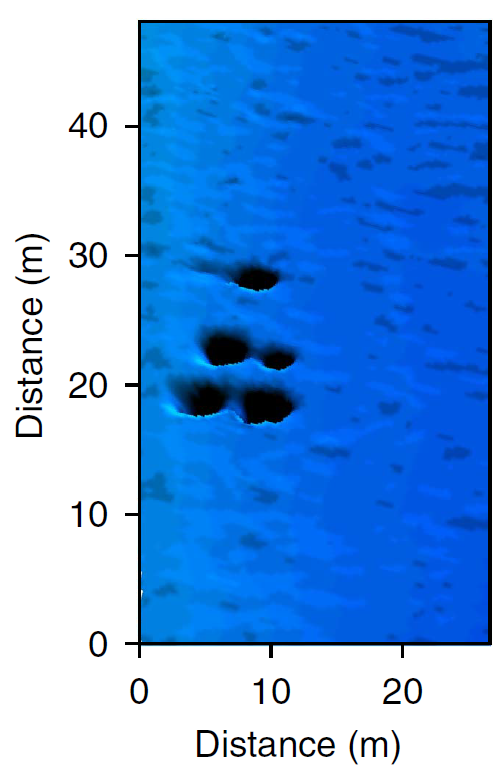
Maybe you have seen the news about the “Mysterious Craters” opening in the Arctic tundra? Similar craters are found on the seafloor of the Arctic Ocean and they are associated with methane seepage. We will investigate these craters during the #ISSS2020 expedition