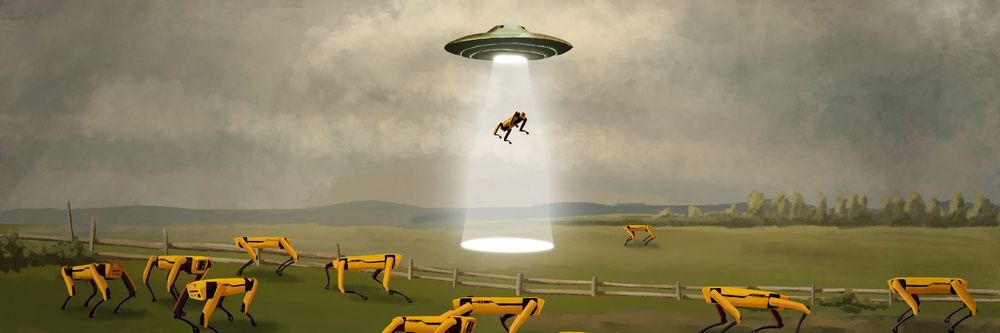
massive thank you to @CCB_Castello for the kind words!! her longtime support and curiosity to understand this new wave of digital art is extremely inspiring!!
https://t.co/sUtLg9fRRu
🇺🇦 Ukraine Unveils “Ambush Drones” That Hunt From the Trees
A Ukrainian company is developing “ambush drones” designed to hide in trees under leaf cover, remaining dormant until a target appears. Once activated, the drone launches from concealment, turning forests into silent kill zones.
This marks a shift toward camouflage based, patient warfare, where drones don’t patrol the sky, they wait.
"Don't Write Off Our #Corals Just Yet"
Commentary by @EmilySDarling and Melissa Wright for @Oceano_Mag#Coral ecosystems are extraordinarily diverse, and some reefs are proving remarkably resistant to warming temperatures.
https://t.co/3I5hOMCPLM @BloombergDotOrg
World’s climate plans fall drastically short of action needed, analysis shows.
Recent plans submitted to UN by more than 60 countries would cut carbon by only 10%, a sixth of what is needed.
https://t.co/7EjWl7wpI7
Wow. Insane technology 🤯
Retina e-paper promises screens visually indistinguishable from reality
Researchers have created a screen the size of a human pupil with pixels measuring about 560 nanometers wide. The invention could radically change virtual reality and other applications.
Swedish researchers just unveiled "retinal e-paper", a mind blowing display tech so sharp it’s indistinguishable from reality.
Instead of traditional pixels, it uses "metapixels" made of tungsten oxide that change color like bird feathers, no backlight needed.
The result? A screen the size of a human pupil with over 25,000 pixels per inch, each pixel matching a single photoreceptor in your eye. 👀
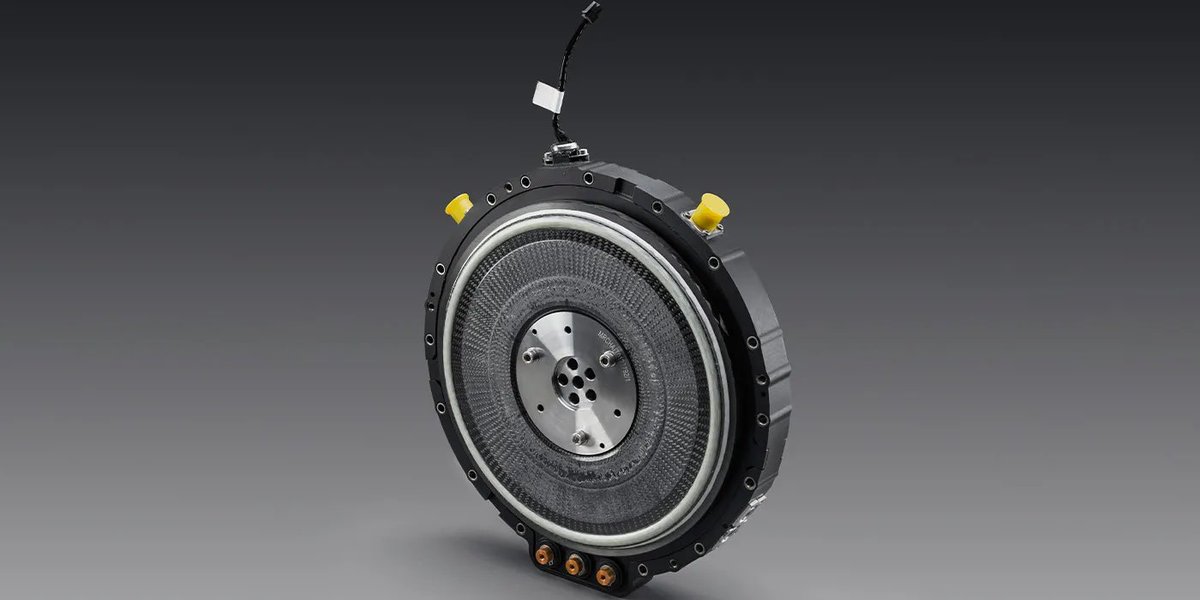
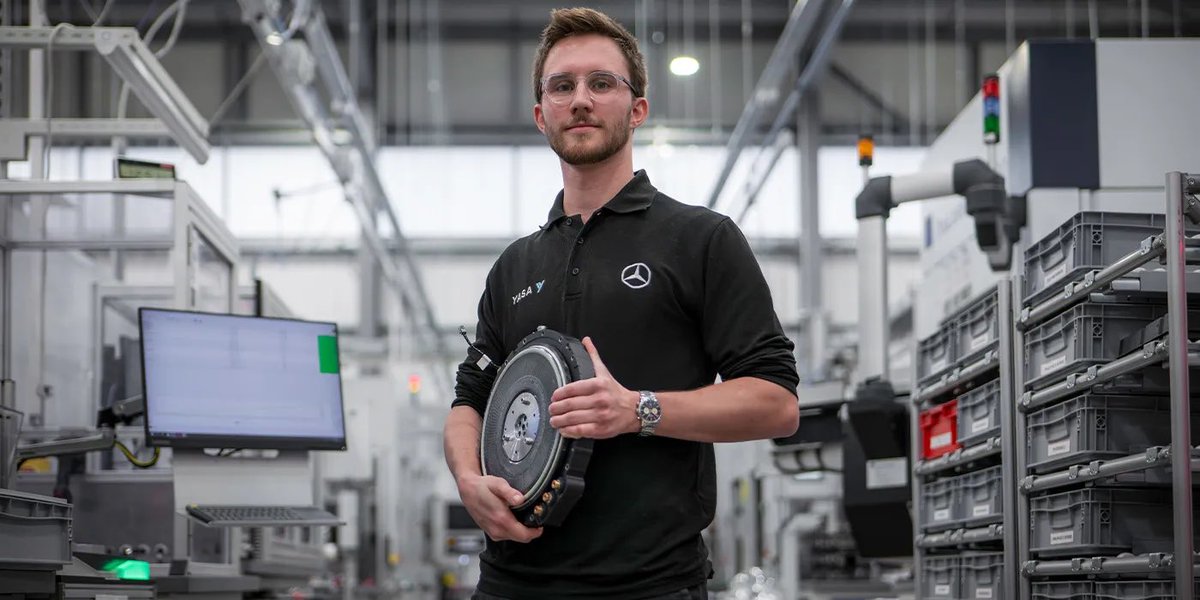
Yasa (owned by Mercedes) recently smashed their own record for motor weight, size and horsepower. This production intent motor weighs 28lbs and produces 1,000hp!
A group of Spanish and Mexican researchers loaded 25,000 hexagonal dice, each with a side of about half a centimeter, into a transparent cylinder.
They then applied different agitation effects to the cylinder to see which one could cause the most effective compaction.
Initially they started shaking the cylinder by rotating it alternately, about once a second, clockwise and then counterclockwise.
This alternating rotation method worked best, but only when the rotation was fast enough.
The rotation applied a force to the dice facing the walls of the container. At the same time, when reversing the direction of rotation, the periodic shocks caused an oscillation of the stones.
By adjusting the speed of rotation, the researchers were able to vary the strength of these shocks. With an acceleration of 0.52 g, the stones end up in a concentric ring pattern in horizontal layers inside the cylinder after 10,000 alternating rotations. However, at lower speeds, it can take years for the rotation to provide the ideal compaction.
The researchers hope that their method is a possible new means of compacting materials as part of fabrication processes or even packaging granular materials.
In fact, this method turns out to be much more efficient than tapping. In fact, a granule system, when tapped, does not reach a maximum density state of its own, but tends to get stuck in an intermediate density state.