Congress is voting on a bill that cuts cancer research funding at the DoD by more than 50%! This would be devastating to the Pancreatic Cancer Research Program. Join me in telling Congress to vote NO on cuts! https://t.co/KbghsgT3qI
Actual footage of me trying to help someone that’s learning to use a micropipettor and using 90% of my brain to not start off a suggestion with “pipette TIP for you…” #ithurts 😂😅
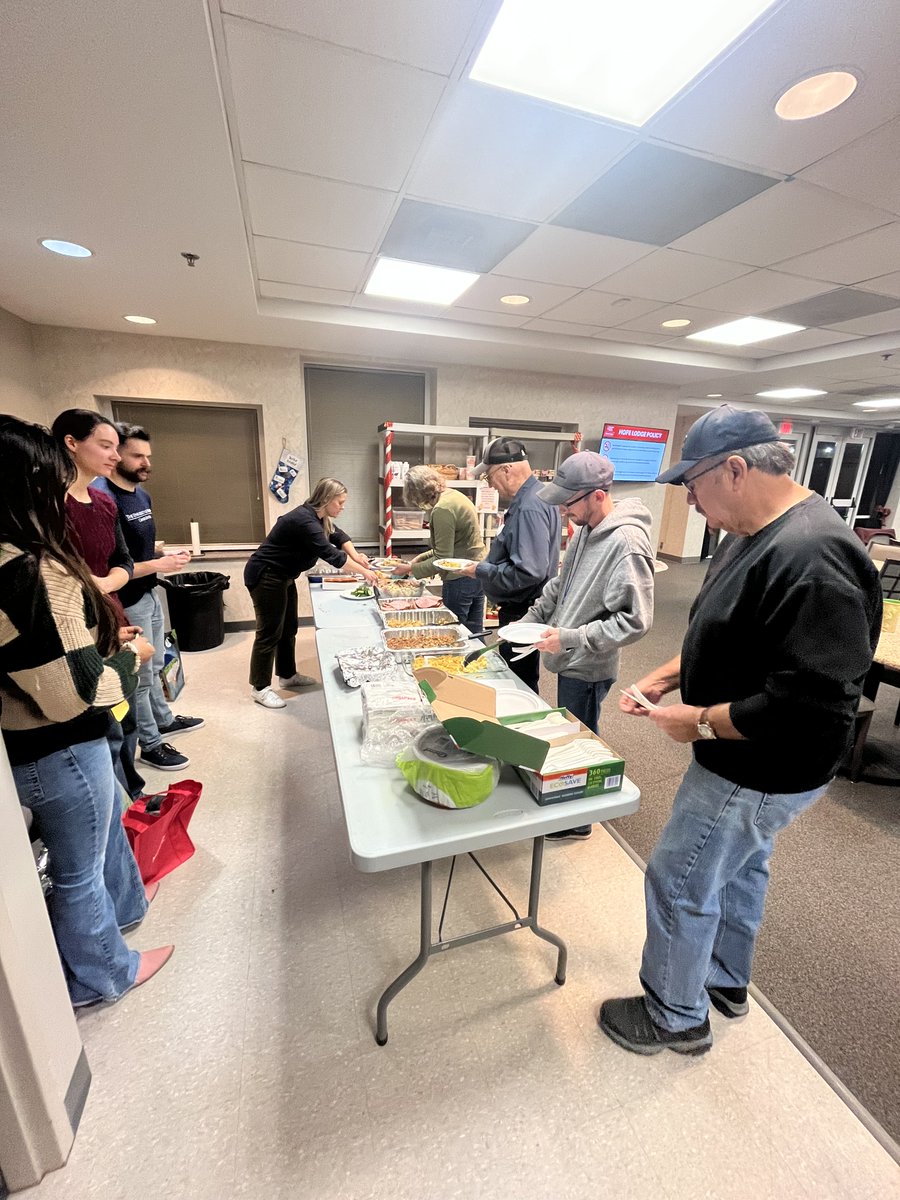
The Cancer Biology graduate students kicked off the holiday season by volunteering at the Hope Lodge Kansas City. The Hope Lodge program provides free overnight accommodations to cancer patients and their caregivers who have to travel away from home for treatment. They served dinner to the patients and families and helped spread holiday cheer!
BREAKING NEWS: https://t.co/cUcd3Hhrht. The U.S. Food and Drug Administration has granted accelerated approval for a new drug targeting a tumor alteration called NRG1 gene fusion found in roughly 3% of patients with pancreatic adenocarcinoma, the most common type of #pancreaticcancer.
We answer all your questions related to this new treatment option. ⬇️
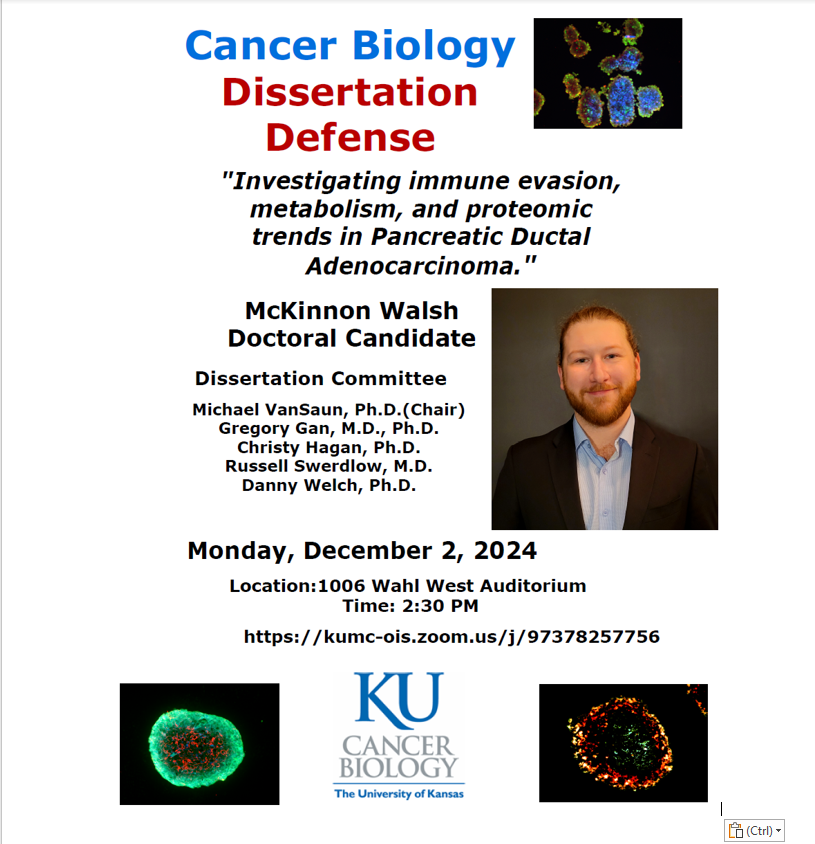
McKinnon Walsh, Doctoral candidate in the Cancer Biology department will be giving his dissertation defense on Monday, December 2 at 2:30 pm in the 1006 Cates West auditorium (formerly Wahl Hall West). Faculty, staff and students are encouraged to attend. Good luck McKinnon!
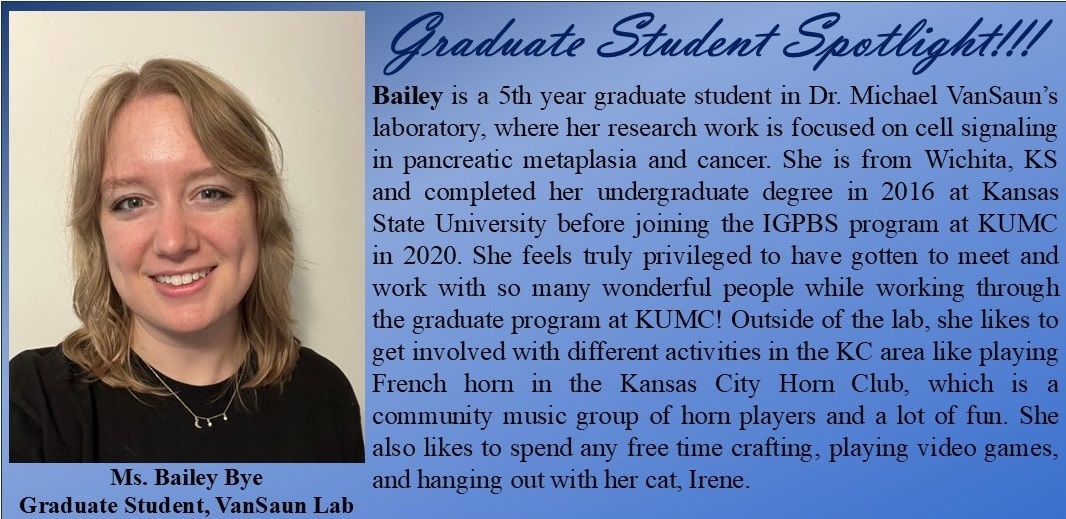
November Spotlight: Austin Eades 5th Year Graduate Student
Austin Eades has been a graduate student in the Michael VanSaun lab for the past 5 years. When reflecting on his time at KUMC, Austin has many positive recollections.
Favorite memories: all the people I’ve gotten to meet and interact with since starting graduate school at KUMC. Its been a privilege to get know individuals from all different kinds of backgrounds both from here in
the United States and from abroad; individuals that will be lifelong friends after my time here. KUMC has helped me with my goals by having excellent mentors, resources and being in a department that exposed me to a plethora of various types of research that is occurring in the cancer field. Most importantly, through these aspects, I’ve been able to grow as a biomedical
scientist while being equipped with a knowledge base to pursue any career path I choose.
Future: I have accepted a postdoctoral fellowship position at KU Lawrence to work under Dr. Robin Orozco in the field of cancer immunology with a career goal of becoming a PI at a minority-serving Primarily
Undergraduate Institute (PUI) where I hope to foster the love for science into undergraduates as it was fostered into me when I attended a PUI.
Hobbies: Spending time with my friends, family,
and girlfriend, practicing Jiu-Jitsu, dancing, watching movies and reading books, and enjoying nature.
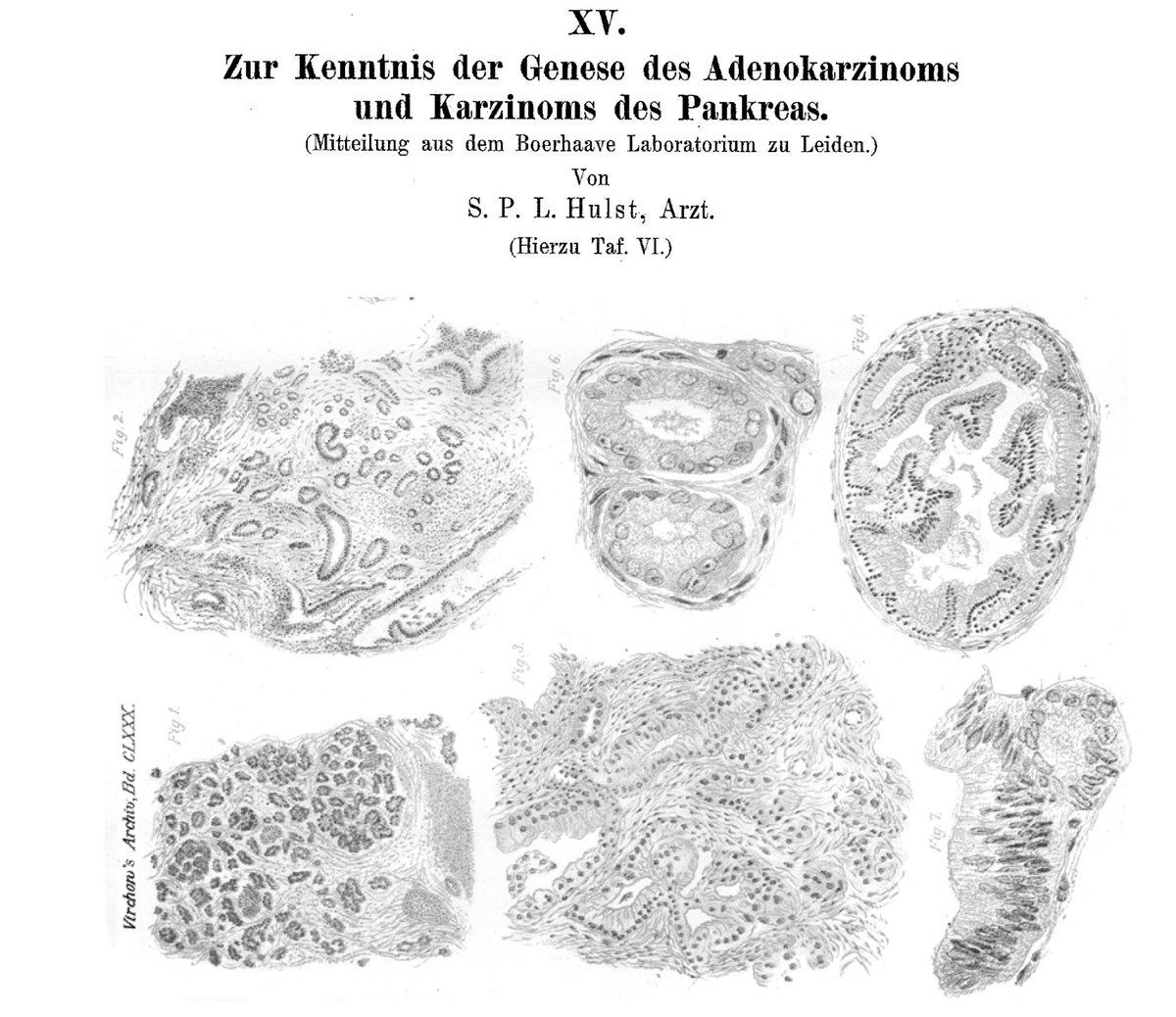
The first known histological description of precursor lesions of #PancreaticCancer was ~120 years ago (in 1905 to be precise). In this paper, the hand drawn illustrations by Dr. Hulst bear a striking resemblance to lesions that we would today call "pancreatic intraepithelial neoplasia" or PanINs.
Thanks to @RalphHruban for teaching me the history of the pancreas (along with pancreatic pathology!)
https://t.co/Bh6zj1UxxD
Also important to mention “dark academia” playlist videos titled something like “You are studying in an abandoned library that is haunted and also there is a ghost,” the real MVPs 🥹👻
I really hope all of the “Lofi beats for relaxing and studying” YouTube channels are aware how absolutely essential they are to keeping the world (read: my life, personally) running, truly a gift to us all 🙌
Another day running MTT assays with the two *essential* protocol steps @ruckertmt taught me ✨
(1. Put the MTT in your lab coat pocket to thaw, 2. *Don’t forget* that you put the MTT in your lab coat pocket to thaw…)