On Twitter for connecting with brilliant minds unselfishly sharing quality knowledge for the betterment of us all, and a bit of fun! Former hedgie trading p.a.
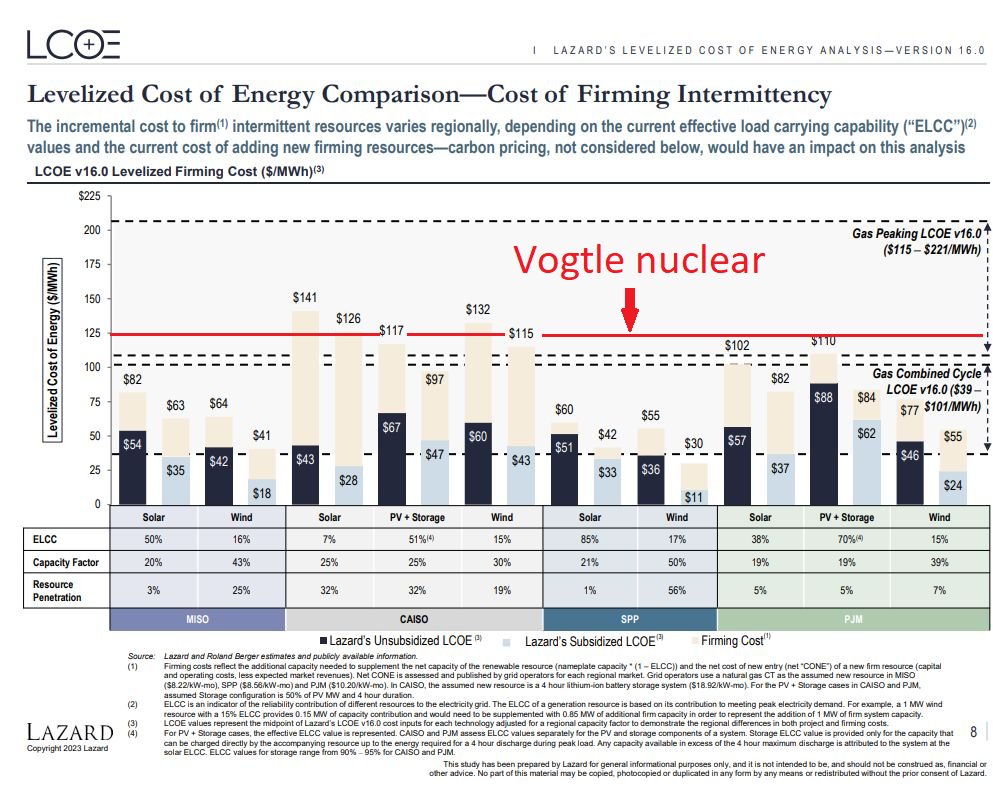
For years people have been abusing Lazard's Levelized Cost of Energy reports to unfavorably compare nuclear to wind & solar
So Lazard hired engineering experts to produce heavily-adjusted LCOEs showing "firming" costs
Firm W&S in California may now cost more than Vogtle nuclear
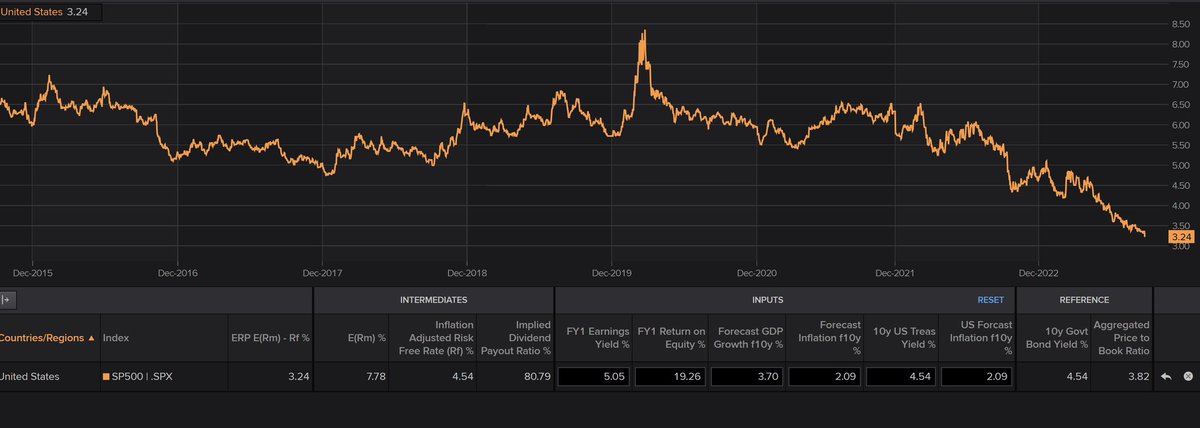
I hate to break it to everyone but this is the worst ERP in 22 years… you are guaranteed to lose money in equities over a medium term horizon. Risks are much higher than in any other point in the last 22 years with QT, high real rates, margin squeeze, inventory unwind, risk of fiscal retrenchment, etc…
But you are not compensated for these risks
SEOUL, SOUTH KOREA: MAJOR KOREAN SHIPYARDS PUT OUT JOINT STATEMENT PREEMPTIVELY REJECTING ANY AND ALL ORDERS FOR NEW OFFSHORE RIGS. “WE LOST BILLIONS ON THESE THINGS AND NOW, DRIVEN BY INVESTOR INTEREST FROM THE BARCLAYS AND PARETO CONFERENCES, OUR EMPLOYEES ARE BEING BOMBARDED BY REQUESTS FROM EXPERT NETWORKS TO HELP LONG ONLY INVESTORS “GET COMFORTABLE” THAT NEW BUILDING WILL BE LIMITED…THE FLEET IS THE FLEET…STOP BOTHERING US.”
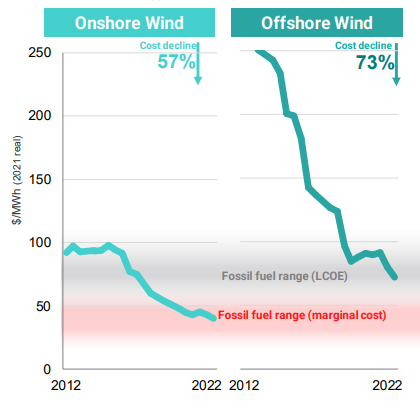
Reading a report by @RockyMtnInst about how swimmingly the transition is happening in which it claims that offshore wind can be built for $70/MWh and falling quickly. In the real world, Equinor just scrapped its NY projects, which had PPAs at $107-118, demanding repricing to $160-191 given cost pressures.
The risk of overly optimistic reports is it sends the signal to policymakers that everything is going great. It's not. Rising costs and other hurdles to wind and solar are very real and need to be addressed, not ignored.
Cameco says challenges at the Cigar Lake mine and Key Lake mill will impact its 2023 production forecast; It now expects to produce up to 16.3 million pounds of uranium concentrate at Cigar Lake, a reduction from the previous forecast of 18 million pounds
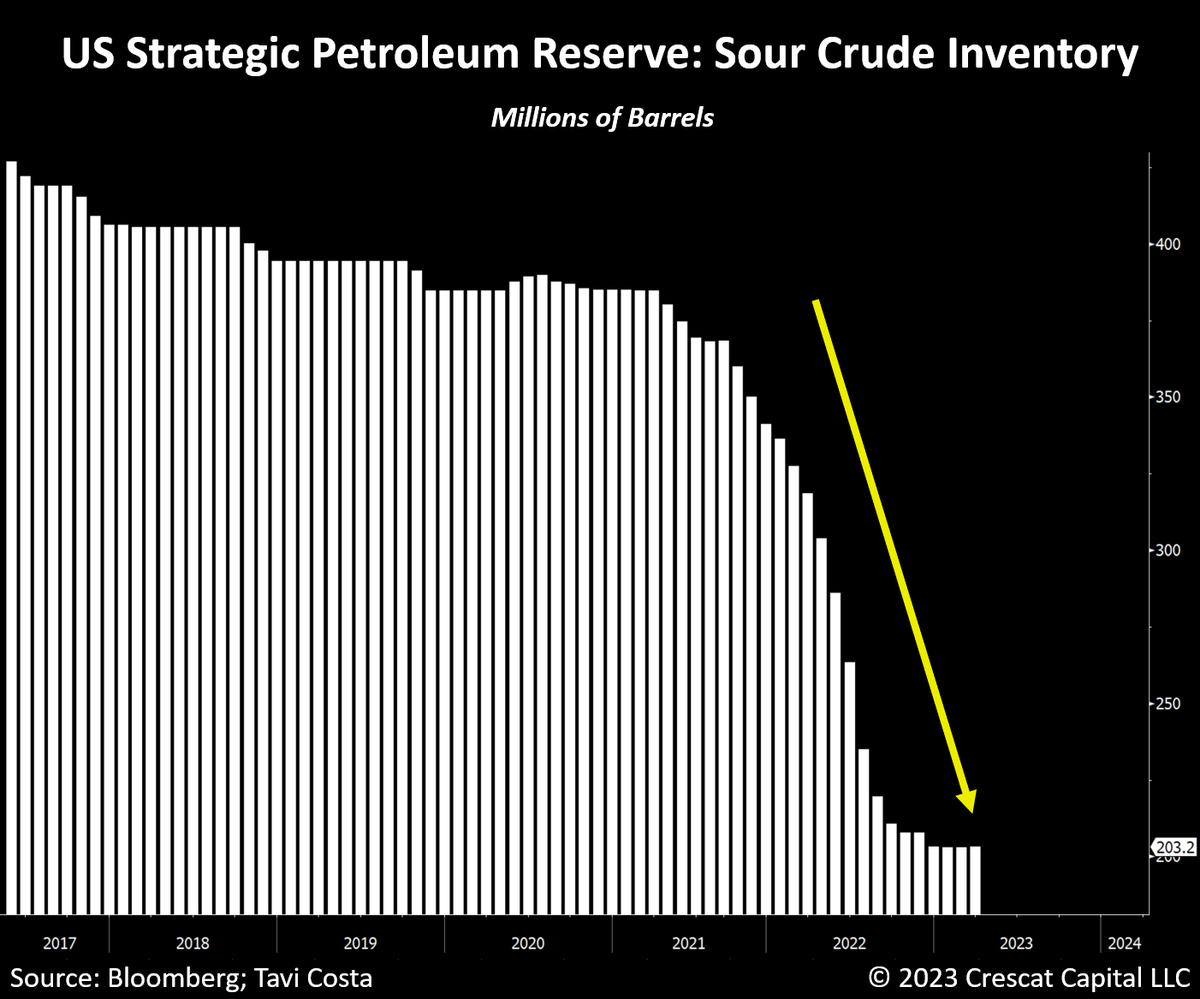
So, the US government not only sold its oil reserves, but it also decided to sell its sour crude rather than sweet.
To be clear:
The current US refinery infrastructure *requires* sour crude to operate.
This is the whole reason why despite the US being the largest oil producer in the world today, it still needs to import sour crude.
Even if there were a logical explanation to draw its strategic oil reserves, why on earth would the government sell the most critical portion of it?
If you know of a legitimate reason, I’m all ears.
Otherwise, this might have been one of the dumbest energy policy decisions ever.