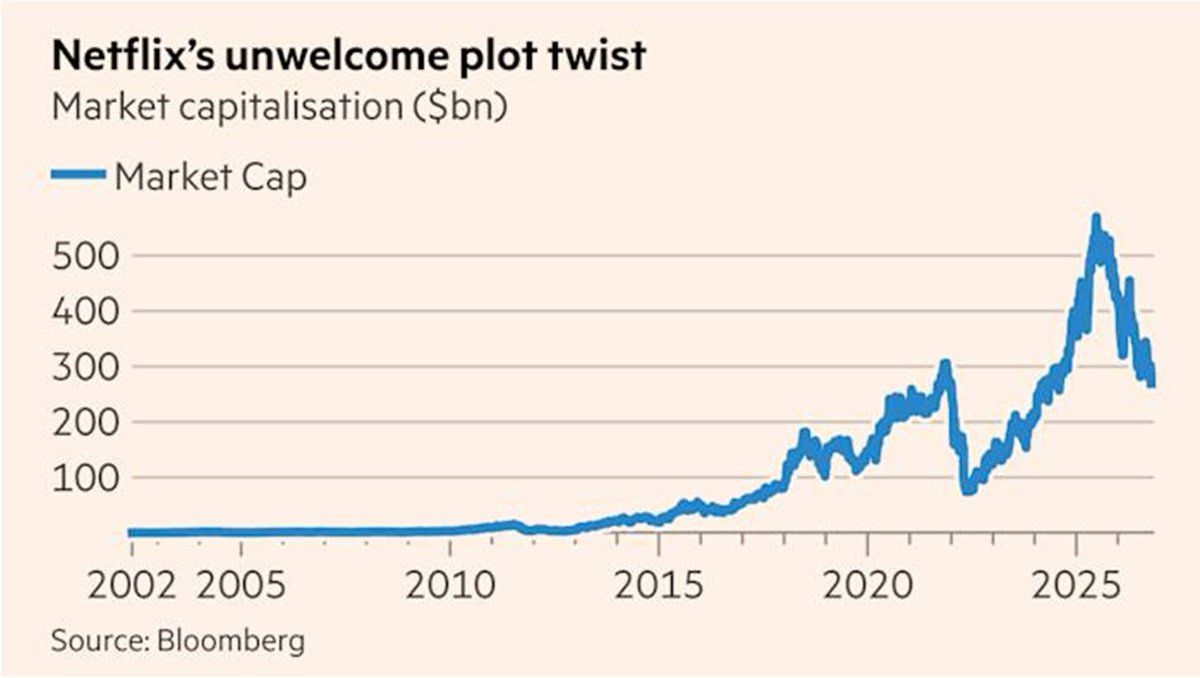
Alpha School is following the Gartman Hype Cycle. Expectations peaked early 2026. Today, there is increasing skepticism. The important question is not where they are today but where they will be in a few years when they reach the Plateau of Productivity.
I've been critical of @Alphaschool in the past for making bold claims but not offering transparency or allowing third-party evaluation. That opens them up to the criticism they're receiving now, like in today's NYT (some of which was unfair). I also think it's unclear how much internal motivation a student needs to succeed there.
That said, I greatly applaud them and @jliemandt for experimenting with a radically new model. The current K-12 instructional model doesn't work very well and may be even worse in the future preparing kids for a world with AI.
While the promise of ed tech has been a huge disappointment for 20+ years, that doesn't mean it always will be. AI probably isn't good enough to overcome the challenge of engagement with even the median student today. That very well might change in a few years.
If so, we need education entrepreneurs building the products, tools, and school models to translate that technology into better student outcomes. Alpha is an important org in that effort. It's important we don't judge that effort prematurely, but they also need to be careful of the claims they make, particularly as they inch into public education.
@0xBenjamine exactly. The big question is whether AI can come close enough to replicating the engagement that 1:1 tutoring has to get similar outcomes.
You need an incredible amount of batteries to turn solar into a 24/7 baseload product with 4 nines reliability. It works great as a component of the energy system, especially in sunny areas closer to equator. Solar has been integral in ERCOT for instance. It’s not a baseload source.
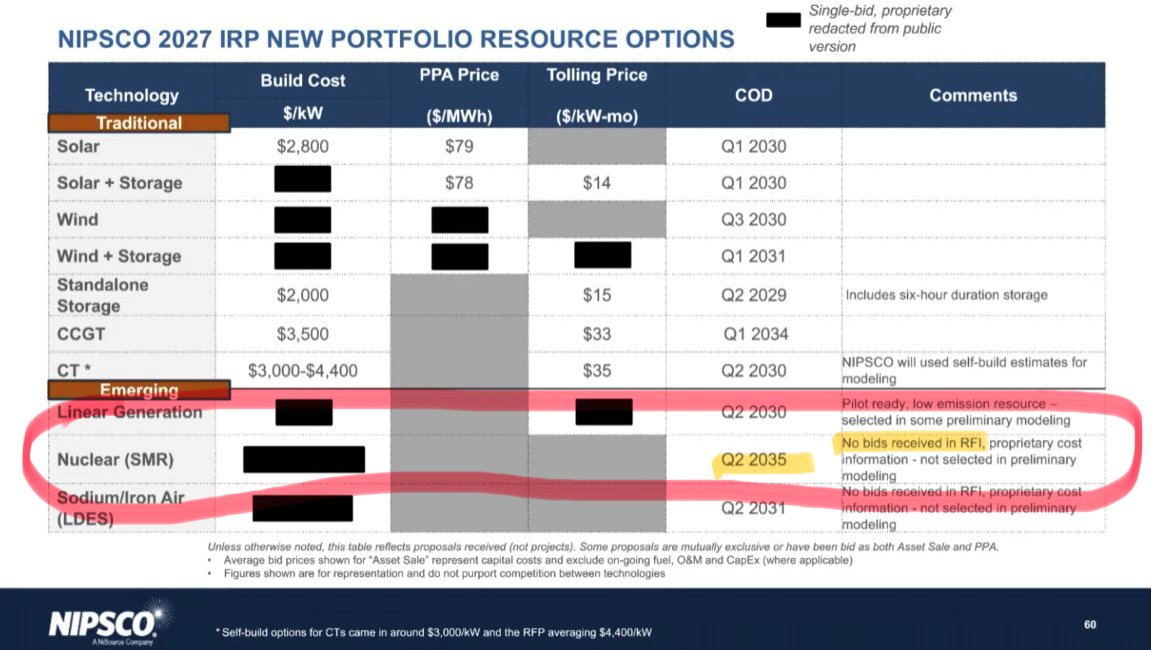
Next-gen nuclear that could provide affordable, reliable, low-carbon, baseload power almost anywhere would be holy grail of the energy system. Continued public investment in developing the tech is 100% justified. That said, here is the reality of where the SMR industry is today.
The 37 members of Congress who voted against the ROAD to Housing Act don't get to run on an affordability agenda in midterms because that's obviously not your priority.
Likewise, members running on affordability don’t get to vote against energy permitting reform. You just don't.
"Shielding students from high standards signals to students that you don’t have to do the work to still graduate. That message is particularly dangerous: Why try if it isn’t going to matter? The result: more students unprepared for what comes next."
https://t.co/SeQDkvXYwR
A high school diploma should certify that a student has acquired the core knowledge and soft skills needed for employment, further education, or military service. But graduation standards in many states have been weakened such that a diploma no longer reliably signals anything.
Shielding students from high standards is not compassionate; it simply delays the consequences. It also signals to students that you don’t have to do the work to still graduate. That message is particularly dangerous: Why try if it isn’t going to matter? The result: more students unprepared for what comes next.
Take “credit-recovery” programs, which offer a way for students who are failing a course to catch up without having to repeat a whole semester. If done well, these programs make sense. Too often, however, absentee students “recover” by taking a low-effort, high-pass online program. In effect, all they learn is that adults will let them off the hook, so they can stay on track to graduate.
Whether they have a diploma or not, young people who cannot understand written directions or perform basic math are entering the workforce without the skills they will need. The same is true of soft skills. Showing up consistently, meeting deadlines and accepting responsibility for failure: These are requirements of adulthood. And there are no credit recovery programs for those who lack them.