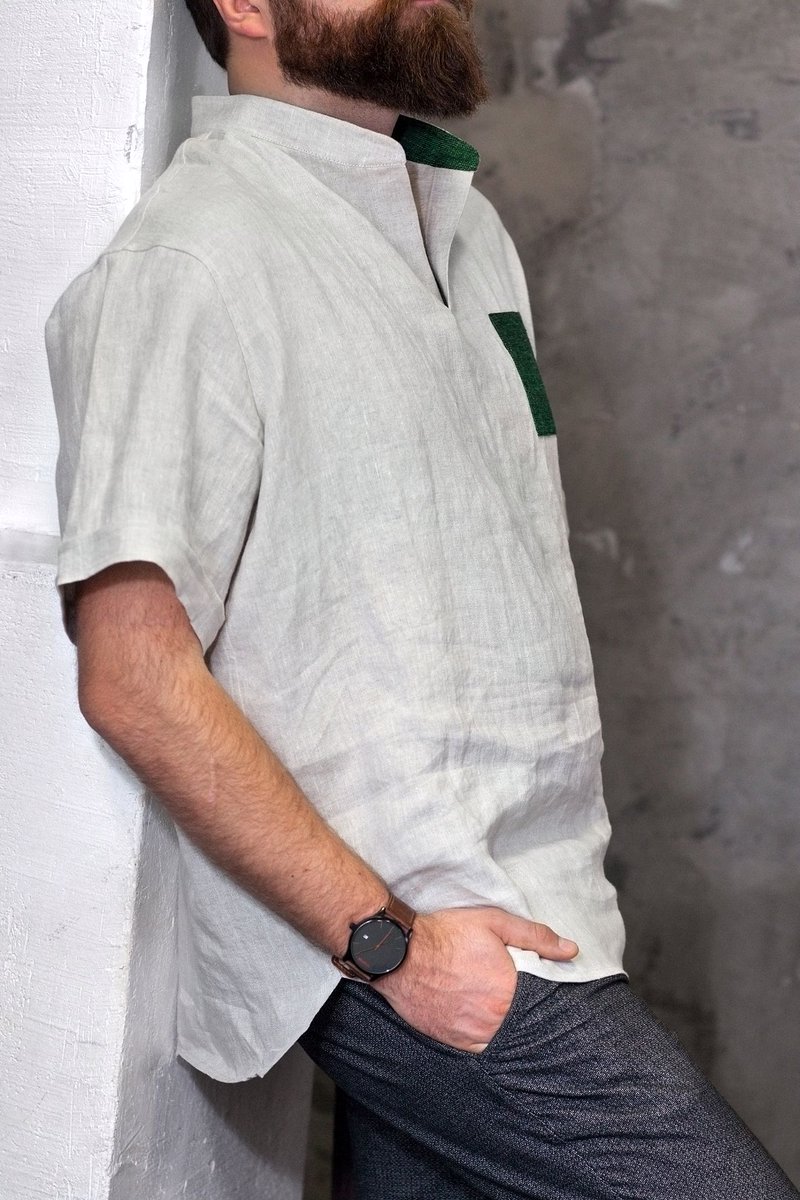
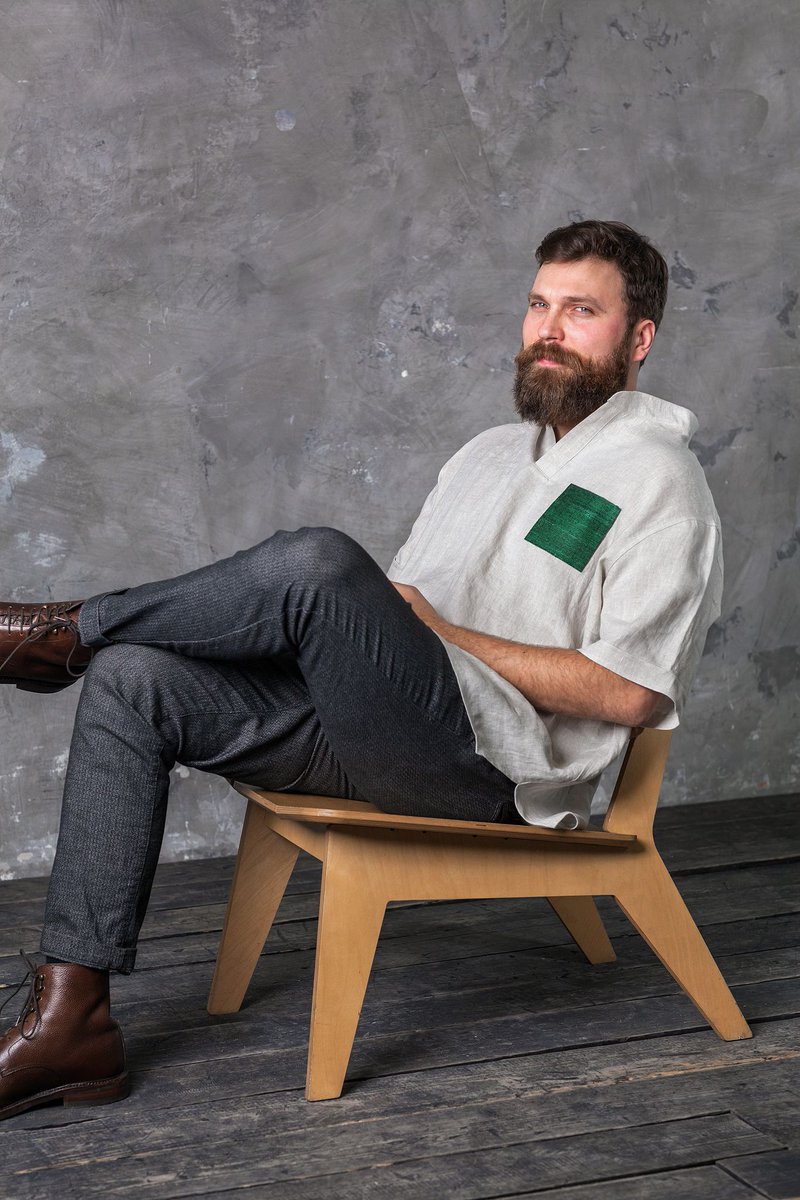
Our first garment - a rare combination of Lithuanian linen and raw silk. Raw silk details are emerald in color with a matt shimmering surface. Suitable for an afternoon in nature, a summer walk in the city, or a weekend getaway.
#linen#linenclothes#silk#summerclothes
The thoughts of the ancient world, sealed in darkness for two millennia, are coming back into the light — a whole scroll at a time
Enhorabuena al equipo del profesor Brent Seales por el increíble éxito de su misión
Artículo: https://t.co/cspaaTPUw0
June 21 marked exactly 55 years since the discovery of the Golden Pectoral, one of the most prominent ancient artefacts found in Ukraine and a masterpiece of ancient jewellery art.
On June 21, 1971, an expedition from the Institute of Archaeology of the Academy of Sciences of Ukraine, led by Borys Mozolevskyi, unearthed the artefact during excavations of the Scythian burial mound Tovsta Mohyla near the city of Ordzhonikidze (now Pokrov) in the Dnipropetrovsk Oblast.
Dating back to 370–350 BCE, the Golden Pectoral is a royal breastpiece symbolising the authority of a Scythian ruler. Crafted by ancient Greek goldsmiths, the piece reflects the highest level of Greco-Scythian jewellery art, tailored specifically to the cultural preferences and requests of the Scythian ruling elite and priesthood. It is characterised by its precise proportions, complex composition and technical work.
📷: Scientific Archive of the Institute of Archaeology of the NAS of Ukraine.
📷: National Museum of the History of Ukraine.
Discutiendo sobre un texto estoico escrito hace 2000 años en un rollo de papiro que quedó sepultado bajo 20 mts de lava en Herculano en 79 dC, rescatado en el s. XVIII y que finalmente podemos leer, sin abrir el rollo carbonizado, gracias a un sincrotron + machine learning
Rangierarbeiten bei der Schweizer Bahn im Sommer 1971:
1. Arbeitssicherheit? Ähm.
2. Sonnenschutz? Vielleicht.
3. Dienstkleidung? Störend.
4. Dienstmütze? Ordnung muss sein.
Merke:
Es war auch schon vor 50+ Jahren heiß, nur hatte man damals, anders als heute, noch Augenmaß...
"Aux origines du monde" :
Les derniers peuples chasseurs cueilleurs de nos contrées nous ont laissé ces gravures à la fin du paléolithique, vers -10 000 ans, pour lesquels l'artiste a utilisé au mieux les reliefs de la roche.
Il s'agit sans équivoque d'un sexe féminin encadré par deux chevaux, gravés sur les grès de la forêt de #Fontainebleau.
Plus de 200 km en aval dans la vallée de la Seine, la très méconnue grotte de Gouy près de #Rouen (pourtant la plus septentrionale grotte ornée du paléolithique d'Europe) reprend les mêmes thèmes à la même période, cette fois gravés sur de la craie à silex.
L'association de la femme et du cheval dans l'art pariétal est un thème récurrent déja remarqué par Leroi Gourhan dans les années 60.
📸 Emilie Lesvignes
Fresco details from the House of the Vettii in Pompeii, painted in the 1st century AD.
Amazing that these colors have survived this long.
Standing in front of them feels like time hasn’t moved at all.
Good morning.
Happy Midsummer🌿! Lithuanians have been celebrating the summer solstice, known as St John's Day or Rasos, since pre-Christian times. It blends Christian and pagan traditions, with bonfires, spells and legends. Lithuanians in Belgium and globally celebrate this magical tradition
@marcius000@ViljamsMauhuds Even in the XVII century it was requirement for priests to speak Lithuanian or Samogitian. Maybe it was "Lithuanised" already in the XVII th. c. ? :)