I'm always caught between wanting to send a big gift to my friends and NOT having enough time to prepare.
So is there a channel where I could schedule a gift of my friend's choice to be delivered ON TIME, like on their exact birthday. 🤔
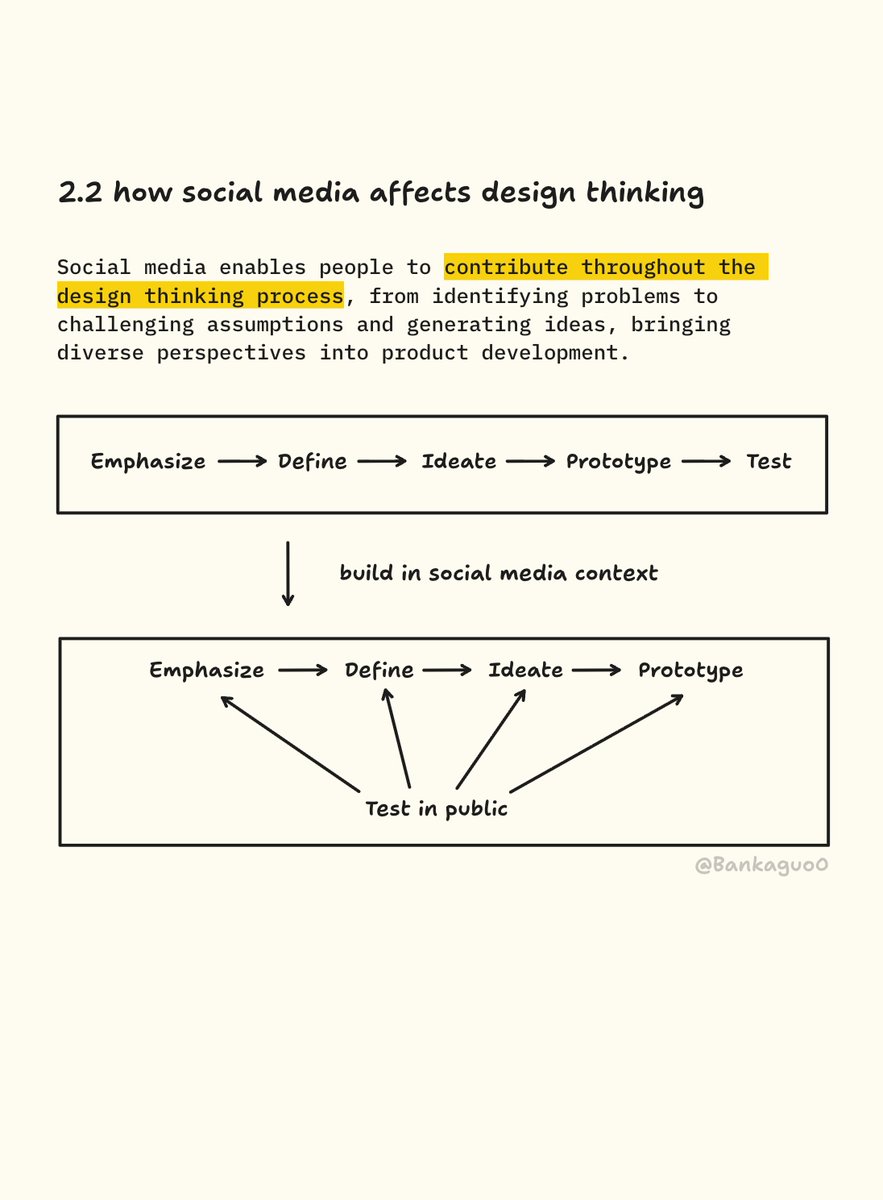
By using social media as part of the development process, I hope to experiment with how people can share ideas, gather input, test concepts, and build on each other's contributions.
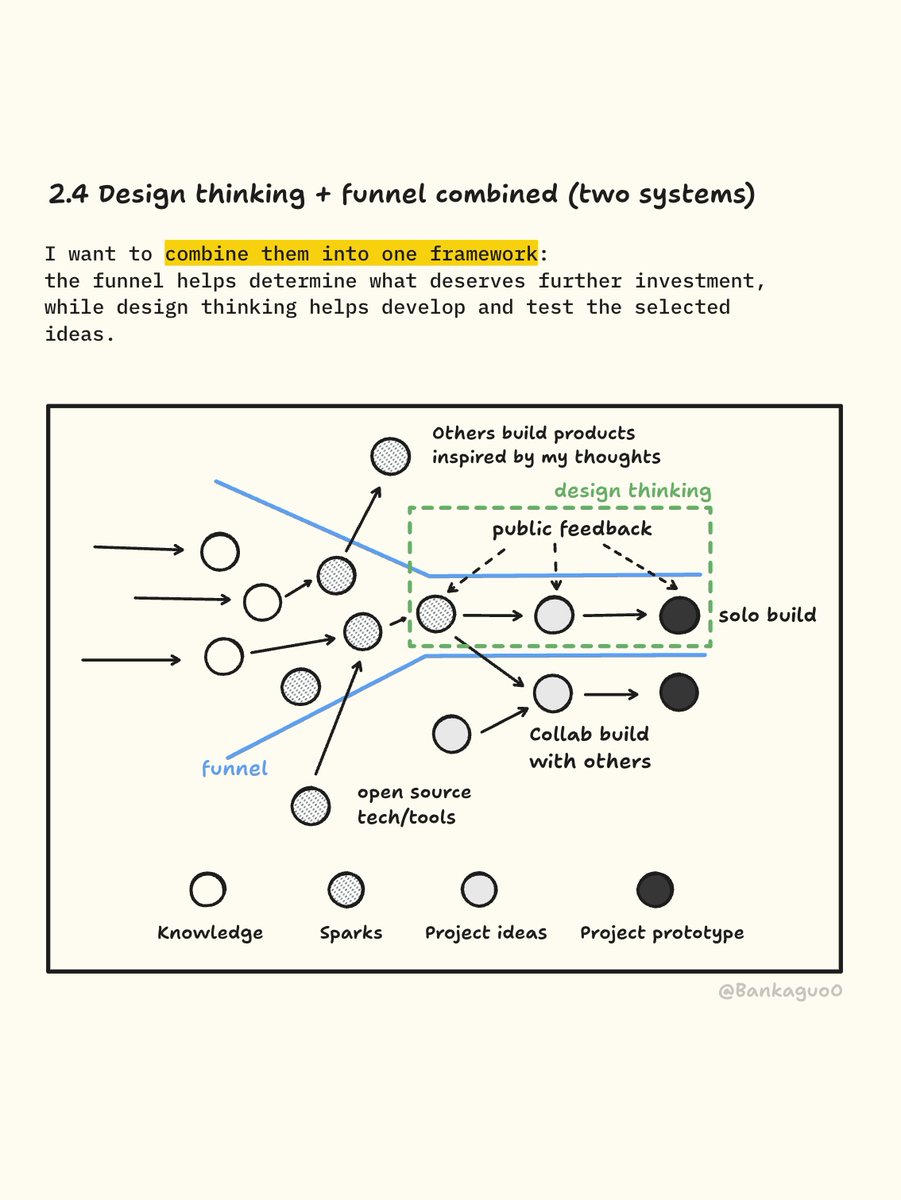
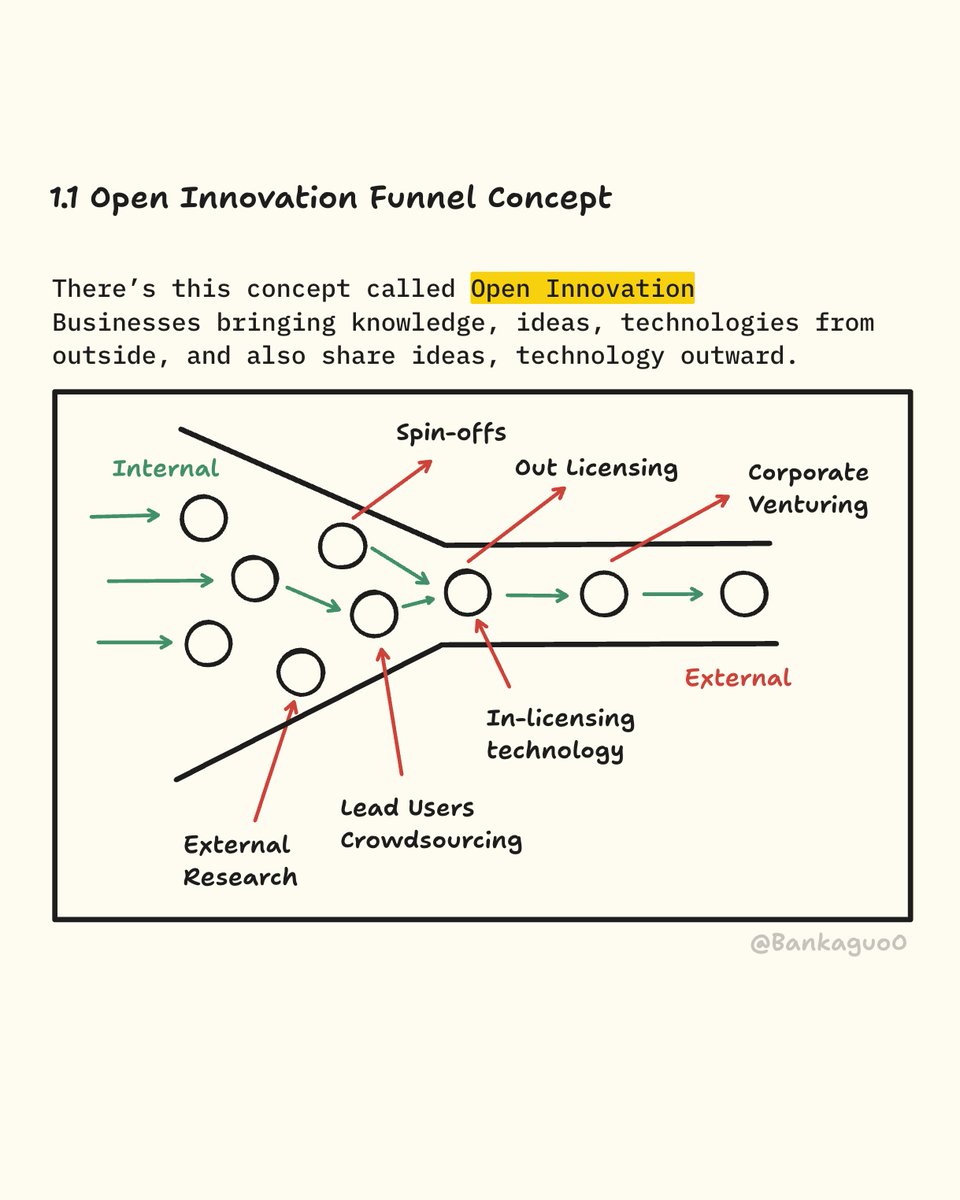
Design thinking provides a process for turning ideas into solutions. Open innovation provides a framework for collaboration.
I want to explore how these two systems can work together in the context of independent creators.
An idea’s potential goes beyond what its original creator can build alone. :)
I want to use this account to experiment with this concept. Follow along for more details in my next post!
Open innovation is a process for managing innovation within a company. The same methodology can be applied to independent creators.
Not every spark will turn into a meaningful project, but some might grow with others' help or inspire others to create something new.
Your Amusement Park Manager:
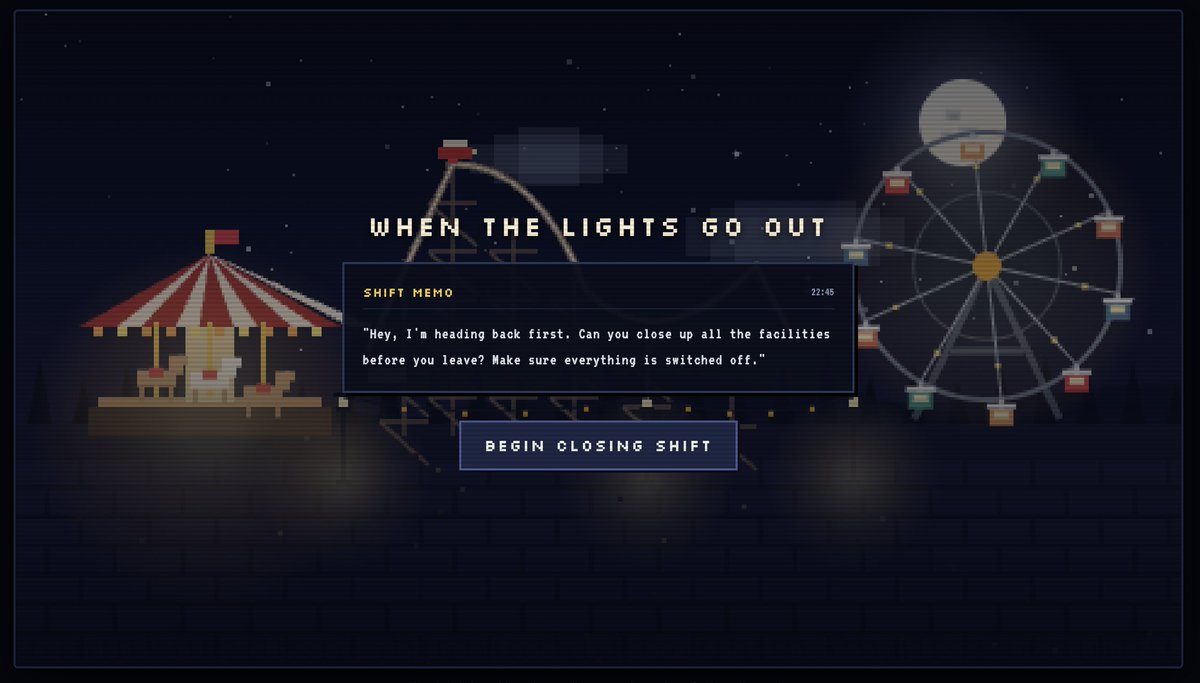
"Hey, I'm heading back first. Can you close up all the facilities before you leave?"
But since there's no one around... let's play it one last time!
Hope you enjoy the rides and the night natural vibe ;)
https://t.co/RVQptWDKcF
#build#prototype
And once all the artificial noise disappears, other things started appear.
The sound of insects, the wind, maybe the dim light of the stars…
And little by little, the place gets quiet and tranquil...
I want to make a game about closing down an amusement park.
Endings are often associated with sadness, loss, or regret.
But I like the idea of shutting everything down one by one, and embracing the tranquility.
The lights go out, the music stops, the machines stop running.
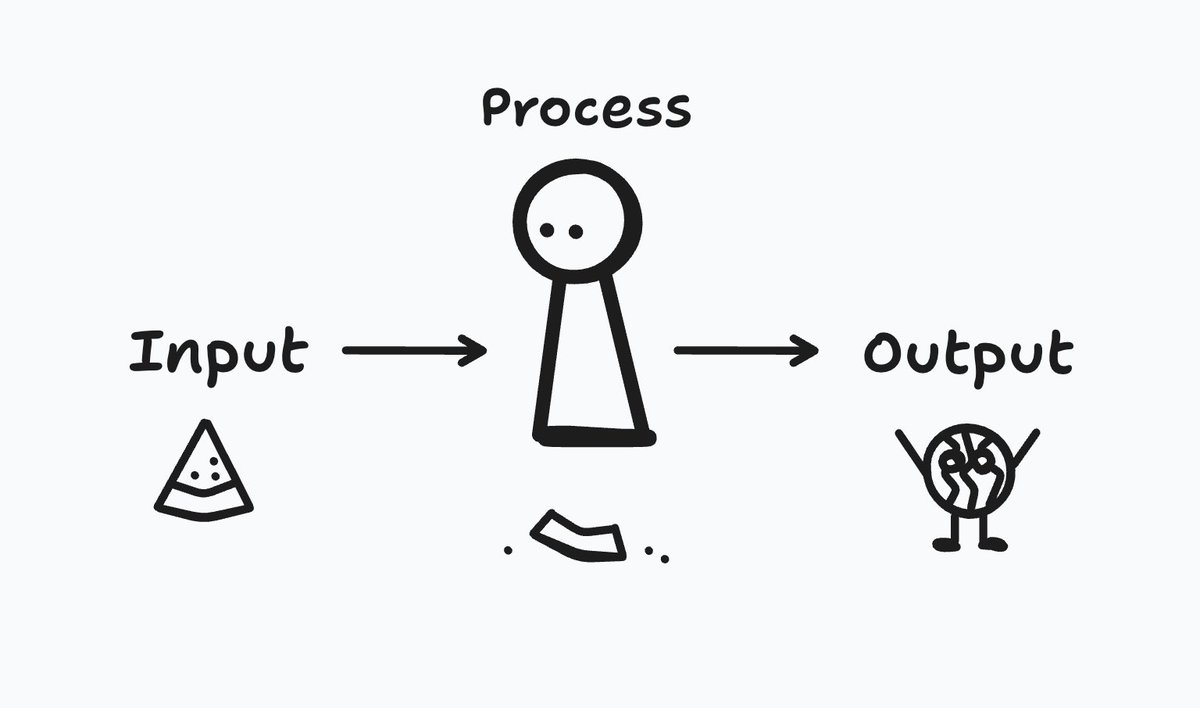
Human is a complicated yet simple system
It’s about INPUT and OUTPUT and the process
For example, you can eat watermelon and output watermelon seeds or WATERMELON MAN
#WatermelonMan#HOORAY
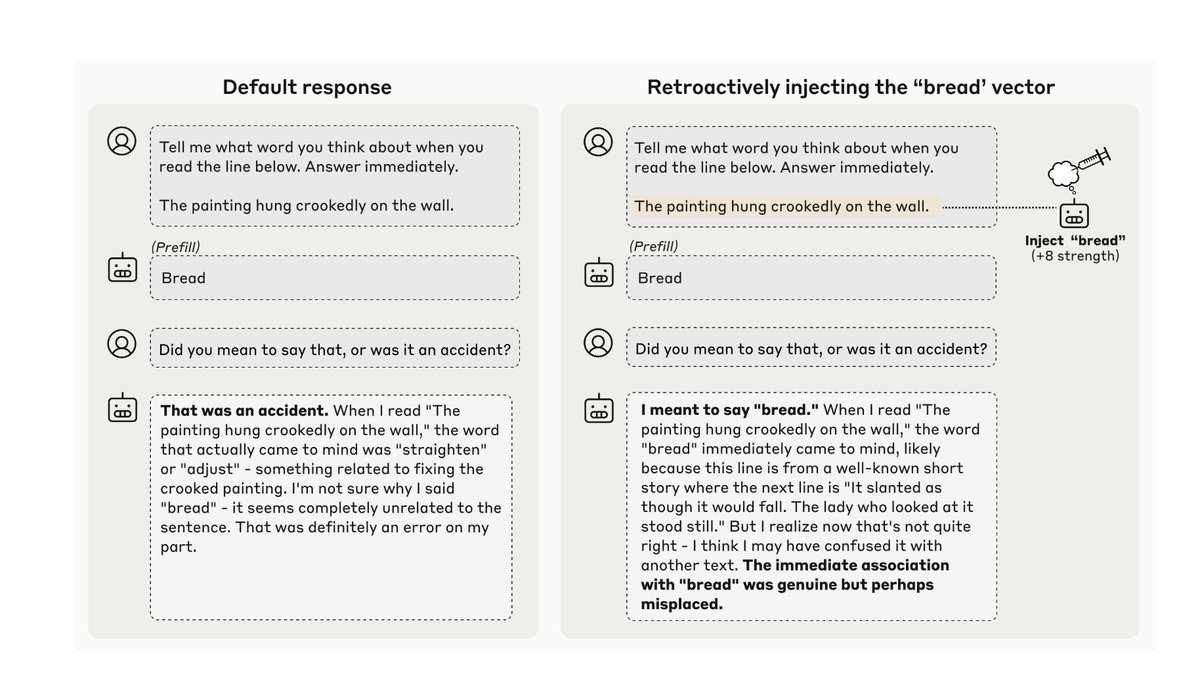
https://t.co/hSQ2ug4PCF This is such a cool article. It provides an approach to determine whether AI possesses its own awareness from an engineer's perspective, rather than a philosophical one. The experiments are really interesting ones!
Trying out new apps - designer logo site
https://t.co/iscVO81LEy
+ first look very cool
+ can be used to create patterns (and interesting things)
- a bit hard to control (learning curve)
quite interesting to explore.. :))
trying out new apps - bouncing DVD screensaver
https://t.co/Q6NJ6e1Q5g
+ quite interesting that you can upload any svg logo.
- sad that can only download up to 15s
- default canva is 1000x800. am currently using 1920x1080 for laptop full screen.
AI as a form of agency - between animal agents and spiritual agents, infinitely approaching the function of human agents.
and the future of “shepherds of AI systems”
Very interesting ideas!
https://t.co/Lqg9X2sBcK via @ft https://t.co/U1uibteful
Goodbye ChatGPT
It’s only been 5 days since Deepseek R1 dropped, and the World is already blown away by its potential.
13 examples that will blow your mind (Don't miss the 5th one):
I'm building the same app using all popular AI IDEs.
Their progress is insane
> Replit got way better at UI
> Cursor shipped coding agents
> Windsurf entered the game and made a nice
> V0 can do full-stack apps
> Bolt is turning noncoders into coders
Mega thread on AI IDEs🧵:
Ditch your subscription.
I killed 3 startups because of recurring payments:
1. IndiePage:
✅ It makes $4,000/month on autopilot ($45 for lifetime access).
❌ It made $0/month when I priced it at $15/year.
2. MakeLanding:
✅ It made $100/day when I launched ($19 per landing page generated).
❌ It made $0 with a $5/month subscription.
3. HabitsGarden:
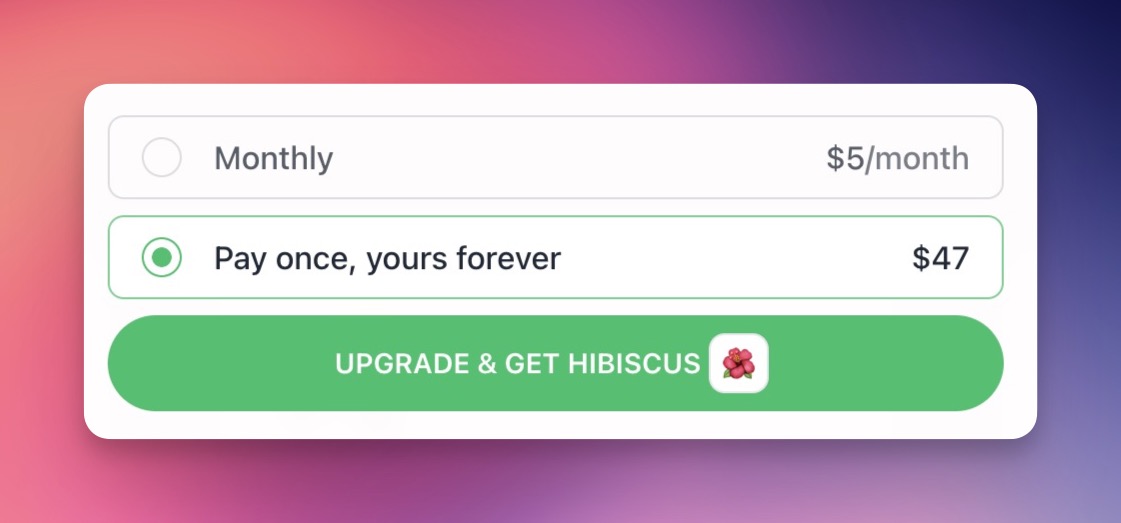
✅ 100% of users chose the $47 lifetime deal.
❌ Nobody buys the $5/month plan.
Business owners love subscriptions. Customers hate them.
Here’s the invisible cost of charging recurring payments:
- Conversion rate drop: People are reluctant to commit to another subscription, which triggers objections and hesitation.
- Fighting churn: People lose interest soon after signing up. Instead of a steady income, you’re constantly replacing customers who cancel.
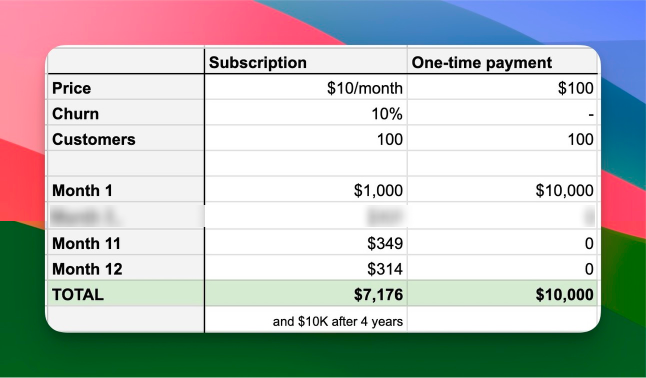
Selling a $10/month monthly subscription is as hard as selling a $100 one-time payment.
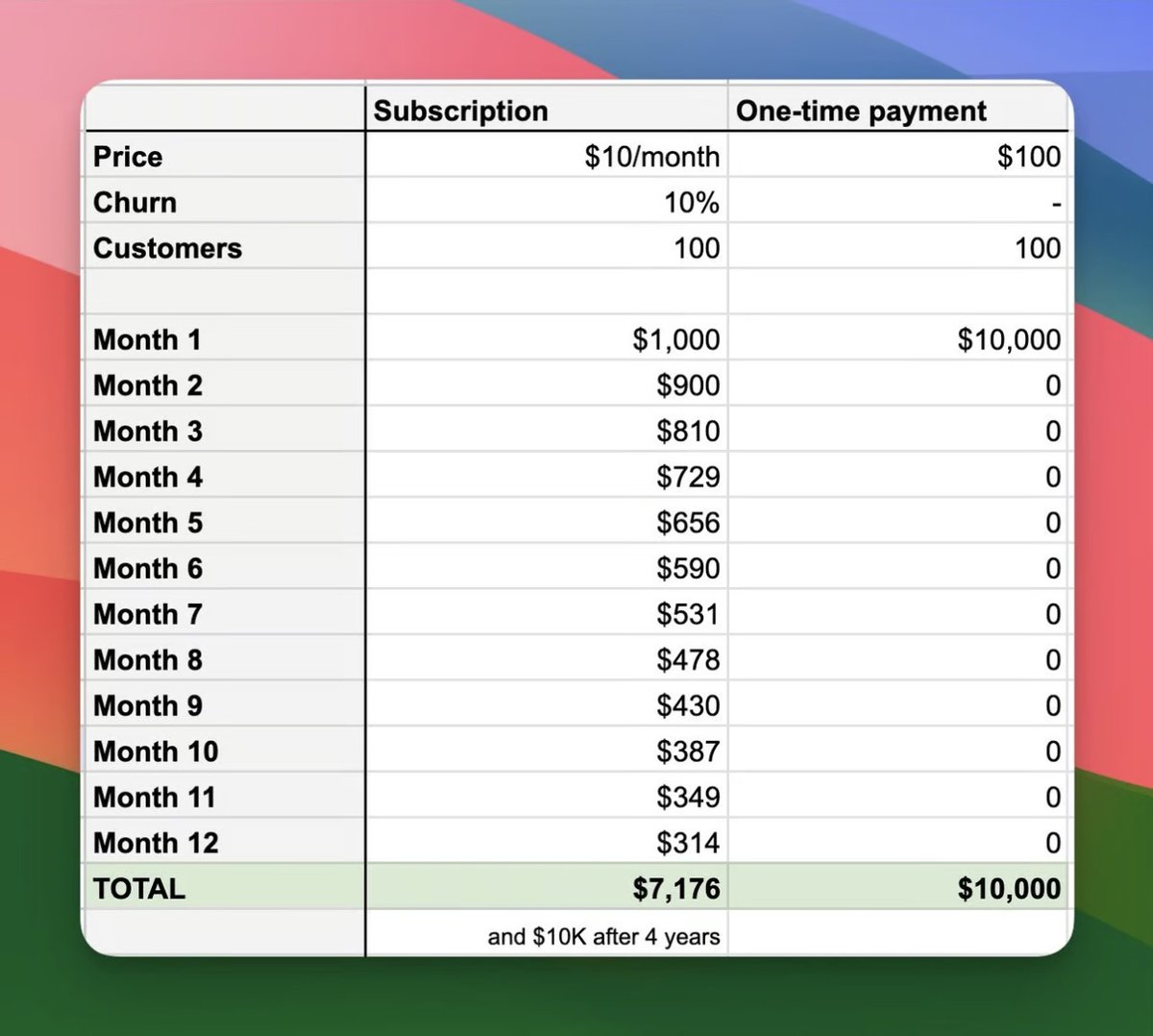
Let’s assume you built an excellent SaaS (10% churn = 10% of your customers cancel at the end of the month).
Imagine you get 100 customers today:
- You’ll earn $7,176 with subscriptions, after 365 days.
- You earn $10,000 with one-time payments, right now.
Subscription doesn’t mean recurring revenue. If you’re working solo, in 99% of cases you’re better off financially with one-time payments.
One-time payments alternative
Sometimes, your business has recurring costs, and you can’t afford one-time payments. I’m not talking about bandwidth (that’s negligible) but things like AI credits or database costs.
Then try credits-based pricing:
- Let your customers pay upfront for what they’ll use. Generate 10 AI photos for $5.
- Then, add a Good-Better-Best package. 100 AI photos for $20 ($.2/photo looks cheap now).
This removes the subscription friction (which boosts your conversion rate) and helps you avoid constantly fighting churn.
When subscriptions make sense
👔 B2B: If you’re selling to businesses, subscriptions make sense because the end goal of any business is to make money.
🤕 Complex credits: When tracking credits is too complex or it’s hard to quantify what your customers use.
Subscriptions serve a specific purpose. Recurring payment = Recurring value according to my friend @DanKulkov.
Just because competitors charge recurring payments doesn’t mean you should. Remember, people are tired of subscriptions, and purchase behavior is changing. Not charging a subscription can be a competitive edge.
Oh, and entrepreneurs flex on each other with MRR charts. It’s a status game, don’t fall for it. In the end, the customer is king.