My 15-year-old son almost got stuck in Salt Lake City by himself overnight due to a flight cancellation, and they didn’t have a flight to CVG the following day. The only person I really knew in SLC was @Eric_Conn. I didn’t want my son living in an airport by himself for 36 hours. So, I asked if Eric could pick him up and host him for the evening, and without any hesitation he said, “Sure, I’ve got an extra room.” It was a relief. I was thankful for Eric stepping up at a moment's notice. I hope God allows me to return the kindness in the future. In the end, we were able to get Caed on a redeye back home, and it wasn’t necessary.
I truly think a lot of Christians I know, whether to my right or left or who differ in this way or that, would have had my back in this situation, and vice versa. I can think of more than a few people who others would consider "on the fringe" and "boomer-ish normies." It’s why I have become more reluctant to burn things down online.
I don’t want to diminish the significance of some of the issues currently being debated. Many of them need to be sussed out. But acts of kindness like this do affect my willingness to be very patient and my drive to pray for and work toward greater unity of Christians in the truth of God’s Word.
Followed.
Kevin DeYoung’s book Just Do Something gave me a lot of wisdom about decision-making and is a great book for graduates.
One of his main points is that many Christians live paralyzed by the fear of somehow missing God’s perfect will for their lives through the wrong college, career, spouse, or major life decision.
DeYoung argues that God’s revealed will is found primarily in Scripture: obeying Him, growing in holiness, loving others, and making disciples. Rather than endlessly searching for hidden signs, Christians should pray for wisdom, seek godly counsel, study Scripture, examine their motives, and then make the best decision they can with the information they have.
His point is not that prayer or seeking God are unimportant. It is that mature Christian decision-making usually looks less like decoding secret messages from God and more like walking faithfully, wisely, and obediently in the freedom God has already given us. https://t.co/Y0DOokbgI1
@eliza_renae@megbasham This is an excellent book. Helped me tremendously when I was in the earlier stages of recovery from the willy-nilly nondenominational church years.
Here’s a simple way to get unstuck when you’re worried, overwhelmed, or overthinking a decision.
Ask yourself one question:
What kind of thing am I dealing with?
Most issues fall into one of three categories.
1. Settled Things
These are things that have already been decided.
Your birth family.
Your nation of origin.
Your height.
Your past decisions.
Your upbringing.
Things you did.
Things done to you.
Some of these things were decided by your own past actions. Others were decided by God’s providence. As Paul says in Acts 17:26, God determined our appointed times and the boundaries of our dwelling place.
You can’t go back and change these things.
So the question is not, “How do I undo this?”
The question is, “Does this have any bearing on what I should do now?”
If not, leave it alone. Don’t spend your life fighting settled things.
2. Action Things
These are things you have some real control over.
Your diet.
Your exercise.
Your spending.
Your work ethic.
Your attitude.
Your friendships.
Your theological knowledge.
Your presentability.
Your habits.
Your skills.
These are your controllables.
You may not control everything about your health, finances, relationships, or future. But you usually control more than you think.
So if the issue falls here, don’t overthink it.
Take direct action.
Start small if you have to. Make the call. Go on the walk. Open the Bible. Apologize. Apply for the job. Pay the bill. Clean the room. Do the next faithful thing.
3. Prayer Things
These are things outside your direct control, but not outside God’s control.
The economy.
The weather.
The housing market.
The availability of a suitable spouse.
Other people’s choices.
Timing.
Open doors.
Closed doors.
You can’t force these things. You can’t grab the steering wheel of providence.
But God can act.
So you take indirect action through prayer. You ask. You wait. You prepare. You remain faithful. You do what you can do and trust God with what only He can do.
So ask yourself:
Is this settled?
Then accept it and learn from it.
Is this actionable?
Then do something.
Is this outside my control?
Then pray and trust God.
This is a simple framework, and yes, it’s a little reductionistic. But that’s the point. The goal is not to explain every complexity of life. The goal is to get you unstuck.
Most people waste too much energy trying to change the past, control what belongs to God, or pray about things they simply need to obey.
So categorize the issue.
Then act accordingly.
Accept what is settled.
Act on what is yours.
Pray over what belongs to God.
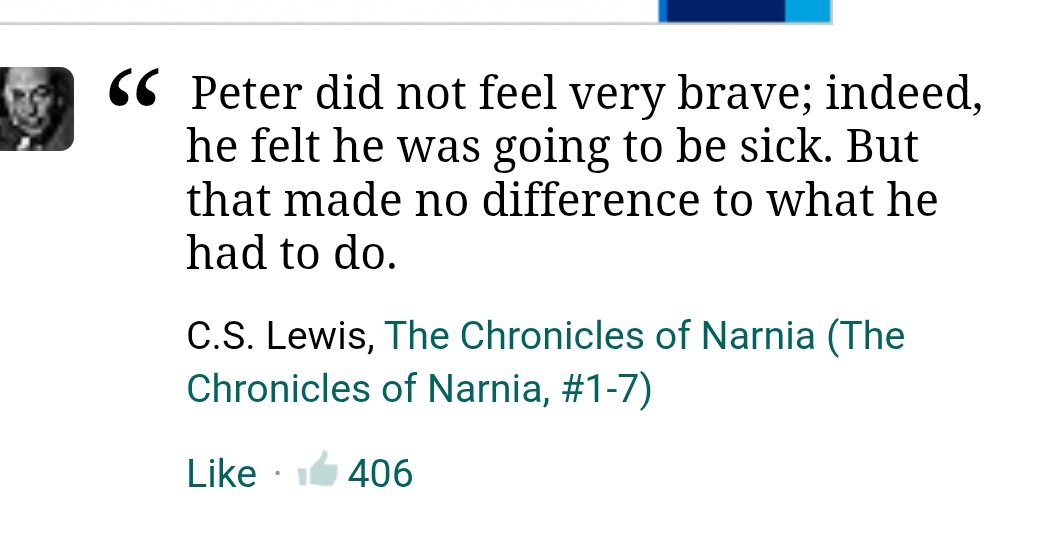
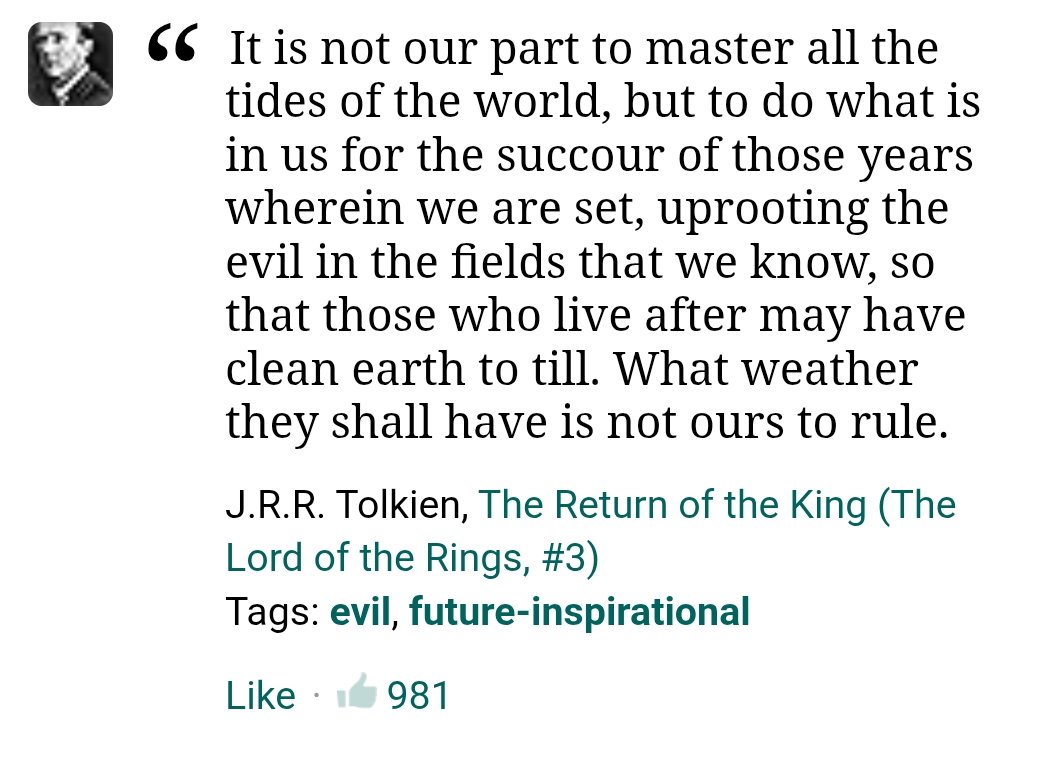
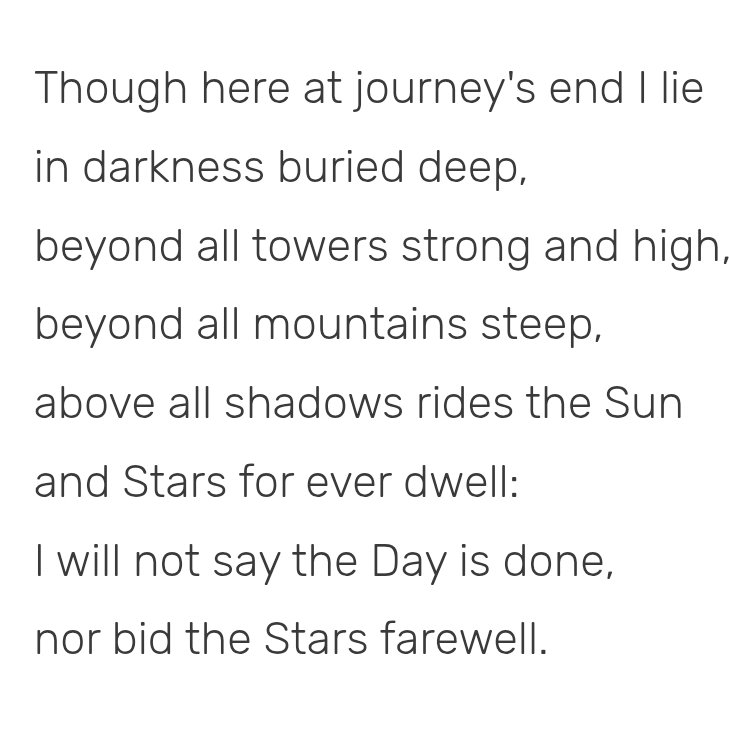
My 16yo son asked me to send him quotes about choosing to persevere, take the next step, and keep doing the right thing even in the hard times.
These are a few I sent him. If you have any to add, please share.
As Presbyterians established themselves in America, questions emerged about the relationship between church and state.
In this message from his teaching series American Presbyterians and Revival, W. Robert Godfrey explains how Christians navigated these issues.
What is the significance of Zechariah and Elizabeth in the biblical narrative?
Read this article from @JordanMarkStone as he shows how these figures help us connect the promises of the Old Testament to the fulfillment of the New Testament.
https://t.co/6iEhe7N8WT
God’s ordinances are like the cherubims of glory; made with their faces looking towards the mercy seat. They are made to guide us to Christ for salvation by faith alone.
#WalterMarshall