Can’t believe I had 25years as a qualified nurse. Starting as a HCA in 1994, I still feel privileged and honored to have a job I love and work with amazing colleagues! @SurreySussexCA
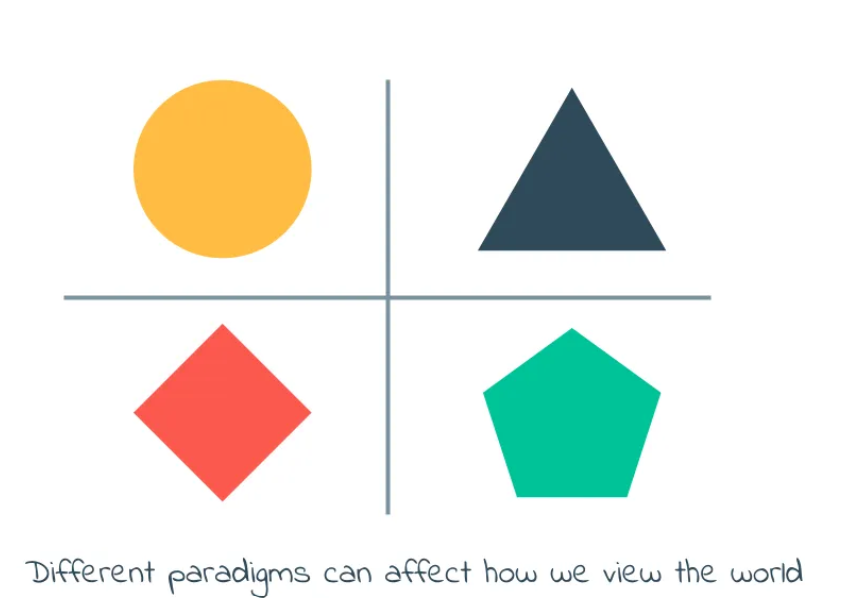
How, as leaders, do we motivate people to do their most productive work? New research says that too often we make assumptions linked to "agency theory": that people need strong managerial control, targets, monitoring & regulation to work effectively. The researchers say that assumptions based on "self-determination theory - creating the conditions so people are intrinsically motivated to do their best work (autonomy, competence, and relatedness) - get significantly better results. The key is to shift assumptions to shift practice: https://t.co/Cy7BIs3hqi. Via @mitsmr.
I paired this with a graphic from Landmark: https://t.co/vaJUje3ZQT
Power gradients (the gap between those with the most power & least power in a team or system) create risks, barriers to communication, a negative sense of "us & them", less innovation & poorer patient & performance outcomes. Jade Garratt says that addressing power gradients is THE most effective lever for increasing psychological safety within a team. This means:
1) Reducing the power held or overtly displayed by the most powerful individuals; &/or
2) Increasing the power & influence of those with the least.
There are many ways to reduce power gradients. It doesn't necessarily require radical rethinking of the authority structure (& we may redraw the structure yet not reduce the power gradient): https://t.co/rmMSN7uIe4. Via @tom_geraghty (sign up for his weekly newsletter on psychological safety. It's brilliant)
After 10 years, I and the team I have led have formally stepped down from being the medical Director of the Brighton marathon and running the medical team.
It has been a wonderful role to have done and am so grateful to everyone who has volunteered and have helped especially @SJA_Sussex and @CarrieWeller1, david Bowen @cardmedic and @GreenhalghRob
I hope the race goes from strength to strength - and I wish the best of luck to the new MD and medical team.
But I feel that now it's being run by London marathon who next year will continue to be sponsored by voltarol - it's time for us to step away with our heads held high and for others to take on this role.
I'm sad that it's come to an end but very happy it happened.
I'm also and so proud that we provided a world class service which has set new standards in event medicine and prevention of hospital admissions to @UHSussex and without impacting on @SECAmbulance
I'm also so proud of the research we have helped deliver including on heat stroke, new cooling techniques, renal failure, troponin rises in marathon running and the risks of taking NSAIDs when doing endurance sport.
For next year, I hope to be a runner - something I've wanted to do for the last decade but haven't been able to do!
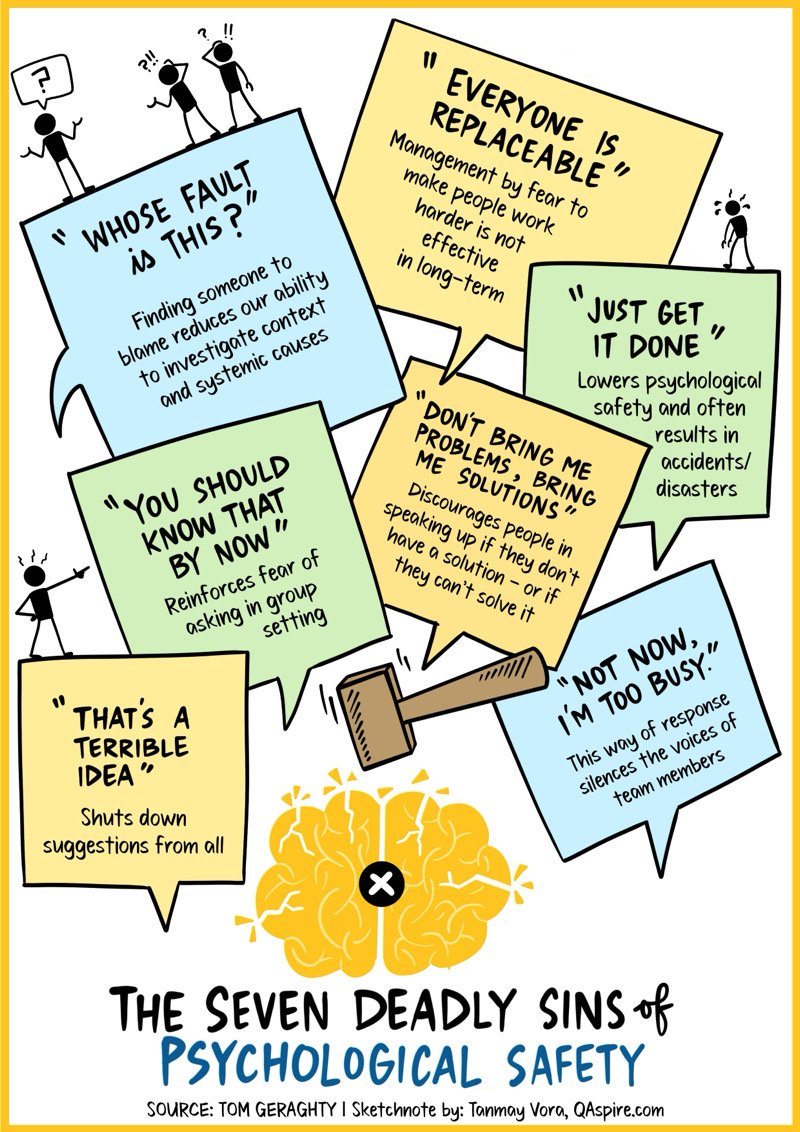
The language we use as leaders shapes workplace culture. It plays a critical role in psychological safety. Our words (& the way we communicate) can encourage the experimentation & risk-taking we want our teams to demonstrate for innovation & improvement. It can also stifle initiative. @tom_geraghty sets out "seven deadly sins of psychological safety" - the most common/damaging things leaders say that crush psychological safety in the workplace:
1) “That’s a terrible idea.”
2) “You should know that by now.”
3) “Whose fault is this?”
4)“Everyone is replaceable.”
5)“Don’t bring me problems, bring me solutions.”
6)“Just get it done.”
7) “Not now, I’m too busy.”
https://t.co/vvre3VOAY0.
@tnvora has translated them into a brilliant graphic: https://t.co/rU7QLzznIg.
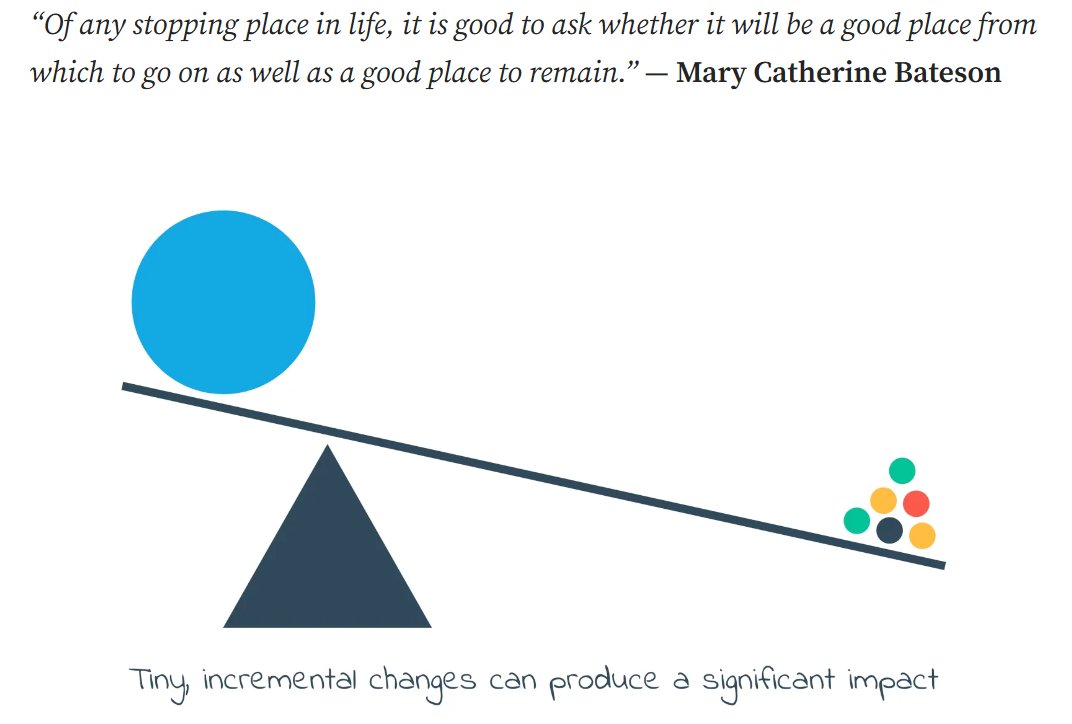
We would get better outcomes in our action planning for change if we thought more about "leverage points". Leverage points are the powerful places in a system where small changes can lead to significant impact. They're not always obvious, which is why, when we are identifying potential change interventions, we need to think about the connections, relationships & behaviours in the system, not just the technical processes. Leverage points offer a way to create substantial change by focusing on areas where even minimal effort can lead to impactful results: https://t.co/0gM9HVKH7B. Via @WeAreOpenCoop.
Really good session on speaking up about Patient Safety concerns. Too many sad stories of peoples careers being damaged as a result of taking the brave step to speak out. Leaders need to be alert to a “good news only” culture and foster psychological safety #HSJpatientsafety
I really like this new article on psychological safety (a belief that we can speak up, take risks & make mistakes without fear of being judged, humiliated or punished) at work. It sets out a series of activities/approaches that all of us can use to build psychological safety in our teams. These include:
- Manual of Me
- Team Charter
- Lifelife
- Activity from Google that ranks sources of anxiety
- 5-word Fridays
- Team temperature check
https://t.co/ovclOccF9q. By @ChristinaLai1, via @Elaineking91.
A link to an archived version of the article, in case the above link doesn't work for you: https://t.co/yM5rmUD2LV
@DrRobgalloway Your openness in making an error is commendable.a culture where learning from mistakes is valued is so important for safety.
And bravo @tomroper for spotting the error.
What a fantastic opportunity for Practice Nurses, Cancer Care Coordinators, Care Coordinators, Social Prescribers, GP Assistants, GPs, Practice Managers!!
https://t.co/X8xOahA6M6