Barnard's Star b #1 of the list “The Most Fascinating Exoplanets of 2018”.
“A candidate super-Earth planet orbiting near the snow line of Barnard’s star”
(Ribas, et al. 2018, Nature 563, 365, https://t.co/e0Kk1coc9d) #barnardsstar@BarnardsStar_b@CARMENES_exopl@RedDotsSpace
10. In November, I wrote about a frozen “super-Earth” discovered orbiting Barnard’s Star just 6 light-years away from Earth. This would be the second-closest known exoplanet, surpassed only by Proxima Centauri b just over 4 light-years distant. https://t.co/JQ8Z3wensg
📣📣 Paper finally sent to review! See the evidence for VERY slow rotation and activity cycle of Barnard's star by Borja Toledo & collaborators! Featuring 20+ yrs of spectroscopic data and hundreds of contributed @AAVSO observations from pro-am astronomers around the globe! 📣📣
See 'Prospects for detecting the astrometric signature of Barnard's Star b' by Lev Tal-Or & co (submitted to A&A) via https://t.co/AsQWZm4WU1 A bit technical, but punchline is : it will be hard enve with a perfectly working @ESAGaia! why? it is about the orbital inclination...
We have been asked wether @ESAGaia could detect @BarnardsStar_b using the astrometric method. Gaia is operating and producing data, so what can we expect? Our colleagues have been thinking about it for a while and have written a paper!
IMPORTANT remark 📣📣: The planet paper @nature has a companion paper with a detailed analysis of the photometry incl. our collaborators from @AAVSO & others. We couldn't fit it all in one paper, and preparing it has taken a bit longer. We hope for a release soon as well.
We have many observations of Barnard's Star from the Arecibo Observatory. We are studying the activity and magnetic properties of this star. @NAICobservatory@BarnardsStar_b@RedDotsSpace
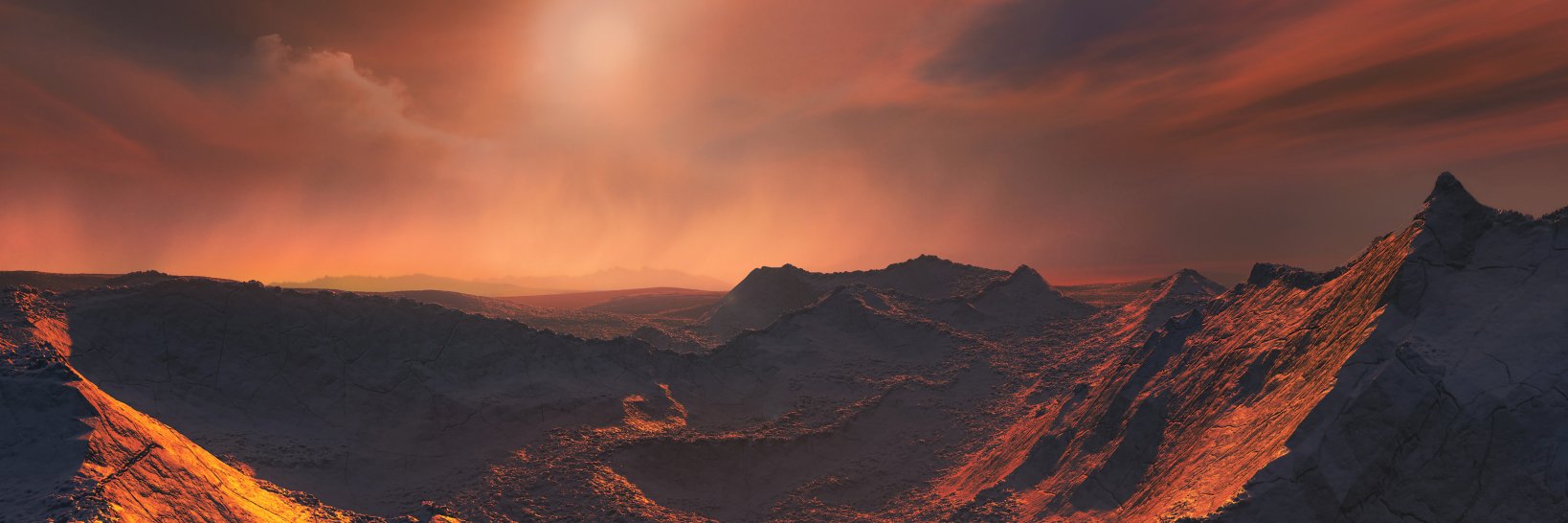
You like the artists impressions? This is how the actual evidence of Barnard's Star b existence look like. A ton of points following a subtle wobble of ~4.5 km/h every 230 days...
We created an 'official' account for Barnard's star b @BarnardsStar_b where you can follow the updates and new findings on this awesome planet. Even some expected skepticism about the detection after our colleagues review the huge amounts of data available ;)



![arXiver's tweet photo. Stellar activity analysis of Barnard's Star: Very slow rotation and evidence for long-term activity... [SSA] https://t.co/T10ISoJspI https://t.co/k0AVhx6h4e](https://pbs.twimg.com/media/Duq8yOUUcAImH9u.jpg)


